My Cart: 0 item(s)

Extreme Corals News and Updates
Beginner’s Guide to Caring for Live Corals in a Reef Tank 2026
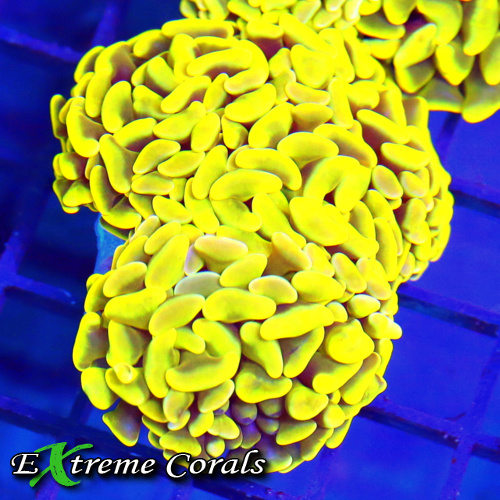
Learn how to care for live corals in a reef tank with beginner-friendly tips on lighting, water quality, flow, feeding, placement, and choosing the right starter corals.
Learn how to care for live corals in a reef tank with beginner tips on lighting, water quality, feeding, flow, placement, and choosing beginner-friendly coral species.
by Scott Shiles • May 01, 2024
Caring for live corals can be one of the most rewarding parts of reefkeeping because healthy corals add color, movement, and natural beauty to a saltwater aquarium. But for beginners, coral care can also feel overwhelming at first. Different corals need the right mix of lighting, water quality, flow, feeding, and placement to thrive. This beginner’s guide explains the basics of caring for live corals and helps you build a stronger foundation for long-term reef tank success.
For many hobbyists, the biggest challenge is not buying the coral. It is creating the right environment before the coral ever enters the tank. Once you understand the essentials of coral care and choose species that match your experience level, it becomes much easier to keep a healthy, colorful reef aquarium.
Looking to add healthy live corals to your reef tank? Browse our new arrival corals and explore beginner-friendly options for your aquarium.
What Are Live Corals?
Live corals are marine animals that belong to the class Anthozoa. They are made up of tiny polyps that build hard calcium carbonate skeletons, forming the structure that helps create coral reefs. These corals come in many shapes, sizes, and colors, which is part of what makes them so desirable in reef aquariums.
Inside coral tissue live symbiotic algae that help provide energy through photosynthesis. This relationship is one of the reasons proper lighting is so important in coral care.
Why Keep Live Corals in a Reef Tank?
Live corals do much more than make an aquarium look attractive. They also help create a more natural and complete reef environment.
- They add vibrant color and texture
- They create habitat for fish and small invertebrates
- They help make the aquarium feel more natural and alive
- They can contribute to a more balanced reef ecosystem
For many reef keepers, corals are the centerpiece of the entire tank. Once healthy corals begin growing and opening consistently, the tank starts to feel much more like a living reef.
Setting Up the Ideal Environment
Before adding corals, make sure the tank can provide the basic conditions they need to thrive.
Lighting
Corals need consistent, appropriate lighting for photosynthesis and growth. Different species need different light intensity, so it is important to match the coral to the lighting system you have.
Water Quality
Stable water parameters are essential. Temperature, salinity, pH, alkalinity, calcium, and magnesium all matter for coral health. Regular testing and water changes help keep these stable.
Water Flow
Corals need water movement to bring oxygen and nutrients while carrying away waste. The flow should match the type of coral you keep. Some like gentle movement, while others need stronger turbulent flow.
Supplements
Many reef tanks benefit from calcium, magnesium, and trace element support. These help maintain coral skeleton growth and long-term stability.
Tank Placement
Keep the tank away from direct sunlight and locations where temperature swings or heavy traffic can stress the system.
Compatibility
Not all corals should be placed close together. Some are aggressive and can sting neighbors, while others can be easily crowded or shaded.
Choosing the Right Corals for Beginners
The best beginner corals are usually Soft Corals and many LPS Corals because they are often more forgiving than SPS species.
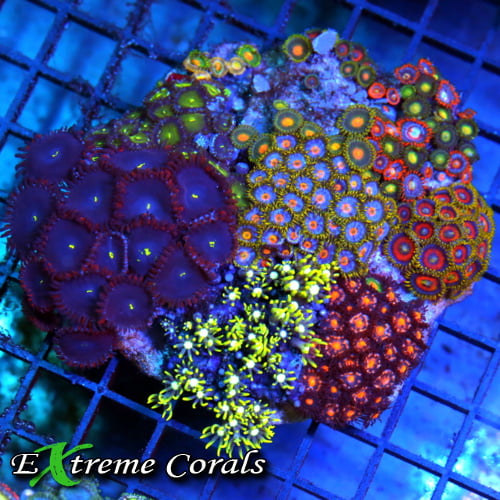
Soft corals, such as mushrooms and zoanthids, are usually low-maintenance and excellent for beginners.
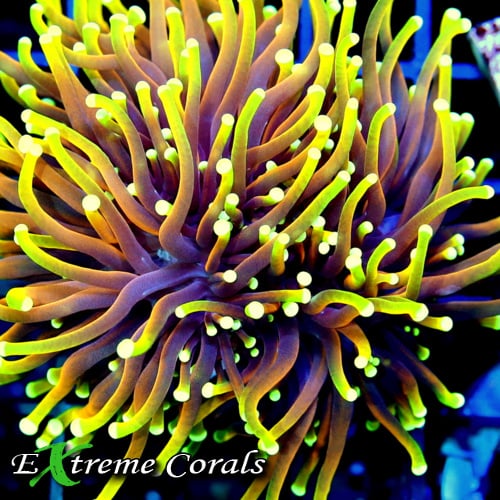
LPS corals, such as Hammer and Torch corals, are colorful and often grow well in stable beginner-friendly systems.
Starting with easier corals gives you room to build confidence before moving into more sensitive and demanding species.
Feeding and Nutrition for Live Corals
Many live corals obtain much of their energy through photosynthesis, but some also benefit from supplemental feeding. Feeding can support better growth, color, and tissue health when done correctly.
- Feed sparingly to avoid water quality problems
- Use coral-specific foods when appropriate
- Target feed LPS corals if they respond well to direct feeding
- Watch coral appearance for signs that nutrition may need improvement
Overfeeding is one of the most common beginner mistakes. Feeding should support coral health without driving nutrients too high.
Water Quality and Maintenance Tips
Strong coral care depends on strong maintenance habits. A stable reef tank is usually a clean, well-monitored reef tank.
- Test salinity, temperature, pH, ammonia, nitrate, and phosphate regularly
- Perform regular water changes
- Use a protein skimmer if appropriate for your setup
- Maintain proper water flow to prevent dead spots
- Use reliable filtration
- Watch nutrient levels to prevent nuisance algae issues
Beginners often focus too much on buying new corals and not enough on keeping the environment stable. The environment matters first.
Common Challenges and Solutions
Even beginner corals can struggle if the basics are not right. Some of the most common issues include:
High Nutrients and Algae
Too many nutrients can encourage algae growth that irritates or smothers corals. Better nutrient control and regular maintenance usually help.
Improper Lighting
Too much or too little light can affect coral color and health. Always match the coral to your lighting system.
Water Parameter Swings
Corals do not like unstable temperature, salinity, or chemistry. Stability is often more important than chasing perfect numbers.
Pests
Pests such as flatworms or Aiptasia can become a problem if new corals are not inspected carefully before introduction.
Coral Propagation Basics
As corals grow, many can be propagated by fragmentation. This means taking a healthy piece of coral and attaching it to a new base so it can grow into its own colony.
Propagation methods vary depending on the coral, but the basics usually include:
- Using clean, sharp tools
- Handling coral gently
- Providing stable healing conditions
- Allowing frags to attach securely before moving them
Propagation is something many reef keepers explore later, once they have more experience and healthy coral growth in the tank.
Handling Live Corals With Care
Corals should always be handled gently to avoid physical damage and unnecessary stress.
- Touch them as little as possible
- Move them slowly and carefully
- Keep hands clean before touching them
- Use gloves when appropriate
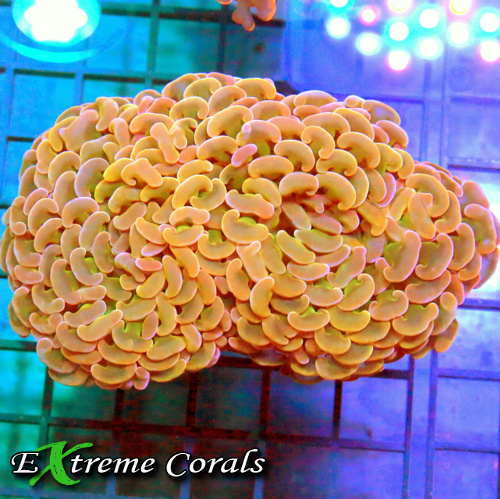
Careful handling can make a major difference, especially with fleshy LPS corals and delicate soft corals.
Best Beginner Habits for Long-Term Success
If you are new to coral care, these habits will help more than anything else:
- Keep water parameters stable
- Research each coral before buying it
- Start with beginner-friendly species
- Do regular maintenance
- Watch corals daily for signs of stress
- Be patient and avoid rushing changes
The most successful beginner reef keepers are usually not the ones who buy the rarest corals first. They are the ones who master consistency.
Related Coral Guides You May Also Like
If you are learning how to care for live corals, these related guides may also help:
- Coral care guide
- LPS vs SPS coral guide
- Coral health signs guide
- How to acclimate new corals
- Browse new arrival corals
Ready to start building a thriving reef tank? Browse our new arrival corals and choose healthy options that fit your experience level and aquarium setup.
Final Thoughts
Caring for live corals becomes much easier when you focus on the fundamentals: stable water, appropriate lighting, good flow, thoughtful placement, and beginner-friendly species. Once those basics are in place, your corals are much more likely to open, grow, and show the beauty that makes reefkeeping so rewarding.
Frequently Asked Questions
Q: What are the best live corals for beginners?
A: Soft corals and many LPS corals are usually the best starting point because they are often more forgiving than SPS species.
Q: Do live corals need feeding?
A: Many rely heavily on photosynthesis, but some benefit from supplemental feeding depending on the species.
Q: What is the most important part of coral care?
A: Stable water quality is one of the most important foundations for healthy corals.
Q: Can beginners keep SPS corals?
A: They can, but SPS corals are usually more demanding and are often better after you gain experience with easier species.
Q: How do I know if my coral is unhappy?
A: Watch for color loss, retraction, poor expansion, tissue recession, or lack of growth.
About the Author
Scott Shiles is the owner of ExtremeCorals.com, which he has operated for over 25 years and is recognized as one of the early dedicated live coral websites on the internet. A lifelong reef keeper since 1984, Scott has decades of hands-on experience maintaining marine aquariums and previously owned and operated a brick and mortar aquarium retail store for 10 years, including five years alongside Extreme Corals. He holds a degree in Marine Biology and has personally selected and sold hundreds of thousands of live corals. An avid scuba diver who has explored reef systems around the world, Scott shares practical coral care and husbandry knowledge based on real world reef experience.
overall rating:
my rating:
log in to rate
Please log in to leave a comment.
For more information visit: additional resources