My Cart: 0 item(s)

Extreme Corals News and Updates
Top 10 Best Corals for First-Time Reefkeepers in 2026
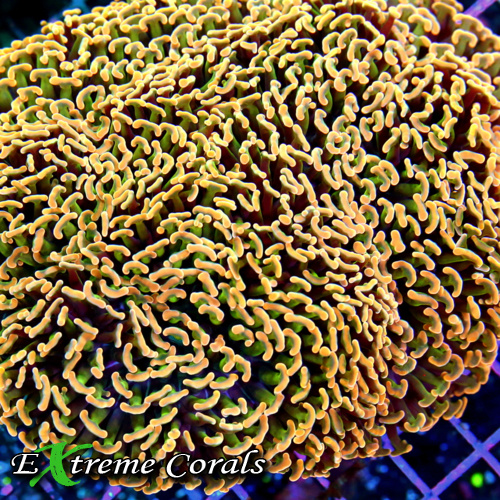
Explore 10 hardy beginner corals for new reef tanks, including soft corals and LPS corals that offer color, movement, manageable care, and strong early success.
Discover the best beginner corals for first-time reef keepers, including hardy soft corals and LPS corals that offer color, movement, and manageable care.
by Scott Shiles • May 14, 2026
Zoanthids Coral Care, SPS Coral Care, LPS Coral Care, Soft Corals Care, All Corals
Looking for beginner-friendly corals? Browse our new coral frags, zoanthids for sale, and LPS corals for sale to find hardy, colorful options that are ideal for first reef tanks.
The best corals for beginner reef tanks are hardy, adaptable, and visually rewarding. This guide covers 10 of the best beginner corals for first-time reefkeepers, including soft corals and LPS corals that are easier to maintain while still bringing strong color, movement, and growth to a saltwater aquarium.
Starting a reef tank is exciting, but coral selection can make or break the early experience. Some corals are far more forgiving than others, which makes them better choices for newer hobbyists still learning lighting, flow, water chemistry, and placement. Choosing beginner-friendly corals can help you build confidence while creating a healthy and attractive reef.
Why Choose Beginner-Friendly Corals?
First-time reefkeepers do best with corals that can handle minor swings in water conditions and adapt to a range of tank setups. Hardy corals give you room to learn while still rewarding you with growth, movement, and color. If you are still getting familiar with coral categories, learn more about coral types and care guidelines to better understand which species fit your reef goals.
Here are 10 of the best beginner corals for 2026, chosen for their ease of care, attractive appearance, and consistent performance in home reef aquariums.
Green Star Polyps
Why It’s Great for Beginners:
Green star polyps are one of the easiest soft corals to keep. They grow quickly, tolerate a wide range of water conditions, and add constant motion to the reef with their bright green polyps.
Care Tips:
- Lighting: Moderate to high.
- Flow: Moderate to strong to keep the polyps extended and clean.
- Placement: Best placed on an isolated rock because they can spread quickly.
Zoanthids
Why It’s Great for Beginners:
Zoanthids are popular beginner corals because they are adaptable, colorful, and available in a huge range of patterns. They are easy to place, easy to grow, and work well in many reef setups.
Care Tips:
- Lighting: Moderate to high.
- Flow: Low to moderate.
- Placement: Mid-level rocks or frag plugs with room to spread.
You can also read our full zoanthid care guide if you want to learn more about growth, placement, and long-term care.
Mushroom Corals
Why It’s Great for Beginners:
Mushroom corals are among the most forgiving corals in the hobby. They do well in lower light, tolerate a wider nutrient range than many corals, and are excellent for reefkeepers just starting out.
Care Tips:
- Lighting: Low to moderate.
- Flow: Low to moderate.
- Placement: Bottom areas, lower rockwork, or partially shaded spots.
If you enjoy mushroom corals, browse our ricordea mushrooms for colorful beginner-friendly options.
Leather Corals
Why It’s Great for Beginners:
Leather corals, including toadstools and finger leathers, are durable soft corals that adapt well to a range of reef conditions. They add height, texture, and natural movement to the aquarium.
Care Tips:
- Lighting: Moderate to high.
- Flow: Moderate, indirect flow.
- Placement: Mid to upper levels with room for expansion.
For a closer look at one of the best beginner leather corals, read our toadstool leather coral care guide.
Pulsing Xenia
Why It’s Great for Beginners:
Pulsing Xenia is famous for its rhythmic pulsing motion and quick growth. It can be a great confidence-building coral for new reef keepers who want visible movement and fast response.
Care Tips:
- Lighting: Moderate to high.
- Flow: Low to moderate so the pulsing action remains visible.
- Placement: Isolated rock if possible, because it can spread quickly.
You can also learn more about Xenia coral care and placement.
Duncan Coral
Why It’s Great for Beginners:
Duncan corals are one of the most beginner-friendly LPS corals. They are hardy, attractive, and usually show clear feeding responses, which makes them fun and rewarding for new hobbyists.
Care Tips:
- Lighting: Moderate.
- Flow: Moderate, indirect flow.
- Placement: Bottom to mid-level of the tank with room around each head.
Candy Cane Coral
Why It’s Great for Beginners:
Candy cane coral is a hardy LPS coral that adapts well to many reef tanks. It offers strong color, visible polyp expansion, and reliable growth when kept in stable water conditions.
Care Tips:
- Lighting: Moderate.
- Flow: Moderate.
- Placement: Middle to lower areas with room for new heads to form.
Hammer Coral
Why It’s Great for Beginners:
Hammer coral is one of the most popular beginner LPS corals because it combines movement, strong color, and relatively forgiving care requirements. It is often one of the first branching Euphyllia corals hobbyists try.
Care Tips:
- Lighting: Moderate to moderately high.
- Flow: Low to moderate, indirect flow.
- Placement: Bottom to mid-level with enough room to avoid contact with nearby corals.
If you want more detail, read our hammer coral care guide.
Clove Polyps
Why It’s Great for Beginners:
Clove polyps are soft corals with feathery polyps that add texture and gentle motion to the tank. They are generally easy to care for and do well in a variety of beginner reef systems.
Care Tips:
- Lighting: Moderate.
- Flow: Low to moderate.
- Placement: Rocks or isolated areas where spread can be managed.
You can learn more about clove polyps here.
Kenya Tree Coral
Why It’s Great for Beginners:
Kenya tree coral is a classic beginner soft coral because it is resilient, adaptable, and tolerant of less-than-perfect conditions. It grows easily and can help new hobbyists build confidence early on.
Care Tips:
- Lighting: Low to moderate.
- Flow: Moderate.
- Placement: Mid-level areas with room for growth and possible new branches.
How to Care for Beginner Corals
- Keep Water Parameters Stable: Salinity, temperature, alkalinity, calcium, and nutrients should stay as consistent as possible.
- Match Lighting and Flow to the Coral: Different corals have different needs, so placement matters.
- Start Small: Begin with a few hardy corals instead of filling the tank too fast.
- Observe Daily: Coral extension, color, and tissue health can tell you a lot about how the tank is performing.
- Use Good Reefkeeping Basics: Reliable equipment and consistent testing make beginner success much easier.
For more foundational guidance, learn more about coral lighting and read our reef flow guide.
Soft Corals vs LPS Corals for Beginners
Many first-time reefkeepers do best starting with soft corals like zoanthids, mushrooms, leather corals, and Xenia because they are usually more forgiving. LPS corals like Duncan, candy cane, and hammer coral can also be excellent beginner choices once your tank is stable. In most cases, SPS corals are better saved for later as your experience grows.
Shop Beginner-Friendly Corals
If you are ready to start your first reef tank, browse our new arrival corals, beginner-friendly coral frags, and featured corals for sale to find colorful pieces that fit a new reef setup.
Frequently Asked Questions
Q: What is the easiest coral for a beginner reef tank?
A: Zoanthids, mushroom corals, green star polyps, and Kenya tree coral are all considered among the easiest corals for beginners.
Q: Are LPS corals good for beginners?
A: Some LPS corals, including Duncan coral, candy cane coral, and hammer coral, are very good beginner choices once the tank is stable.
Q: Should beginners start with SPS corals?
A: Most beginners should start with soft corals and a few hardy LPS corals before moving into SPS corals, which usually require more stability and stronger lighting.
Q: How many corals should I add to a new reef tank at once?
A: It is usually best to start with a small number of hardy corals and add more gradually as the tank matures and remains stable.
Q: What is the most important part of coral care for beginners?
A: Stability is the most important factor. Keeping salinity, temperature, alkalinity, and nutrients consistent will do more for coral health than chasing perfect numbers.
Start Your Reef Journey with Confidence
Building your first reef tank should be exciting, not frustrating. By starting with hardy, adaptable corals, you give yourself the best chance to learn the basics while still enjoying strong color, movement, and visible growth. Beginner-friendly corals can help you create a reef that looks great now and sets the foundation for long-term success.
Ready to get started? Explore our collection of beginner-friendly corals at ExtremeCorals.com and begin building your reef with confidence.
About the Author
Scott Shiles is the owner of ExtremeCorals.com, which he has operated for over 25 years and is recognized as one of the early dedicated live coral websites on the internet. A lifelong reef keeper since 1984, Scott has decades of hands-on experience maintaining marine aquariums and previously owned and operated a brick and mortar aquarium retail store for 10 years, including five years alongside Extreme Corals. He holds a degree in Marine Biology and has personally selected and sold hundreds of thousands of live corals. An avid scuba diver who has explored reef systems around the world, Scott shares practical coral care and husbandry knowledge based on real world reef experience.
overall rating:
my rating:
log in to rate
Please log in to leave a comment.
For more information visit: additional resources