My Cart: 0 item(s)

Extreme Corals News and Updates
Reef Tank Cleanup Crew Guide: Best Invertebrates for Algae, Detritus and Sand Care
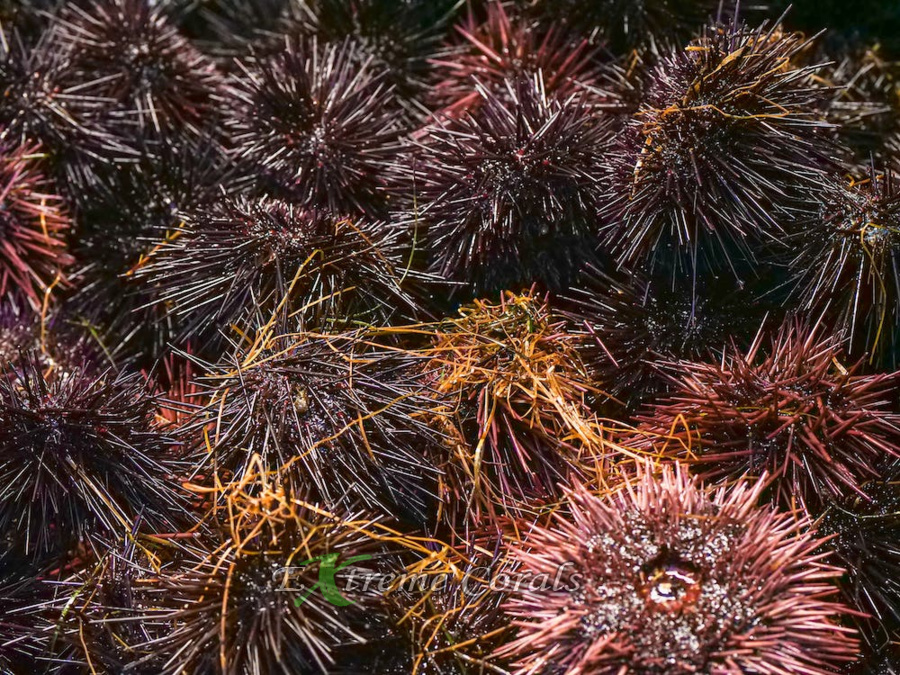
Learn which snails, hermit crabs, shrimp, urchins, starfish, and other reef-safe invertebrates can help maintain a cleaner reef tank, control algae, process detritus, support the sandbed, and protect coral health.
Learn the best reef tank cleanup crew invertebrates, including snails, hermit crabs, shrimp, urchins, starfish, algae grazers, sand sifters, detritus eaters, and stocking tips.
by Scott Shiles • April 29, 2026
Reef Tank Maintenance, All Corals
A good reef tank cleanup crew can make a major difference in how stable, clean, and manageable your aquarium feels day to day. Snails, hermit crabs, shrimp, urchins, starfish, and other invertebrates all play different roles in a reef system. Some graze algae, some stir sand, some eat leftover food, and some help break down detritus before it becomes a bigger water quality problem.
A cleanup crew is not a replacement for good maintenance, proper feeding, water changes, filtration, and stable reef chemistry. It is a support system. The best results come from choosing the right invertebrates for the actual job your tank needs, rather than adding random animals and hoping they solve every problem.
At Extreme Corals, we look at cleanup crews as part of the larger reef tank foundation. Healthy corals need clean but biologically active water, stable nutrients, good flow, and a balanced ecosystem. This guide explains the best invertebrates and cleanup crew animals to add to a reef tank, what each one does, how to avoid overstocking, and how to choose reef-safe options that work with your corals and fish.
What Is a Reef Tank Cleanup Crew?
A reef tank cleanup crew is a group of invertebrates added to help manage algae, leftover food, detritus, film buildup, and sandbed debris. These animals are not just decorative. They help fill natural roles in the aquarium and can make the reef more stable when stocked correctly.
Common cleanup crew animals include:
- Snails for algae, film, detritus, and sandbed cleanup
- Hermit crabs for scavenging leftover food and picking at algae
- Shrimp for scavenging, fish cleaning behavior, and pest control in some cases
- Urchins for stronger algae grazing
- Starfish for sandbed movement and detritus processing in certain systems
- Conchs and other sandbed grazers for larger, mature tanks
The best cleanup crew is matched to the tank’s size, maturity, algae type, fish load, coral layout, and feeding routine. A new reef tank with diatoms needs a different cleanup crew than a mature tank with hair algae, detritus pockets, or a large sandbed.
Why Cleanup Crews Matter in Reef Aquariums
Reef tanks are closed systems. Uneaten food, fish waste, algae growth, and detritus can collect in rockwork, sand, and low-flow areas. If these materials are not managed, they can contribute to nitrate and phosphate buildup, algae problems, poor water clarity, and coral irritation.
A well-planned cleanup crew can help:
- Reduce algae on glass, rock, and surfaces
- Eat leftover food before it decays
- Stir and clean the upper layer of sand
- Process detritus in hard-to-reach areas
- Support a more natural reef ecosystem
- Reduce some routine maintenance pressure
- Help keep coral bases and rockwork cleaner
The goal is not to add as many cleanup animals as possible. Overstocked cleanup crews can starve once algae and food are reduced. A balanced cleanup crew should match the amount of available food in the tank.
Start With the Problem You Are Trying to Solve
Before buying cleanup crew invertebrates, identify the actual issue in your tank. Different animals specialize in different jobs, and no single cleanup crew animal handles everything.
| Tank Issue | Helpful Cleanup Crew Options |
|---|---|
| Film algae on glass and rock | Trochus snails, astrea snails, cerith snails |
| Diatoms in newer tanks | Trochus snails, cerith snails, nassarius snails for sand cleanup |
| Leftover food | Nassarius snails, hermit crabs, cleaner shrimp |
| Sandbed debris | Nassarius snails, conchs, select sand-sifting starfish in mature tanks |
| Hair algae pressure | Urchins, some hermit crabs, trochus snails, manual removal plus nutrient control |
| Aiptasia concerns | Peppermint shrimp in some cases, with correct species selection |
Cleanup crews work best when paired with good reefkeeping habits. If algae is caused by excess nutrients, poor source water, overfeeding, or weak flow, invertebrates can help manage the symptoms, but the root cause still needs to be fixed.
Best Snails for a Reef Tank Cleanup Crew
Snails are usually the foundation of a reef tank cleanup crew. They are reef-safe, useful, and available in several types that perform different jobs. A good snail mix often works better than relying on one species.
Trochus Snails
Trochus snails are one of the best all-around cleanup crew choices for reef aquariums. They graze film algae, diatoms, and light algae growth on rock and glass. They are also popular because many can right themselves if they fall over, which makes them more practical than some other snails.
Nassarius Snails
Nassarius snails are excellent scavengers for sandbed areas. They often stay hidden in the sand until food is detected, then emerge quickly to eat leftover meaty foods and organic material. They are not major algae grazers, but they are very useful for cleaning up leftover food before it decays.
Cerith Snails
Cerith snails are useful because they graze film algae and can also work around sand and rock surfaces. They are smaller than many other cleanup snails, which helps them reach tighter areas in the aquascape.
Astrea Snails
Astrea snails are good algae grazers, especially for glass and rock surfaces. The main drawback is that they may have trouble righting themselves if they fall upside down. In a reef tank with active hermits or strong flow, fallen astrea snails may need help.
Turbo Snails
Turbo snails are strong algae grazers and can be helpful when a tank has heavier algae growth. They are larger and stronger than many other snails, so they may knock over loose frags or small corals if the aquascape is not secure.
Hermit Crabs: Helpful Scavengers With Some Caution
Hermit crabs can be useful cleanup crew animals because they scavenge leftover food, pick at algae, and work through rockwork and sand. Scarlet hermit crabs and blue-legged hermits are common choices in reef tanks.
Hermit crabs can help with:
- Eating leftover food
- Picking at algae and film
- Cleaning around rock crevices
- Turning over small bits of sand and rubble
- Adding natural activity to the reef tank
The caution with hermit crabs is that they may bother snails, especially if empty shells are not available. Some hermits may kill snails for their shells or compete for food. To reduce problems, add extra empty shells of different sizes and avoid overstocking hermits in small tanks.
Hermits are best used as part of a balanced cleanup crew, not as the only cleanup solution.
Cleaner Shrimp, Peppermint Shrimp and Fire Shrimp
Shrimp can be both useful and visually interesting in a reef tank. They are active scavengers and can help clean leftover food, but each type has a different role.
Cleaner Shrimp
Cleaner shrimp are popular because they may clean parasites or dead tissue from fish and will also scavenge leftover food. They are active, visible, and generally reef-safe. The main issue is that they may steal food from corals during target feeding, especially fleshy LPS corals.
Peppermint Shrimp
Peppermint shrimp are often added for aiptasia control, but results can vary. Correct species identification matters, and not every peppermint shrimp will reliably eat aiptasia. Some may also steal coral food. Use them as one possible tool, not a guaranteed solution.
Fire Shrimp
Fire shrimp are beautiful, bright red shrimp that can add strong visual appeal to the aquarium. They are more ornamental than some cleanup crew animals, but they still scavenge food and help add biodiversity to the system. They may hide more than cleaner shrimp, especially in bright tanks or busy aquariums.
Shrimp are best added to stable tanks with peaceful fish. Avoid keeping them with predators that may eat ornamental invertebrates.
Sea Urchins for Algae Control
Sea urchins can be excellent algae grazers in reef tanks, especially when rockwork has persistent algae growth. They scrape surfaces as they move, making them more powerful grazers than many smaller cleanup crew animals.
Common reef aquarium urchins include tuxedo urchins, pincushion urchins, and other smaller reef-suitable species. These can help with algae control, but they require planning.
Urchin benefits include:
- Strong algae grazing on rock surfaces
- Ability to reach areas snails may ignore
- Natural reef behavior and interesting movement
- Usefulness in mature tanks with enough algae growth
Urchin cautions include:
- They may knock over unsecured frags.
- They may carry small shells, rubble, or loose coral pieces on their body.
- Some species may graze coralline algae.
- They need enough food or supplemental feeding once algae is reduced.
Choose smaller reef-safe urchins and secure coral frags before adding them. Avoid large destructive species in coral-heavy aquariums.
Starfish for Sandbed and Detritus Cleanup
Some starfish can help with sandbed maintenance, but they should be chosen carefully. Sand-sifting starfish are commonly sold as cleanup crew animals because they move through the sand and consume organic material.
The important caution is that sand-sifting starfish need mature sandbeds with enough natural food. In small or newer tanks, they may slowly starve after consuming the available microfauna. They are usually better suited for larger, mature aquariums with established sandbeds.
Starfish can help with:
- Turning the upper sand layer
- Consuming detritus and organic material
- Reducing some buildup in open sand areas
- Adding natural sandbed activity
Avoid impulse buying starfish just because they are labeled as cleaners. Research the species first, because some starfish are not reef-safe and may eat corals, clams, or other invertebrates.
Conchs and Other Sandbed Cleaners
Conchs can be excellent sandbed cleanup animals in the right tank. They graze film, diatoms, and organic material on the sand surface, helping keep the sandbed cleaner and more active.
A conch is best for tanks with enough open sandbed space. In a very small tank or a tank with limited sand, it may not find enough food long term. Like other cleanup crew animals, it should be matched to the system.
Conchs are useful because they:
- Move across the sandbed actively
- Graze surface films and diatoms
- Help reduce visible sandbed buildup
- Are generally reef-safe when properly selected
For many reef tanks with open sand areas, a conch can be more useful than adding too many hermits or snails that do not specialize in sandbed work.
How Many Cleanup Crew Invertebrates Should You Add?
There is no perfect one-size-fits-all cleanup crew formula. Stocking depends on tank size, algae growth, feeding routine, fish load, nutrient levels, and whether the tank is new or mature.
A better approach is to start modestly and add more only if needed. Many beginners add too many cleanup animals at once, then some starve after the early algae phase ends.
A practical beginner approach is:
- Start with a small mixed group of snails.
- Add a few hermits only if you want scavenging and have extra shells.
- Add shrimp for scavenging, pest control, or visual interest when the tank is stable.
- Add urchins only when algae growth can support them.
- Add sand-sifting animals only when the sandbed is mature enough.
It is easier to add more cleanup crew later than to keep an oversized cleanup crew alive after the food supply runs out.
Cleanup Crew for New Reef Tanks
New reef tanks often go through diatoms, light algae phases, and nutrient changes as the system matures. A cleanup crew can help, but it should be added after the tank is cycled and livestock-safe.
Good early cleanup crew choices often include:
- Trochus snails for film algae and diatoms
- Cerith snails for rock and sand surface work
- Nassarius snails for leftover food in the sandbed
- A small number of scarlet or blue-legged hermits if desired
Avoid adding delicate or food-demanding invertebrates too early. A new tank may not have enough algae, detritus, or sandbed biodiversity to support certain animals long term.
Cleanup Crew for Mature Reef Tanks
Mature reef tanks usually have more stable food sources, more established rockwork, more detritus zones, and more predictable nutrient patterns. That can allow for a more diverse cleanup crew.
Mature tank cleanup crew options may include:
- Trochus, cerith, nassarius, astrea, and turbo snails
- Cleaner shrimp, peppermint shrimp, or fire shrimp
- Small reef-safe urchins for algae grazing
- Conchs for open sandbeds
- Select sand-sifting starfish in larger established systems
Mature tanks still need careful stocking. If nutrients are already low and algae is limited, adding too many grazers can cause starvation. Match the cleanup crew to what the tank naturally produces.
Cleanup Crew Animals to Use With Caution
Not every invertebrate sold for reef tanks is safe for every aquarium. Some animals may be useful in certain situations but risky in others.
Use caution with:
- Large hermit crabs: Some can become destructive or attack snails.
- Large urchins: They may knock over corals and move rockwork or frags.
- Sand-sifting starfish in small tanks: They may starve in immature sandbeds.
- Unknown starfish species: Some are not reef-safe.
- Some crabs: Many crabs become opportunistic and may bother corals or fish.
- Sea cucumbers: Some can release toxins if stressed or die in the tank.
When in doubt, research the exact species before adding it. A cleanup crew should solve problems, not create new ones.
Compatibility With Corals and Fish
Most cleanup crew animals are chosen because they are reef-safe, but compatibility still matters. Some fish eat shrimp, snails, crabs, or starfish. Some invertebrates may disturb coral frags or steal food from LPS corals during target feeding.
Before adding cleanup crew animals, consider:
- Will my fish eat or harass this invertebrate?
- Will this animal knock over coral frags?
- Does it have enough natural food in my tank?
- Could it bother fleshy LPS corals during feeding?
- Is it safe with zoanthids, mushrooms, SPS, soft corals, and LPS corals?
- Will it outgrow my aquarium?
A cleanup crew works best when it fits the reef tank’s livestock plan. Invertebrates are part of the ecosystem, not disposable tools.
Common Cleanup Crew Mistakes
Cleanup crews are helpful, but they are often misunderstood. Adding more animals is not always the answer, especially if the real issue is overfeeding, poor flow, excess nutrients, or weak maintenance.
Common mistakes include:
- Adding too many cleanup crew animals at once
- Choosing animals before identifying the actual tank problem
- Adding sand-sifting starfish to immature tanks
- Expecting cleanup crews to eliminate algae without nutrient control
- Not providing empty shells for hermit crabs
- Adding urchins before securing coral frags
- Ignoring compatibility with wrasses, puffers, triggers, or other predators
- Letting cleanup crew animals starve once algae is gone
The best cleanup crew plan is balanced, gradual, and specific. Start with what the tank needs, then adjust as the system matures.
A Practical Cleanup Crew Plan for Reef Tanks
For most home reef aquariums, a practical cleanup crew is built in layers. Start with snails, then add specialized animals only when needed.
A balanced plan may include:
- Foundation grazers: Trochus, cerith, astrea, or turbo snails depending on algae level
- Sandbed scavengers: Nassarius snails and possibly a conch in tanks with enough sand
- Rockwork scavengers: A small number of hermit crabs with spare shells
- Visual and scavenging support: Cleaner shrimp or fire shrimp in peaceful tanks
- Algae pressure support: A small reef-safe urchin if algae growth is enough
- Mature sandbed support: Sand-sifting starfish only in larger, established systems
This layered approach avoids overstocking and lets you respond to the tank’s real needs over time.
Cleanup Crews Still Need Good Reefkeeping
A cleanup crew can help maintain a cleaner reef tank, but it cannot fix poor husbandry by itself. If algae keeps returning, detritus keeps building up, or nutrients remain high, the root cause needs attention.
Support your cleanup crew with:
- Proper feeding habits
- Good water flow through the aquascape
- Regular water testing
- Appropriate water changes
- Mechanical filtration maintenance
- Protein skimming when appropriate
- Manual algae removal when needed
- Stable nitrate and phosphate management
A cleanup crew works best when the aquarist is already maintaining the system well. Think of invertebrates as helpers, not replacements for routine care.
Related Corals You May Also Like
A strong cleanup crew helps support the stable environment that corals need. If you are building or improving your reef tank, these coral categories and care guides can help you choose livestock that matches your system:
- New Arrival Corals - Browse recently added WYSIWYG corals for your reef aquarium.
- Large Polyp Stony Corals - Explore colorful LPS corals that benefit from stable water quality and clean placement areas.
- SPS Corals - View small-polyp stony corals that need strong stability, clean water, and balanced nutrients.
- Soft Corals - Browse hardy soft corals that thrive in balanced, mature reef systems.
- Zoanthids - Add colorful polyps that benefit from clean rockwork and controlled algae.
- How to Maintain Your Saltwater Aquarium - Learn routine maintenance habits that support both corals and cleanup crews.
Shop Corals for a Cleaner, Healthier Reef Tank
A good cleanup crew helps maintain the foundation of a reef tank, but coral selection still matters. Choosing healthy corals that match your lighting, flow, nutrient level, and experience level gives your reef a stronger chance of long-term success.
Browse new arrival corals, LPS corals, SPS corals, soft corals, and zoanthids at ExtremeCorals.com to find pieces that fit your reef aquarium and long-term goals.
Frequently Asked Questions About Reef Tank Cleanup Crews
What is the best cleanup crew for a reef tank?
The best cleanup crew depends on the tank’s needs. Trochus, cerith, nassarius, and astrea snails are good foundation choices. Hermit crabs, shrimp, urchins, conchs, and select starfish can be added based on algae, detritus, sandbed, and scavenging needs.
When should I add a cleanup crew to a new reef tank?
Add cleanup crew animals after the tank is cycled and safe for livestock. Start with a small group and increase gradually as algae, detritus, and food availability increase.
Do cleanup crews eat all algae?
No cleanup crew eats every type of algae or solves algae problems alone. Cleanup crews can help manage algae, but nutrient control, flow, manual removal, source water quality, and feeding habits are also important.
Are hermit crabs reef-safe?
Many small hermit crabs are generally reef-safe, but they can bother snails or steal shells if extra shells are not available. Use them in moderation and provide empty shells.
What snails are best for reef tanks?
Trochus snails are excellent all-around algae grazers. Nassarius snails are useful sandbed scavengers. Cerith snails work well on rock and sand surfaces, while astrea and turbo snails can help with algae on rock and glass.
Are sea urchins safe in reef tanks?
Many small reef-safe urchins can be useful algae grazers, but they may knock over loose frags or carry small objects. They are best for mature tanks with enough algae and secure coral placement.
Do sand-sifting starfish belong in every reef tank?
No. Sand-sifting starfish are best for larger, mature tanks with established sandbeds. In small or new tanks, they may not find enough natural food and can slowly starve.
Can cleanup crew invertebrates bother corals?
Some can. Urchins may knock over unsecured frags, hermits may climb across corals, and shrimp may steal food from LPS corals during target feeding. Proper stocking and observation help prevent problems.
About the Author
Scott Shiles is the owner of ExtremeCorals.com, which he has operated for over 25 years and is recognized as one of the early dedicated live coral websites on the internet. A lifelong reef keeper since 1984, Scott has decades of hands-on experience maintaining marine aquariums and previously owned and operated a brick and mortar aquarium retail store for 10 years, including five years alongside Extreme Corals. He holds a degree in Marine Biology and has personally selected and sold hundreds of thousands of live corals. An avid scuba diver who has explored reef systems around the world, Scott shares practical coral care and husbandry knowledge based on real world reef experience.
overall rating:
my rating:
log in to rate
Please log in to leave a comment.
For more information visit: additional resources