My Cart: 0 item(s)

Extreme Corals News and Updates
Find the Right Coral for Your Reef Tank: Best Picks for Nano, Mixed, SPS and LPS Setups
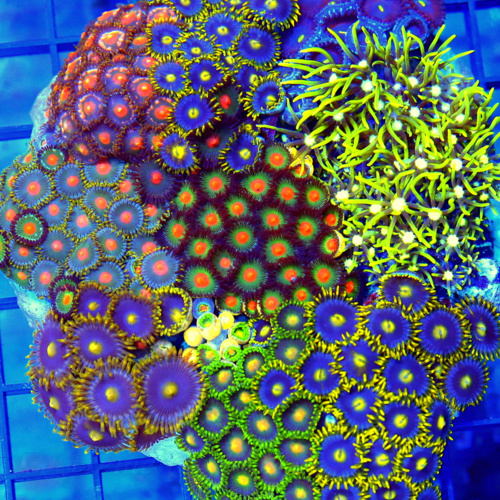
Discover the Best Corals for Your Setup: Whether You Have a Nano, Mixed, or SPS-Dominant Tank
Choosing the right coral for your reef tank can be overwhelming. This guide breaks down the best corals for different setups—whether you have a nano tank, mixed reef, or SPS/LPS-dominant system. Find the perfect coral and start building your dream reef today.
by Scott Shiles • May 12, 2026
Reef Tank Maintenance, All Corals, Reef Tank Equipment
Choosing the best coral for your tank starts with understanding your setup, not just picking what looks good online. The right coral for a nano reef, mixed reef, SPS system, or LPS-dominant tank depends on lighting, flow, stability, aggression, and the amount of space you have available. This guide will help you match coral types to the kind of reef tank you actually run so you can build a healthier, more successful system.
One of the biggest mistakes in reef keeping is buying corals based only on color or price without thinking about whether the tank can support them long term. Some corals stay compact and forgiving, while others grow quickly, need stronger lighting, or can sting nearby neighbors. Matching the coral to the tank is one of the smartest ways to avoid frustration and create a reef that looks better over time.
Looking for the right coral for your setup? Browse our new arrival corals and explore healthy, colorful options for different reef tank styles.
How to Choose the Best Coral for Your Reef Tank
The best coral for your reef tank depends on more than just appearance. Before choosing coral, think about your tank’s lighting, flow, maturity, available space, and how much maintenance you want to take on.
- Tank size: Smaller tanks need more careful coral choices
- Lighting strength: Some corals need moderate light, while SPS often need more
- Water flow: Some corals prefer gentle swaying, while others need stronger movement
- Aggression: Certain LPS corals can sting nearby tankmates
- Experience level: Some corals are much easier for beginners than others
If you match the coral to the system from the beginning, it is much easier to build a reef that stays healthy and attractive long term.
Best Corals for Nano Tanks
Nano reef tanks can be beautiful, but they offer less room for error. Corals for smaller systems should generally be hardy, adaptable, and manageable in size. Fast-growing or highly aggressive corals can become more difficult to control in compact tanks.
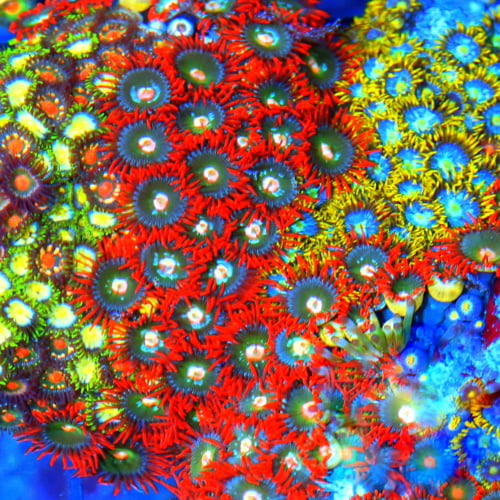
Good Coral Choices for Nano Tanks
- Zoanthids: Colorful, fast-growing, and easy to place
- Mushroom corals: A great fit for lower-light, lower-flow zones
- Green Star Polyps: Hardy and visually active, though best isolated
- Ricordea Florida: Bright, attractive mushrooms that work well in smaller systems
- Duncan coral: A beginner-friendly LPS coral with strong movement
What Works Best in a Nano Tank
- Moderate lighting
- Low to moderate flow
- Corals that stay manageable in size
- Species that are less likely to dominate the whole tank quickly
Nano reef tanks reward simple, thoughtful coral selection. Corals that are too aggressive, too large, or too demanding can make a small tank much harder to manage.
Best Corals for a Mixed Reef Tank
A mixed reef tank usually includes a blend of soft corals, LPS corals, and at least a few SPS corals. This is one of the most popular reef styles because it offers variety in shape, movement, and color. It also requires better planning because different coral types want different flow, lighting, and spacing.
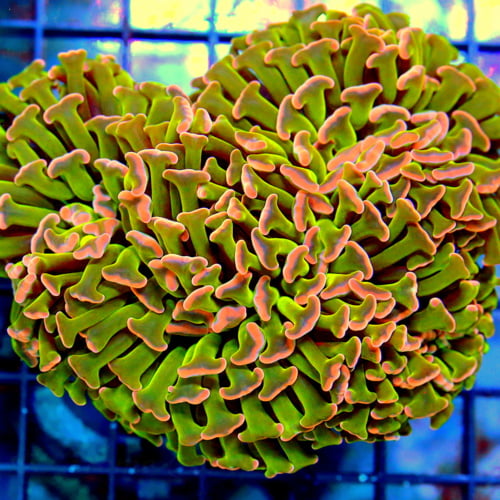
Good Coral Choices for a Mixed Reef
- Hammer coral: Strong movement and a classic centerpiece coral
- Acans: Colorful, fleshy, and well suited to lower placement zones
- Montipora: One of the more approachable SPS corals for a stable mixed reef
- Leather corals: Hardy soft corals that adapt well in many systems
- Zoanthids and palythoas: Bright colonies that help fill in the reef visually
What Works Best in a Mixed Reef
- Moderate to moderately high lighting
- Balanced flow with different zones in the tank
- Thoughtful spacing between aggressive corals
- A stable mature system with room for coral growth
A mixed reef can be one of the most rewarding styles of reef tank, but success depends on placing corals in the right micro-environments rather than treating the whole tank the same way.
Best Corals for an SPS-Dominant Tank
SPS-dominant tanks are built around small polyp stony corals that usually need stronger lighting, stronger water movement, and tighter parameter stability. These systems can be stunning, but they are generally better suited for reef keepers with more experience or a more mature setup.
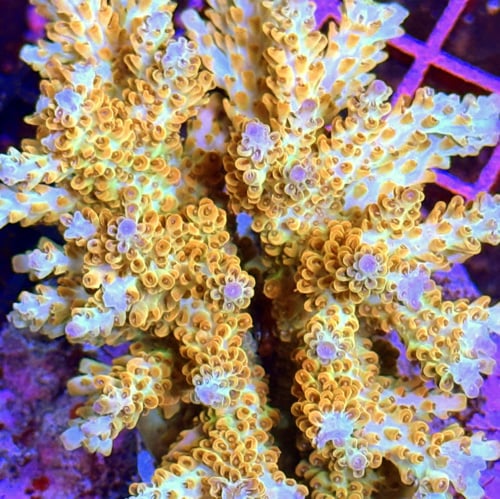
Good Coral Choices for an SPS Tank
- Acropora: One of the most sought-after SPS groups for color and branching structure
- Montipora: A useful SPS option for adding plating or encrusting growth
- Birdsnest coral: Fast-growing and visually delicate
- Pocillopora: A strong SPS option for filling space and adding structure
- Stylophora: Colorful and often considered a more approachable SPS starter coral
What Works Best in an SPS Tank
- High-intensity lighting
- Strong randomized flow
- Stable alkalinity, calcium, and salinity
- A mature system with consistent maintenance
SPS tanks usually reward precision. If your system is not yet stable, SPS corals may not be the best first choice even if they are the most visually tempting.
Best Corals for an LPS-Dominant Tank
LPS corals are often easier than SPS corals while still offering excellent movement, color, and visual impact. They are one of the best categories for reef keepers who want standout corals without the same level of intensity required by many SPS systems.
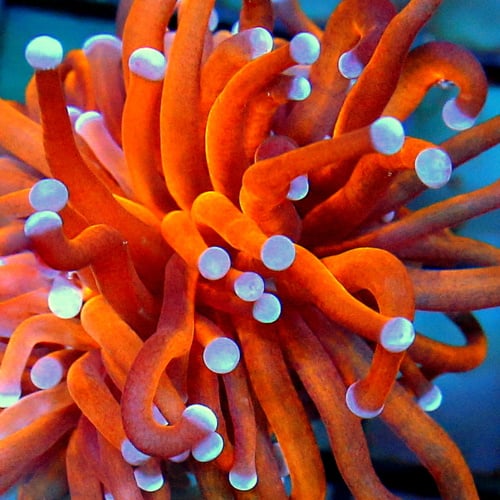
Good Coral Choices for an LPS Tank
- Torch coral: A showpiece coral with long flowing tentacles
- Frogspawn coral: A classic Euphyllia option with strong movement
- Candy cane coral: Hardy, colorful, and relatively easy to keep
- Bubble coral: A distinct coral with large inflated tissue
- Acan lords: Colorful fleshy corals that do well in lower-light areas
What Works Best in an LPS Tank
- Moderate lighting
- Moderate to low flow depending on species
- Enough space to avoid stinging between corals
- Stable water chemistry and careful placement
LPS-dominant tanks are often a sweet spot for reef keepers who want a reef full of movement and color without building a full high-energy SPS system.
Coral Placement Tips for a Thriving Tank
No matter what type of reef tank you run, placement is one of the biggest keys to success. A coral can be healthy on paper, but still struggle if it is placed in the wrong light or the wrong flow.
- Leave room between aggressive corals such as torch, hammer, and frogspawn
- Match flow to the coral type instead of using one pattern for the whole tank
- Think about growth rate before placing fast-spreading corals
- Do not force low-light corals into bright upper-tank placement
- Use lower, mid, and upper zones intentionally
The best-looking reefs are usually built with placement in mind from the beginning, not corrected later after corals start stinging each other or growing into poor positions.
How to Match Coral to Your Experience Level
Some corals are much better than others for newer reef keepers. If you are still learning reef chemistry, flow patterns, and coral placement, it makes sense to start with more forgiving species.
- Best for beginners: Zoanthids, mushrooms, green star polyps, Duncan coral, some leather corals
- Good next step: Hammer coral, candy cane coral, acans, ricordea, some Montipora
- Better for experienced reef keepers: Acropora, more demanding SPS, aggressive or high-value specialty corals
Picking the right coral for your experience level often leads to a much better reef than buying the most advanced coral too early.
Common Mistakes When Choosing Corals
- Buying corals only based on color
- Ignoring lighting and flow needs
- Overcrowding aggressive LPS corals
- Adding demanding SPS to unstable tanks
- Choosing fast-growing corals without planning for spread
Most coral problems begin before the coral even goes in the tank. Good coral selection prevents many of the issues reef keepers try to fix later.
Related Corals and Reef Tank Topics You May Also Like
If you are trying to match the best coral to your reef tank, these related guides may also help:
- Overview of coral types and care guidelines
- Choosing the right reef tank size
- How lighting affects coral growth
- The impact of water flow on coral health
- Best fish for a coral reef tank
- New arrival corals
Ready to find the right coral for your setup? Browse our new arrival corals and explore healthy options for nano, mixed, SPS, and LPS reef tanks.
Shop Corals for Your Reef Tank
Explore our new arrival corals, LPS corals for sale, SPS corals for sale, and zoanthids for sale to find the best fit for your reef tank.
Frequently Asked Questions
Q: What is the best coral for a nano reef tank?
A: Zoanthids, mushrooms, ricordea, green star polyps, and Duncan corals are some of the best coral choices for many nano tanks.
Q: What coral is best for a mixed reef?
A: Hammer coral, acans, Montipora, leather corals, and zoanthids are strong choices for many mixed reef systems.
Q: Are SPS corals good for beginners?
A: SPS corals are usually better for more experienced reef keepers or for hobbyists with very stable systems.
Q: What is the best LPS coral for movement?
A: Torch coral, frogspawn coral, and hammer coral are among the most popular LPS corals for movement.
Q: How do I know if a coral fits my tank?
A: Start by checking your lighting, flow, tank size, stability, and available placement space before choosing the coral.
About the Author
Scott Shiles is the owner of ExtremeCorals.com, which he has operated for over 25 years and is recognized as one of the early dedicated live coral websites on the internet. A lifelong reef keeper since 1984, Scott has decades of hands-on experience maintaining marine aquariums and previously owned and operated a brick and mortar aquarium retail store for 10 years, including five years alongside Extreme Corals. He holds a degree in Marine Biology and has personally selected and sold hundreds of thousands of live corals. An avid scuba diver who has explored reef systems around the world, Scott shares practical coral care and husbandry knowledge based on real world reef experience.
overall rating:
my rating:
log in to rate
Please log in to leave a comment.
For more information visit: additional resources