My Cart: 0 item(s)

Extreme Corals News and Updates
Exploring Goniopora Coral: Types, Care, and Habitat
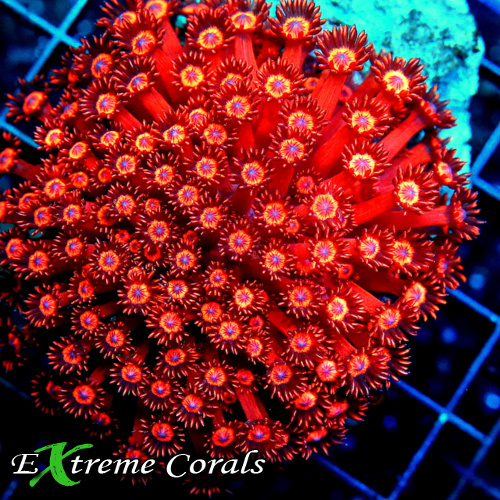
Learn how to care for Goniopora coral in a reef aquarium with practical guidance on types, habitat, lighting, flow, feeding, placement, water parameters, compatibility, and common problems.
Explore Goniopora coral care, types, habitat, lighting, flow, feeding, placement, water parameters, compatibility, and tips for long-term reef tank success.
by Scott Shiles • April 08, 2024
Goniopora coral is one of the most eye-catching large polyp stony corals in the reef aquarium hobby. Often called flowerpot coral, Goniopora is known for its long, flower-like polyps, soft movement, and bright colors that can include green, pink, red, purple, yellow, orange, and multi-color varieties. When healthy and fully extended, a Goniopora can become one of the most noticeable corals in a reef tank.
Goniopora is beautiful, but it is not a coral to treat casually. These corals need stable water quality, thoughtful placement, appropriate lighting, gentle to moderate flow, and regular nutrition. Years ago, many hobbyists considered Goniopora difficult to keep long term, but modern reef keeping, better coral sourcing, improved foods, and more stable aquarium systems have made success much more realistic.
At Extreme Corals, we look at Goniopora as a coral for reef keepers who want movement, color, and a natural reef appearance, but who are also willing to pay attention to stability. This guide explains Goniopora coral types, natural habitat, care requirements, feeding, placement, compatibility, and common problems so you can decide whether this coral is the right fit for your reef aquarium.
What Is Goniopora Coral?
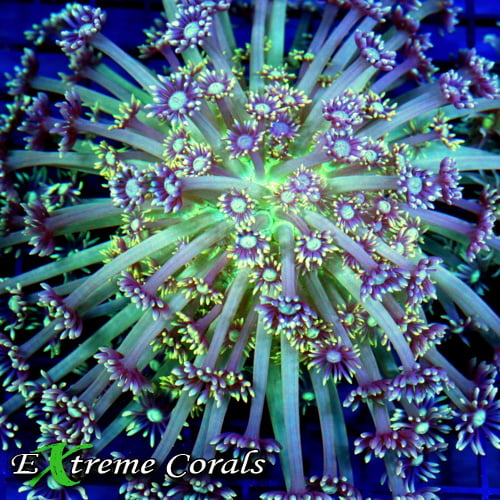
Goniopora is a large polyp stony coral, often shortened to LPS coral, with a hard calcium carbonate skeleton and long fleshy polyps that extend outward from the colony. Each polyp has a flower-like appearance, which is why Goniopora is commonly called flowerpot coral.
Unlike many fleshy LPS corals that have larger individual heads, Goniopora colonies are made up of many smaller polyps that extend together and create a soft, waving appearance in the aquarium. This gives the coral a very different look from large polyp stony corals such as brains, hammers, torches, and acans.
Healthy Goniopora should show consistent polyp extension, good tissue coverage, stable color, and a clean skeleton with no signs of recession. A newly added piece may take time to settle in, but once adjusted, it should open regularly during the day.
Common Types of Goniopora Coral
Goniopora corals come in several growth forms and colors. Understanding the general type can help you plan placement, aquascaping, and flow more effectively.
Branching Goniopora
Branching Goniopora grows with a more open, branching structure. This form can add height and dimension to a reef aquascape while creating a natural look. Because the skeleton can be more exposed in certain areas, careful placement and gentle flow are important to prevent tissue irritation.
Dome-Shaped Goniopora
Dome-shaped Goniopora forms rounded colonies that can become strong focal points in a reef tank. These corals often look best when placed where the polyps have room to extend fully without rubbing against nearby rockwork or other corals.
Plating or Encrusting Goniopora
Some Goniopora grow in flatter or more spreading formations. These can cover rock surfaces and add texture to the reef. Because they may expand outward over time, give them room and avoid placing them too close to slower-growing corals.
Color is another major reason reef keepers choose Goniopora. Green varieties are common, but red, pink, gold, purple, and multi-color Goniopora can be especially desirable. Color can be affected by lighting, nutrients, water quality, and overall coral health.
Natural Habitat of Goniopora
In the wild, Goniopora corals are commonly found in tropical reef environments, including shallow reef flats, lagoons, rubble zones, sandy reef areas, and areas with moderate water movement. Many colonies grow in places where they receive good light but are not constantly blasted by harsh current.
Their natural habitat helps explain their aquarium needs. Goniopora generally appreciate stable mineral levels, available nutrients, moderate lighting, and flow that keeps the polyps moving without damaging tissue. They also benefit from clean water that still contains enough dissolved and suspended nutrition to support healthy expansion.
In a home reef aquarium, the goal is not to copy the ocean perfectly. The goal is to give the coral a stable version of the conditions it is adapted to: enough light, enough food, enough flow, and enough consistency for the colony to stay expanded and healthy.
Goniopora Water Parameters
Stable water chemistry is one of the most important parts of Goniopora care. These corals can decline when parameters swing quickly, especially alkalinity, salinity, temperature, and nutrients.
| Parameter | Recommended Range |
|---|---|
| Temperature | 76-80°F |
| Salinity | 1.024-1.026 specific gravity |
| pH | 8.1-8.4 |
| Alkalinity | 8-10 dKH |
| Calcium | 400-450 ppm |
| Magnesium | 1250-1350 ppm |
| Nitrate | 5-15 ppm |
| Phosphate | 0.03-0.10 ppm |
Goniopora often do poorly in reef tanks that are stripped too clean. Extremely low nutrients can lead to pale color, reduced polyp extension, and slow decline. At the same time, very dirty water can fuel algae, bacterial issues, and tissue problems. The best approach is balanced nutrients, stable alkalinity, and regular testing.
Lighting Requirements for Goniopora
Goniopora usually does best under moderate reef lighting. It needs enough light to support photosynthesis, but excessive intensity can cause stress, bleaching, or poor extension, especially if the coral is moved suddenly from lower light into a brighter area.
A practical starting range for many Goniopora is moderate PAR, with placement adjusted based on how the coral responds. If the coral stays tightly closed, fades, or retracts after being placed high in the tank, the light may be too intense. If the coral stretches heavily or loses color in a shaded area, it may need more light.
Light acclimation matters. When adding a new Goniopora, start it in a moderate or slightly lower-light area and allow it to adjust before moving it higher. Sudden changes in lighting are one of the most common reasons corals become stressed after being added to a new aquarium.
Water Flow and Placement
Goniopora prefers gentle to moderate water flow. The polyps should move naturally, but they should not be whipped, flattened, or forced hard in one direction. Too much direct flow can damage tissue, reduce extension, and eventually contribute to recession.
Good placement usually means giving the coral room on the sandbed, lower rockwork, or a stable mid-level area where it receives indirect flow. The polyps should be able to extend fully without rubbing against rock, glass, or neighboring corals.
Avoid placing Goniopora in dead spots where detritus collects. Trapped debris around the base can irritate the tissue and create water quality problems. A gentle, random flow pattern is usually better than a strong direct stream.
Feeding Goniopora Coral
Goniopora benefits from regular feeding. While it can receive energy from photosynthesis, feeding helps support tissue health, color, growth, and long-term survival. In many reef tanks, Goniopora does best when it receives small particle foods rather than large chunks of food.
Good feeding options may include:
- Phytoplankton-based foods
- Zooplankton-based foods
- Small particle coral foods
- Amino acid supplements used carefully
- Fine powdered coral foods
- Liquid reef nutrition used in moderation
Feed lightly and consistently rather than heavily all at once. One to three small feedings per week can be helpful, depending on your nutrient levels and the coral’s response. Overfeeding can raise nitrate and phosphate too quickly, so watch water quality and adjust as needed.
Understanding Goniopora Polyp Extension
Polyp extension is one of the most useful clues when caring for Goniopora. A healthy coral will usually extend during the day once it has adjusted to the tank. However, extension can change from day to day depending on light, flow, feeding, fish activity, water chemistry, and recent handling.
A Goniopora that closes briefly is not always in danger. New corals may retract after shipping, dipping, relocation, or changes in lighting. The concern is when the coral stays closed for several days, begins losing tissue, shows exposed skeleton, or gradually opens less over time.
In real reef keeping, the most important pattern is consistency. If a Goniopora opened well for weeks and then suddenly stops extending, check recent changes first. Look at alkalinity, salinity, temperature, nutrients, flow direction, lighting adjustments, nearby coral aggression, and possible fish nipping.
Tank Mates and Compatibility
Goniopora can do well in mixed reef aquariums, but it needs space. Its long polyps can be irritated by neighboring corals, and some aggressive corals can sting or damage Goniopora tissue. Give it enough room to extend fully without touching other coral colonies.
Good tank mates often include peaceful reef fish and invertebrates such as:
- Clownfish
- Gobies
- Blennies
- Peaceful wrasses
- Shrimp
- Snails
- Other reef-safe fish that do not nip coral tissue
Use caution with angelfish, butterflyfish, and any fish known to pick at fleshy coral polyps. Even occasional nipping can keep Goniopora closed and lead to long-term stress.
Common Goniopora Problems and How to Fix Them
Goniopora problems usually show up through reduced polyp extension, fading color, tissue recession, algae growth around the base, or a coral that remains closed for long periods. The best response is to identify the cause instead of moving the coral repeatedly.
- Poor polyp extension: Check flow, lighting, alkalinity, salinity, fish nipping, and recent changes.
- Tissue recession: Look for unstable parameters, direct flow, bacterial issues, damage, or irritation from nearby corals.
- Faded color: Review lighting intensity, nutrient levels, and feeding routine.
- Algae around the base: Improve maintenance, reduce detritus buildup, and control excess nutrients.
- Closed polyps after placement: Allow adjustment time, but verify that flow and light are not too intense.
Avoid making multiple major changes at once. Goniopora often responds better to steady correction than sudden intervention. Test the water, observe the coral, and adjust one major factor at a time.
Is Goniopora the Right Coral for Your Reef Tank?
Goniopora can be an excellent coral for reef keepers who want movement, color, and a more natural reef look. It is especially appealing in tanks where the aquascape has room for long polyp extension and the keeper is willing to maintain consistent water quality.
This coral may be a good fit if your tank has stable parameters, moderate lighting, gentle to moderate flow, and a regular feeding routine. It may not be the best first coral for a brand-new reef tank that is still going through swings in nutrients, alkalinity, or salinity.
If you are newer to reef keeping and want easier alternatives before trying Goniopora, consider soft corals, zoanthids, or mushroom corals first. Once your tank is stable and you are comfortable testing and maintaining reef parameters, Goniopora becomes a much more realistic choice.
Related Corals You May Also Like
If you are interested in Goniopora coral, these related coral groups and guides may also help you plan a healthy, balanced reef aquarium:
- Large Polyp Stony Corals - Colorful LPS corals for reef keepers who want movement, feeding response, and structure.
- Soft Corals - Hardy options for reef keepers who want forgiving corals with movement and texture.
- Zoanthids - Bright, colorful polyps that can add contrast around LPS-focused reef aquascapes.
- Reef Tank Water Parameters - A helpful guide for understanding the chemistry stability that Goniopora and other corals need.
Shop Goniopora and LPS Corals
Goniopora coral can be a beautiful centerpiece or movement coral in the right reef aquarium. If your tank is stable and ready for a more attention-sensitive LPS coral, choosing a healthy specimen from a trusted coral source gives you a better start.
Browse LPS corals, new arrival coral colonies, and other reef tank favorites at ExtremeCorals.com to find corals that match your lighting, flow, experience level, and aquarium goals.
Frequently Asked Questions About Goniopora Coral
Is Goniopora coral hard to keep?
Goniopora can be more demanding than many beginner soft corals, but it is much more manageable in a stable reef tank. It needs steady water parameters, moderate lighting, gentle to moderate flow, and regular feeding.
Where should I place Goniopora in my tank?
Place Goniopora where it receives moderate light and gentle to moderate indirect flow. Many colonies do well on the sandbed, lower rockwork, or a stable mid-level area with enough room for full polyp extension.
How much flow does Goniopora need?
Goniopora prefers gentle to moderate flow. The polyps should move naturally, but they should not be blasted, flattened, or pushed hard in one direction. Strong direct current can damage tissue and reduce extension.
Does Goniopora need to be fed?
Yes, Goniopora benefits from regular light feeding. Small particle coral foods, phytoplankton-based foods, zooplankton-based foods, and fine reef nutrition can help support growth, color, and long-term health.
Why is my Goniopora not opening?
A Goniopora may stay closed because of recent shipping, dipping, relocation, strong flow, lighting stress, unstable parameters, low nutrients, fish nipping, or irritation from nearby corals. Check recent changes before moving it repeatedly.
Can Goniopora touch other corals?
Goniopora should be given space from other corals. Its polyps need room to extend, and nearby aggressive corals may sting or irritate the tissue. Proper spacing helps prevent stress and damage.
Is Goniopora good for beginners?
Goniopora is better for beginners who already have a stable reef tank and are comfortable testing water parameters. Brand-new reef keepers may want to start with hardier corals before adding Goniopora.
About the Author
Scott Shiles is the owner of ExtremeCorals.com, which he has operated for over 25 years and is recognized as one of the early dedicated live coral websites on the internet. A lifelong reef keeper since 1984, Scott has decades of hands-on experience maintaining marine aquariums and previously owned and operated a brick and mortar aquarium retail store for 10 years, including five years alongside Extreme Corals. He holds a degree in Marine Biology and has personally selected and sold hundreds of thousands of live corals. An avid scuba diver who has explored reef systems around the world, Scott shares practical coral care and husbandry knowledge based on real world reef experience.
overall rating:
my rating:
log in to rate
Please log in to leave a comment.
For more information visit: additional resources