My Cart: 0 item(s)

Extreme Corals News and Updates
Why Sinularia Leather Coral Is a Great Choice for Reef Tanks
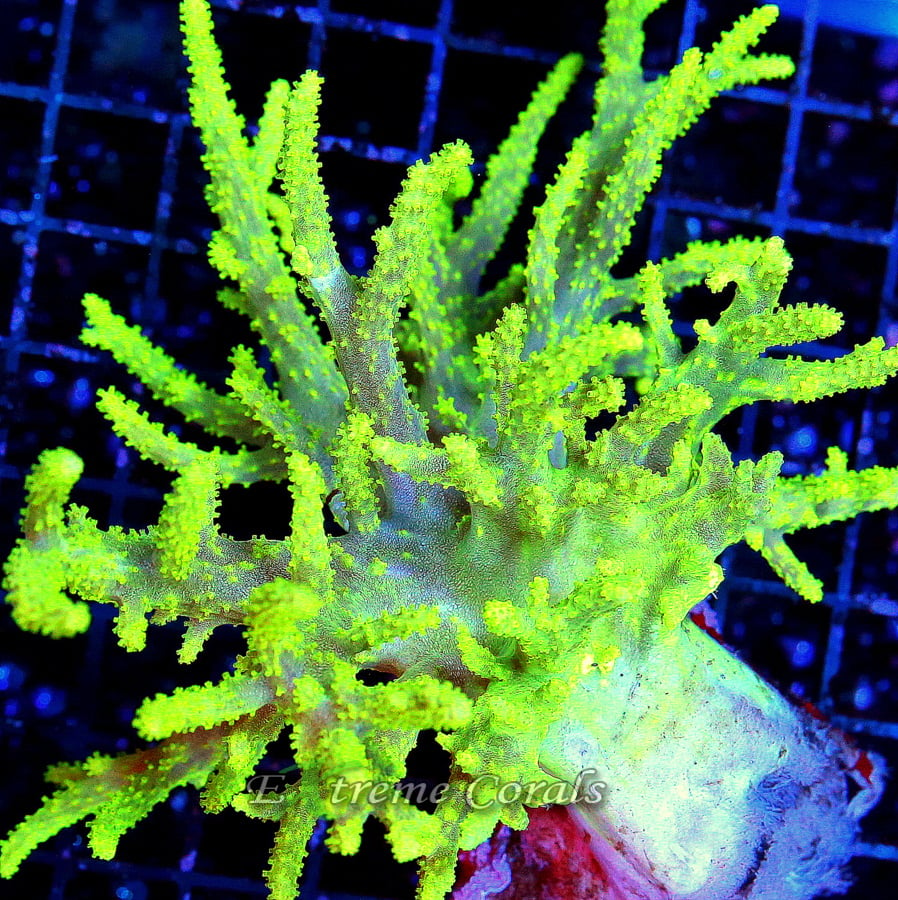
Learn why Sinularia leather coral is a great addition to reef tanks, including its appearance, beginner-friendly care, compatibility, growth habits, and aquarium benefits.
Discover the benefits of Sinularia leather coral in reef tanks, including easy care, visual appeal, compatibility, growth, and how it supports a healthy aquarium.
by Scott Shiles • May 24, 2024
Sinularia leather coral is one of the best soft corals for reef tanks because it combines strong visual appeal, beginner-friendly care, natural movement, and reliable growth in stable aquarium systems. With its branching form and soft, flexible tissue, Sinularia adds texture and motion that can make a reef tank look more natural and alive. This guide explains the main benefits of adding Sinularia leather coral to your aquarium, along with care tips, compatibility, growth behavior, and the most important things to know before bringing one home.
For many reef keepers, Sinularia is a great coral because it offers the look of a substantial reef-building colony without demanding the same level of care as many stony corals. It can work well in beginner-friendly mixed reefs, soft coral tanks, and even more mature systems that need extra motion and texture. With proper placement and stable water conditions, Sinularia can become one of the most dependable and attractive corals in the aquarium.
Looking to add hardy, colorful corals to your reef tank? Browse our new arrival coral colonies and explore healthy corals for your aquarium.
Introduction to Sinularia Leather Corals
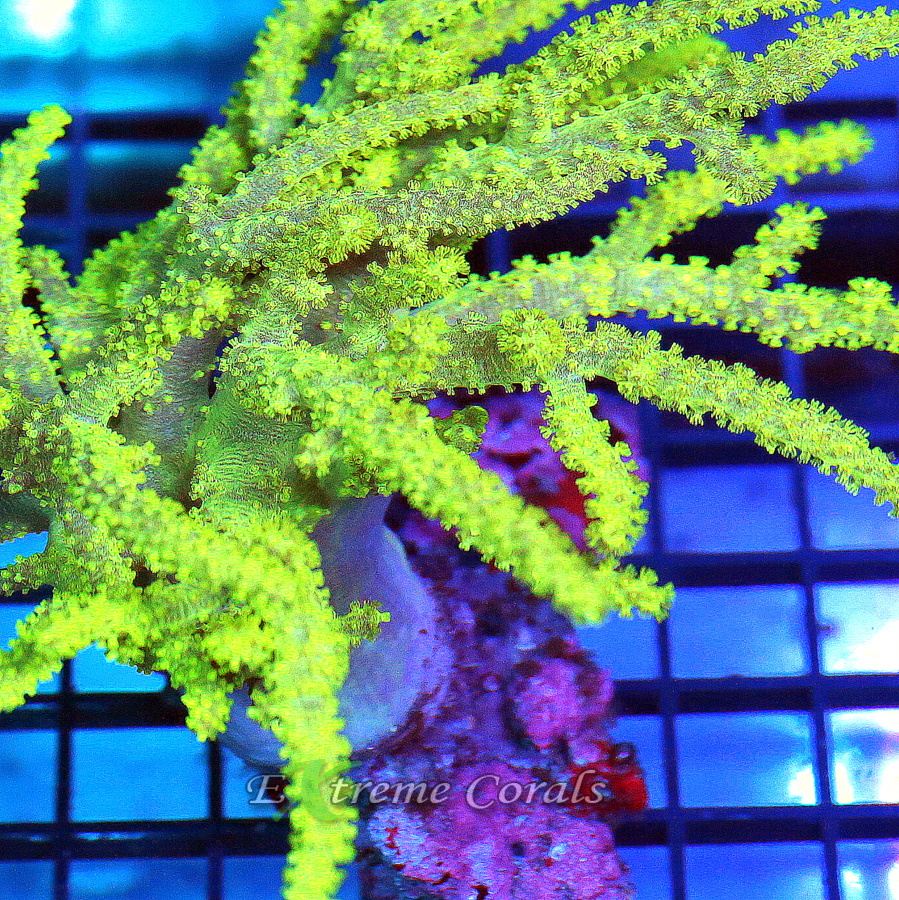
Sinularia leather corals are soft corals known for their branching shape, leather-like texture, and flexible movement in the current. They often come in shades of green, tan, brown, pink, or muted red, depending on the species and lighting conditions.
They are especially popular with reef hobbyists who want a coral that looks substantial and visually interesting without taking on the full difficulty of SPS coral care.
How Sinularia Enhances Aquarium Aesthetics
One of the biggest benefits of Sinularia leather coral is the way it changes the visual feel of a reef tank. Its branching structure creates vertical texture, while its polyps and soft body move gently with water flow.
- It adds a more natural reef look to the aquarium
- Its branching shape creates depth and structure
- Its movement helps the tank feel more alive
- Its colors can brighten the aquascape without looking unnatural
Unlike some corals that look static from a distance, Sinularia often gives the tank a softer and more dynamic appearance throughout the day.
Benefits of Sinularia for the Aquarium Ecosystem
Sinularia leather coral can also contribute positively to the overall balance and feel of the reef tank. While it should not be treated as a solution to nutrient problems, it does fit well in stable systems and can help create a more natural environment for other marine life.
- It provides structure and shelter for fish and invertebrates
- It helps create a more natural-looking ecosystem
- It can thrive in mixed reef environments when given proper space
- It is often a reliable soft coral in long-term systems
For hobbyists who want a fuller and more established-looking reef tank, Sinularia can help tie the aquascape together visually.
Why Sinularia Is Often Beginner-Friendly
Sinularia is commonly recommended for reef hobbyists who want a soft coral that is attractive without being overly sensitive. Compared with many SPS corals and some delicate LPS species, it is usually more forgiving of small mistakes as long as the overall tank is stable.
- It adapts well to many mixed reef setups
- It usually tolerates moderate variation better than SPS corals
- It is easier to keep than many high-demand stony corals
- It rewards stable husbandry with visible growth
That said, beginner-friendly does not mean no-maintenance. Sinularia still needs the right placement, proper water quality, and regular observation to stay healthy long term.
Maintenance and Care Tips
To help Sinularia thrive, focus on keeping the environment stable and clean. These corals usually do best when basic reefkeeping habits are strong and consistent.
- Provide moderate to moderately high lighting
- Use gentle to moderate water flow
- Maintain stable calcium, alkalinity, and magnesium
- Give the coral enough room to grow
- Watch for signs of pests or irritation
Good maintenance habits usually make a much bigger difference than chasing perfect numbers. Stable conditions almost always matter more than constant correction.
If you want a deeper care breakdown, read our Sinularia leather coral care guide.
Compatibility With Other Marine Life
Sinularia leather corals are usually compatible with many peaceful reef tank inhabitants. They are often good additions to mixed reef aquariums as long as they are not crowded by aggressive neighbors.
- Best kept with non-aggressive tank mates
- Works well with many peaceful fish and invertebrates
- Needs space from other corals to reduce conflict
- Should be monitored in mixed reefs for chemical competition
Like many soft corals, Sinularia can still compete chemically in a crowded tank, so spacing and good filtration practices matter, especially as the coral grows larger.
How to Add Sinularia to Your Aquarium
Bringing a Sinularia coral into your tank is usually straightforward when you take a careful approach.
- Acclimate the coral to tank temperature and water chemistry
- Choose a location with moderate lighting and gentle to moderate flow
- Anchor it securely so it does not topple over
- Give it time to settle before making changes
Like most corals, Sinularia does best when it is not moved repeatedly after introduction. Once it begins to settle and extend regularly, it usually becomes more predictable and easier to manage.
Common Issues and Troubleshooting
Sinularia is generally hardy, but problems can still appear if conditions are poor or the coral is placed badly.
Lighting Problems
Insufficient lighting can reduce color and slow growth, while sudden excessive light can create stress.
Water Quality Problems
Unstable water parameters or neglected maintenance can lead to poor extension and general decline.
Placement Issues
Poor placement can lead to stunted growth, irritation, or tissue decline, especially if flow is too weak or the coral is crowded.
Pests
Like other corals, Sinularia should be watched for pests or hitchhikers, especially after new additions to the tank.
Most Sinularia problems are easier to solve early, before the coral has been stressed for too long.
Understanding Sinularia Growth Patterns
Sinularia leather corals often have a moderate growth rate in stable tanks. They tend to expand outward and upward, creating a bushy branching form that fills visual space in a natural way.
- They can add height to the aquascape
- They often create a fuller reef look over time
- They may need trimming or fragging as they mature
- They can become an important structural coral in the display
This growth pattern is one of the main reasons hobbyists like them so much. Sinularia can make the tank look more established without the visual heaviness of some larger stony corals.
Creating the Best Environment for Sinularia
To get the most from Sinularia, focus on the basics:
- Stable temperature, salinity, and pH
- Moderate to moderately high lighting
- Gentle to moderate water flow
- Regular water changes and maintenance
- Enough room for long-term growth
These corals are usually most successful in tanks where the aquarist is consistent, not reactive. A calm, stable reef tank environment helps Sinularia stay open, colorful, and healthy.
Related Corals You May Also Like
If you are interested in Sinularia leather coral, you may also want to explore other hardy soft corals and mixed reef favorites:
- Browse soft corals for sale
- Toadstool leather coral care guide
- Zoanthid care guide
- Xenia coral care tips
- Coral types and care guidelines
Ready to add a hardy soft coral to your reef tank? Browse our soft corals for sale and explore healthy Sinularia and other reef-safe additions for your aquarium.
Shop Sinularia and Soft Corals
Explore our soft corals, new arrival coral colonies, and featured corals to build a more colorful reef tank.
Final Thoughts
Sinularia leather coral is one of the best corals to add when you want a reef tank that feels fuller, more natural, and more dynamic. It offers beauty, movement, beginner-friendly care, and strong compatibility in many mixed reef systems. With stable water quality and thoughtful placement, it can become one of the most dependable and visually rewarding corals in the aquarium.
Frequently Asked Questions
Q: Is Sinularia leather coral good for beginners?
A: Yes. Sinularia is often considered beginner-friendly because it is hardy, attractive, and usually easier to keep than many stony corals.
Q: What lighting does Sinularia need?
A: Moderate to moderately high lighting is usually a strong starting point for most Sinularia leather corals.
Q: Does Sinularia grow quickly?
A: It can grow at a moderate pace in stable tanks and may eventually need trimming or fragging as it expands.
Q: Is Sinularia compatible with other marine life?
A: Usually yes. It tends to work well with peaceful tank mates, though spacing and mixed reef planning still matter.
Q: What are the biggest mistakes with Sinularia?
A: Common issues include poor placement, weak maintenance, unstable water quality, and failing to leave enough room for growth.
About the Author
Scott Shiles is the owner of ExtremeCorals.com, which he has operated for over 25 years and is recognized as one of the early dedicated live coral websites on the internet. A lifelong reef keeper since 1984, Scott has decades of hands-on experience maintaining marine aquariums and previously owned and operated a brick and mortar aquarium retail store for 10 years, including five years alongside Extreme Corals. He holds a degree in Marine Biology and has personally selected and sold hundreds of thousands of live corals. An avid scuba diver who has explored reef systems around the world, Scott shares practical coral care and husbandry knowledge based on real world reef experience.
overall rating:
my rating:
log in to rate
Please log in to leave a comment.
For more information visit: additional resources