My Cart: 0 item(s)

Extreme Corals News and Updates
Acanthastrea Lordhowensis Care Requirements for Healthy Reef Tanks
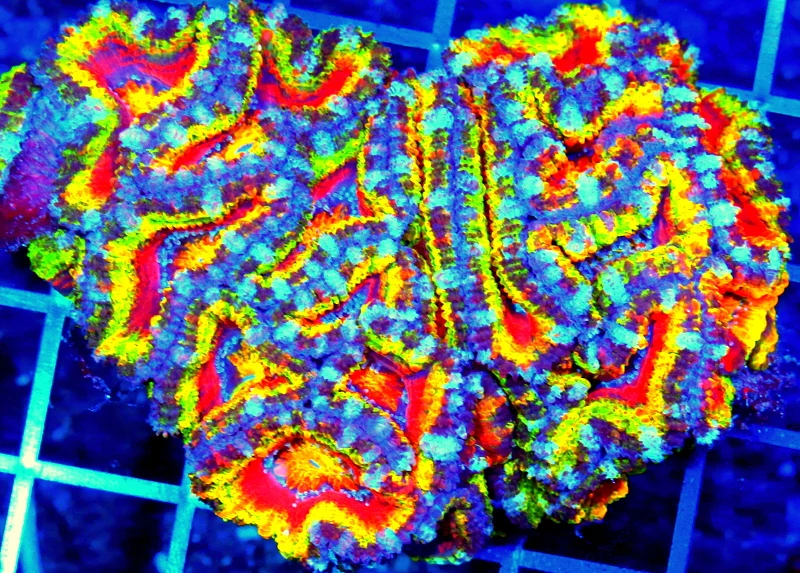
Learn how to care for Acanthastrea Lordhowensis in a home reef aquarium with practical guidance on lighting, flow, feeding, placement, water parameters, compatibility, growth, and long-term coral health.
Learn Acanthastrea Lordhowensis care requirements for reef tanks, including lighting, flow, feeding, placement, water parameters, compatibility, growth, and stress signs.
by Scott Shiles • April 28, 2026
Acanthastrea Lordhowensis, often called Acan Lord or simply Lords in the reef aquarium hobby, is one of the most colorful and rewarding large polyp stony corals for home reef aquariums. With fleshy polyps, bold color patterns, and a strong feeding response, Acan Lords can bring a rich, high-end look to the lower and middle areas of a reef tank without requiring the same intensity of care as many demanding SPS corals.
Although Acanthastrea Lordhowensis is often considered beginner-friendly for a stable reef tank, it should not be treated as maintenance-free. This coral does best with steady water parameters, moderate indirect flow, lower to moderate lighting, proper spacing, and occasional target feeding. When those needs are met, Acan Lords can grow into beautiful colonies with excellent color and full polyp expansion.
At Extreme Corals, Acan Lord corals are valued because they offer strong visual impact while still being realistic for many reef keepers to maintain. This guide covers the care requirements of Acanthastrea Lordhowensis in home reef aquariums, including natural habitat, lighting, flow, feeding, placement, tank mates, propagation, stress signs, and the practical details that help keep these corals healthy long term.
What Is Acanthastrea Lordhowensis?
Acanthastrea Lordhowensis is a fleshy LPS coral known for its rounded polyps, bright coloration, and colonial growth pattern. In the hobby, it is commonly called Acan Lord, Lord coral, or Micromussa Lordhowensis, since this coral has been reclassified taxonomically but is still widely recognized by the Acan Lord name among reef keepers.
Healthy colonies form clusters of fleshy heads that expand over the skeleton and create a colorful, textured display. Common colors include red, orange, green, purple, blue, teal, and rainbow combinations. Some pieces show contrasting mouths, rings, and outer tissue that make them especially attractive under blue reef lighting.
Acan Lords are popular because they combine beauty, feeding response, and manageable care. They are not as aggressive as some LPS corals, but they can still sting nearby corals if placed too close, especially when feeder tentacles extend at night.
Natural Habitat of Acanthastrea Lordhowensis
Acanthastrea Lordhowensis is associated with Indo-Pacific reef environments, including areas around Australia, Indonesia, Papua New Guinea, and the Great Barrier Reef. In the wild, these corals are often found in sheltered reef zones, lagoons, deeper reef slopes, rubble areas, and rocky substrates where light is present but not overly harsh.
Their natural habitat helps explain why they do well in reef aquariums with moderate lighting and indirect flow. They are adapted to areas where their fleshy polyps can expand without being blasted by direct current or exposed to sudden environmental swings.
In a home aquarium, the goal is to give Acan Lords a stable version of those conditions: enough light for color and photosynthesis, enough flow to keep the coral clean, enough nutrients to support tissue health, and enough space to prevent aggression from surrounding corals.
Why Choose Acan Lord Coral for Your Reef Tank?
Acanthastrea Lordhowensis is a strong choice for reef keepers who want a colorful LPS coral that can become a major visual highlight without needing extreme lighting or high flow. It fits well in mixed reefs, LPS-focused aquariums, and carefully managed nano reefs.
Reef keepers often choose Acan Lords because they offer:
- Bright coloration with red, orange, green, blue, purple, and rainbow varieties
- Fleshy polyps that add texture and depth to the reef display
- Moderate growth without quickly overtaking the aquarium
- Strong feeding response that makes care interactive and rewarding
- Flexible placement in lower to middle reef zones
- Good mixed reef potential when spacing is planned carefully
They are especially appealing for hobbyists who want a coral that looks premium but can still thrive with practical, consistent husbandry.
Best Water Parameters for Acanthastrea Lordhowensis
Stable water chemistry is one of the most important parts of Acan Lord care. These corals can tolerate normal reef ranges, but they do not respond well to sudden swings in salinity, alkalinity, temperature, or nutrient levels.
| Parameter | Recommended Range |
|---|---|
| Temperature | 76-82°F |
| Salinity | 1.024-1.026 specific gravity |
| pH | 8.1-8.4 |
| Alkalinity | 8-12 dKH |
| Calcium | 400-450 ppm |
| Magnesium | 1250-1350 ppm |
| Nitrate | 5-10 ppm |
| Phosphate | 0.03-0.07 ppm |
Acan Lords often look best in water that is clean but not completely stripped. Very low nutrients can contribute to pale tissue and slower growth, while excess nutrients can fuel algae and bacterial issues. Regular testing, careful feeding, and steady maintenance are better than chasing numbers with constant corrections.
Tank Size and Setup
Acanthastrea Lordhowensis can be kept in many reef tank sizes, but a tank of 20 gallons or larger is a practical starting point for most hobbyists. Smaller tanks can work when the aquarist is disciplined, but they leave less room for error if salinity, temperature, nutrients, or alkalinity shift quickly.
In most reef aquariums, Acan Lords do best in the lower to middle regions of the tank. They can be placed on stable rockwork or on the sandbed as long as the surface is secure and the coral is not being irritated by sand, debris, or rough rock.
Because Acan Lords grow outward by adding new heads, placement should allow for future expansion. Avoid wedging the colony into tight spaces where tissue will rub against rock or neighboring corals.
Lighting Requirements for Acan Lord Coral
Acan Lord corals usually do best under low to moderate reef lighting. They rely partly on photosynthesis, but excessive light can cause fading, bleaching, or tissue stress, especially when a new specimen is moved too quickly into a bright area.
A practical starting range is often around 50-150 PAR, with many colonies doing especially well in the lower to middle portions of the aquarium. The exact placement depends on the coral’s previous lighting, color morph, tank depth, and overall system conditions.
If an Acan Lord begins to lose color or stays tightly retracted after being moved into bright light, reduce intensity or move it to a lower-light area. Lighting changes should be gradual. Sudden jumps in intensity are one of the easiest ways to stress fleshy LPS corals.
Water Flow and Circulation
Acanthastrea Lordhowensis prefers low to moderate, indirect water flow. The coral needs enough movement to keep debris from settling between the polyps, but not so much current that the fleshy tissue is pushed hard against the skeleton.
Strong direct flow can cause polyps to remain closed, tissue to recede, or feeding response to weaken. Too little flow can allow detritus to collect between heads, which may irritate tissue and contribute to algae or bacterial issues.
The best flow pattern is gentle and indirect. The coral should look inflated and relaxed, with subtle movement around the colony rather than a direct stream blasting the polyps.
Feeding and Nutrition
Acanthastrea Lordhowensis receives energy from photosynthesis, but it also benefits from supplemental feeding. Acan Lords often show a strong feeding response, especially after lights dim or when food is introduced to the water.
Good food options include:
- Mysis shrimp
- Brine shrimp
- Finely chopped marine seafood
- Small particle LPS coral foods
- Zooplankton-based coral foods
- Amino acid supplements used carefully
- Powdered coral foods used lightly
Target feeding one to two times per week is a good starting point for many systems. Some tanks may support feeding two to three times per week, but water quality should guide the routine. If nitrate and phosphate begin rising too quickly, reduce feeding and improve nutrient export.
Use a coral feeding tool or turkey baster to gently deliver food near the polyps when feeder tentacles are extended. Avoid blasting the coral with food or leaving uneaten particles to decay between the heads.
Placement and Spacing Matter More Than Most Beginners Think
Acan Lords are often described as manageable or beginner-friendly, but placement can make the difference between a thriving colony and a stressed one. Their fleshy tissue needs room to inflate, feed, and grow without being damaged by surrounding corals or harsh flow.
Leave several inches of space between Acan Lords and other LPS corals, especially aggressive corals with sweeper tentacles. Even though Acan Lords are not the most aggressive LPS coral, they can extend feeder tentacles and irritate nearby coral tissue if crowded.
Good placement also makes feeding easier. A colony that is too close to fast-moving fish, shrimp, or aggressive tank mates may have food stolen before it can capture and consume it. Choosing a stable, protected spot helps the coral settle and expand more consistently.
Tank Mates and Compatibility
Acanthastrea Lordhowensis can work well in mixed reef aquariums when spacing is planned properly. It is compatible with many reef-safe fish and invertebrates, but it should be protected from coral nippers, aggressive neighbors, and animals that constantly irritate the tissue.
Good tank mates often include:
- Clownfish
- Gobies
- Blennies
- Peaceful wrasses
- Snails
- Most reef-safe shrimp with caution during feeding
Use caution with angelfish, butterflyfish, and any fish known to nip fleshy coral polyps. Also watch cleaner shrimp and other scavengers during feeding, since they may steal food from the coral and irritate the polyps.
Growth Rate and Propagation
Acan Lord corals usually grow at a moderate pace when kept under stable conditions. Growth is often seen as new heads forming around the edge of the colony and existing polyps becoming fuller over time.
Feeding, stable alkalinity, calcium, magnesium, and appropriate lighting all support growth. However, this is not a coral that should be rushed. A colony that maintains good color, expands regularly, and adds heads slowly is doing well.
Acanthastrea Lordhowensis can be fragged by cutting between polyps through the skeleton with a coral saw or appropriate coral cutting tool. Fragging should only be done with healthy colonies, clean tools, and careful handling to avoid tearing the fleshy tissue.
Common Acan Lord Problems and Prevention
Most Acan Lord problems are connected to unstable water, improper lighting, excessive flow, coral aggression, poor feeding habits, or detritus buildup between polyps. The earlier you notice stress signs, the easier they are to correct.
- Tissue recession: Often linked to unstable parameters, aggressive nearby corals, excessive flow, or physical damage.
- Bleaching or color fading: Usually caused by too much light, sudden lighting changes, low nutrients, or stress.
- Closed polyps: May indicate poor water quality, direct flow, fish nipping, or irritation from nearby corals.
- Algae between heads: Often caused by detritus buildup, excess nutrients, or low flow around the colony.
- Brown jelly or bacterial issues: Can follow tissue damage, poor water quality, or stress.
- Slow growth: May be connected to low feeding, unstable alkalinity, weak mineral balance, or poor placement.
If a problem appears, check the basics before making several changes at once. Review salinity, temperature, alkalinity, nitrate, phosphate, lighting, flow, and coral spacing. Small steady corrections are safer than sudden major adjustments.
Handling and Acclimation
Acan Lords should be handled carefully because their fleshy polyps can be damaged if squeezed, scraped, or rubbed against rock. Whenever possible, handle the plug, base, or skeleton rather than the soft tissue.
When adding a new Acan Lord to your reef tank, temperature acclimate first and then adjust the coral gradually to your water conditions. If using a coral dip, follow the product directions carefully and avoid overexposure. After dipping and placement, give the coral time to settle before moving it again.
New Acan Lords may take time to fully expand after shipping, dipping, or relocation. As long as the tissue is intact and water conditions are stable, patience is usually better than constant repositioning.
Signs of a Healthy Acan Lord Coral
A healthy Acanthastrea Lordhowensis colony should look full, colorful, and settled. Polyps may expand more at certain times of day and often show feeding tentacles when food is present.
Positive signs include:
- Full, fleshy polyps
- Stable color without sudden fading
- No visible tissue recession around the skeleton
- Feeding response when appropriate food is offered
- New heads forming slowly over time
- Good expansion in its normal placement zone
Acan Lords do not need to look identical every hour of the day. Minor changes in expansion are normal. The key is the overall trend: stable tissue, consistent color, and a colony that continues to settle and grow over time.
Related Corals You May Also Like
If you like the color and feeding response of Acanthastrea Lordhowensis, these related coral groups and guides may help you build a stronger LPS-focused reef tank:
- Large Polyp Stony Corals - Explore colorful LPS corals with fleshy tissue, feeding response, and showpiece appeal.
- New Arrival Corals - Browse recently added WYSIWYG corals for your reef aquarium.
- Scott's Handpicked Corals - View premium pieces selected for color, health, and structure.
- Acan Lord Coral Care - Learn more about placement, feeding, lighting, and water quality for Acan Lords.
- The Rare Beauty of Acanthastrea Lordhowensis - Explore why Acan Lords are so prized by reef keepers and collectors.
Shop Acan Lords and LPS Corals
Acanthastrea Lordhowensis is an excellent choice for reef keepers who want rich color, fleshy texture, and visible feeding response in a stable aquarium. Once your tank is ready, choosing a healthy Acan Lord from a trusted coral source gives the coral a better start.
Browse LPS corals, new arrival corals, and Scott's Handpicked Corals at ExtremeCorals.com to find pieces that match your lighting, flow, placement, and reefkeeping goals.
Frequently Asked Questions About Acanthastrea Lordhowensis Care
Is Acanthastrea Lordhowensis beginner-friendly?
Yes, Acanthastrea Lordhowensis can be beginner-friendly in a stable reef tank. It is hardy compared with many demanding corals, but it still needs stable water quality, proper lighting, indirect flow, and careful spacing.
Where should I place Acan Lord coral in my reef tank?
Acan Lords usually do best in the lower to middle areas of the tank with low to moderate lighting and indirect flow. Place them on stable rockwork or sand where the fleshy polyps can expand without rubbing against nearby corals.
How much light does Acanthastrea Lordhowensis need?
Acanthastrea Lordhowensis usually does well under low to moderate reef lighting, often around 50-150 PAR. Avoid sudden exposure to strong light, because excessive intensity can cause fading, bleaching, or poor expansion.
What kind of water flow is best for Acan Lords?
Acan Lords prefer low to moderate, indirect flow. The flow should keep debris from settling between the polyps without blasting the fleshy tissue or forcing the coral to stay retracted.
Does Acanthastrea Lordhowensis need to be fed?
Acanthastrea Lordhowensis can receive energy from photosynthesis, but it benefits from target feeding. Small meaty foods such as mysis shrimp, brine shrimp, and finely chopped marine foods can support growth, color, and polyp fullness.
Can Acan Lords touch other corals?
Acan Lords should be given space from other corals. They can extend feeder tentacles and may sting nearby coral tissue, while more aggressive LPS corals can also damage them if placed too close.
Why is my Acan Lord losing tissue or color?
Tissue loss or color fading can be caused by unstable water parameters, excessive light, strong direct flow, low nutrients, poor water quality, coral aggression, pests, or physical damage. Check the environment before making major changes.
About the Author
Scott Shiles is the owner of ExtremeCorals.com, which he has operated for over 25 years and is recognized as one of the early dedicated live coral websites on the internet. A lifelong reef keeper since 1984, Scott has decades of hands-on experience maintaining marine aquariums and previously owned and operated a brick and mortar aquarium retail store for 10 years, including five years alongside Extreme Corals. He holds a degree in Marine Biology and has personally selected and sold hundreds of thousands of live corals. An avid scuba diver who has explored reef systems around the world, Scott shares practical coral care and husbandry knowledge based on real world reef experience.
overall rating:
my rating:
log in to rate
Please log in to leave a comment.
For more information visit: additional resources