My Cart: 0 item(s)

Extreme Corals News and Updates
Goniopora Coral Care Guide: Expert Tips for Placement, Feeding and Long-Term Success
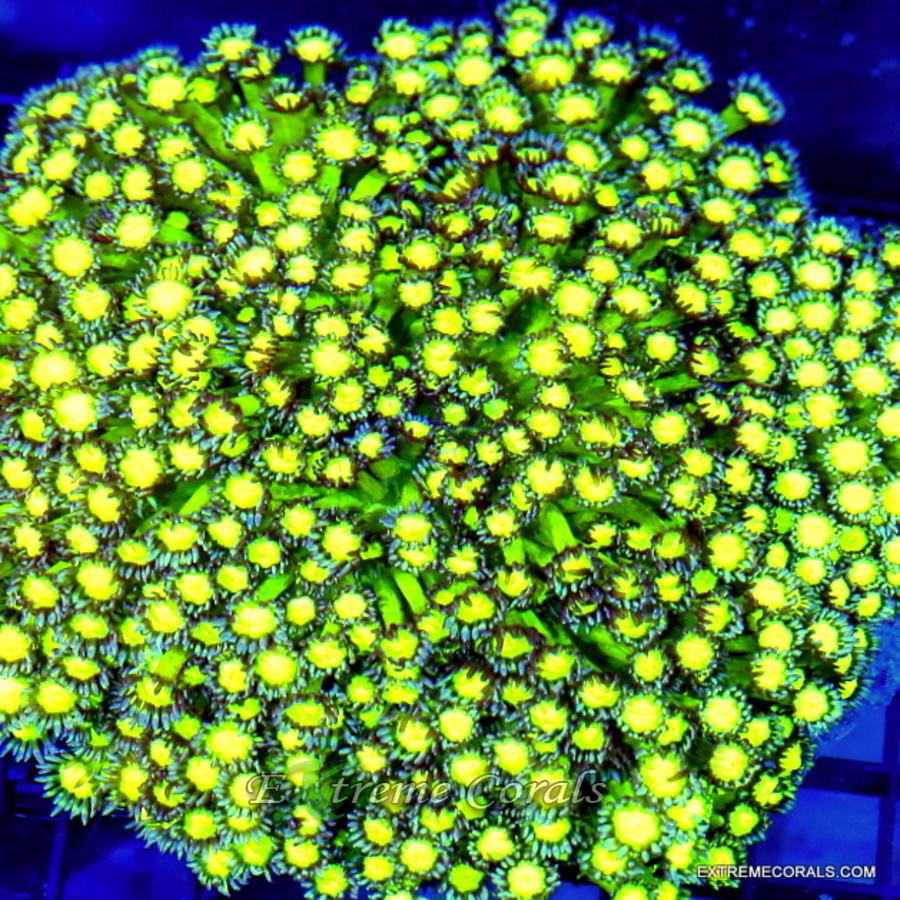
Learn how to keep Goniopora corals thriving in a reef tank with expert advice on lighting, flow, feeding, water parameters, placement, and compatibility.
Learn how to care for Goniopora coral in a reef tank with expert tips on lighting, flow, feeding, placement, compatibility, and stable water conditions.
by Scott Shiles • May 22, 2024
Goniopora corals can be one of the most captivating additions to a reef tank because of their flowing tentacles, vivid colors, and unmistakable flower-like appearance. Commonly called flowerpot corals, Goniopora brings motion, texture, and strong visual impact to a reef aquarium. At the same time, they can be demanding if the tank is not stable or if placement and feeding are overlooked. This guide explains how to create a thriving reef tank with Goniopora corals by focusing on stable water parameters, smart placement, proper feeding, and careful long-term maintenance.
For many reef keepers, Goniopora stands out because it feels alive in a way few corals do. When healthy, its long tentacles extend beautifully into the current and create a soft, animated look in the reef. With the right conditions, Goniopora can become a true centerpiece coral and one of the most rewarding species in the tank.
Looking to add colorful LPS corals to your reef tank? Browse our LPS corals for sale and explore healthy corals for your aquarium.
Introduction to Goniopora Corals
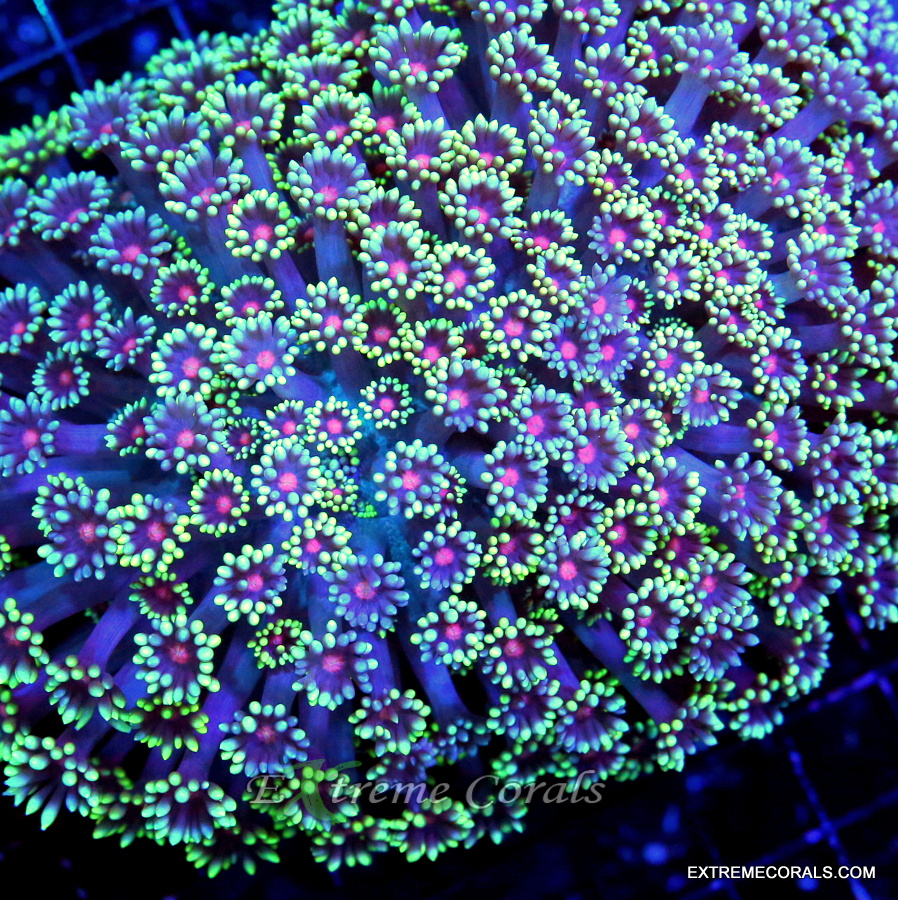
Goniopora corals are popular LPS corals known for their vibrant colors and unique tentacle patterns. They add a dynamic visual element to reef tanks and are especially appreciated for their flower-like movement in the current. The source material emphasizes that Goniopora requires moderate to high light, moderate to high water flow, stable water parameters, proper acclimation, and regular feeding for the best results.
Why Goniopora Can Be So Rewarding
Goniopora is a coral that can completely change the feel of a reef tank. Instead of just adding color, it adds visible motion and a softer, more natural look. That is part of why so many hobbyists are drawn to it.
- Its tentacles create movement throughout the day
- It comes in striking color forms
- It can become a major focal point in the aquarium
- It gives the reef a more animated and living appearance
When healthy, Goniopora often becomes one of the first corals people notice.
Start With Stable Water Parameters
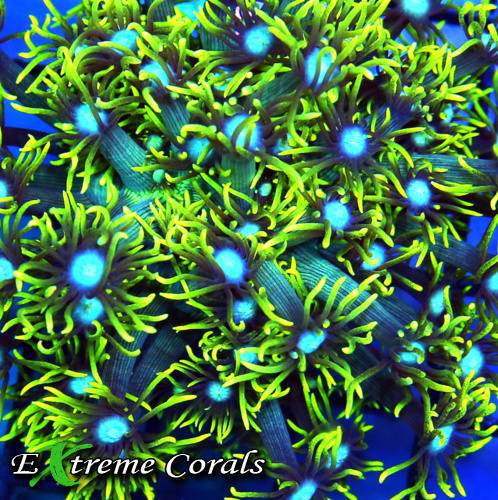
Maintaining stable water parameters is one of the most important parts of keeping Goniopora healthy. The source draft recommends a temperature range of 75-80°F, a pH between 8.1-8.4, nitrate below 5 ppm, and phosphate below 0.03 ppm. It also stresses the importance of regularly testing and monitoring water quality to keep conditions optimal.
- Temperature: 75-80°F
- pH: 8.1-8.4
- Nitrate: below 5 ppm
- Phosphate: below 0.03 ppm
Stable water chemistry is especially important with Goniopora because this coral tends to react visibly when something drifts out of range. A healthy colony often reflects a stable tank.
If you are working on chemistry stability, read our guide on pH and alkalinity in reef tanks.
Lighting Requirements
Goniopora corals need moderate to high lighting to thrive. The source material recommends adjustable LED lighting with both white and blue light, and it notes that hobbyists should avoid exposing the coral to excessive intensity. Careful monitoring and adjustment are recommended so the coral gets enough light for photosynthesis without being stressed by too much intensity. :contentReference[oaicite:6]{index=6}
- Moderate to high lighting is usually best
- Adjustable LED lighting is a strong option
- Blue and white spectrum can work well
- Avoid sudden exposure to excessive light
Light acclimation is especially important when moving a new Goniopora into a brighter system. Like many corals, it usually adapts better when changes happen gradually.
If you want to understand reef lighting better, read our guide on reef tank lighting.
Proper Placement in the Tank
The source draft contains two placement ideas that together suggest a practical strategy: place Goniopora where it receives adequate light and moderate to high flow, but make sure it is not crowded by neighboring corals. It notes both lower-to-middle tank placement and middle-to-top placement depending on how the aquarium is lit and how flow is distributed.
In practice, the safest starting point is to place Goniopora where it gets good light, clean surrounding movement, and enough open space to extend fully. The exact height can vary depending on the strength of your lighting system.
- Give the coral room to extend
- Avoid shading from nearby colonies
- Do not place it too close to aggressive corals
- Match placement to your tank’s actual light intensity
Water Flow Matters More Than Many Hobbyists Expect
According to the source material, Goniopora thrives with moderate to high water flow. It also notes that inconsistent or inadequate flow can allow debris to build up and negatively affect coral health. At the same time, the flow should still be appropriate for the coral rather than harshly directed at one spot.
- Use moderate to high surrounding flow
- Keep debris from collecting around the coral
- Avoid stagnant areas
- Use circulation that keeps the coral clean without flattening it constantly
Good flow often makes a noticeable difference in how extended and lively Goniopora looks.
If you want to learn more about circulation, read our guide on water flow and coral health.
Feeding Goniopora Corals
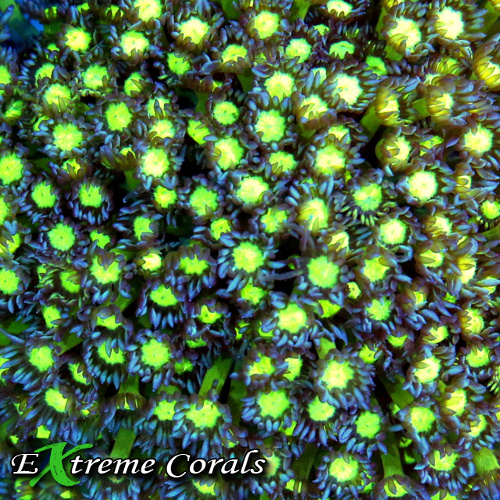
The source text identifies Goniopora as a filter feeder that relies on microorganisms and tiny suspended particles in the water. It recommends regularly supplementing with plankton and specialized coral foods, and it emphasizes that small, frequent feedings are better than overfeeding. Overfeeding can lead to water quality issues, so balance is important.
- Use planktonic or specialized coral foods
- Feed in small amounts
- Feed regularly rather than heavily
- Avoid overfeeding to protect water quality
This is one of the key differences between just “keeping” Goniopora and helping it truly thrive long term.
Compatibility With Other Corals
The source material warns that Goniopora can be demanding about its coral neighbors and may be aggressive toward other corals, especially those with long sweeper tentacles. It recommends compatible peaceful corals, including soft corals, other LPS corals, and certain SPS corals, while stressing that coral placement should be planned carefully to prevent conflict.
- Keep Goniopora away from aggressive neighbors
- Be careful with corals that have long sweepers
- Plan spacing before the tank becomes crowded
- Introduce tank mates gradually to reduce stress
As with many fleshy or extended corals, compatibility is often less about the species list and more about spacing, growth, and layout.
Common Issues and Troubleshooting Tips
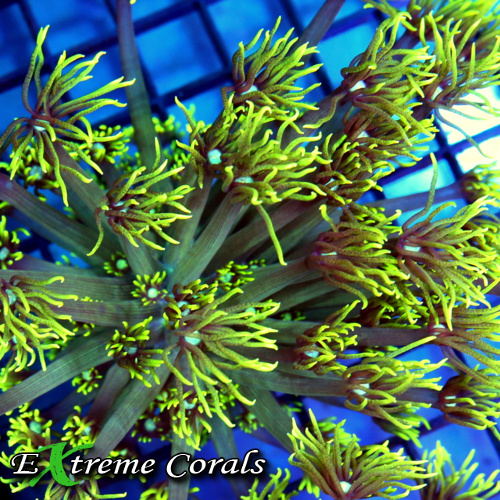
The source text points out that if Goniopora is not opening fully or appears dull, insufficient lighting may be the issue. It also notes that inconsistent flow can allow debris to collect and that predators such as snails or crabs may sometimes cause damage. Regular water testing is recommended as part of troubleshooting.
If Goniopora starts looking off, check these first:
- Lighting strength and placement
- Water flow around the colony
- Water parameter stability
- Presence of pests or irritating tank mates
Because Goniopora is expressive, it often shows you fairly quickly when conditions are not ideal.
Expert Advice for Long-Term Success
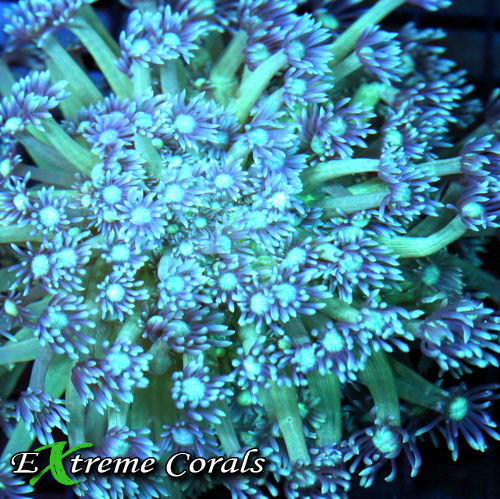
The source concludes with several practical expert tips: keep temperature, salinity, and pH stable; provide moderate to high lighting; perform regular water changes; supplement calcium and alkalinity; and keep Goniopora away from aggressive tank mates. These fundamentals create the environment Goniopora needs to stay healthy and vibrant over time. {index=12}
In other words, the best expert advice is not a trick. It is consistency. Goniopora tends to reward tanks that are clean, stable, and carefully observed.
Best Tank Setup for Goniopora
Putting everything together, a strong Goniopora setup usually includes:
- Stable water chemistry
- Moderate to high lighting
- Moderate to high surrounding flow
- Regular targeted feeding support
- Enough room from aggressive tank mates
When those conditions come together, Goniopora can become one of the most striking and rewarding corals in the tank.
Related Corals You May Also Like
If you are interested in Goniopora corals, you may also want to explore other fleshy LPS corals and related reef tank guides:
- Browse LPS corals for sale
- Goniopora and Alveopora guide
- Lobophyllia coral guide
- Favites coral care guide
- Coral health signs guide
Ready to add a flowing flowerpot coral to your reef tank? Browse our LPS corals for sale and explore healthy additions for your aquarium.
Shop Goniopora and LPS Corals
Explore our WYSIWYG LPS corals, new arrival corals, and featured corals to build a more colorful reef tank.
Final Thoughts
Goniopora corals can bring outstanding color, movement, and life to a reef aquarium, but they do best when the system is stable and their needs are respected. With proper water parameters, careful placement, good flow, regular feeding, and thoughtful compatibility planning, Goniopora can become one of the most impressive and rewarding corals in the reef tank.
Frequently Asked Questions
Q: Is Goniopora a difficult coral to keep?
A: It can be demanding, but it can do very well in a stable reef tank with proper light, flow, and feeding.
Q: What lighting does Goniopora need?
A: Moderate to high lighting is recommended, with careful acclimation to avoid stress.
Q: Does Goniopora need feeding?
A: Yes, regular supplemental feeding helps. Small planktonic foods and specialized coral foods are recommended.
Q: Where should Goniopora be placed in the tank?
A: Usually in a well-lit area with good flow and enough room from neighboring corals, often in the lower-to-middle or middle-to-upper part of the tank depending on lighting strength.
Q: What are common signs of trouble with Goniopora?
A: Dull color, poor extension, debris buildup, and failure to open fully are all common signs that something needs adjustment.
About the Author
Scott Shiles is the owner of ExtremeCorals.com, which he has operated for over 25 years and is recognized as one of the early dedicated live coral websites on the internet. A lifelong reef keeper since 1984, Scott has decades of hands-on experience maintaining marine aquariums and previously owned and operated a brick and mortar aquarium retail store for 10 years, including five years alongside Extreme Corals. He holds a degree in Marine Biology and has personally selected and sold hundreds of thousands of live corals. An avid scuba diver who has explored reef systems around the world, Scott shares practical coral care and husbandry knowledge based on real world reef experience.
overall rating:
my rating:
log in to rate
Please log in to leave a comment.
For more information visit: additional resources