My Cart: 0 item(s)

Extreme Corals News and Updates
Platygyra Coral Facts: Surprising Things Reef Keepers Should Know
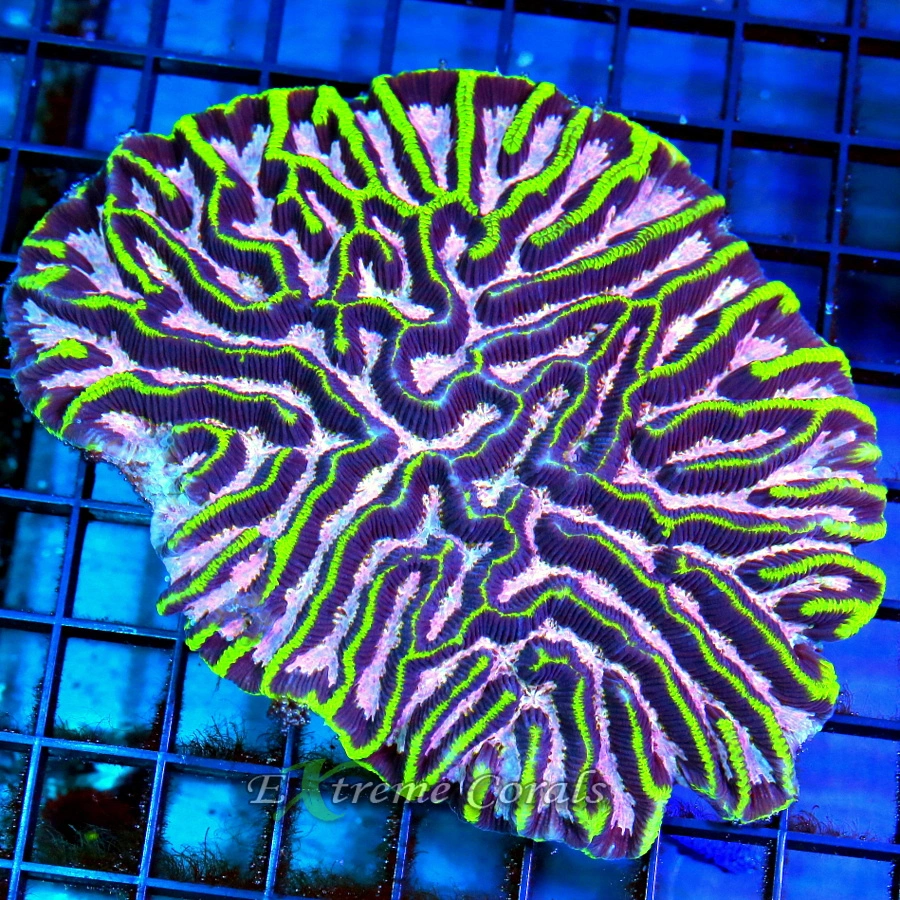
Discover fascinating facts about Platygyra coral, including its brain-like appearance, habitat, reproduction, defenses, ecological role, and why it stands out in reef aquariums.
Discover fascinating facts about Platygyra coral, including its habitat, growth, reproduction, adaptations, and why this brain coral is so unique in reef aquariums.
by Scott Shiles • April 13, 2026
Platygyra coral is one of the most recognizable brain corals in the reef hobby because of its maze-like ridges, bold texture, and important role in coral reef ecosystems. Many reef keepers know Platygyra for its unusual appearance, but there is much more to this coral than its brain-like surface. From its habitat and reproduction to its defensive behavior and ecological importance, Platygyra is full of fascinating details that make it even more interesting in both the ocean and the home aquarium. This guide explores some of the most surprising facts about Platygyra coral you probably did not know.
For reef hobbyists, Platygyra offers more than just a beautiful display piece. It is a coral with a complex natural history, useful reef-building abilities, and a set of adaptations that help it survive in changing environments. The more you understand about Platygyra, the easier it is to appreciate why this coral remains such a favorite in reef tanks and natural reef systems alike.
Looking to add colorful brain-style corals to your reef tank? Browse our LPS corals for sale and explore healthy corals for your aquarium.
What Is Platygyra Coral?
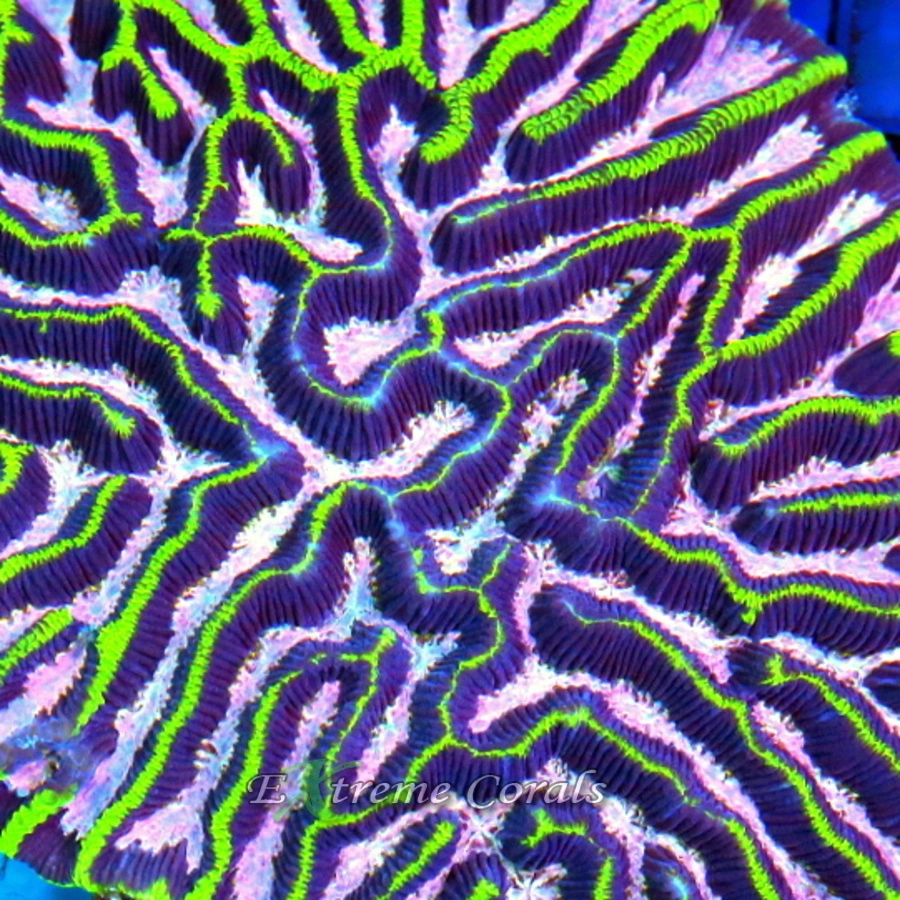
Platygyra coral, often called brain coral, is a hard coral known for the ridges and grooves on its surface that resemble the folds of a brain. It can appear in a range of colors, from earthy browns to brighter greens, and it helps add both beauty and structure to coral reefs. In reef aquariums, Platygyra is prized for its texture, color, and classic brain coral appearance.
Its ridged surface is one of the main reasons it stands out so strongly in a reef tank, especially when viewed up close under reef lighting.
1. Platygyra Is Found Across a Huge Region of the Indo-Pacific
One fascinating fact about Platygyra coral is how widely distributed it is across the Indo-Pacific region. These corals are commonly found in areas such as Australia, Indonesia, and Fiji, where they live in shallow warm waters with moderate to high flow.
- They often settle on rocky surfaces
- They may also grow on sandy substrates
- They can be found from shallow intertidal zones down to about 98 feet
This wide habitat range helps explain why Platygyra can adapt fairly well to reef aquarium life when its needs are met properly.
2. Its Brain-Like Look Is More Than Just a Name
Platygyra is not casually called brain coral. Its dome-shaped growth, valleys, and ridges genuinely give it a folded, maze-like appearance that makes it one of the most recognizable corals in the hobby.
It also comes in a variety of colors, including:
- Green
- Brown
- Neon-like tones under ultraviolet or reef lighting
That combination of texture and color is one reason Platygyra works so well as both a naturalistic reef coral and a visual centerpiece in aquariums.
3. Platygyra Reproduces in More Than One Way
Another surprising fact is that Platygyra coral reproduces both sexually and asexually. This gives it multiple ways to spread and survive in the wild.
- It can release eggs and sperm into the water for sexual reproduction
- It can produce larvae that settle and form new colonies
- It can clone itself by budding new polyps
- It can also reproduce through fragmentation when broken pieces form new colonies
This flexibility is one of the reasons brain corals like Platygyra have remained successful reef builders in many marine environments.
4. It Plays a Major Role in Marine Ecosystems
Platygyra coral is not just attractive. It plays an important role in reef ecosystems by contributing to habitat structure and supporting biodiversity.
- It provides shelter for various marine organisms
- It supports the marine food chain
- It contributes to coral reef structure
- It helps support ecosystem resilience
Like many hard corals, Platygyra helps build the physical reef framework that many fish, invertebrates, and microorganisms depend on.
5. Platygyra Has Adaptations That Help It Survive
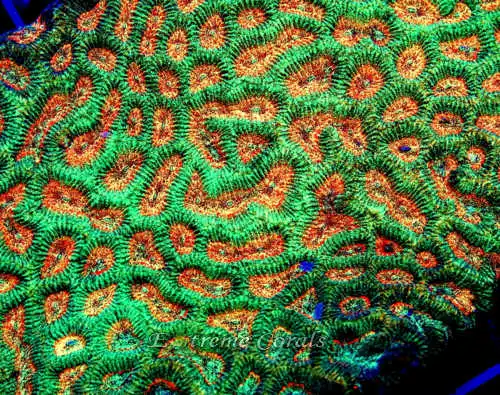
Platygyra coral has several fascinating adaptations that help it thrive in changing marine environments. These adaptations are part of what makes it such an interesting coral to study and keep.
- It can change the color of its tissues in response to environmental conditions
- Its skeletal structure provides support and protection
- It forms symbiotic relationships with algae for nutrition through photosynthesis
- It can adjust growth patterns depending on light and water flow
These built-in responses help Platygyra cope with different reef conditions and contribute to its long-term survival.
6. It Can Feed in More Than One Way
Platygyra coral has an unusual feeding ability that many reef keepers may not realize. It can absorb nutrients not only through its tentacles, but also through its mouth. This gives it a more flexible feeding strategy than some hobbyists expect.
That means Platygyra can benefit from both:
- Photosynthesis through symbiotic algae
- Direct nutrient capture from the surrounding water and feeding opportunities
This mixed strategy is one reason stable reef conditions and occasional supplemental feeding can help Platygyra do well in aquariums.
7. It Has a Defensive Side
Platygyra coral is not passive when it comes to territory. One of its more fascinating behaviors is the ability to release sweeper tentacles to defend itself against nearby corals.
- Sweeper tentacles help protect its space
- This behavior can damage neighboring corals if placed too close
- Spacing matters in a reef aquarium because of this aggression
This is one of the reasons careful placement is so important when adding Platygyra to a mixed reef tank.
8. It Is Threatened in the Wild
Platygyra coral may be resilient in some ways, but it still faces serious environmental threats in the ocean. Like many reef-building corals, it is affected by large-scale changes happening across marine ecosystems.
- Climate change
- Ocean acidification
- Overfishing
- Pollution
These threats contribute to reef decline and make conservation efforts even more important. Protecting coral reefs helps preserve species like Platygyra as well as the many organisms that depend on reef ecosystems for survival.
9. It Can Be a Great Aquarium Coral When Cared for Properly
One of the best facts for hobbyists is that Platygyra can do very well in reef aquariums when given proper care. It is often considered relatively manageable and can adapt to a range of tank conditions if stability is maintained.
- Provide proper lighting
- Use appropriate water flow
- Maintain stable water parameters
- Monitor the coral regularly for any changes
That combination of interesting biology and manageable care is part of what makes Platygyra such a strong choice for reef keepers.
10. Human Interaction Can Help or Harm It
Platygyra coral is often admired in aquariums, but human interaction can be harmful when it is not handled responsibly. Sustainable sourcing matters, and excessive handling can stress the coral and reduce its health.
- Choose sustainably sourced coral whenever possible
- Avoid excessive touching or handling
- Do not disturb natural reef habitats unnecessarily
Responsible reefkeeping protects both the coral in your tank and the ecosystems these animals come from.
Why Platygyra Is Still a Favorite Among Reef Keepers
Platygyra continues to be popular in reef aquariums because it combines visual appeal, interesting behavior, and a relatively approachable care profile. It adds a bold brain-like texture to the aquascape, comes in attractive colors, and brings a sense of classic reef structure to the tank.
- It has a recognizable and unusual appearance
- It contributes a different texture than many other corals
- It is visually striking under reef lighting
- It fits well into many mixed reef setups
For reef keepers who want a coral with both beauty and character, Platygyra remains a great option.
Related Coral Guides You May Also Like
If you are interested in Platygyra coral, you may also want to explore other brain-style and LPS coral guides:
- Browse LPS corals for sale
- Platygyra coral care guide
- Brain coral guide
- Favites coral care guide
- LPS corals overview
Ready to add a brain-style coral to your reef tank? Browse our LPS corals for sale and explore healthy additions for your aquarium.
Shop Platygyra and LPS Corals
Explore our WYSIWYG LPS corals, new arrival corals, and featured corals to build a more colorful reef tank.
Final Thoughts
Platygyra coral is fascinating not just because it looks like a brain, but because it is an important reef-building organism with unique adaptations, multiple reproduction strategies, defensive behavior, and real ecological importance. For reef hobbyists, that makes it much more than just a beautiful coral. It is a species with a remarkable natural story and a well-earned place in reef aquariums.
Frequently Asked Questions
Q: Why is Platygyra called brain coral?
A: Because its ridges and grooves resemble the folds of a brain.
Q: Where is Platygyra coral found in the wild?
A: It is commonly found in the Indo-Pacific region, including areas such as Australia, Indonesia, and Fiji.
Q: How does Platygyra reproduce?
A: It reproduces both sexually and asexually, including by larvae, budding, and fragmentation.
Q: Can Platygyra defend itself?
A: Yes. It can release sweeper tentacles to defend its territory against nearby corals.
Q: Is Platygyra a good reef tank coral?
A: Yes, often. It is generally considered relatively easy to care for when given proper lighting, flow, and stable water conditions.
About the Author
Scott Shiles is the owner of ExtremeCorals.com, which he has operated for over 25 years and is recognized as one of the early dedicated live coral websites on the internet. A lifelong reef keeper since 1984, Scott has decades of hands-on experience maintaining marine aquariums and previously owned and operated a brick and mortar aquarium retail store for 10 years, including five years alongside Extreme Corals. He holds a degree in Marine Biology and has personally selected and sold hundreds of thousands of live corals. An avid scuba diver who has explored reef systems around the world, Scott shares practical coral care and husbandry knowledge based on real world reef experience.
overall rating:
my rating:
log in to rate
Please log in to leave a comment.
For more information visit: additional resources