My Cart: 0 item(s)

Extreme Corals News and Updates
LPS vs SPS Corals: Key Care Differences for a Healthy Reef Tank
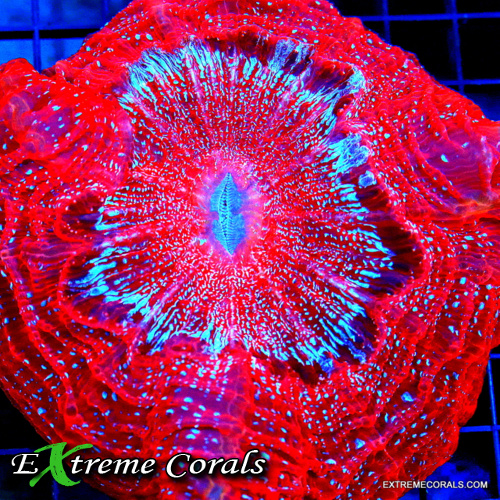
Compare LPS and SPS corals for reef aquariums, including lighting, flow, feeding, placement, difficulty, growth style, and water stability.
Compare LPS vs SPS corals and learn the key care differences in lighting, flow, feeding, water parameters, growth, placement, difficulty, and reef tank stability.
by Scott Shiles • April 30, 2026
LPS and SPS corals are two of the most important coral groups in the reef aquarium hobby. Both are stony corals, both build calcium carbonate skeletons, and both can create beautiful reef displays, but they do not behave the same way in a home aquarium. Understanding the differences between LPS and SPS corals can help you choose the right corals for your tank, avoid beginner mistakes, and build a healthier reef system over time.
LPS corals, or large polyp stony corals, are known for larger fleshy polyps, visible feeding response, bold color, and strong showpiece appeal. SPS corals, or small polyp stony corals, are known for smaller polyps, branching or plating growth, higher lighting needs, stronger flow requirements, and greater sensitivity to unstable water chemistry. Neither group is automatically better. The right choice depends on your tank maturity, equipment, experience level, and reefkeeping goals.
At Extreme Corals, we work with reef keepers at every level, from beginners buying their first LPS coral to experienced hobbyists building SPS-dominant systems. This guide explains the key care differences between LPS and SPS corals, including lighting, water flow, feeding, water parameters, growth, placement, difficulty, and how to decide which coral type fits your reef tank best.
What Are LPS Corals?
LPS stands for large polyp stony coral. These corals have a hard calcium carbonate skeleton with larger fleshy polyps or tissue extending over that skeleton. Many LPS corals are popular because they offer bold color, movement, feeding response, and showpiece presence without requiring the same intense lighting and flow that many SPS corals need.
Popular LPS corals include:
- Torch Coral
- Frogspawn Coral
- Hammer Coral
- Duncan Coral
- Candy Cane Coral
- Blastomussa
- Acanthastrea and Micromussa
- Scolymia
- Trachyphyllia
- Lobophyllia
- Favia and Favites
- Bubble Coral
LPS corals are often a good fit for reef keepers who want color and movement in a mixed reef tank. Many prefer moderate lighting, low to moderate or moderate indirect water flow, and occasional feeding. Their fleshy tissue can be damaged by strong direct flow, sharp rock, unstable chemistry, or aggressive neighboring corals, so placement matters.
What Are SPS Corals?
SPS stands for small polyp stony coral. These corals have smaller polyps and usually form branching, plating, tabling, encrusting, or bushy structures. SPS corals are often associated with mature reef tanks because they usually require stronger lighting, stronger random flow, and more consistent water chemistry.
Popular SPS corals include:
- Acropora
- Montipora
- Birdsnest Coral
- Stylophora
- Pocillopora
SPS corals can create a dramatic reef-crest look with branching structure, fast growth, and high color potential. They can also be less forgiving than many LPS corals. Rapid swings in alkalinity, salinity, nutrients, temperature, or lighting can cause SPS corals to pale, brown out, lose tissue, or decline quickly.
LPS vs SPS Corals: The Main Difference
The main difference between LPS and SPS corals is polyp size and care demand. LPS corals have larger fleshy polyps and are often more tolerant of moderate nutrients, lower flow zones, and occasional feeding. SPS corals have smaller polyps and generally need stronger lighting, stronger random flow, and tighter parameter stability.
| Category | LPS Corals | SPS Corals |
|---|---|---|
| Polyp Size | Large fleshy polyps | Small compact polyps |
| Lighting | Low to moderate or moderate | Moderate to high |
| Water Flow | Low to moderate or moderate indirect flow | Strong random flow |
| Feeding | Many benefit from target feeding | Mostly light, dissolved nutrients, and fine foods |
| Difficulty | Beginner to moderate, depending on species | Moderate to advanced |
| Growth Style | Fleshy, branching, mound, brain, or showpiece forms | Branching, plating, encrusting, tabling, or bushy forms |
| Best Use | Color, movement, feeding response, showpieces | Structure, mature reef growth, high-energy reef designs |
For most beginners, LPS corals are usually the easier starting point. SPS corals are best added once the tank is mature, stable, and equipped with lighting, flow, and dosing systems capable of supporting them long term.
Care Difficulty: Which Is Easier?
In general, LPS corals are easier than SPS corals for newer reef keepers. This does not mean every LPS coral is easy or every SPS coral is impossible. Some LPS corals are delicate, and some SPS corals are more forgiving than others. But as a group, LPS corals usually give beginners more room to learn.
LPS corals are often easier because they usually:
- Tolerate moderate nutrient levels better than many SPS corals
- Do not always require extremely high lighting
- Prefer gentler flow zones in many cases
- Can benefit from direct feeding
- Often show visible stress signs before rapid decline
- Fit well in mixed reef tanks with moderate equipment demands
SPS corals are more demanding because they usually need tighter control over alkalinity, calcium, magnesium, nutrients, lighting, and flow. SPS systems reward consistency, but they punish instability faster than many LPS systems.
Lighting Differences Between LPS and SPS Corals
Lighting is one of the biggest care differences between LPS and SPS corals. Most LPS corals prefer low to moderate or moderate lighting, while many SPS corals need moderate to high lighting with strong intensity and proper spectrum.
General lighting guidance:
- LPS corals: Often do well around 50-150 PAR, with some Euphyllia and other LPS adapting higher when acclimated.
- SPS corals: Often need stronger lighting, commonly around 200-350 PAR depending on coral type, placement, and system conditions.
LPS corals can bleach, shrink, or recede if placed under intense lighting too quickly. SPS corals can brown out, pale, or grow poorly if light is too weak. Both groups need acclimation, but SPS corals usually require more powerful and consistent lighting to thrive.
Water Flow Differences Between LPS and SPS Corals
Water flow is another major difference. LPS corals usually prefer indirect flow that moves tissue gently without blasting it. SPS corals usually need stronger, more random flow to keep their small polyps clean and to deliver oxygen and nutrients through dense branching structures.
LPS corals often do best when:
- Flow is gentle to moderate or moderate
- Current is indirect, not blasting tissue
- Fleshy polyps sway naturally
- Detritus does not settle around the skeleton
SPS corals often do best when:
- Flow is stronger and more random
- Branches receive circulation from multiple angles
- Detritus does not collect inside colonies
- Polyp extension remains consistent without tissue damage
A common mistake is placing LPS corals in SPS-style flow. Strong direct current can tear fleshy tissue on hammers, torches, frogspawn, bubble corals, Lobophyllia, Scolymia, and other LPS corals. SPS corals, on the other hand, often decline in weak flow where waste and detritus settle.
Water Parameter Stability for LPS and SPS Corals
Both LPS and SPS corals need stable water chemistry, but SPS corals are usually less forgiving of swings. A small alkalinity swing that an LPS coral tolerates may cause visible stress or tissue loss in sensitive SPS corals.
| Parameter | Recommended Reef Range |
|---|---|
| Temperature | 76-80°F |
| Salinity | 1.024-1.026 specific gravity |
| pH | 8.1-8.4 |
| Alkalinity | 8-10 dKH |
| Calcium | 400-450 ppm |
| Magnesium | 1250-1350 ppm |
| Nitrate | 5-15 ppm for many mixed reefs |
| Phosphate | 0.03-0.10 ppm for many mixed reefs |
SPS-dominant systems may run nutrients slightly differently depending on the aquarist’s method, but zero nutrients are not the goal for most modern reef tanks. Corals need balanced nutrients, not dirty water and not stripped water. Stability matters more than chasing extreme numbers.
Nutrient Tolerance: LPS vs SPS
LPS corals are often more tolerant of moderate nitrate and phosphate levels than many SPS corals. Their larger polyps and feeding behavior allow many LPS corals to benefit from available nutrients and supplemental feeding. SPS corals can also use nutrients, but they often react more quickly to excess nutrients, poor flow, or unstable chemistry.
LPS corals may struggle when nutrients are too low because fleshy tissue can become pale, thin, or less responsive. SPS corals may brown out or lose color when nutrients are too high, especially if light and flow are not balanced.
The best approach is not to run nutrients blindly high or low. Watch coral response, test consistently, and keep nutrient export matched to feeding and livestock load.
Feeding Differences Between LPS and SPS Corals
Many LPS corals show strong feeding responses and can benefit from target feeding. Torch, Hammer, Frogspawn, Duncan, Scolymia, Lobophyllia, Trachyphyllia, Candy Cane, and many brain corals may accept small meaty foods or LPS coral foods.
Good LPS coral foods include:
- Mysis shrimp
- Brine shrimp
- Small pieces of marine seafood
- Small particle LPS coral foods
- Zooplankton-based foods
SPS corals rely heavily on light, flow, dissolved nutrients, and very fine suspended foods. They generally do not eat large meaty foods like many LPS corals. Instead, SPS corals may benefit from fish waste, amino acids used carefully, fine coral foods, and a stable nutrient environment.
Overfeeding either coral group can cause problems. Too much food can raise nitrate and phosphate, fuel algae, and reduce water quality. Feeding should support coral health without overwhelming filtration.
Growth Patterns: LPS vs SPS Corals
LPS and SPS corals grow differently, and that affects how you plan your aquascape. LPS corals often grow as fleshy heads, branching colonies, brain-like mounds, or sandbed showpieces. SPS corals usually grow as branches, plates, encrusting sheets, tables, or dense thickets.
LPS growth examples:
- Hammer and Frogspawn corals add new heads on branching skeletons.
- Duncan corals grow new polyps along branching skeletons.
- Scolymia and Trachyphyllia remain as fleshy showpieces rather than fast-spreading colonies.
- Favia, Favites, and Platygyra may slowly expand over rockwork.
SPS growth examples:
- Acropora can branch, table, or form complex structures.
- Montipora may plate, encrust, branch, or scroll.
- Birdsnest corals form dense branching structures.
- Stylophora and Pocillopora grow compact branching colonies.
SPS corals can grow quickly in stable systems, but they also consume alkalinity and calcium quickly as colonies mature. LPS growth may be slower or more variable, but many LPS corals hold strong visual appeal even as single pieces.
Placement Differences in the Reef Tank
LPS and SPS corals usually belong in different areas of the aquarium. This is one reason mixed reef tanks need careful planning.
LPS corals are often placed:
- On the sandbed
- On lower or middle rockwork
- In moderate light zones
- In low to moderate or moderate indirect flow
- With space from aggressive neighbors
SPS corals are often placed:
- On upper or middle rockwork
- In stronger light zones
- In stronger random flow
- Where branches can grow without shading other corals
- Where stable alkalinity and nutrient control can support growth
A strong mixed reef design uses zones. LPS corals can occupy lower and mid-level areas, while SPS corals can occupy brighter, higher-flow upper rockwork. This allows both coral groups to receive the conditions they need.
Coral Aggression and Spacing
Many LPS corals are more aggressive than they appear. Torch, Hammer, Frogspawn, Galaxea, Bubble Coral, Chalice, and some brain corals can extend sweeper tentacles or sting nearby corals. Their fleshy tissue also needs room to expand without rubbing against rock or neighbors.
SPS corals can also compete for space, but their aggression is usually different. Many SPS corals grow into each other, shade each other, or engage in tissue contact and chemical competition. Fast-growing SPS colonies can overtake prime light and flow zones.
Good spacing matters for both groups:
- Leave room for LPS sweeper tentacles and tissue expansion.
- Leave room for SPS branches and plates to grow outward.
- Avoid placing aggressive LPS directly upstream from sensitive corals.
- Plan for mature colony size, not just frag size.
Best LPS Corals for Beginners
Many LPS corals are excellent choices for reef keepers who are ready to move beyond soft corals and mushrooms. The best beginner LPS corals are usually hardy, feed well, tolerate moderate conditions, and do not require extreme lighting or flow.
Good beginner LPS options may include:
- Duncan Coral
- Candy Cane Coral
- Blastomussa
- Some Acanthastrea or Micromussa corals
- Some Favia and Favites corals
- Branching Hammer Coral in stable tanks
- Branching Frogspawn Coral in stable tanks
Torches, Elegance corals, some fleshy brain corals, and more delicate LPS pieces may require more experience. They can be beautiful, but they should be added when the tank is stable and the aquarist understands flow, spacing, and feeding.
Best SPS Corals for Beginners
SPS corals are usually more advanced than LPS corals, but some SPS varieties are more forgiving than others. These can help reef keepers transition into SPS care once the tank is mature and stable.
More approachable SPS options may include:
- Montipora capricornis
- Montipora digitata
- Birdsnest Coral
- Stylophora
- Pocillopora
Acropora is often the coral group many SPS reef keepers eventually want, but Acropora usually demands stronger lighting, stronger flow, tighter alkalinity stability, and more mature tank conditions. It is usually not the best first SPS coral.
Torch, Frogspawn and Hammer Corals as LPS Examples
Torch, Frogspawn, and Hammer corals are among the most recognizable LPS corals. They are often grouped together because they have similar general needs, but they still have important differences.
Torch Coral
Torch Coral has long flowing tentacles and strong movement. It can be more aggressive than Hammer or Frogspawn and usually needs more space from nearby corals. It prefers moderate lighting and moderate indirect flow.
Frogspawn Coral
Frogspawn Coral has multi-tipped tentacles that create a clustered, frog-egg-like appearance. It adds movement and fullness to a reef tank and usually does best with moderate light and moderate indirect flow.
Hammer Coral
Hammer Coral has hammer-shaped or anchor-shaped tentacle tips. It is a classic LPS coral for movement and color, but it still needs stable water, proper spacing, and indirect flow.
Acropora, Montipora and Birdsnest as SPS Examples
SPS corals create the structure-heavy look that many advanced reef keepers love. They can grow into branching, plating, and encrusting colonies that make the aquarium look more like a reef crest.
Acropora Coral
Acropora is one of the most sought-after SPS coral groups because of its branching growth forms and color potential. It is also one of the more demanding groups, usually requiring strong lighting, strong random flow, stable alkalinity, and mature tank conditions.
Montipora Coral
Montipora is often more forgiving than Acropora and can grow in plating, branching, or encrusting forms. It can be a good first SPS coral for reef keepers who have stable parameters and appropriate lighting.
Birdsnest Coral
Birdsnest Coral grows in fine branching structures and is often more approachable than many Acropora varieties. It still needs strong flow, stable water chemistry, and good lighting to maintain color and growth.
Can You Keep LPS and SPS Corals Together?
Yes, LPS and SPS corals can be kept together in a mixed reef tank, but the aquarium needs zones. LPS corals should usually be placed in lower or moderate-flow areas, while SPS corals should occupy stronger light and stronger flow zones.
A successful mixed reef should include:
- Strong upper-level lighting for SPS corals
- Gentler lower-level flow zones for LPS corals
- Stable alkalinity, calcium, and magnesium
- Balanced nitrate and phosphate
- Enough spacing to prevent stinging and shading
- Careful coral placement based on mature size
- Regular testing and observation
The biggest challenge in mixed reefs is compromise. SPS corals often want more light and flow than LPS corals can tolerate. LPS corals often prefer more protected areas and may be harmed if forced into SPS-style conditions.
Common Mistakes When Choosing LPS or SPS Corals
Many reef problems start with choosing the wrong coral for the tank’s current maturity, equipment, or stability. Understanding the difference between LPS and SPS corals helps prevent those mistakes.
Common mistakes include:
- Adding SPS corals before the tank is mature and stable
- Putting fleshy LPS corals in strong direct SPS-style flow
- Placing LPS corals too close together and ignoring sweeper tentacles
- Running nutrients too low for fleshy LPS corals
- Allowing alkalinity to swing in SPS systems
- Using weak lighting for SPS corals
- Overfeeding LPS corals and letting nutrients spike
- Buying corals based only on color instead of care requirements
The best reef tanks are built in stages. Start with corals that match your system now, then add more demanding corals as the tank and your experience improve.
Should You Choose LPS or SPS Corals?
Choose LPS corals if you want colorful, fleshy, often more forgiving corals with movement, feeding response, and showpiece appeal. LPS corals are especially good for beginners and intermediate reef keepers with stable tanks.
Choose SPS corals if you want branching structure, plating growth, advanced reef design, and are ready to maintain stronger lighting, stronger flow, and tighter water chemistry stability. SPS corals are rewarding, but they are usually better for mature systems and more experienced aquarists.
Choose a mixed reef if you want both, but plan the aquascape carefully. Give SPS corals the bright, high-flow zones and LPS corals the protected moderate-flow zones they need.
Related Corals You May Also Like
If you are comparing LPS and SPS corals, these coral categories and care resources can help you choose the best pieces for your reef aquarium:
- LPS Corals - Browse colorful large polyp stony corals with movement, feeding response, and showpiece appeal.
- SPS Corals - Explore branching, plating, and encrusting small polyp stony corals for mature reef tanks.
- Torch Coral Care Guide - Learn care tips for one of the most popular flowing LPS corals.
- Frogspawn Coral Care Guide - Compare another classic Euphyllia-style LPS coral.
- Hammer Coral Care Guide - Review care information for Hammer Coral placement, lighting, and flow.
- Acropora Coral Care Guide - Learn care basics for one of the most popular SPS coral groups.
- Montipora Coral Care Guide - Explore a more approachable SPS coral group for stable reef tanks.
- Coral Care Guides - Browse coral care resources for LPS, SPS, soft corals, mushrooms, and zoanthids.
Shop LPS and SPS Corals at ExtremeCorals.com
LPS and SPS corals can both create beautiful reef aquariums, but the best coral choice depends on your tank’s lighting, flow, maturity, stability, and long-term goals. LPS corals are often the better starting point for color, movement, and feeding response, while SPS corals are ideal for reef keepers ready for stronger lighting, stronger flow, and tighter chemistry control.
Browse LPS corals, SPS corals, new arrival corals, and Scott's Handpicked Corals at ExtremeCorals.com to find healthy corals that match your reef tank and experience level.
Frequently Asked Questions About LPS vs SPS Corals
What is the difference between LPS and SPS corals?
LPS corals have larger fleshy polyps and are often more forgiving, while SPS corals have smaller polyps and usually need stronger lighting, stronger flow, and more stable water chemistry.
Are LPS corals easier than SPS corals?
In most cases, yes. Many LPS corals are easier than SPS corals because they tolerate moderate lighting, gentler flow, and balanced nutrients better. SPS corals usually require more mature, stable systems.
Are SPS corals only for advanced reef keepers?
Not all SPS corals are advanced, but SPS corals generally require more stable conditions than LPS corals. Montipora, Birdsnest, Stylophora, and Pocillopora are often more approachable than many Acropora varieties.
Can LPS and SPS corals live in the same reef tank?
Yes, LPS and SPS corals can live together in a mixed reef if the tank has different lighting and flow zones. SPS corals usually belong higher in stronger flow, while many LPS corals do better lower in gentler flow.
Do LPS corals need to be fed?
Many LPS corals benefit from occasional feeding with small meaty foods or LPS coral foods. Feeding can support growth, color, and tissue fullness, but overfeeding can raise nutrients and harm water quality.
Do SPS corals need high light?
Most SPS corals need moderate to high lighting and strong random flow. Acropora usually needs more intense lighting than many LPS corals, while Montipora and Birdsnest may be more forgiving.
Which corals should beginners choose first?
Beginners should usually start with hardy soft corals, mushrooms, zoanthids, and beginner-friendly LPS corals such as Duncan, Candy Cane, Blastomussa, or some hardy Favia and Favites corals before moving into SPS.
Why do SPS corals die faster than LPS corals in unstable tanks?
SPS corals often react faster to alkalinity swings, nutrient imbalance, weak flow, temperature changes, and lighting stress. Their smaller polyps and faster skeletal growth make stability especially important.
About the Author
Scott Shiles is the owner of ExtremeCorals.com, which he has operated for over 25 years and is recognized as one of the early dedicated live coral websites on the internet. A lifelong reef keeper since 1984, Scott has decades of hands-on experience maintaining marine aquariums and previously owned and operated a brick and mortar aquarium retail store for 10 years, including five years alongside Extreme Corals. He holds a degree in Marine Biology and has personally selected and sold hundreds of thousands of live corals. An avid scuba diver who has explored reef systems around the world, Scott shares practical coral care and husbandry knowledge based on real world reef experience.
overall rating:
my rating:
log in to rate
Please log in to leave a comment.
For more information visit: additional resources