My Cart: 0 item(s)

Extreme Corals News and Updates
SPS Coral Care Guide: Diversity, Placement and Long-Term Success in Reef Aquariums
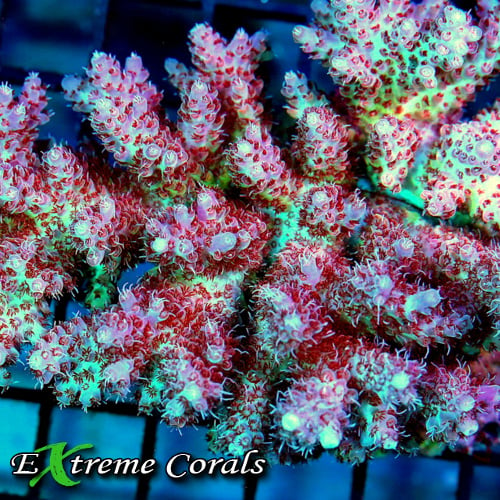
Learn how to care for SPS hard corals in a reef aquarium, including lighting, water flow, feeding, stability, common challenges, and the best ways to help them thrive.
Learn how to care for SPS hard corals in reef aquariums with tips on lighting, flow, water quality, feeding, propagation, and creating a stable coral environment.
by Scott Shiles • April 20, 2026
SPS hard corals are some of the most important and visually impressive corals in reef aquariums because they provide structure, color, and the classic branching reef look that many hobbyists want to create. Known for their calcium carbonate skeletons and small polyps, SPS corals are the building blocks of many coral reef displays. They come in a wide range of shapes, colors, and growth patterns, making them one of the most fascinating coral groups to keep in a reef tank. This guide explains SPS coral diversity, why they are so popular, and how to care for them successfully in a home reef aquarium.
For many reef keepers, SPS corals represent the next step in reefkeeping. They offer incredible beauty and growth potential, but they also demand stronger attention to water quality, lighting, stability, and flow than many soft corals or LPS species. With the right setup and consistent care, SPS corals can become the highlight of a thriving reef aquarium.
Looking to add colorful SPS corals to your reef tank? Browse our SPS corals for sale and explore healthy corals for your aquarium.
What Are SPS Hard Corals?
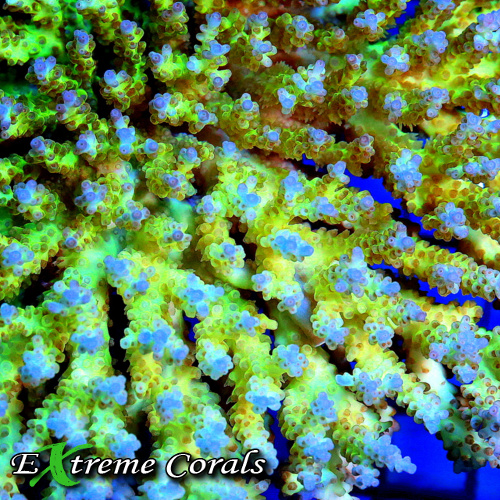
SPS hard corals are small polyp stony corals that form hard calcium carbonate skeletons. These corals use those skeletons to build intricate structures that provide shelter and support for marine life. In reef aquariums, SPS corals are often prized for their branching shapes, strong coloration, and ability to create the classic reef crest look that so many hobbyists admire.
SPS corals also rely on a symbiotic relationship with algae called zooxanthellae, which provide them with energy through photosynthesis. That is one reason why stable conditions and strong lighting are so important for their success.
Why SPS Corals Are So Popular
SPS corals are popular because they bring a different kind of beauty to a reef aquarium. Instead of fleshy movement like many LPS corals, SPS corals create structure, growth, and a more natural reef framework.
- They come in a huge variety of shapes and colors
- They create the classic architectural look of a reef
- They can grow into impressive colonies over time
- They add a high-end, mature feel to the aquarium
For reef keepers who enjoy building a visually layered reefscape, SPS corals are often some of the most rewarding corals to keep.
Types of SPS Corals and Their Diversity
SPS hard corals come in several distinct growth forms, and that diversity is part of what makes them so interesting in reef aquariums. Each type contributes a different look and feel to the tank.
- Branching corals: grow vertically and resemble branches or antlers
- Encrusting corals: spread across rock surfaces and create colorful patterns
- Massive corals: form thicker, more solid structures
This diversity allows reef keepers to create more depth, contrast, and visual complexity in their aquascape. A tank with several SPS growth forms often looks more natural and more mature over time.
Benefits of Keeping SPS Corals in a Reef Tank
In addition to their visual appeal, SPS hard corals offer other benefits in a reef aquarium. They help create a more natural-looking environment and can improve the overall feel of the tank when conditions are stable.
- They provide a colorful and structured habitat for marine life
- They improve the visual depth and realism of the aquascape
- They help create a more stable, mature-looking reef environment
- They contribute to the overall beauty and complexity of the display
For many hobbyists, SPS corals are the corals that make a reef aquarium feel truly complete.
Essential Care Tips for SPS Hard Corals
SPS hard corals usually require more consistency and attention than many other coral types. Strong husbandry habits are one of the biggest keys to long-term success.
- Provide proper lighting to support photosynthesis
- Maintain stable temperature, salinity, and pH
- Test water quality regularly and perform water changes as needed
- Maintain adequate calcium and alkalinity levels
- Avoid overfeeding fish and creating excess nutrients
- Watch closely for signs of bleaching or disease
SPS corals often reward stability more than anything else. A stable system usually matters more than constant small corrections.
Setting Up the Ideal Environment for SPS Corals
Creating the right environment for SPS hard corals means focusing on the key conditions that support growth and color over the long term.
- Proper lighting: SPS corals need strong light for photosynthesis
- Stable water parameters: temperature, salinity, and pH should remain consistent
- Quality water flow: strong circulation helps deliver nutrients and remove waste
- Regular maintenance: tank cleaning, equipment checks, and water changes help keep the system stable
SPS tanks usually perform best when the environment is designed around consistency and strong, reef-like conditions rather than frequent changes.
Feeding Requirements for Healthy SPS Corals
SPS corals commonly rely on zooxanthellae for much of their nutrition, but they can also benefit from supplemental feeding in the aquarium. The goal is to support health without overloading the system with excess nutrients.
- Feed phytoplankton, zooplankton, or specialized coral foods when appropriate
- Support nutrition without overfeeding
- Remember that excessive feeding can hurt water quality
Because nutrient balance is so important in SPS systems, moderation is usually more effective than heavy feeding.
Common Challenges in Caring for SPS Corals
SPS hard corals can be more sensitive than many other coral types, and several common issues often cause problems for hobbyists.
- Lighting: different SPS species may have different light preferences
- Water quality: unstable temperature, salinity, or pH can quickly cause stress
- Compatibility: some SPS corals may compete for space or react poorly to nearby species
- Feeding balance: too little or too much nutritional support can both create issues
- Pests: flatworms, nudibranchs, and parasitic snails can damage colonies
Successful SPS reefkeeping usually comes down to prevention, observation, and consistency rather than constant reaction after a problem becomes severe.
How to Identify and Address Coral Health Issues
Regular monitoring is especially important with SPS corals because they often show stress through visible changes in tissue or color.
Bleaching
If SPS corals turn pale or white, bleaching may be occurring due to stress. Check water temperature, lighting, and nutrient levels, then make adjustments carefully.
Pests
Watch for flatworms, nudibranchs, or bristle worms that can harm coral tissue. Natural predators or appropriate interventions may help reduce pest pressure.
Disease
SPS corals can be affected by issues such as Rapid Tissue Necrosis (RTN) or Brown Jelly Disease. Isolating affected colonies and acting early gives the best chance of limiting damage.
Fast action often makes a major difference in SPS systems because these corals can decline quickly once stress becomes severe.
Effective Propagation Techniques for SPS Corals
Propagation is one of the most exciting parts of keeping SPS hard corals. Fragmentation is one of the most common and effective methods used in reef aquariums.
- Carefully break or cut a healthy section from the colony
- Attach the fragment to new rock or substrate
- Use frag plugs when appropriate for easier handling and growth
Fragging helps expand coral colonies, supports biodiversity in the reef tank, and allows healthy SPS corals to be shared and grown over time.
If you want to learn more about propagation, read our guide on how to frag corals.
Popular SPS Hard Coral Choices
Some SPS hard corals are especially popular because they combine strong color with recognizable growth forms.
- Acropora
- Montipora
- Porites
Each of these corals has its own growth style and care nuances, but all can help create a stunning and vibrant SPS reef display when properly maintained.
Best Tank Setup for SPS Hard Corals
SPS hard corals usually do best in reef tanks with:
- Strong and stable lighting
- Excellent water flow
- Stable temperature, salinity, and pH
- Consistent calcium and alkalinity support
- Controlled nutrient levels
- Regular maintenance and observation
These conditions help create the kind of reef-like environment SPS corals need to maintain color, grow well, and remain healthy long term.
Related Coral Guides You May Also Like
If you are interested in SPS hard corals, you may also want to explore other SPS and reef tank care guides:
- Browse SPS corals for sale
- Acropora care guide
- Montipora care guide
- Seriatopora care guide
- LPS vs SPS coral guide
Ready to build a colorful SPS reef tank? Browse our SPS corals for sale and explore healthy additions for your aquarium.
Shop SPS Hard Corals
Explore our WYSIWYG SPS corals, new arrival corals, and featured corals to build a more colorful reef tank.
Final Thoughts
SPS hard corals are among the most beautiful and rewarding corals in reef aquariums, but they require strong attention to lighting, flow, water quality, and overall stability. Their diversity in shape, color, and growth pattern makes them an exciting coral group for reef hobbyists who want to build a vibrant and structured reef display. With proper care, SPS corals can thrive and create a stunning centerpiece for a healthy reef aquarium.
Frequently Asked Questions
Q: What does SPS mean in reef aquariums?
A: SPS stands for small polyp stony, referring to hard corals with small polyps and a calcium carbonate skeleton.
Q: Do SPS corals need strong lighting?
A: Yes, most SPS corals need strong lighting to support photosynthesis and healthy growth.
Q: Do SPS corals need feeding?
A: They rely heavily on photosynthesis, but some also benefit from supplemental feeding such as phytoplankton or specialized coral foods.
Q: Why are SPS corals considered difficult?
A: They are more sensitive to unstable conditions such as changes in water quality, lighting, and flow.
Q: What are some popular SPS coral types?
A: Acropora, Montipora, and Porites are some of the most popular SPS hard corals in reef aquariums.
About the Author
Scott Shiles is the owner of ExtremeCorals.com, which he has operated for over 25 years and is recognized as one of the early dedicated live coral websites on the internet. A lifelong reef keeper since 1984, Scott has decades of hands-on experience maintaining marine aquariums and previously owned and operated a brick and mortar aquarium retail store for 10 years, including five years alongside Extreme Corals. He holds a degree in Marine Biology and has personally selected and sold hundreds of thousands of live corals. An avid scuba diver who has explored reef systems around the world, Scott shares practical coral care and husbandry knowledge based on real world reef experience.
overall rating:
my rating:
log in to rate
-4 Comments
Please log in to leave a comment.
For more information visit: additional resources