My Cart: 0 item(s)

Extreme Corals News and Updates
The Unique Beauty of Frogspawn Coral: A Flowing LPS Showpiece for Reef Tanks
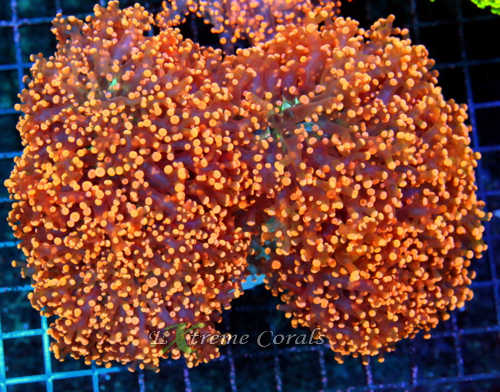
Explore why Frogspawn coral is one of the most visually striking LPS corals for reef aquariums, with practical guidance on color, movement, aquascaping, placement, flow, lighting, feeding, compatibility, and long-term display health.
Discover the unique beauty of Frogspawn coral and learn how to showcase its color, movement, placement, flow, lighting, feeding, and growth in a healthy reef tank.
by Scott Shiles • April 29, 2026
Frogspawn coral is one of the most recognizable movement corals in the reef aquarium hobby. With its branching tentacles, rounded tips, bright fluorescence, and soft swaying motion, it brings a living sense of movement to a reef tank that few corals can match. A healthy Frogspawn colony can turn an ordinary aquascape into a more natural, colorful, and dynamic reef display.
What makes Frogspawn coral so appealing is not just its color. It is the way the coral moves, expands, and fills space. Under the right lighting and water flow, Frogspawn can look almost like a living underwater flower, with each polyp extending into the current and creating a fuller, softer look than many rigid stony corals.
At Extreme Corals, Frogspawn coral has remained popular because it gives reef keepers a strong visual payoff without requiring the same intense lighting and demanding stability often associated with many SPS corals. This article focuses on the unique beauty of Frogspawn coral, how to showcase it properly in a reef tank, and the care details that help keep it open, colorful, and healthy over time.
Why Frogspawn Coral Stands Out in a Reef Aquarium
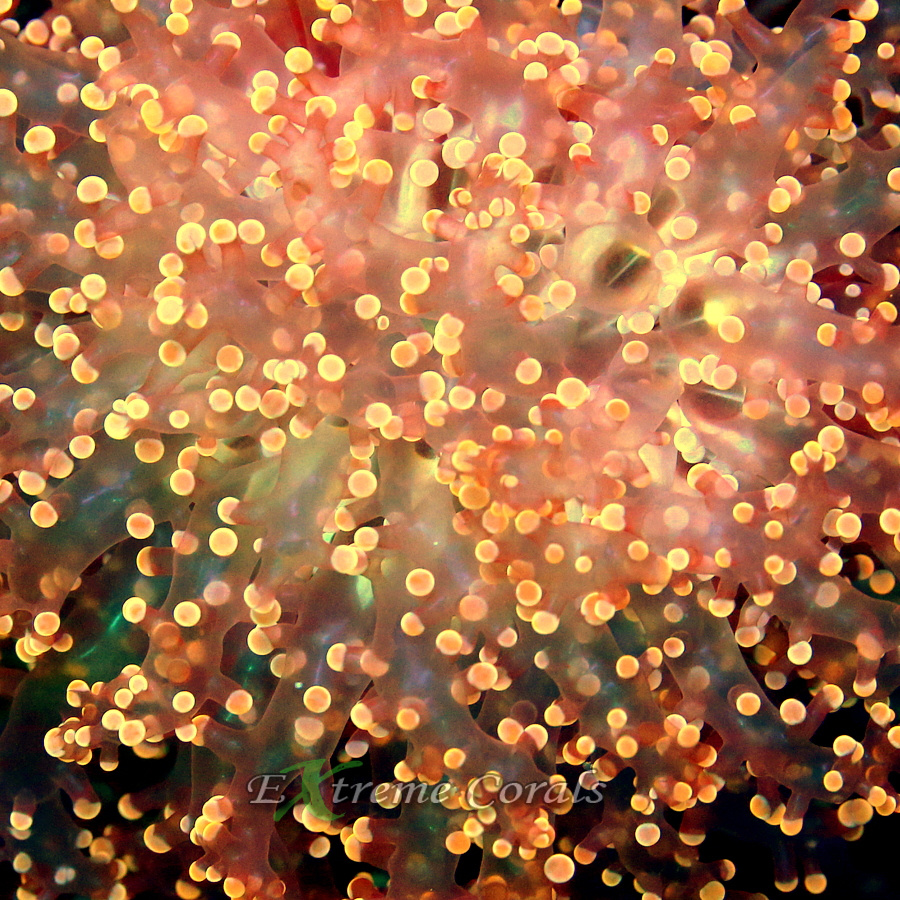
Frogspawn coral stands out because it combines color, movement, and structure in one coral. Many corals are colorful but mostly still. Others move beautifully but lack strong visual contrast. Frogspawn offers both. Its fleshy tentacles move in the current while its tips and branches create texture, depth, and rhythm in the aquarium.
A well-placed Frogspawn coral can become a natural focal point because it draws the eye immediately. The movement catches attention first, then the color and shape become more noticeable as the coral expands. This is especially valuable in mixed reef tanks where some areas can look visually stiff if they are dominated by rockwork and rigid coral structures.
Frogspawn also helps create a more natural reef appearance. Real reefs are full of movement, shadow, texture, and shifting forms. Adding a healthy Frogspawn colony can make a home reef aquarium feel more alive.
What Gives Frogspawn Coral Its Unique Shape?
Frogspawn coral is a large polyp stony coral commonly associated with Euphyllia-style corals. It grows over a hard calcium carbonate skeleton, but the visible beauty comes from the fleshy polyps that extend outward during the day.
The coral gets its common name from the shape of its tentacles. Instead of having single long tips like many torch corals or hammer-shaped ends like hammer corals, Frogspawn tentacles often split into clusters of rounded tips. These clustered ends resemble frog eggs, which is where the name Frogspawn comes from.
This shape gives Frogspawn a fuller, bushier appearance than many other flowing LPS corals. When several heads grow together, the colony can look dense, soft, and highly animated in the water column.
Frogspawn Coral Colors and Visual Appeal
Frogspawn coral can appear in a wide range of colors. Green varieties are especially common, but many specimens show purple, pink, gold, yellow, teal, cream, or contrasting tip colors. Under blue-spectrum reef lighting, many Frogspawn corals fluoresce strongly, making them stand out even more in the aquarium.
Color intensity depends on several factors:
- Lighting spectrum and intensity
- Water quality and nutrient balance
- Coral health and tissue fullness
- Placement within the tank
- Stress level after shipping or relocation
- Stability of alkalinity, salinity, and temperature
A Frogspawn coral that is healthy and comfortable will usually show better extension and richer color than one that is stressed. If the coral is shrinking, fading, or staying closed, the beauty of the piece is being limited by the environment.
Using Frogspawn Coral as a Reef Tank Centerpiece
Frogspawn coral works well as a centerpiece because it has enough size and motion to anchor a section of the aquascape. It does not need to be placed at the very top of the reef structure to be seen. In fact, many Frogspawn corals look best in the middle or lower areas of the tank where moderate lighting and indirect flow are easier to provide.
Good centerpiece placement should give the coral:
- Open space for tentacle movement
- A clear viewing angle from the front of the tank
- Moderate light that enhances color without bleaching tissue
- Indirect water flow that creates gentle motion
- Safe distance from aggressive neighboring corals
- Stable rockwork that prevents tipping or rubbing
Frogspawn does not need to be surrounded by many other corals to look impressive. Sometimes the best visual effect comes from giving it room to breathe so the colony can expand fully and show its natural movement.
Designing a Movement-Rich Reef With Frogspawn Coral
One of the best ways to use Frogspawn coral is to build a movement-rich section of the reef. This can include Frogspawn, hammer corals, torches, soft corals, and other LPS corals that move naturally in the current. The goal is to create a section of the tank that feels alive without overcrowding the corals.
When designing around Frogspawn, think about contrast. Frogspawn looks especially good near corals with different shapes and textures, such as:
- Zoanthids for colorful low-growing polyp mats
- Mushroom corals for rounded texture and lower-light areas
- Brain corals or scolymia for fleshy sandbed contrast
- Soft corals for additional movement in nearby zones
- Branching rock structures that frame the flowing polyps
The key is spacing. Frogspawn is semi-aggressive and should not be crowded. Its beauty is strongest when the tentacles can move freely without touching or being touched by nearby corals.
Best Water Parameters for Healthy Frogspawn Color and Extension
The beauty of Frogspawn coral depends heavily on stability. A colony may survive in a range of reef conditions, but it will only look its best when water chemistry remains consistent.
| Parameter | Recommended Range |
|---|---|
| Temperature | 76-80°F |
| Salinity | 1.024-1.026 specific gravity |
| pH | 8.1-8.4 |
| Alkalinity | 8-10 dKH |
| Calcium | 400-450 ppm |
| Magnesium | 1250-1350 ppm |
| Nitrate | 5-15 ppm |
| Phosphate | 0.03-0.10 ppm |
Frogspawn coral often looks better when nutrients are present but controlled. Water that is too stripped can leave fleshy LPS corals pale or weak. Water that is too dirty can fuel algae, irritate tissue, and increase the risk of bacterial issues. Balanced water quality supports both color and extension.
Lighting for Frogspawn Coral Beauty
Lighting plays a major role in how Frogspawn coral looks. Under blue and actinic reef lighting, many Frogspawn corals glow brightly, especially around the tips and inner tentacle structure. Under balanced daylight, the coral’s full tissue color and shape become easier to see.
Frogspawn usually does best under moderate lighting. A practical range for many pieces is around 100-200 PAR, depending on the coral’s prior conditions, tank depth, and fixture type.
Too much light can reduce the beauty of the coral by causing:
- Faded color
- Bleaching
- Shorter extension
- Tissue pulling tight against the skeleton
- General stress after sudden light changes
Too little light can also reduce color and energy over time. The best approach is moderate light with gradual acclimation. A Frogspawn coral that is fully expanded and holding color is usually in a better lighting zone than one that is constantly shrinking after lights ramp up.
Flow Is What Makes Frogspawn Come Alive
Flow is what brings out the signature movement of Frogspawn coral. The goal is not strong flow. The goal is graceful movement. The tentacles should sway, lift, and shift naturally without being whipped or flattened.
Good Frogspawn flow should be:
- Moderate
- Indirect
- Somewhat random
- Strong enough to prevent debris buildup
- Gentle enough to protect fleshy tissue
If the coral is being blasted by direct current, the tentacles may stay retracted or the tissue may rub against the skeleton. If flow is too weak, detritus may collect around the base, which can irritate the coral. When flow is right, Frogspawn has a relaxed, rhythmic motion that becomes one of the most attractive parts of the reef tank.
Placement Tips for the Best Display
Frogspawn placement should combine beauty and safety. A coral can look great in a certain spot but still fail long term if the flow is too direct, the light is too intense, or neighboring corals are too close.
For most reef tanks, Frogspawn is best placed:
- In the middle to lower part of the aquarium
- On stable rockwork
- In moderate light
- In indirect flow
- With several inches of open space around the colony
- Away from aggressive coral sweepers
- Where the tissue will not rub against sharp rock
A small Frogspawn frag may not look like it needs much room at first, but the colony can expand significantly during the day. Always plan for the coral’s open size, not just its closed size.
Feeding Frogspawn Coral for Fullness and Growth
Frogspawn coral is photosynthetic, but occasional feeding can support fullness, color, and growth. It does not need heavy daily feeding. Small, controlled feeding is usually better than large meals that pollute the water.
Good feeding options include:
- Mysis shrimp
- Brine shrimp
- Finely chopped marine seafood
- Small particle LPS coral foods
- Zooplankton-based foods
- Powdered coral foods used lightly
Target feeding once or twice per week is a good starting point if the coral responds well. Turn down strong flow briefly, offer food gently near the tentacles, and restore normal circulation afterward. If nutrients rise quickly or algae increases, reduce feeding.
The Beauty of Frogspawn Growth Over Time
One of the most rewarding parts of keeping Frogspawn coral is watching it grow into a fuller colony. Branching varieties may slowly add new heads, creating more movement and visual mass over time. A small frag can become a larger display piece when conditions remain stable.
Frogspawn growth depends on:
- Stable alkalinity
- Proper calcium and magnesium levels
- Moderate lighting
- Indirect flow
- Controlled feeding
- Low stress from neighboring corals
- Consistent maintenance
Growth should not be forced by heavy feeding or constant dosing changes. A Frogspawn coral that stays open, colorful, and gradually adds heads is developing well.
Frogspawn Coral in Mixed Reef Aquariums
Frogspawn can work beautifully in mixed reef aquariums when spacing is planned carefully. It pairs visually well with many corals, but it should not be packed too tightly into a crowded aquascape.
Good visual companions may include:
- Zoanthids placed safely outside its reach
- Mushrooms on lower rock or isolated areas
- Soft corals in separate movement zones
- Brain corals or scolymia on the sandbed
- Other Euphyllia-style corals with careful spacing
Use caution with torch corals, galaxea, and other aggressive LPS corals. Also remember that Frogspawn can sting neighboring corals if it is too close. A beautiful mixed reef is not only about color; it is also about giving each coral enough space to behave naturally.
Common Problems That Reduce Frogspawn Coral Beauty
When Frogspawn coral looks poor, the issue is often visible before the coral is in serious trouble. Reduced extension, fading color, shrinking tissue, or exposed skeleton are signs that something needs attention.
Poor Extension
Poor extension may be caused by direct flow, too much light, unstable water parameters, fish nipping, shrimp irritation, coral aggression, or recent relocation. If the coral was just added, give it time, but confirm the placement is not too harsh.
Bleaching or Faded Color
Bleaching or fading is often connected to excessive light, sudden lighting changes, low nutrients, or stress. Reduce light intensity gradually if needed and avoid making several major changes at once.
Tissue Recession
Tissue recession can result from unstable alkalinity, strong direct flow, stinging from neighboring corals, physical damage, or poor water quality. Check the basics before moving the coral repeatedly.
Brown Jelly Disease
Brown jelly disease can appear as brown, slimy tissue decay and may move quickly through Euphyllia-style corals. It is often linked to tissue damage, bacterial issues, or stress. If suspected, act quickly by isolating the affected coral when possible, improving water quality, and using an appropriate coral dip if needed.
How to Keep Frogspawn Looking Its Best
Keeping Frogspawn coral beautiful is mostly about consistency. The coral does not need constant intervention. It needs the right environment and time to settle.
For the best long-term display:
- Keep alkalinity and salinity stable.
- Use moderate lighting and avoid sudden intensity jumps.
- Create indirect flow that produces gentle movement.
- Leave several inches of space around the colony.
- Feed small portions only when the coral responds well.
- Remove detritus from around the skeleton.
- Watch for early signs of tissue recession or brown jelly.
- Avoid unnecessary handling once the coral is settled.
A Frogspawn coral that is stable, open, and gently moving becomes more beautiful with time. The best reef displays are often built through patient placement and steady care rather than constant adjustment.
Related Corals You May Also Like
If you enjoy the movement and visual appeal of Frogspawn coral, these related corals and care resources can help you build a more colorful LPS-focused reef aquarium:
- Large Polyp Stony Corals - Browse colorful LPS corals with movement, feeding response, and showpiece appeal.
- Frogspawn Coral Care Guide - Review additional Frogspawn care information.
- Hammer Coral Care Guide - Learn care tips for another popular Euphyllia-style coral.
- Torch Coral Care Guide - Compare care needs for torch corals and other flowing LPS corals.
- Frogspawn Coral Success Blueprint - Read a deeper guide on building long-term Frogspawn coral success.
- Coral Care Guides - Browse care resources for LPS, SPS, soft corals, mushrooms, and zoanthids.
Shop Frogspawn and LPS Corals
Frogspawn coral is an excellent choice for reef keepers who want movement, color, and a true LPS showpiece in a stable aquarium. Its flowing tentacles and bright fluorescence can transform the look of a reef tank when the coral is placed and cared for properly.
Browse LPS corals, new arrival corals, and Scott's Handpicked Corals at ExtremeCorals.com to find healthy corals that match your lighting, flow, placement, and reefkeeping goals.
Frequently Asked Questions About the Beauty of Frogspawn Corals
Why is Frogspawn coral so popular?
Frogspawn coral is popular because it combines bright color, soft movement, and a unique branching tentacle shape. It can become a strong focal point in a reef tank without requiring the same intense care as many SPS corals.
What makes Frogspawn coral look different from hammer or torch coral?
Frogspawn coral has tentacles with multiple rounded tips that create a clustered, frog-egg-like appearance. Hammer corals have hammer-shaped tips, while torch corals usually have longer, more extended tentacles.
Where does Frogspawn coral look best in a reef tank?
Frogspawn usually looks best in the middle to lower areas of the aquarium where it receives moderate light and indirect flow. This placement allows the tentacles to move naturally without being blasted by current.
How do I make Frogspawn coral open more fully?
Fuller extension usually comes from stable water parameters, moderate lighting, indirect flow, proper spacing, and low stress from fish, shrimp, or nearby corals. Avoid moving the coral repeatedly once it is placed well.
Does Frogspawn coral need blue light to look good?
Blue-spectrum lighting can enhance fluorescence and make Frogspawn coral glow, but the coral still needs balanced reef lighting and stable care. Beauty depends on health first, then lighting presentation.
Can Frogspawn coral be a centerpiece coral?
Yes, Frogspawn can be an excellent centerpiece coral because of its movement, size, and color. It should be given enough open space so the colony can expand without touching neighboring corals.
Why did my Frogspawn coral lose color?
Color loss may be caused by excessive light, sudden lighting changes, nutrient imbalance, unstable water parameters, shipping stress, or poor placement. Review recent changes before adjusting several things at once.
Can Frogspawn coral be kept with other LPS corals?
Yes, Frogspawn can be kept with other LPS corals if spacing is planned carefully. It is semi-aggressive and can sting nearby corals, so leave several inches of room around the colony.
About the Author
Scott Shiles is the owner of ExtremeCorals.com, which he has operated for over 25 years and is recognized as one of the early dedicated live coral websites on the internet. A lifelong reef keeper since 1984, Scott has decades of hands-on experience maintaining marine aquariums and previously owned and operated a brick and mortar aquarium retail store for 10 years, including five years alongside Extreme Corals. He holds a degree in Marine Biology and has personally selected and sold hundreds of thousands of live corals. An avid scuba diver who has explored reef systems around the world, Scott shares practical coral care and husbandry knowledge based on real world reef experience.
overall rating:
my rating:
log in to rate
Please log in to leave a comment.
For more information visit: additional resources