My Cart: 0 item(s)

Extreme Corals News and Updates
Zoanthid Coral Care for Beginners: Lighting, Flow, Feeding and Zoa Garden Tips
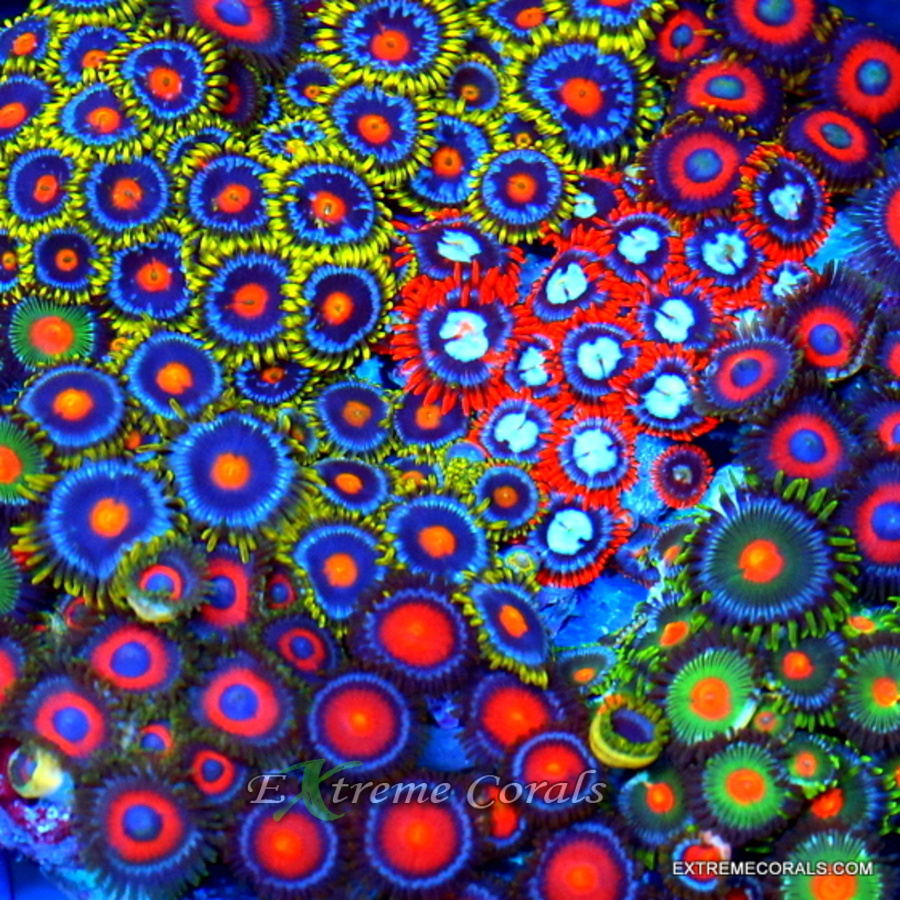
A practical reef aquarium guide to keeping zoanthids healthy, colorful, open, and growing with the right water parameters, lighting, flow, placement, feeding, pest prevention, safety practices, and long-term zoa garden care.
Learn beginner zoanthid coral care, including lighting, flow, feeding, placement, water parameters, pests, safety, growth, color, and zoa garden tips for reef tanks.
by Scott Shiles • April 30, 2026
Zoanthids are one of the best coral choices for reef keepers who want bright color, manageable care, and the ability to build a vibrant reef aquarium without jumping straight into the most demanding coral groups. Often called zoas, these small colonial polyps can create colorful carpets across rockwork, rubble, and frag plugs when given stable water, proper lighting, moderate flow, and clean placement areas.
For beginners, zoanthids are appealing because they are generally hardy, adaptable, and available in a huge range of colors and patterns. They can be used as accent corals, collected as named varieties, or grown into a full zoa garden that becomes one of the most colorful sections of the tank. The key is understanding that zoanthids are easy compared with many corals, but they are not maintenance-free.
At Extreme Corals, zoanthids remain popular because they give reef keepers a lot of visual reward in a small amount of space. This guide explains how to care for zoanthid corals in a reef aquarium, including water parameters, lighting, water flow, placement, feeding, pest prevention, safe handling, growth, troubleshooting, and how to keep your zoas open, colorful, and healthy long term.
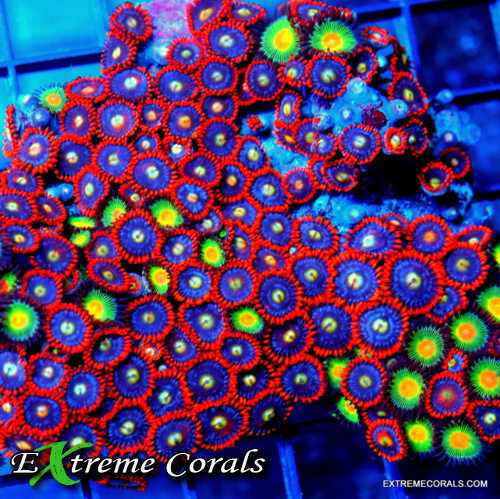
What Are Zoanthids?
Zoanthids are colonial coral-like polyps that grow together across hard surfaces. Each polyp has a center mouth surrounded by small tentacles, and many varieties show intense colors under reef aquarium lighting. They do not build large hard skeletons like LPS or SPS corals, which makes them easier to place in many areas of the aquascape.
Zoanthids are often grouped with other beginner-friendly reef corals because they can adapt to a range of normal reef tank conditions. They are commonly grown on rock, rubble, frag plugs, zoa islands, and lower to middle rockwork where lighting and flow are moderate.
Zoanthids are popular because they offer:
- Bright color variety
- Beginner-friendly care in stable reef tanks
- Colony growth over time
- Good use in nano reefs and larger aquariums
- Strong collectible appeal
- Easy visual monitoring because polyps open and close clearly
- Excellent potential for colorful zoa garden displays
Why Zoanthids Are a Strong Beginner Coral
Zoanthids are often a strong beginner coral because they do not require intense SPS-level lighting, heavy target feeding, or extremely strong water flow. They still need stable conditions, but they usually give newer reef keepers more room to learn than many sensitive stony corals.
They are especially useful for beginners because they show their response clearly. When zoanthids are happy, they open, hold color, and slowly add new polyps. When something is wrong, they often close, shrink, fade, or slow down before the problem becomes more serious.
Zoanthids are a good fit for reef keepers who can provide:
- A cycled, stable reef aquarium
- Consistent salinity and temperature
- Moderate lighting
- Moderate indirect flow
- Controlled nutrients
- Basic pest inspection and coral dipping when appropriate
- Safe handling practices when moving or fragging zoas
They are not the best coral for a brand-new uncycled aquarium, but once the tank is stable, zoanthids can be one of the most rewarding early coral choices.
Best Water Parameters for Zoanthid Coral Care
Zoanthids are forgiving compared with many corals, but they still do best in stable reef water. Sudden swings in salinity, alkalinity, temperature, nitrate, or phosphate can cause colonies to close or decline.
| Parameter | Recommended Range |
|---|---|
| Temperature | 76-80°F |
| Salinity | 1.024-1.026 specific gravity |
| pH | 8.1-8.4 |
| Alkalinity | 8-10 dKH |
| Calcium | 400-450 ppm |
| Magnesium | 1250-1350 ppm |
| Nitrate | 5-15 ppm |
| Phosphate | 0.03-0.10 ppm |
Zoanthids usually do better in water that is clean but not stripped completely of nutrients. A reef tank with zero nitrate and zero phosphate may cause zoas to look pale, stay smaller, or grow slowly. Excess nutrients can create algae problems that irritate the colony. The goal is balanced, stable water.
Lighting Requirements for Zoanthids
Zoanthids are photosynthetic, which means they receive energy from light through symbiotic algae in their tissue. Most zoanthids do well under moderate reef lighting, although different varieties may respond differently based on color, origin, and previous tank conditions.
A practical lighting range for many zoanthids is around 75-150 PAR. Some varieties can adapt to lower or higher light, but sudden changes should be avoided. A zoanthid colony that is moved from lower light directly into intense light may close, fade, bleach, or shrink.
Signs that zoanthids may be getting too much light include:
- Polyps staying closed during peak light hours
- Faded or washed-out coloration
- Smaller polyps than normal
- Bleached or pale tissue
- Better extension only in shaded periods
Signs that zoanthids may need more light include:
- Stretching upward toward the light
- Dull coloration
- Slow growth when water quality is stable
- Polyps opening but looking weak or elongated
Make lighting changes gradually. Zoanthids often improve when given time to adjust instead of being moved repeatedly.
Water Flow for Zoanthid Health
Zoanthids usually prefer moderate, indirect water flow. Flow is important because debris, algae, and film can settle between polyps if the colony sits in a dead spot. At the same time, strong direct flow can keep polyps closed.
Good zoanthid flow should:
- Keep detritus from settling between polyps
- Move oxygen and nutrients across the colony
- Help reduce algae growth around the mat
- Allow polyps to open fully
- Avoid blasting the colony from one direction
The best visual sign is a colony that opens fully while the polyps move gently in the current. If the polyps are pinned down or staying closed, reduce direct flow. If debris collects around the colony, increase indirect flow or adjust pump direction.
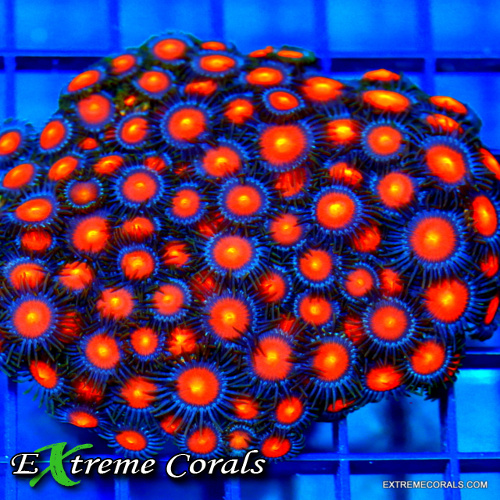
Best Placement for Zoanthids in a Reef Tank
Zoanthid placement should be based on light, flow, growth control, and coral compatibility. Most zoanthids do well on lower to middle rockwork where lighting is moderate and flow is indirect.
Good placement options include:
- Lower to middle rockwork
- Dedicated zoa garden rocks
- Rubble islands on the sandbed
- Frag plugs during observation or acclimation
- Areas away from aggressive LPS corals
- Spaces where growth can be controlled over time
Avoid placing zoanthids directly next to torch corals, hammer corals, frogspawn, galaxea, aggressive chalices, or large brain corals with strong sweeper tentacles. Zoanthids may be hardy, but they can still be damaged by stronger stinging corals.
How to Build a Better Zoa Garden
A zoa garden can become one of the most colorful parts of a reef aquarium. The best zoa gardens are planned instead of randomly assembled. Different varieties grow at different speeds, and faster-growing zoas can crowd slower premium varieties if they are placed too closely.
To build a stronger zoa garden:
- Use a separate rock or island to control spread.
- Start with healthy frags that have fully opening polyps.
- Leave space between varieties for growth.
- Place faster-growing zoas where they will not overrun slower types.
- Mix contrasting colors for better visual impact.
- Keep lighting and flow consistent across the garden.
- Inspect regularly for pests and algae.
A good zoa garden should look intentional. Bright greens, oranges, reds, blues, yellows, and purples can create a powerful display when arranged for contrast rather than crowded together without a plan.
Feeding Zoanthids
Zoanthids are photosynthetic and do not need heavy feeding. Most receive much of their energy from light and from nutrients naturally available in a healthy reef tank. However, occasional fine feeding can support growth and color in some systems.
Good zoanthid feeding options include:
- Fine particle coral foods
- Zooplankton-based foods used lightly
- Phytoplankton-style foods used carefully
- Amino acids used sparingly
- Natural nutrients from fish feeding
Avoid overfeeding. Extra food can raise nitrate and phosphate, fuel algae, and cause the exact problems that make zoanthids close. Small amounts used occasionally are usually better than heavy direct feeding.
Some larger paly-type polyps may accept larger foods more readily than smaller zoanthids, but most zoa gardens do best with balanced nutrients, good light, and clean moderate flow.
Zoanthid Color: How to Keep Zoas Vibrant
Zoanthid color depends on more than the coral’s genetics. Lighting spectrum, light intensity, nutrient level, water stability, pest pressure, and overall health all affect how bright and full the colony looks.
To support better zoanthid color:
- Use consistent reef lighting with gradual changes.
- Keep nitrate and phosphate measurable but controlled.
- Avoid letting algae grow around the colony.
- Keep flow strong enough to prevent debris buildup.
- Inspect for pests when polyps stay closed.
- Avoid constant moving after the colony is placed.
Blue-spectrum lighting can make zoanthids fluoresce strongly, but health comes before lighting tricks. A stressed zoa colony will not show its best color no matter how strong the lights are.
Zoanthid Growth: What Beginners Should Expect
Zoanthids grow by adding new polyps from the colony mat. Growth speed varies by variety. Some common zoas can spread quickly, while premium or sensitive varieties may grow slowly even under good conditions.
Healthy growth signs include:
- New polyps forming around the edge of the colony
- Polyps opening consistently during the day
- Stable or improving color
- Colony mat spreading across plug or rock
- No algae smothering the base
Do not expect every zoanthid variety to grow at the same speed. A slow-growing zoa is not always unhealthy. The better measure is whether it stays open, holds color, and adds new polyps over time.
Zoanthid Safety and Palytoxin Awareness
Zoanthids and paly-type corals should be handled with respect. Some varieties may contain palytoxin or similar compounds, which can be dangerous if mishandled. Safe handling should be standard practice any time zoanthids are moved, cut, scrubbed, or fragged.
Safe zoanthid handling tips include:
- Wear gloves when handling zoanthids.
- Use eye protection when fragging or cutting colonies.
- Never boil zoanthid-covered rock.
- Do not aggressively scrub zoanthids outside the aquarium.
- Wash hands and tools after handling.
- Keep zoanthids away from open cuts.
- Keep children and pets away from fragging areas.
Zoanthids are safe and common in reef aquariums when handled responsibly. The point is not to fear them, but to treat them with the same respect you would give any living marine animal that can produce defensive compounds.
Inspecting and Acclimating New Zoanthids
New zoanthids should be inspected carefully before being added to a display tank. Pests, algae, damaged tissue, and hitchhikers are easier to deal with before the coral is placed into the main aquarium.
A good zoanthid introduction process includes:
- Temperature acclimate the zoanthid frag or colony.
- Inspect the plug, rock, and underside for pests or algae.
- Use a coral dip when appropriate and follow product directions.
- Start the zoanthids in moderate or slightly lower light.
- Place them in moderate indirect flow.
- Give the colony time to settle before moving it again.
Some zoanthids open within hours, while others may take several days after shipping, dipping, or handling. If the colony remains closed, inspect for pests and check flow, light, and water stability.
Common Zoanthid Pests
Pests are one of the most common reasons zoanthids stay closed or slowly decline. A colony that refuses to open while nearby corals look normal should be inspected closely.
Common zoanthid pests and irritants include:
- Zoanthid-eating nudibranchs
- Sundial snails
- Small predatory hitchhikers
- Flatworms
- Asterina starfish in some cases
- Vermetid snails irritating nearby tissue
- Algae growing over the colony mat
Look around the base, between polyps, under the frag plug, and after lights go out. Early detection makes pest problems much easier to manage.
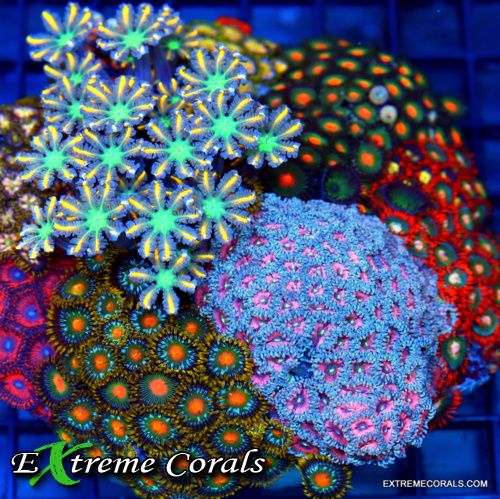
Why Zoanthids Stay Closed
Closed zoanthids are common, but the reason is not always the same. A colony may close temporarily after being touched by a snail, moved, dipped, or disturbed during maintenance. Long-term closure usually means something needs attention.
Common reasons zoanthids stay closed include:
- Recent shipping or fragging stress
- Too much light
- Too much direct flow
- Too little flow and debris buildup
- Unstable salinity or alkalinity
- Pests or hitchhikers
- Algae growing around the colony
- Fish or invertebrate irritation
- Nearby coral aggression
If one zoanthid colony is closed while everything else looks normal, inspect that colony first. If several corals are reacting at the same time, check water parameters and recent tank changes.
Common Zoanthid Problems and Fixes
Zoanthids are hardy, but they can still struggle when pests, algae, unstable water, or poor placement are ignored. Most problems are easier to correct when caught early.
Zoanthids Melting
Melting may be caused by bacterial stress, pest damage, unstable water, poor shipping recovery, or damaged tissue. Remove decaying material if needed, improve water quality, inspect for pests, and consider an appropriate coral dip.
Algae Growing Between Polyps
Algae can smother zoanthids and keep them closed. Improve nutrient control, increase moderate indirect flow, and remove algae carefully without tearing the colony mat.
Faded Zoanthid Color
Fading can be caused by too much light, low nutrients, unstable water, shipping stress, or pest irritation. Adjust lighting slowly and avoid stripping nutrients too low.
Slow Zoa Growth
Slow growth may be caused by insufficient light, poor flow, low nutrients, unstable water, pests, or the natural growth rate of the variety. Some zoanthids simply grow slower than others.
Polyps Stretching Toward the Light
Stretching often means the zoanthids want more light. Move them gradually to a brighter area or slowly increase lighting intensity if the colony is otherwise healthy.
Compatibility With Fish and Other Corals
Zoanthids work well in many mixed reef aquariums, but compatibility still matters. Some fish may nip at polyps, and some corals can sting or overgrow zoanthid colonies.
Good tank mates often include:
- Clownfish
- Gobies
- Blennies
- Peaceful wrasses
- Snails
- Most reef-safe shrimp
- Mushrooms and soft corals with planned spacing
- LPS corals placed far enough away to prevent stinging
Use caution with angelfish, butterflyfish, some filefish, and other fish known to nip coral polyps. Also avoid placing zoanthids where aggressive LPS corals can reach them with sweeper tentacles.
Maintenance Tips for Long-Term Zoanthid Success
Zoanthid care is usually straightforward, but consistency matters. A healthy zoa garden depends on stable water, clean colony surfaces, pest prevention, and proper placement.
Good long-term habits include:
- Test salinity, alkalinity, nitrate, phosphate, and temperature regularly.
- Keep moderate indirect flow across zoanthid colonies.
- Remove detritus and algae before they smother polyps.
- Inspect new zoanthids before adding them to the display.
- Dip new frags when appropriate.
- Keep aggressive corals away from zoa gardens.
- Make lighting changes gradually.
- Use gloves and eye protection when fragging or handling zoanthids.
The best zoanthid colonies are usually the ones that are placed correctly, left alone to settle, and maintained in stable water over time.
How to Tell If Zoanthids Are Healthy
Healthy zoanthids are usually easy to recognize. They open regularly, hold color, and slowly add new polyps when conditions are right.
Positive signs include:
- Polyps opening fully during the light period
- Stable or improving coloration
- New polyps forming around the colony edge
- No algae smothering the mat
- No visible pests or bite marks
- Good response after settling into the tank
- Consistent extension without constant irritation
Short-term closing after maintenance or handling is normal. Long-term closing, melting, fading, or shrinking should be investigated.
Related Corals You May Also Like
If you enjoy zoanthids, these related coral categories and care resources can help you build a more colorful, polyp-rich reef aquarium:
- Zoanthids - Browse colorful zoa colonies and frags for reef aquariums.
- Zoanthid Coral Care Guide - Review quick care requirements for zoanthid corals.
- Mushroom Corals - Add colorful Discosoma, Rhodactis, Ricordia, and other mushroom corals.
- Ricordia Mushrooms - Explore bright mushroom-style corals that pair well with zoa gardens when spaced properly.
- Soft Corals - Browse hardy corals that add movement, texture, and beginner-friendly color.
- LPS Corals - Add showpiece corals to contrast with zoanthid gardens.
- Coral Care Guides - Browse coral care resources for zoanthids, mushrooms, soft corals, LPS, and SPS corals.
Shop Zoanthids and Colorful Reef Corals
Zoanthids are excellent choices for reef keepers who want bright color, manageable care, and the ability to build a vibrant polyp garden over time. With the right lighting, flow, placement, and pest prevention, healthy zoas can become one of the most colorful sections of your reef aquarium.
Browse zoanthids, new arrival corals, mushroom corals, soft corals, and Scott's Handpicked Corals at ExtremeCorals.com to find colorful corals that match your reef tank, lighting, flow, and long-term goals.
Frequently Asked Questions About Zoanthid Coral Care
Are zoanthids good corals for beginners?
Yes, zoanthids are good beginner corals for stable reef tanks. They are colorful, adaptable, and usually do well with moderate lighting, moderate indirect flow, and stable water parameters.
Where should zoanthids be placed in a reef tank?
Zoanthids usually do best on lower to middle rockwork or dedicated zoa garden rocks where they receive moderate light and moderate indirect flow. Keep them away from aggressive corals with long sweeper tentacles.
How much light do zoanthids need?
Most zoanthids do well under moderate lighting, often around 75-150 PAR. Some varieties prefer lower or higher light, so watch polyp extension, color, and growth after placement.
What kind of flow is best for zoanthids?
Moderate indirect flow is best for most zoanthids. The flow should keep debris from settling between polyps without blasting the colony so hard that the polyps stay closed.
Do zoanthids need feeding?
Zoanthids are photosynthetic and do not need heavy feeding, but they may benefit from occasional fine particle coral foods, zooplankton-based foods, or balanced nutrients from normal fish feeding.
Why are my zoanthids closed?
Zoanthids may close because of recent handling, too much light, too much flow, too little flow, unstable water, pests, algae, fish irritation, or nearby coral aggression.
Are zoanthids dangerous to handle?
Some zoanthids and paly-type corals may contain palytoxin or similar compounds. Use gloves and eye protection when handling or fragging, never boil zoanthid rock, and wash hands and tools afterward.
How fast do zoanthids grow?
Zoanthid growth varies by variety and tank conditions. Some grow quickly, while premium or sensitive varieties may grow slowly. Stable water, moderate flow, proper light, and pest prevention support better growth.
About the Author
Scott Shiles is the owner of ExtremeCorals.com, which he has operated for over 25 years and is recognized as one of the early dedicated live coral websites on the internet. A lifelong reef keeper since 1984, Scott has decades of hands-on experience maintaining marine aquariums and previously owned and operated a brick and mortar aquarium retail store for 10 years, including five years alongside Extreme Corals. He holds a degree in Marine Biology and has personally selected and sold hundreds of thousands of live corals. An avid scuba diver who has explored reef systems around the world, Scott shares practical coral care and husbandry knowledge based on real world reef experience.
overall rating:
my rating:
log in to rate
Please log in to leave a comment.
For more information visit: additional resources