My Cart: 0 item(s)

Extreme Corals News and Updates
Frogspawn Coral Care Guide: Lighting, Flow, Placement & Growth Tips (2026)
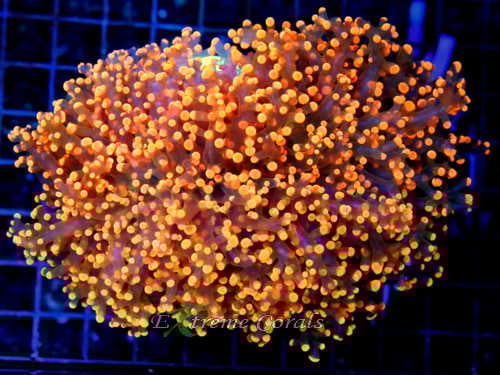
Frogspawn Coral care guide – Learn how to maintain this flowing and semi-aggressive LPS coral in your reef aquarium.
Frogspawn Coral (Euphyllia divisa) is a stunning LPS coral from the Indo-Pacific. This guide covers lighting, flow, feeding, and placement to ensure success in your home reef tank.
by Scott Shiles • June 26, 2025
Frogspawn Coral Care Guide for Reef Tanks
Introduction to Frogspawn Coral
Frogspawn coral (Euphyllia divisa) is one of the most popular LPS corals in reef aquariums due to its flowing movement and ease of care. Whether you’re a beginner or experienced reefer, understanding proper lighting, water flow, and placement is key to keeping frogspawn coral healthy and thriving. This guide covers everything you need to know for long-term success.
Frogspawn Coral (Euphyllia divisa) is a Large Polyp Stony (LPS) coral recognized for its long, branching tentacles that resemble frog eggs. It is one of the most popular LPS corals due to its graceful movement, vibrant coloration, and moderate care requirements. Available in green, purple, pink, and gold varieties, Frogspawn adds a dramatic and eye-catching effect to reef tanks.
Like its close relatives—Hammer Coral (Euphyllia ancora) and Torch Coral (Euphyllia glabrescens)—Frogspawn Coral has moderate aggression and uses sweeper tentacles to defend its space. Proper placement is essential to prevent conflicts with nearby corals.
Natural Habitat and Location in the Wild
Frogspawn Coral is found in the Indo-Pacific region, particularly in Australia, Indonesia, Fiji, the Solomon Islands, and the Great Barrier Reef. It thrives in lagoonal reefs and reef slopes, where it grows in moderate lighting and gentle water flow while attaching to rocky substrates.
Why Choose Frogspawn Coral for Your Reef Tank?
- Flowing, Tentacle-Like Movement – Adds dynamic motion to the aquarium.
- Moderate Care Level – Hardy but requires stable parameters.
- Branching & Wall Growth Forms – Adaptable to different tank setups.
- Photosynthetic but Benefits from Feeding – Gains energy from both light and supplemental feedings.
Optimal Water Parameters
Maintaining stable conditions ensures the best health and coloration for Frogspawn Coral:
| Parameter | Ideal Range |
|---|---|
| Temperature | 76-80°F (24-27°C) |
| Salinity | 1.024-1.026 SG |
| pH | 8.1-8.4 |
| Alkalinity | 8-10 dKH |
| Calcium | 400-450 ppm |
| Magnesium | 1250-1350 ppm |
| Nitrate | 5-10 ppm |
| Phosphate | 0.03-0.07 ppm |
Regular water changes (10-15% weekly) help maintain stability and prevent nutrient imbalances.
“How to Tell if Frogspawn Coral is Healthy”
- Full polyp extension
- Color
- Tissue inflation
Frogspawn Coral Lighting Requirements
Frogspawn coral thrives under moderate lighting conditions, making it ideal for most reef aquariums. The recommended light intensity is PAR 100–200, which allows for healthy growth without causing stress or bleaching.
LED lighting with a strong blue spectrum (around 20,000K) helps enhance coloration and supports photosynthesis through the coral’s zooxanthellae.
Too much light can cause the coral to retract or bleach, while too little light may slow growth and dull its color. Always acclimate frogspawn coral slowly when introducing it to higher light levels.
Frogspawn Coral Flow Requirements
Frogspawn coral prefers moderate, indirect water flow. The goal is to create a gentle, swaying motion of the tentacles rather than strong, direct blasting flow.
Proper flow helps:
- Deliver nutrients
- Remove waste and debris
- Prevent algae buildup
Avoid placing frogspawn coral in high-flow areas, as excessive flow can damage delicate tissue and prevent the coral from fully extending.
Frogspawn Coral Placement in the Tank
The ideal placement for frogspawn coral is in the middle to lower areas of the aquarium. This provides the right balance of light and flow.
Be sure to leave adequate space between frogspawn and other corals. Frogspawn is considered semi-aggressive and can extend sweeper tentacles that may sting nearby corals.
A good rule is to allow at least 3–6 inches of space around the colony to prevent coral warfare.
Water Parameters for Frogspawn Coral
Maintaining stable water parameters is essential for long-term success. Frogspawn coral does best in the following conditions:
- Salinity: 1.025
- Temperature: 76–78°F
- Alkalinity: 8–9 dKH
- Calcium: 400–450 ppm
- Magnesium: 1250–1350 ppm
- Nitrate: 5–15 ppm
- Phosphate: 0.03–0.1 ppm
Stability is more important than chasing exact numbers. Sudden swings in alkalinity or salinity can lead to stress or tissue recession.
Feeding Frogspawn Coral for Growth
While frogspawn coral primarily relies on photosynthesis, supplemental feeding can significantly boost growth and coloration.
You can feed:
- Mysis shrimp
- Reef roids or coral foods
- Finely chopped seafood
Target feeding once or twice per week can encourage faster growth and larger polyp extension. Be careful not to overfeed, as excess nutrients can negatively impact water quality.
Frogspawn Coral Growth Rate and Behavior
Frogspawn coral is a branching LPS coral that grows by forming new heads over time. Under proper conditions, it can grow steadily and even be fragged into multiple colonies.
Healthy frogspawn will:
- Extend fully during the day
- Show gentle, flowing movement
- Develop additional heads over time
Growth rate depends on lighting, feeding, and water stability, but most hobbyists see noticeable growth within a few months.
Common Frogspawn Coral Problems
Brown Jelly Disease
A fast-spreading bacterial infection that appears as a brown, jelly-like substance on the coral. Immediate action is required, including removing affected heads and performing iodine dips.
Tissue Recession
Often caused by unstable parameters, low alkalinity, or stress. You may notice the tissue pulling away from the skeleton. Stabilizing water chemistry is key to recovery.
Not Opening or Poor Extension
This can result from:
- Too much or too little flow
- Lighting stress
- Poor water quality
- Recent placement changes
Give the coral time to adjust and ensure all parameters are within range.
How Fast Does Frogspawn Coral Grow?
Frogspawn coral is considered a moderate-growing LPS coral, with growth depending heavily on lighting, water stability, and feeding. Under ideal conditions, hobbyists can expect to see new heads forming every few months.
Frogspawn grows in a branching structure, meaning each head can eventually split and form additional branches. Over time, a single colony can expand into a large, multi-head showpiece.
Growth can be accelerated by:
- Stable alkalinity and calcium levels
- Moderate lighting (PAR 100–200)
- Regular feeding (1–2 times per week)
- Low stress and consistent placement
Fragging Potential
One of the biggest advantages of frogspawn coral is its ease of propagation (fragging). Because it grows in distinct branches, hobbyists can carefully cut between heads to create new frags.
Benefits of fragging frogspawn:
- Expand your coral collection
- Trade or sell frags
- Prevent overcrowding in the tank
Always use proper tools and allow time for healing after fragging to avoid infection or stress.
Frogspawn vs Hammer Coral (Quick Comparison)
Frogspawn coral and hammer coral are both part of the Euphyllia family, and they share similar care requirements. However, there are key differences in appearance and behavior that reef hobbyists should understand.
Appearance
- Frogspawn Coral: Tentacles have multiple rounded tips, giving a “frog egg” or clustered appearance
- Hammer Coral: Tentacles have a distinct hammer or anchor shape
Growth Structure
- Frogspawn: Branching growth, easier to frag
- Hammer: Can be branching or wall-type (wall varieties are harder to frag)
Aggression
- Both are semi-aggressive and can extend sweeper tentacles
- Should be spaced properly from other corals
Care Requirements
Both corals prefer:
- Moderate lighting (PAR 100–200)
- Moderate, indirect flow
- Stable water parameters
Which Is Better?
Neither is “better”—it comes down to personal preference. Frogspawn coral is often favored for its flowing, dynamic movement, while hammer coral is prized for its bold, structured appearance.
Tank Size and Setup
- Minimum Tank Size: 30 gallons or larger.
- Placement: Prefers mid to lower areas of the tank with moderate flow.
- Substrate Considerations: Best placed on rockwork, ensuring enough space for tentacle extension.
Lighting Requirements
Frogspawn Coral thrives under moderate lighting, which enhances its fluorescence while preventing bleaching.
- PAR Range: 100-200 PAR
- Lighting Type: LED, T5, or hybrid setups.
- Lighting Schedule: 8-10 hours per day, with gradual intensity transitions.
Water Flow and Circulation
- Moderate, indirect water flow ensures proper tentacle extension.
- Avoid strong, direct currents, which can cause tissue recession.
- Randomized flow patterns help prevent detritus buildup and enhance nutrient absorption.
Feeding and Nutrition
Frogspawn Coral benefits from both photosynthesis and direct feeding, absorbing nutrients through its polyps.
- Preferred Foods: Mysis shrimp, brine shrimp, reef roids, and amino acids.
- Feeding Frequency: 2-3 times per week enhances growth and polyp extension.
- Best Feeding Method: Target feeding at night when tentacles are extended.
Tank Mates and Compatibility
- Safe Companions: Clownfish, gobies, blennies, shrimp, and snails.
- Caution With: Other LPS corals—Frogspawn has long sweeper tentacles that can sting neighbors.
- Avoid: Aggressive fish like certain angelfish and butterflyfish, which may nip at its tentacles.
Growth Rate and Propagation
- Moderate growth rate, expanding as it absorbs nutrients.
- Fragging Method: Branching varieties can be fragged using a bone cutter, while wall varieties are more difficult to propagate.
Common Diseases and How to Prevent Them
- Brown Jelly Disease – A bacterial infection requiring iodine dips and improved water quality.
- Tissue Recession – Often caused by unstable parameters, excessive flow, or aggression from nearby corals.
- Algae Overgrowth – Can suffocate the coral if excess nutrients are present.
Handling and Acclimation
- Drip acclimation is recommended to gradually adjust the coral to new water conditions.
- Minimize handling, as its fleshy structure is prone to damage.
Maintenance and Cleaning
- Perform weekly water changes (10-15%) to maintain water quality.
- Remove detritus buildup around the coral to prevent bacterial infections.
Signs of Stress and How to Address Them
- Shrunken or retracted tentacles – May indicate poor water quality, excessive flow, or aggressive tank mates.
- Faded or bleached coloration – Reduce light intensity and increase feeding.
- Receding tissue or damage – Ensure stable water conditions and avoid sharp surfaces.
Troubleshooting Common Issues
- Bleaching – Caused by excessive light exposure; relocate to a lower-light area.
- Pest Infestation – Inspect regularly for flatworms, nudibranchs, or parasitic snails.
- Slow Growth – Increase target feeding and ensure stable alkalinity and calcium levels.
FAQs on Frogspawn Coral Care
1. How fast does Frogspawn Coral grow?
It has a moderate growth rate, expanding slowly over time.
2. Can Frogspawn Coral be kept in a nano tank?
Yes, but stable water parameters and ample space for tentacle extension are essential.
3. Does Frogspawn Coral require direct feeding?
While it survives on photosynthesis, target feeding enhances growth and tentacle extension.
4. How can I tell if my coral is unhealthy?
Signs include retracted tentacles, faded colors, or tissue loss.
5. Can Frogspawn Coral be placed near other corals?
It should be spaced at least 6 inches away to prevent stinging other corals.
6. What is the best way to frag Frogspawn Coral?
Branching varieties can be fragged using a bone cutter, but wall varieties are difficult to propagate.
Frogspawn coral is an excellent addition to most reef aquariums when provided with stable parameters, moderate lighting, and proper flow. With the right placement and care, this coral can grow quickly and become a centerpiece in your tank.
About the Author
Scott Shiles is the owner of ExtremeCorals.com, which he has operated for over 25 years and is recognized as one of the early dedicated live coral websites on the internet. A lifelong reef keeper since 1984, Scott has decades of hands-on experience maintaining marine aquariums and previously owned and operated a brick and mortar aquarium retail store for 10 years, including five years alongside Extreme Corals. He holds a degree in Marine Biology and has personally selected and sold hundreds of thousands of live corals. An avid scuba diver who has explored reef systems around the world, Scott shares practical coral care and husbandry knowledge based on real world reef experience.
Scott Shiles is the owner of ExtremeCorals.com, which he has operated for over 25 years and is recognized as one of the early dedicated live coral websites on the internet. A lifelong reef keeper since 1984, Scott has decades of hands-on experience maintaining marine aquariums and previously owned and operated a brick and mortar aquarium retail store for 10 years, including five years alongside Extreme Corals. He holds a degree in Marine Biology and has personally selected and sold hundreds of thousands of live corals. An avid scuba diver who has explored reef systems around the world, Scott shares practical coral care and husbandry knowledge based on real world reef experience.
overall rating:
my rating:
log in to rate
Please log in to leave a comment.
For more information visit: additional resources