My Cart: 0 item(s)

Extreme Corals News and Updates
Acanthophyllia vs Indophyllia vs Cynarina: Key Differences, Care and Reef Tank Placement
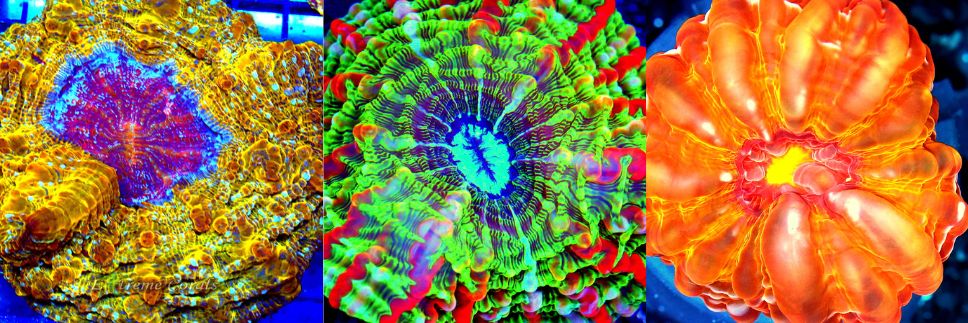
Learn the differences and similarities between Acanthophyllia, Indophyllia, and Cynarina corals, including appearance, lighting, flow, feeding, coloration, and reef tank placement.
Compare Acanthophyllia, Indophyllia, and Cynarina corals in reef aquariums with tips on appearance, lighting, flow, feeding, placement, and care requirements.
by Scott Shiles • April 17, 2025
Acanthophyllia, Indophyllia, and Cynarina are three of the most eye-catching fleshy LPS corals in the reef hobby, and while they share some similar care needs, they each bring a different look and personality to a reef tank. These corals are often grouped together because of their dramatic flesh, bold colors, and collector appeal, but they are not identical in appearance or presentation. This guide compares Acanthophyllia, Indophyllia, and Cynarina corals in reef aquariums, including their visual differences, care requirements, feeding habits, preferred placement, and what makes each one special.
For reef keepers who enjoy large fleshy showpiece corals, these three species offer some of the most impressive options available. They can add strong color, texture, and a premium look to the aquarium, especially when placed thoughtfully in lower-energy reef zones. Understanding their similarities and differences makes it much easier to choose the right one for your tank and care for it successfully long term.
Looking to add showpiece meat corals to your reef tank? Browse our LPS corals for sale and explore healthy corals for your aquarium.
Why These Three Corals Are Often Compared
Acanthophyllia, Indophyllia, and Cynarina are often compared because they are all fleshy large polyp stony corals that command attention in a reef tank. They are popular with collectors, work well as centerpiece corals, and usually prefer stable water conditions, moderate flow, and careful feeding. Even so, they are visually distinct and should not be treated as though they are exactly the same coral.
- All three are fleshy LPS showpiece corals
- All three need stable water conditions
- All three benefit from careful placement and thoughtful feeding
- Each one has a different visual structure and hobby appeal
Quick Comparison at a Glance
- Acanthophyllia: circular fleshy form, bold colors, gentle to moderate flow, regular feeding response
- Indophyllia: robust skeletal look with striking fluorescent tones, moderate light, gentle to moderate flow
- Cynarina: doughnut-like appearance, vivid colors, moderate light and flow, occasional feeding response
While they all share the broad “meat coral” appeal, the details of shape, color presentation, and feeding behavior can make one a much better fit for a specific tank than another.
Acanthophyllia Coral
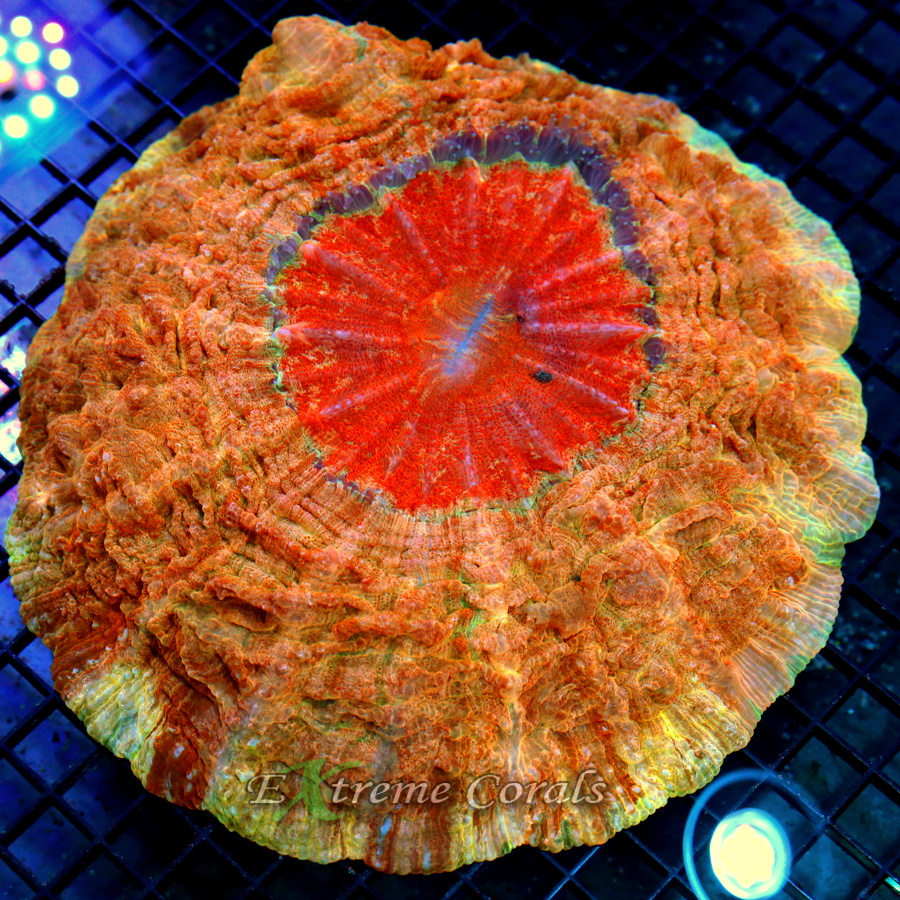
Acanthophyllia, often referred to as a Meat Coral, is known for its circular formation, thick fleshy tissue, and highly saturated color. The source draft describes colors ranging from vivid greens to strong reds and oranges, often with intricate tentacle patterning that adds even more visual impact. Hobbyists often seek these corals for their oversized, luxurious appearance in the tank.
Acanthophyllia Care Requirements
- Lighting: Moderate to low lighting
- Placement: Shaded areas or lower in the tank
- Water Parameters: Stable pH 8.1-8.4, temperature 75-80°F, and stable alkalinity and calcium
- Water Flow: Gentle to moderate
- Feeding: Small meaty foods like mysis shrimp or coral food twice weekly, especially when tentacles are extended
The draft also highlights several popular hobby names and color descriptors for Acanthophyllia, including terms such as Rainbow, Dragon Soul, Bleeding Apple, Cosmic Candy, and Fruit Loop.
Indophyllia Coral
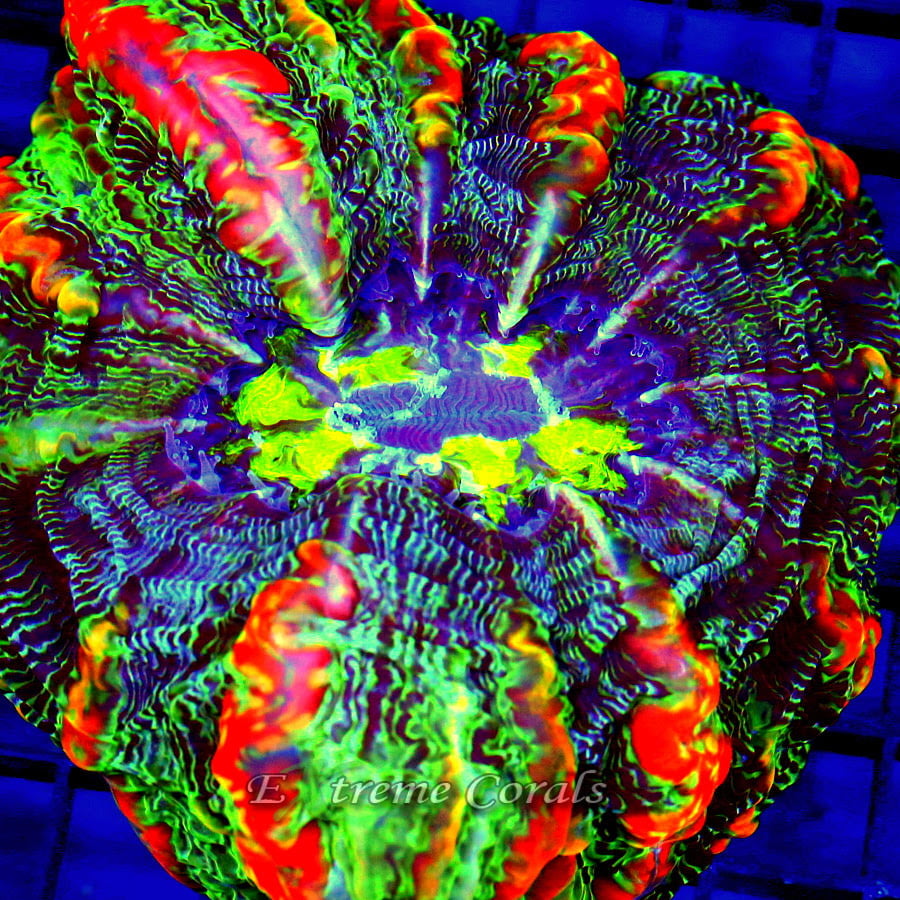
Indophyllia, sometimes called a Tooth Coral, is described in the source as having a more robust skeletal structure and striking color combinations. It often displays shades of blue, purple, green, and fluorescent tones, giving it a somewhat more dramatic and sculpted look than many other fleshy LPS corals. For hobbyists who want a coral that feels both fleshy and structurally bold, Indophyllia is often especially appealing.
Indophyllia Care Requirements
- Lighting: Moderate lighting, avoiding intense direct exposure
- Water Parameters: Stable pH, temperature, calcium, and alkalinity similar to Acanthophyllia
- Water Flow: Gentle to moderate
- Feeding: Regular feedings similar to Acanthophyllia to support health and color
The draft also notes popular hobby-style descriptors such as Electric Blue, Galactic Green, Cosmic Explosion, Purple Plasma, Blue Lagoon, and Emerald Envy.
Cynarina Coral
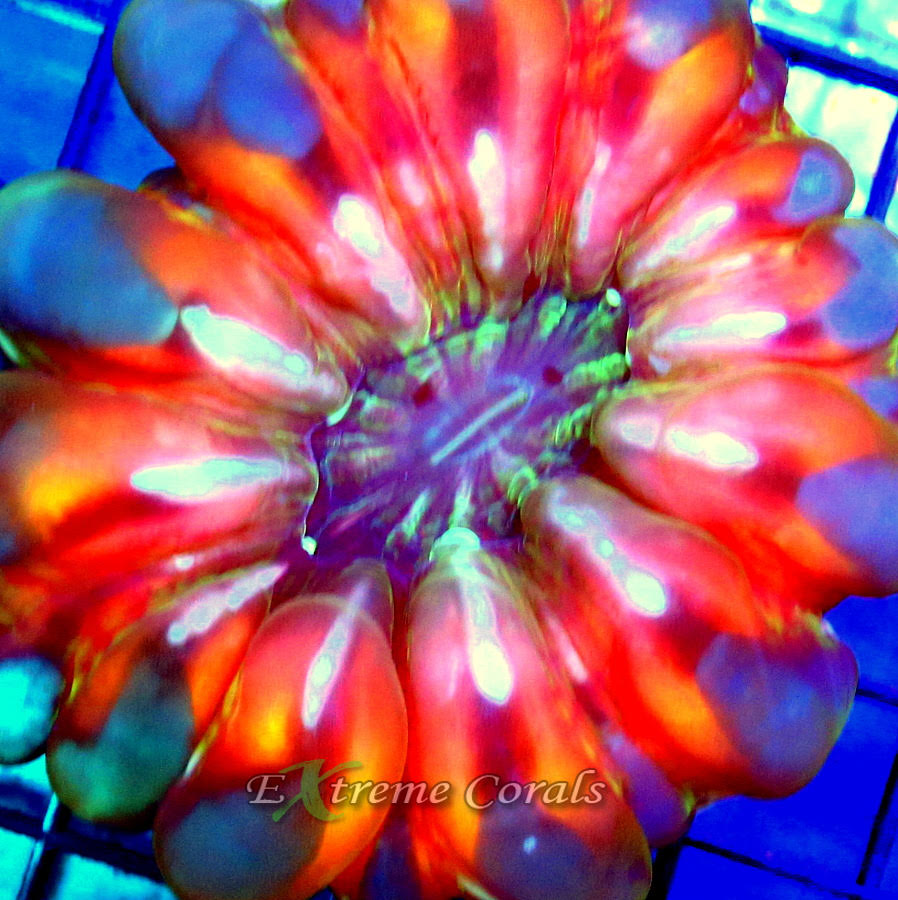
Cynarina is often known as a Meat Coral or Doughnut Coral, and the source highlights its doughnut-shaped appearance and broad color range. It commonly shows reds, oranges, blues, and greens, giving it a softer, rounder look than Indophyllia and a somewhat different silhouette from Acanthophyllia. It is often appreciated for its elegant swelling tissue and bright center coloration.
Cynarina Care Requirements
- Lighting: Moderate lighting with protection from harsh intensity
- Water Parameters: Stable pH, temperature, calcium, and alkalinity
- Water Flow: Moderate flow that supports expansion without damaging tissue
- Feeding: Occasional small meaty foods or specialized coral foods
The draft references color and hobby descriptors such as Red Velvet, Neon Green, Rainbow Delight, Fruity Pebbles, Tutti Frutti, and Sunset Sherbet.
Main Similarities Between These Corals
Although these three corals look different, they share several important care principles. The source makes clear that stable water quality, careful attention to light, moderate surrounding flow, and thoughtful feeding all matter for their success. These are not high-energy SPS corals that want intense blasting current. They are fleshy LPS showpieces that reward stability and careful placement.
- All three prefer stable water conditions
- All three benefit from moderate or gentler flow rather than harsh direct current
- All three can benefit from targeted feeding or regular supplemental nutrition
- All three are prized for bold color and visual presence
Main Differences That Matter in a Reef Tank
The biggest practical differences come down to appearance, presentation, and how each coral occupies space in the aquarium.
- Acanthophyllia usually stands out for its rounded fleshy mass and bold “meat coral” look
- Indophyllia often feels more structured and dramatic, with a stronger skeletal impression
- Cynarina is especially known for its inflated doughnut-like form and softer profile
If your goal is a broad, oversized fleshy centerpiece, Acanthophyllia may be the most natural fit. If you want fluorescent drama and a more structured appearance, Indophyllia can stand out more. If you prefer a rounded, elegant, inflated look, Cynarina may be the strongest choice.
Best Placement Strategy for Each Coral
Because all three are fleshy LPS corals, they should be placed where their tissue can expand safely. The source consistently supports moderate or gentler surrounding flow and protection from intense lighting. A practical approach is to keep them in lower or moderately lit zones where they are not blasted by pumps and not crowded by aggressive neighboring corals.
- Use lower to moderate-light zones
- Keep them away from aggressive sweepers
- Allow space for full tissue inflation
- Use stable substrate or rock placement so the coral does not shift
Which One Is Best for Your Reef Tank?
The best choice depends on the look you want and how your tank is arranged.
- Choose Acanthophyllia if you want a dramatic fleshy meat coral centerpiece with bold coloration
- Choose Indophyllia if you want something visually intense with stronger skeletal drama and fluorescent tones
- Choose Cynarina if you want a rounded doughnut-style coral with soft but vivid visual presence
All three can be excellent additions to a reef aquarium when their placement and care are matched to their needs.
Related Corals You May Also Like
If you are interested in Acanthophyllia, Indophyllia, and Cynarina corals, you may also want to explore other fleshy LPS corals and related reef tank guides:
- Browse LPS corals for sale
- Acanthophyllia, Cynarina and Indophyllia guide
- Cynarina care guide
- Indophyllia care guide
- LPS corals overview
Ready to add a premium meat coral to your reef tank? Browse our LPS corals for sale and explore healthy additions for your aquarium.
Shop Acanthophyllia, Indophyllia and Cynarina
Explore our WYSIWYG LPS corals, new arrival corals, and featured corals to build a more colorful reef tank.
Final Thoughts
Acanthophyllia, Indophyllia, and Cynarina are all beautiful fleshy LPS corals that can become standout showpieces in reef aquariums. They share a need for stability, moderate care, and thoughtful placement, but each one offers a distinct look, growth presentation, and collector appeal. By understanding their differences in appearance, flow preference, feeding style, and visual impact, reef keepers can choose the coral that best fits their tank and enjoy long-term success with these remarkable species.
Frequently Asked Questions
Q: Are Acanthophyllia, Indophyllia, and Cynarina all meat corals?
A: They are all fleshy LPS corals often grouped in the meat coral category, though their appearance and structure differ.
Q: Which one has the most doughnut-like appearance?
A: Cynarina is the one most associated with a doughnut-shaped appearance.
Q: Which one usually prefers the lowest lighting?
A: Acanthophyllia is specifically described in the source as doing well under moderate to low lighting and in shaded areas.
Q: Do all three benefit from feeding?
A: Yes. All three can benefit from supplemental feeding, though Cynarina is described as more occasional while Acanthophyllia and Indophyllia are described as benefiting from regular feedings.
Q: Can all three be kept in the same reef tank?
A: Yes, as long as lighting, flow, spacing, and overall stability are matched to their needs.
About the Author
Scott Shiles is the owner of ExtremeCorals.com, which he has operated for over 25 years and is recognized as one of the early dedicated live coral websites on the internet. A lifelong reef keeper since 1984, Scott has decades of hands-on experience maintaining marine aquariums and previously owned and operated a brick and mortar aquarium retail store for 10 years, including five years alongside Extreme Corals. He holds a degree in Marine Biology and has personally selected and sold hundreds of thousands of live corals. An avid scuba diver who has explored reef systems around the world, Scott shares practical coral care and husbandry knowledge based on real world reef experience.
overall rating:
my rating:
log in to rate
Please log in to leave a comment.
For more information visit: additional resources