My Cart: 0 item(s)

Extreme Corals News and Updates
How to Buy Healthy Corals Online: What to Look for Before Ordering for Your Reef Tank
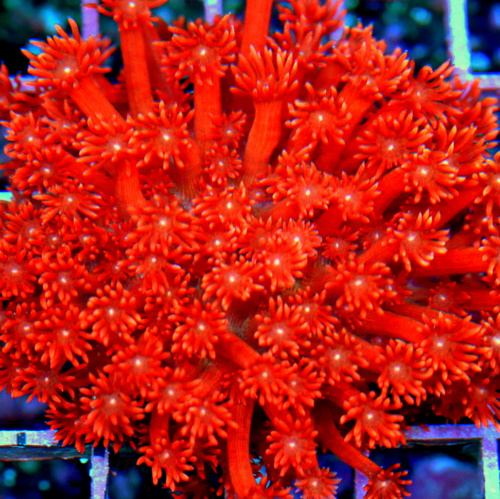
Learn how to buy healthy corals online with expert tips on evaluating coral condition, choosing the right species, reading WYSIWYG listings, avoiding common mistakes, and preparing your reef tank for success.
Learn how to buy healthy corals online with expert guidance on coral condition, WYSIWYG listings, shipping, acclimation, beginner choices, and avoiding costly reef tank mistakes.
by Scott Shiles • April 23, 2026
Buying coral online can be one of the best ways to build a beautiful reef tank, but long-term success depends far more on coral health, species selection, and seller quality than on color alone. Many hobbyists first shop by appearance, and that makes sense because coral is visual. But in our experience, the reefer who consistently does well is the one who learns how to judge tissue quality, understand the coral’s care level, match the coral to the tank, and buy from a source that treats shipping and coral conditioning seriously. This guide explains how to buy healthy corals online, what to look for before ordering, what mistakes to avoid, and how to choose corals that are more likely to thrive after they arrive.
A common mistake hobbyists make is assuming that a bright photo means a healthy coral. Sometimes it does, but not always. A coral can photograph well under heavy blue lighting and still be stressed, thin, recently cut, poorly acclimated, or mismatched for the buyer’s tank. In our experience, the best online coral purchases happen when the buyer looks beyond color and starts thinking like a long-term reef keeper instead of a short-term shopper.
If you are looking for healthy, fully conditioned corals, browse our WYSIWYG new arrivals to compare fully conditioned, ready-to-ship specimens.
Why Buying Coral Online Takes More Than Picking the Brightest Piece
Online coral shopping gives reef keepers access to more variety, better selection, and highly specific coral types that may never be available locally. That is a major advantage. But it also means the buyer needs to be more deliberate.
- You cannot inspect the coral in person
- Shipping stress matters
- Photos can hide or exaggerate condition
- The wrong coral can still fail in a good tank
- The right coral can still fail if it was poorly handled before shipment
We’ve found that coral buying success usually comes down to three things: choosing the right coral, choosing the right source, and preparing the tank correctly before the order ever arrives.
Start by Matching the Coral to Your Actual Tank
One of the biggest buying mistakes in reefkeeping is purchasing a coral for what you want your tank to become instead of what your tank can currently support. A mature SPS system and a newer mixed reef are not the same environment, even if both look clean and stable on the surface.
Before ordering coral online, ask:
- Is my tank mature enough for this coral?
- Do I have the right lighting and flow?
- Do I have room for this coral to expand or grow?
- Does this coral fit my current care level?
- Will it be safe around the corals I already own?
In our experience, hobbyists usually do much better when they buy for the tank they actually have today. A healthy beginner-friendly or intermediate coral that fits the system is almost always a better purchase than a high-end coral the tank is not ready for.
If you are still building a stable reef, our beginner coral care guide and reef tank maintenance guide are good places to start.
Know the Main Coral Groups Before Buying
Corals are not interchangeable. Different groups have very different care needs, growth patterns, and risk levels.
- Soft corals are often more forgiving and easier for newer reef keepers
- LPS corals can offer strong color and movement, but many need careful spacing and stability
- SPS corals usually require stronger lighting, stronger flow, and tighter consistency
- Zoanthids and mushrooms can be excellent for color, texture, and easier growth
A common mistake hobbyists make is buying across all coral groups too quickly without fully understanding how differently they behave. In our experience, reef tanks do better when the reefer builds in a more intentional way, choosing corals that fit both the tank and each other.
If you want to compare category types directly, browse our soft corals, LPS corals, SPS corals, and zoanthids.
How to Read a WYSIWYG Coral Listing the Right Way
WYSIWYG coral buying is one of the best things that ever happened to online coral shopping because the buyer can evaluate the actual specimen instead of a generic representative photo. But you still need to know what to look for.
When evaluating a WYSIWYG coral listing, pay attention to:
- Overall tissue fullness
- Color consistency across the coral
- Signs of recession or exposed skeleton
- Polyp extension when appropriate for the species
- The size and shape of the frag, colony, or base
We’ve found that experienced buyers usually look at the body of the coral first and the color second. A coral with strong tissue, clean structure, and stable color is usually a much better buy than one that is flashy but visibly stressed.
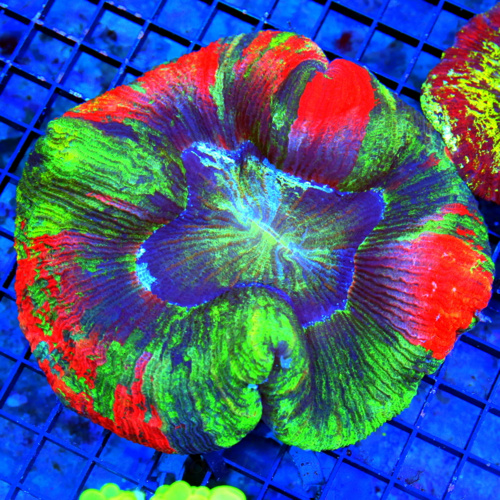
What a Healthy Coral Usually Looks Like Before You Buy
Different corals show health differently, but some general patterns hold true across the hobby.
Signs of a healthier specimen usually include:
- Full, well-attached tissue
- Stable coloration rather than washed-out or patchy tissue
- No obvious tears, lesions, or recession
- A clean frag plug, base, or skeleton
- A coral that looks settled instead of freshly stressed
In our experience, tissue condition is one of the most important buying signals. A common mistake hobbyists make is focusing too much on fluorescence and not enough on flesh, extension, and stability. Strong healthy tissue usually tells you more than the brightest color does.
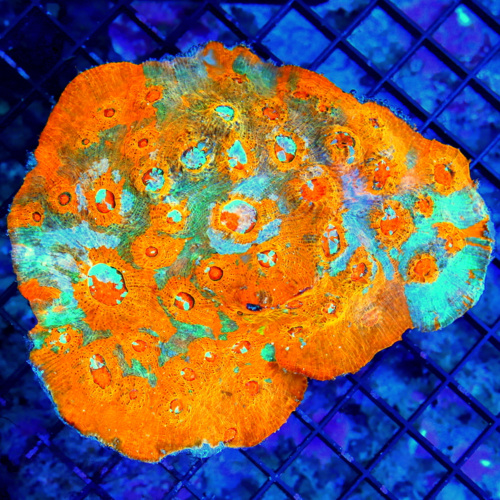
Pay Attention to Coral Size, Not Just Coral Name
Hobbyists often get pulled toward rare names, lineage terms, and color descriptions, but real reef success usually depends more on the actual specimen than on the label.
Things worth checking:
- How large is the frag or colony really?
- Is the coral freshly cut or well healed?
- Does the base look stable and established?
- Will this piece still fit where I plan to put it once expanded?
We’ve found that a healed, healthy, medium-grade coral often performs much better than a trendy frag that is fresh, stressed, or mismatched for the tank. A common mistake hobbyists make is paying for the name when what really matters is the condition.
The Seller Matters More Than Many Buyers Realize
Not all coral sellers are the same. Some focus on presentation, while others focus on long-term coral health, conditioning, and shipping quality. The difference becomes obvious after the coral reaches your tank.
Things a strong coral source usually does well:
- Uses accurate WYSIWYG photos
- Ships corals carefully and consistently
- Holds corals long enough to observe stability
- Presents healthy specimens, not just colorful ones
- Provides useful educational guidance along with inventory
Some sellers focus on volume or trends. Experienced coral vendors focus on long-term coral health and consistency. In our experience, that difference often shows up in how well a coral settles after arrival, not just how attractive it looked in the listing.
How Shipping Quality Affects Coral Success
A coral can be healthy when listed and still arrive compromised if it was packed poorly or exposed to unstable conditions in transit. Shipping is part of coral quality, not a separate issue.
Before ordering, think about:
- Weather at both ends of the shipment
- Overnight timing
- Whether the coral will be packed and insulated correctly
- Whether you will be available to receive the box promptly
In our experience, hobbyists often underestimate how much shipping quality affects first impressions and long-term survival. If you want to understand that side better, read our live coral shipping guide.
Prepare the Tank Before the Coral Arrives
One of the smartest things a reefer can do is make sure the tank is ready before placing the order. Do not wait until delivery day to figure out where the coral is going or whether your flow and lighting plan makes sense.
Before ordering, make sure:
- Your parameters are stable
- You know where the coral will go
- You have enough room for expansion or growth
- You have dip supplies and acclimation supplies ready
- You are not adding too many new corals at once
We’ve found that reef keepers usually do better when they buy with a plan instead of buying from excitement and figuring it out later. That one change alone prevents a lot of avoidable losses.
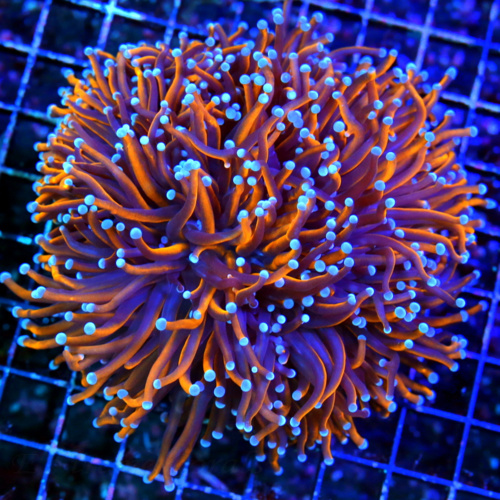
How to Avoid Common Coral Buying Mistakes
These are some of the most common mistakes hobbyists make when buying coral online:
- Buying for color alone
- Ignoring aggression and spacing needs
- Choosing corals above the tank’s maturity level
- Adding too many new corals at once
- Skipping acclimation planning
- Underestimating how much the seller matters
In our experience, the most successful buyers are usually not the ones chasing the rarest names. They are the ones buying the healthiest coral that fits their system well and gives them the best odds of long-term success.
What to Do After the Coral Arrives
Good coral buying does not end when the box is delivered. Proper acclimation, inspection, and placement are part of the outcome.
- Open the shipment promptly
- Inspect coral condition before discarding packaging
- Acclimate carefully
- Dip appropriately if that is part of your process
- Place the coral conservatively at first if needed
We’ve found that corals often do best when the reefer treats them like recent arrivals under stress, even if they look good right away. Patience on day one often leads to better results by week three or four.
For a stronger arrival routine, read our coral acclimation guide.
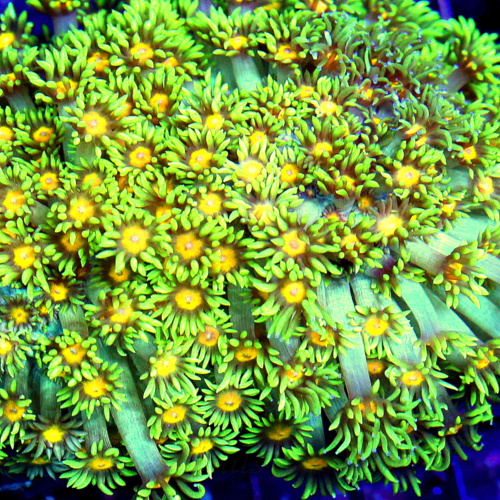
How to Build a Better Online Coral Order
One pattern we often see is that better orders are usually more intentional, not larger. A strong order often includes:
- A few corals that fit the same general care zone
- Good contrast in texture and color
- Enough space in the tank already planned
- A mix of beauty and practicality
If you are looking for a healthy, fully acclimated specimen, it often helps to compare corals by category and purpose, not just by hype. A thoughtful order usually settles better, grows out better, and creates a better-looking reef over time.
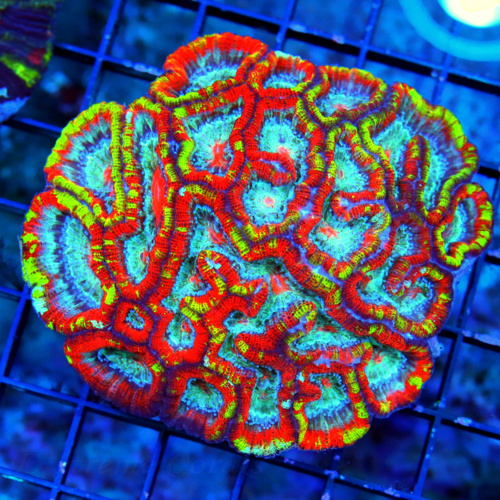
Related Corals You May Also Like
If you are interested in buying corals online more successfully, you may also want to explore these coral groups and related reef tank guides:
- Browse new arrival corals
- Browse featured WYSIWYG corals
- Coral acclimation guide
- Live coral shipping guide
- Beginner coral care guide
Ready to compare healthy corals for your reef tank? Browse our new arrival corals and explore healthy additions for your aquarium.
Shop WYSIWYG Corals and New Arrivals
Explore our WYSIWYG new arrival corals, featured corals, new arrival coral frags, and coral colonies to build a stronger reef tank.
Final Thoughts
Buying coral online successfully is not about finding the brightest listing. It is about choosing a healthy specimen, choosing a reliable source, and matching that coral to a tank that is actually ready for it. In our experience, that approach leads to better survival, better growth, and a much more satisfying reef over time.
The best coral orders usually come from buyers who combine excitement with judgment. That is what turns online coral shopping from a gamble into one of the best tools a reef keeper has.
Frequently Asked Questions
Q: How do I know if a coral is healthy before buying online?
A: Look for full tissue, stable color, no obvious recession, and a coral that appears settled and healthy rather than stressed.
Q: Is WYSIWYG better than stock photo coral buying?
A: Yes, in many cases WYSIWYG is much better because you can evaluate the actual coral you are purchasing.
Q: What is one of the biggest mistakes when buying coral online?
A: Buying for color alone without thinking about health, placement, tank fit, and seller quality.
Q: Should beginners buy SPS corals online right away?
A: Usually not unless the tank is already stable and mature enough to support them consistently.
Q: Does shipping quality really matter that much?
A: Yes. Shipping quality can strongly affect how well a coral arrives, acclimates, and performs afterward.
About the Author
Scott Shiles is the owner of ExtremeCorals.com, which he has operated for over 25 years and is recognized as one of the early dedicated live coral websites on the internet. A lifelong reef keeper since 1984, Scott has decades of hands-on experience maintaining marine aquariums and previously owned and operated a brick and mortar aquarium retail store for 10 years, including five years alongside Extreme Corals. He holds a degree in Marine Biology and has personally selected and sold hundreds of thousands of live corals. An avid scuba diver who has explored reef systems around the world, Scott shares practical coral care and husbandry knowledge based on real world reef experience.
overall rating:
my rating:
log in to rate
For more information visit: additional resources