Learn how coral taxonomy works, why it matters, and how coral groups like Zoanthids, Acropora, Brain Corals, and Mushroom Corals differ in structure, habitat, and reef role.
Learn how coral taxonomy classifies coral species, from Zoanthids to Acropora, and why coral diversity, habitats, evolution, and conservation matter for reef ecosystems.
Coral taxonomy helps us understand the incredible diversity of reef life by classifying corals according to their structure, form, and biological relationships. From colorful Zoanthids to branching Acropora, each coral group has unique characteristics that help scientists, reefkeepers, and marine biologists better understand how coral ecosystems function. This guide explores the fascinating world of coral taxonomy, explains why classification matters, and highlights some of the most recognizable coral groups found in reefs and home aquariums.
For reef hobbyists, coral taxonomy is more than just scientific naming. It can help you understand how corals grow, how they interact with their environment, and what kind of care they may need in an aquarium. For conservationists, taxonomy plays an important role in protecting coral biodiversity and identifying which species are most vulnerable to environmental threats.
Interested in exploring more coral diversity for your reef tank? Browse our new arrival corals and discover a wide variety of coral species for your aquarium.
Understanding Coral Taxonomy
Coral taxonomy is the classification of corals based on their physical traits, skeletal structure, growth form, and evolutionary relationships. Scientists group corals according to similarities in shape, size, structure, and biological characteristics. This helps organize the enormous variety of coral life into a system that is easier to study and understand.
Taxonomy is important because not all corals behave the same way. Some are soft and pulsing, some are hard and branching, and some form massive domes or plates. Classification helps reveal those differences and shows how each coral fits into the broader reef ecosystem.
Introduction to Zoanthids
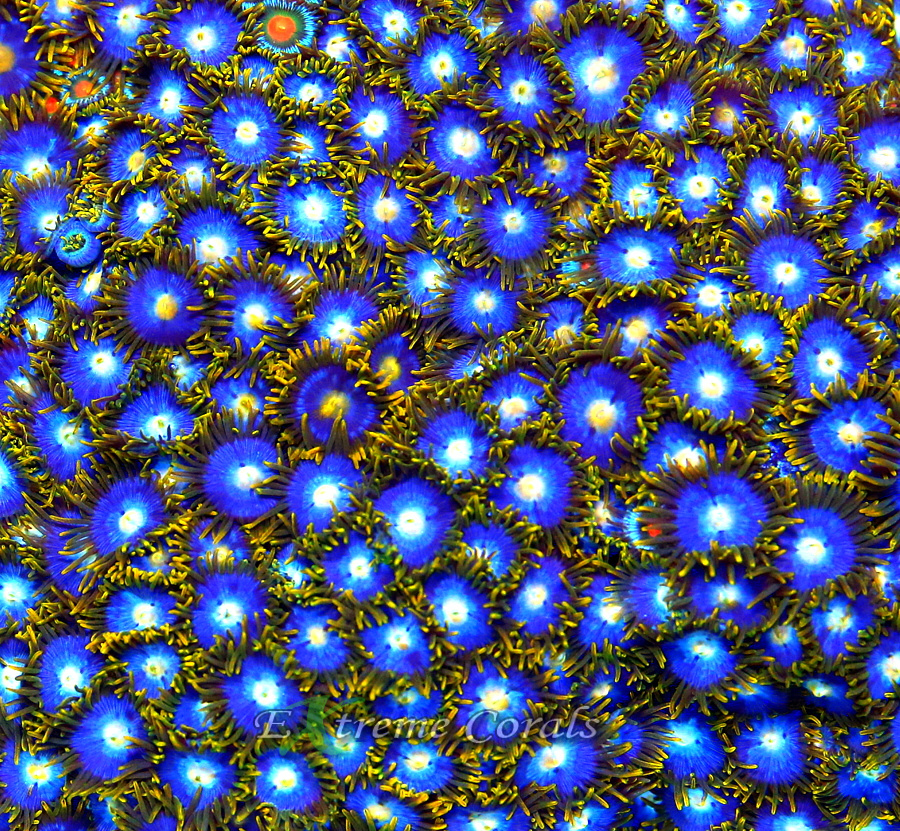
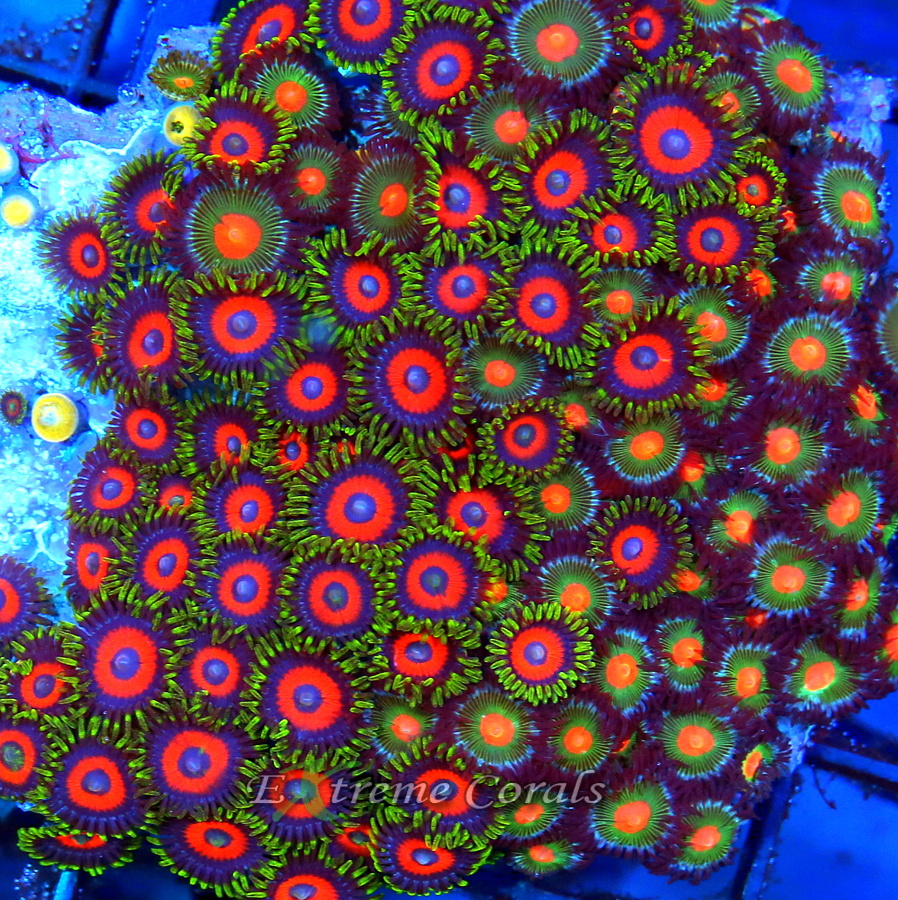
Zoanthids are colorful colonial marine animals that are extremely popular in the reef hobby. Often called button polyps, they are known for their bright colors, striking patterns, and relatively compact growth. They can be found in a wide range of shades, from yellows and oranges to blues, greens, and purples.
Zoanthids are especially interesting because their color is often enhanced by symbiotic algae living in their tissues. These algae help provide nutrients through photosynthesis, which supports the coral’s survival and growth. In reef tanks, Zoanthids are often valued for being visually bold and relatively approachable for many hobbyists.
Exploring the Beauty of Acropora
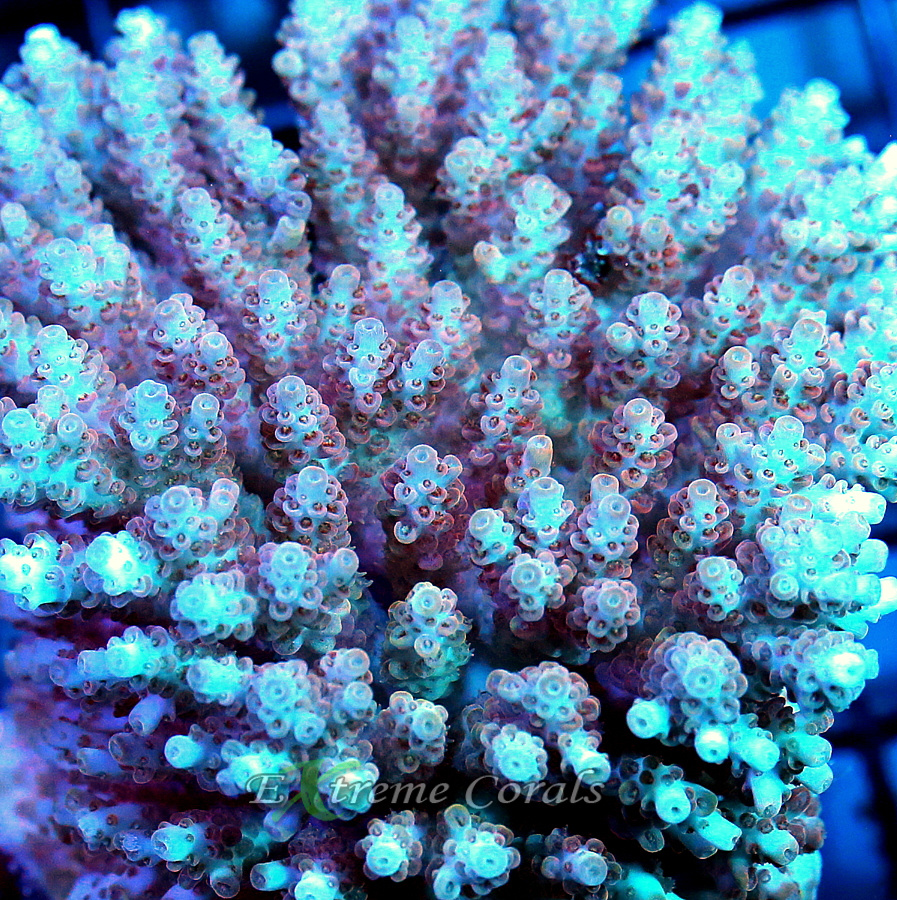
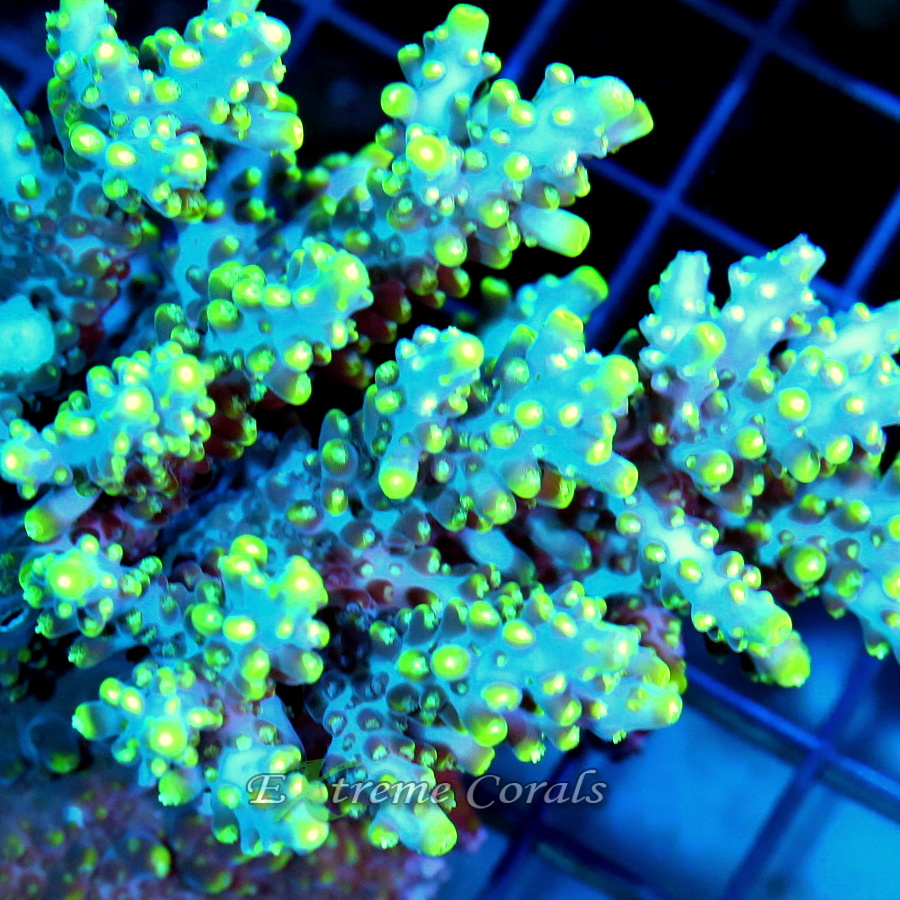
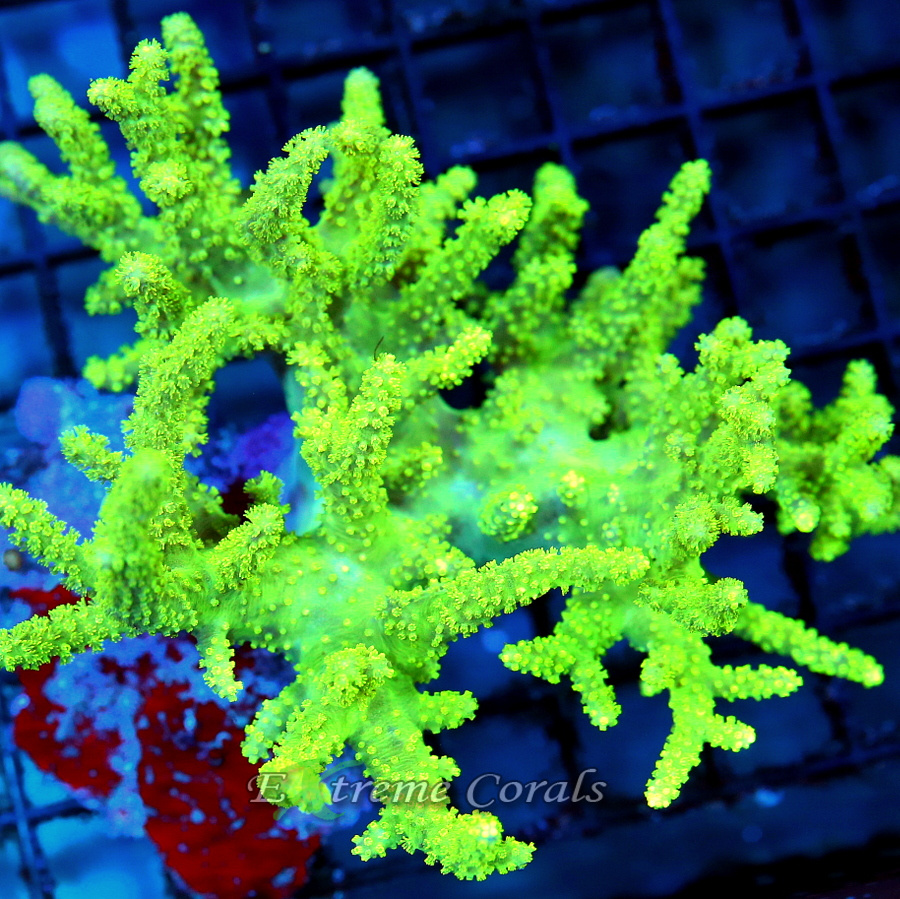
Acropora is one of the most famous and admired coral genera in the reef world. Known for its intricate branching forms and bright colors, Acropora is often associated with mature SPS reef tanks and natural reef-building environments.
These corals are sometimes called staghorn or table corals because of their shape. Beyond their beauty, Acropora corals play an important ecological role by creating habitat for many marine animals and contributing to the structure of coral reefs. In aquariums, they are especially prized by experienced reef keepers because of their beauty and the challenge of keeping them healthy.
Key Characteristics of Various Coral Species
Different coral groups show very different forms, textures, and growth patterns. Some of the most recognizable types include:
Zoanthids are small polyps that often grow in colonies and are known for their bright, varied colors.
Acropora has intricate branching structures and is one of the most important reef-building coral groups.
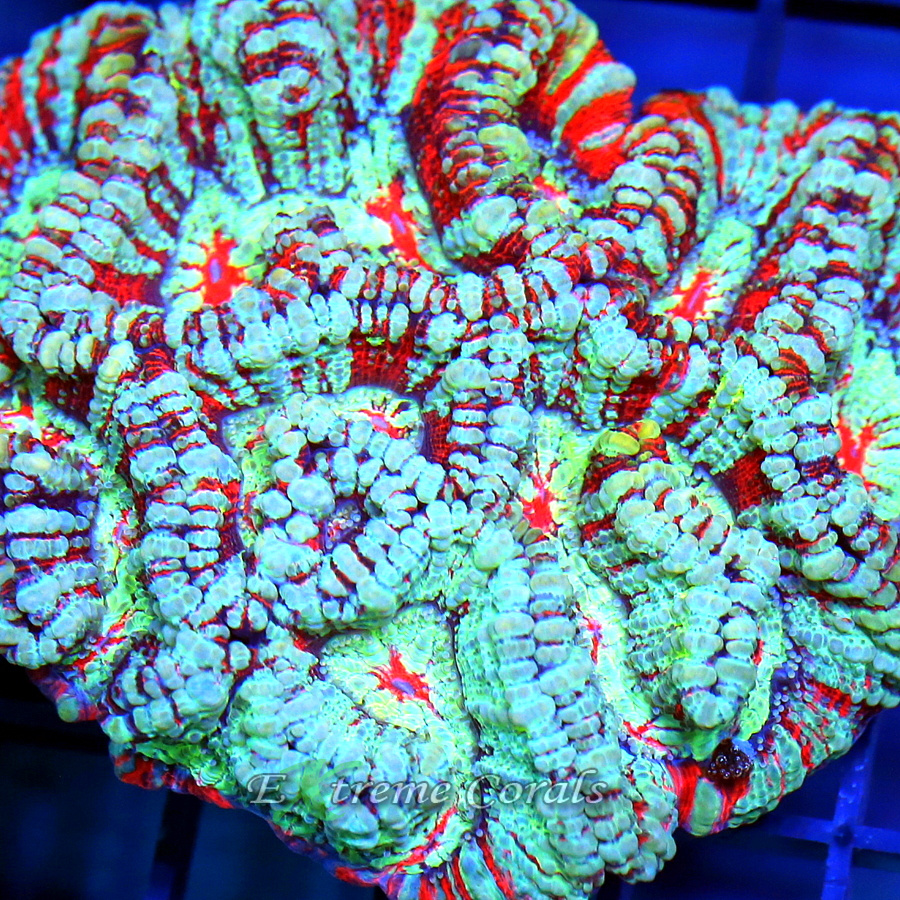
Brain Corals are named for their resemblance to a human brain and often have large, rounded or maze-like structures.
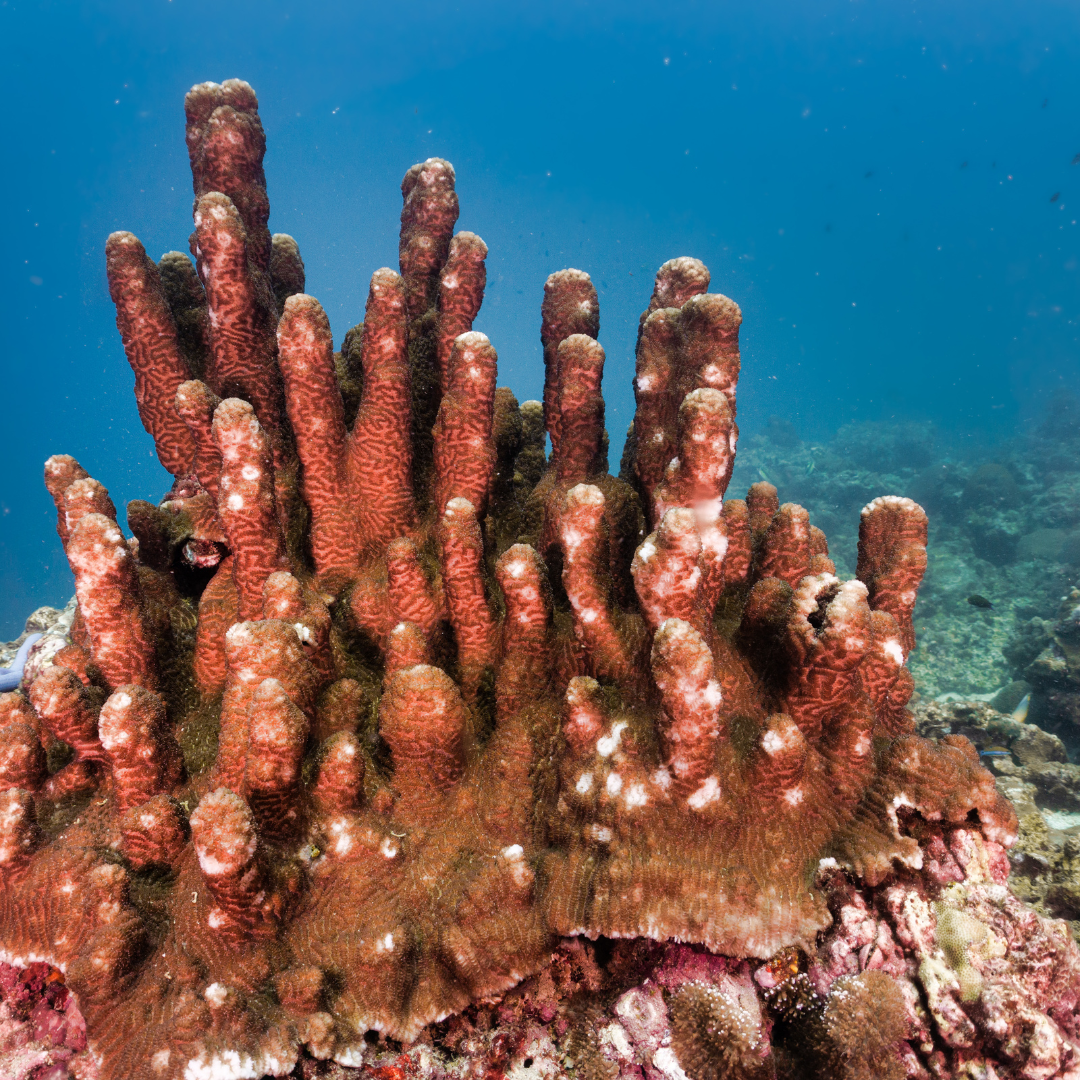
Pillar Corals form tall cylindrical structures with polyps extending along their sides.
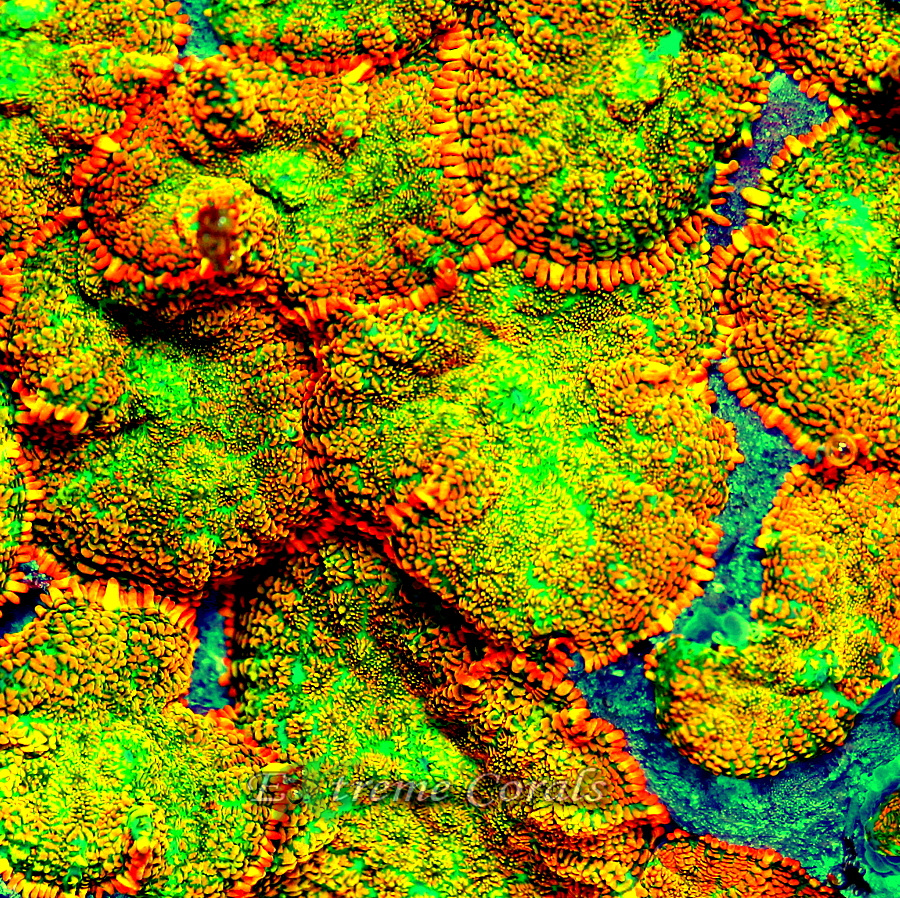
Mushroom Corals are circular and often resemble a mushroom cap with a broad flat top.
Finger Corals are long and narrow, with finger-like projections extending upward from the substrate.
These visual differences are a major reason taxonomy matters so much. Classification gives structure to the wide variety of forms reef hobbyists see in both the ocean and the aquarium trade.
Why Coral Classification Matters
Coral classification is not just academic. It helps scientists study coral ecosystems more effectively and helps reefkeepers understand the needs of different coral groups.
It reveals how corals are related to one another
It helps identify habitat and care differences
It supports scientific research and conservation work
It helps hobbyists understand growth forms and compatibility
Without coral taxonomy, it would be much harder to protect coral reefs, study biodiversity, or match corals to the right conditions in an aquarium.
Coral Habitats and Distribution
Corals are found in warm, shallow waters around the world, especially in tropical regions. However, not all coral groups occupy the same niche. Some species thrive in shallower brighter areas, while others are more common on deeper reef slopes or more protected zones.
Understanding where corals naturally live helps explain why they differ in lighting needs, growth style, and overall resilience. Habitat and distribution are closely tied to coral taxonomy because environment often shapes both evolution and structure.
Evolutionary Aspects of Coral Taxonomy
Coral taxonomy also reflects the evolutionary history of coral species. Over time, corals adapted to different reef environments, creating the wide range of shapes, sizes, and structures we see today.
Different coral forms reflect long-term adaptation
Evolution helps explain why some species branch while others plate or form domes
Looking at corals through an evolutionary lens helps explain not only what they look like, but why they behave the way they do in natural reefs and aquariums.
Threats to Coral Reef Ecosystems
Understanding taxonomy also matters because coral reefs face serious threats, and protecting diversity depends on knowing what species are at risk and how they differ.
Climate change places coral reefs under severe stress
Pollution can damage reef water quality
Overfishing disrupts reef balance
Physical damage from boats and coastal activity harms coral habitats
Healthy coral reefs depend on biodiversity. Losing different coral groups does not just reduce beauty. It weakens the entire ecosystem.
Conservation Efforts for Coral Species
Coral conservation depends on protecting both individual species and the wider ecosystems they support. Scientists, aquarists, and conservation groups all play a role in preserving coral diversity.
Marine protected areas help shield reefs from damage
Responsible reefkeeping can reduce pressure on wild populations
Reef restoration projects help rebuild damaged ecosystems
Research and education help identify vulnerable species and improve protection strategies
The more we understand coral classification and ecology, the better equipped we are to protect coral reefs for the future.
What Coral Taxonomy Means for Reefkeepers
For reef hobbyists, learning coral taxonomy can improve both coral selection and long-term success. It helps you understand which corals are soft, which are stony, which are aggressive, which are fast-growing, and which need more advanced care.
It helps you choose corals that match your tank conditions
It improves placement decisions
It makes coral care more predictable
It helps you understand compatibility and growth patterns
Taxonomy gives reefkeepers a better framework for building healthier, more balanced aquariums.
Related Coral Topics You May Also Like
If you are interested in coral taxonomy, these related guides may also help:
Ready to explore the diversity of corals for yourself? Browse our new arrival corals and build a reef tank that reflects the incredible variety of coral life.
Final Thoughts
Coral taxonomy opens the door to a deeper understanding of reef life. From Zoanthids to Acropora, each coral group tells part of the larger story of coral diversity, evolution, reef ecology, and conservation. Whether you are a hobbyist or simply fascinated by coral reefs, understanding taxonomy helps you appreciate just how complex and extraordinary these organisms really are.
Frequently Asked Questions
Q: What is coral taxonomy?
A: Coral taxonomy is the classification of coral species based on traits such as shape, structure, growth form, and biological relationships.
Q: Why is coral taxonomy important?
A: It helps scientists and reefkeepers understand coral diversity, habitats, evolution, and care requirements.
Q: Are Zoanthids and Acropora closely related?
A: They are both coral groups, but they differ greatly in structure, biology, and growth form.
Q: How does taxonomy help reefkeepers?
A: It helps with coral identification, placement, compatibility, and understanding species-specific needs.
Q: Why does coral diversity matter?
A: Because biodiversity helps reefs stay resilient and supports the wide range of life that depends on coral ecosystems.
About the Author
Scott Shiles is the owner of ExtremeCorals.com, which he has operated for over 25 years and is recognized as one of the early dedicated live coral websites on the internet. A lifelong reef keeper since 1984, Scott has decades of hands-on experience maintaining marine aquariums and previously owned and operated a brick and mortar aquarium retail store for 10 years, including five years alongside Extreme Corals. He holds a degree in Marine Biology and has personally selected and sold hundreds of thousands of live corals. An avid scuba diver who has explored reef systems around the world, Scott shares practical coral care and husbandry knowledge based on real world reef experience.
overall rating:my rating:log in to rate
Holy Grail Torch Coral: Care, Price, and What Makes It So Valuable in 2026
How to Care for Toadstool Leather Coral in a Reef Tank (Beginner Guide)