My Cart: 0 item(s)

Extreme Corals News and Updates
Best Beginner Corals for Reef Tanks: Easy Corals That Actually Do Well for New Hobbyists
Choose beginner-friendly reef tank corals with practical guidance on hardy soft corals, LPS corals, mushrooms, zoanthids, placement, buying tips, and common beginner mistakes.
Learn which beginner corals are best for reef tanks, including easy soft corals, hardy LPS, mushrooms, and zoanthids that offer color, movement, and manageable care.
by Scott Shiles • April 22, 2026
Starting a reef tank is exciting, but choosing the right beginner corals can make the difference between an enjoyable first reef experience and a frustrating one. Many new hobbyists make the mistake of buying corals based only on color or hype, only to discover later that some species are far less forgiving than they look in photos. In our experience, the best beginner corals are the ones that combine beauty with resilience, adapt well to stable home aquariums, and give new reef keepers room to learn without constant setbacks. This guide covers some of the best corals for beginners, why they work well in newer reef systems, and what to look for before buying.
We’ve found that beginners usually do best when they start with corals that tolerate a reasonable range of light and flow, respond well to stable but not perfect systems, and offer obvious visual rewards early on. That does not mean boring corals. It means corals that help build confidence while still giving the tank real color, movement, and character.
If you are looking for healthy beginner-friendly options, browse our WYSIWYG new arrivals to compare fully conditioned, ready-to-ship specimens.
What Makes a Coral Good for Beginners?
Not every coral that is labeled “easy” is actually a good first coral. In many reef tanks, beginner success comes down to choosing species that are forgiving, adaptable, and visually easy to monitor.
- Tolerates stable but not ultra-precise reef conditions
- Responds well to moderate lighting and flow
- Shows visible signs of health or stress clearly
- Does not require highly specialized feeding or care
- Offers enough color or movement to keep the tank exciting
A common mistake hobbyists make is assuming the “rarest” or “most expensive” coral will be the most rewarding. In our experience, the most rewarding beginner corals are the ones that grow well, look healthy, and let the reefer enjoy the tank instead of constantly troubleshooting.
If you are still building your foundation, our beginner coral care guide and saltwater aquarium maintenance guide are both helpful places to start.
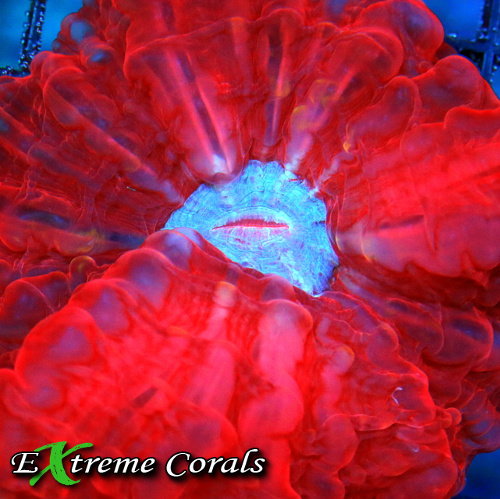
Cynarina Donut Coral
Cynarina donut coral, also known as doughnut coral or button coral, is a popular species of LPS coral in the reef-keeping hobby. It is loved for its unique appearance and colorful patterns, which make it an excellent addition to any reef tank. They are known for their large polyps and beautiful colors.
Cynarina corals are robust and can thrive in various lighting and flow conditions. However, like any other living organism, Cynarina donut coral still requires stable care and thoughtful placement to do well long term. In our experience, beginners who succeed with Cynarina usually give it open space, moderate lighting, and enough room for full inflation.
When selecting a healthy specimen, look for full tissue inflation, stable coloration, and no obvious recession around the mouth or edges. One common mistake hobbyists make is placing fleshy corals too close to aggressive neighbors or on rough surfaces where tissue can get damaged.
Check out this guide, where we explain in detail various aspects of taking care of the Cynarina Donut Coral.
Acanthophyllia Donut Coral
Acanthophyllia donut corals are a popular addition to reef tanks thanks to their stunning appearance and relatively easy care requirements. They are known for their doughnut-shaped appearance and broad, fleshy presentation that makes them instant showpieces.
These corals are known for their large, circular polyps, which come in a range of vibrant colors, including green, blue, purple, and orange. In our experience, Acanthophyllia is one of those corals that can look spectacular even in a simpler aquascape because it has so much visual presence on its own.
A common mistake hobbyists make is assuming that fleshy solitary corals can be placed anywhere low in the tank. What actually matters is a stable resting spot, moderate indirect flow, and enough room to expand fully without rubbing against rock or other corals. When choosing one, look for a specimen with thick, healthy tissue, no cuts or tears, and strong overall inflation.
You can learn more about how to care for Acanthophyllia donut coral by following this guide.
Acanthastrea Echinata
Acanthastrea Echinata is a popular LPS coral species among reef aquarium enthusiasts, prized for its stunning coloration and unique texture.
Acanthastrea Echinata corals are hardy and can tolerate different lighting and flow conditions. They come in various color morphs and are relatively easy to care for. That said, we’ve found that hobbyists do best with them when they remember that “hardy” does not mean invincible. Stable parameters and smart placement still matter.
It is well worth it to keep it thriving in your reef tank, but caring for this coral requires a bit of effort and attention. Look for healthy tissue coverage, strong coloration, and no signs of recession along the edges before buying. You can learn more about how to care for Acanthastrea Echinata by following this guide.
Symphyllia Wilsoni
Symphyllia corals, also known as lobed brain or closed brain corals, are another fascinating genus of LPS corals. These corals showcase a unique texture with convoluted, lobed polyps that can partially or fully encase the coral’s skeleton, and they add a striking look to the reef.
Symphyllia corals typically exhibit more subdued coloration compared to some other fleshy LPS corals, with shades of brown, green, and occasionally hints of purple. Despite their less intense color palette, they make up for it with their intricate patterns and captivating growth forms.
Symphyllia Wilsoni corals are beginner-friendly due to their tolerance for moderate lighting and flow. In our experience, they are especially good for hobbyists who want a coral with a mature, established reef look rather than just a bright pop of color. Learn more by following this guide.
Pectinia
If you’re looking to add some color and texture to your reef tank, Pectinia coral can be a great choice. This species of LPS coral is known for its unique appearance, with fleshy, lobed polyps and a wide variety of colors and patterns, making it an interesting addition for beginners.
Pectinia corals are adaptable and can thrive in various lighting and flow conditions. However, like all corals, Pectinia still requires specific care to thrive in your aquarium. One common mistake hobbyists make is underestimating spacing with Pectinia, since some colonies can be more aggressive than they first appear. You can find out more by following this guide.
Sinularia Leather Coral
Sinularia corals, also known as leather corals, are easy to care for and can tolerate lower light levels. They have a soft, leather-like appearance and add movement and shape to the reef tank in a very different way than stony corals do.
Sinularia leather corals are a popular and low-maintenance addition to reef aquariums. They require moderate to high lighting levels, moderate to strong water flow, stable water parameters, supplemental feeding when appropriate, and regular maintenance.
In our experience, Sinularia is one of the better beginner corals for hobbyists who want something resilient but still visually interesting. A common mistake hobbyists make is worrying too much when leather corals temporarily close up or shed a surface film. With proper care, Sinularia leather corals can thrive in a reef tank and provide a unique and beautiful addition to your aquarium. Learn more about how to care for these corals by following this guide.
Bounce Mushroom (Rhodactis)
Bounce Mushrooms are known for their resilience and vibrant colors. They are relatively low-maintenance and add a fun and unique look to the reef.
Bounce mushrooms, also known as Rhodactis mushrooms, are a popular choice for reef tank enthusiasts. They come in a variety of colors, including blue, green, red, and purple, and their unique texture and shape make them stand out in any aquarium.
In many reef tanks, mushrooms are among the most forgiving corals a beginner can buy. They are relatively easy to care for, but there are still a few things to keep in mind to ensure they thrive in your reef tank. When selecting a healthy specimen, look for a firm, attached mushroom with stable coloration and no signs of melting. Follow this guide to find out tips and tricks on how to care for Bounce Mushrooms.
Toadstool Leather Coral (Sarcophyton)
Toadstool leather coral, a Soft Coral also known as Sarcophyton glaucum, is a popular and easy-to-care-for coral in the reef aquarium hobby.
Toadstool Leather corals are hardy and can adapt to different lighting and flow conditions. They have a distinctive toadstool shape and can add beautiful texture and movement to your tank. Their relatively low maintenance requirements make them an ideal choice for beginners and experienced reef keepers alike.
We’ve found that toadstools are especially good for new hobbyists because they usually show their condition clearly. A healthy one extends well, settles in, and gradually becomes a reliable part of the reefscape. Learn more by following this guide.
LPS Corals (Torch, Hammer, Bubble)
Large Polyp Stony corals like Torch, Hammer, and Bubble corals are generally forgiving and can adapt to various reef conditions. They have beautiful polyps and are great for beginners looking for stony corals with movement and color.
Keeping LPS corals in a home reef tank can be a rewarding experience, but it requires some effort and attention to detail. In our experience, this is often the category where beginners start feeling like they have a true “reef tank” rather than just a saltwater aquarium. Follow our care guide for LPS corals to learn more.
Zoanthids and Palythoas
Zoanthids and Palythoas are easy to care for and come in a wide range of colors and patterns, making them a great choice for beginners looking to add some diversity to their aquarium. These popular soft corals can add vibrant color and texture to a reef tank and often create a more filled-in, established look quickly.
They can thrive in moderate lighting and flow. We’ve found that zoanthids are often one of the most confidence-building coral groups for beginners because they usually multiply over time and clearly show progress. One common mistake hobbyists make is not giving them enough room to spread or not researching safe handling. Find out how to care for Zoanthids and Palythoas by following this guide.
Common Beginner Mistakes When Choosing First Corals
Choosing the right first coral is often less about finding the “easiest” coral and more about avoiding the most common early mistakes. In our experience, most beginner coral problems start before the coral even enters the tank.
- Buying corals based only on color without researching care needs
- Mixing aggressive and peaceful corals too closely
- Choosing delicate or high-end corals before the tank is stable
- Ignoring how much space fleshy corals need to expand
- Assuming a coral is healthy just because it is expensive or brightly lit in photos
A pattern we often see is that hobbyists do much better when they start with a small group of proven beginner corals, learn how those corals respond to their tank, and then expand into more demanding species later. This approach usually leads to fewer losses, lower frustration, and a much more enjoyable reefkeeping experience.
When selecting a healthy specimen, look for strong extension, healthy tissue, stable coloration, and a coral that appears settled rather than stressed. If you are comparing corals online, WYSIWYG listings are especially helpful because they let you judge the actual specimen instead of guessing from a stock image.
Some sellers focus on hype names and volume. Experienced coral vendors focus more on coral condition, consistency, and long-term success after the box arrives. That difference matters most when you are just getting started and want your first coral purchases to go smoothly.
How to Choose the Best Beginner Coral for Your Tank
The best beginner coral is not always the same for every reefer. What matters most is choosing a coral that matches your tank, your maintenance habits, and the type of reef you want to build.
- If you want movement, consider leathers, torches, hammers, or alveopora-like corals once the tank is stable
- If you want color variety, zoanthids and mushrooms are strong choices
- If you want fleshy showpieces, hardy LPS corals like Cynarina or Acanthophyllia can work well in the right setup
- If you want easy texture and structure, toadstools and Sinularia are very good starting points
If you want to compare healthy beginner-friendly specimens naturally, browse our soft corals, zoanthids, and LPS corals to see which types fit your tank best.
Final Thoughts
We appreciate you taking this journey with us and hope our guide has been valuable to you. Whether you are starting small or dreaming big, the world of coral keeping offers endless wonders. In our experience, beginners who choose resilient, well-matched corals early tend to enjoy the hobby more and build stronger reef systems over time.
Ultimately, coral keeping is not just a hobby. It becomes part of how many reef keepers relax, learn, and connect with the ocean from home. Your aquarium should be a source of joy, inspiration, and tranquility, and starting with the right corals makes that much easier.
If there are any questions or queries, please feel free to contact us.
Frequently Asked Questions
Q: What are the easiest corals for beginners?
A: Some of the best beginner corals include zoanthids, mushrooms, toadstool leathers, Sinularia, and several hardy LPS corals.
Q: Are LPS corals good for beginner reef tanks?
A: Yes, many LPS corals can work well for beginners, especially forgiving types like hammer, bubble, and certain fleshy solitary corals in stable tanks.
Q: What should beginners avoid when buying first corals?
A: Beginners should avoid buying only by color or hype and instead focus on healthy specimens, suitable care needs, and compatibility with their tank.
Q: How do I know if a coral is healthy before buying?
A: Look for strong extension, healthy tissue, stable coloration, and no obvious recession or damage.
Q: Is it better to start with soft corals or LPS?
A: For many beginners, soft corals are the easiest starting point, but some hardy LPS corals can also be excellent first choices in stable systems.
About the Author
Scott Shiles is the owner of ExtremeCorals.com, which he has operated for over 25 years and is recognized as one of the early dedicated live coral websites on the internet. A lifelong reef keeper since 1984, Scott has decades of hands-on experience maintaining marine aquariums and previously owned and operated a brick and mortar aquarium retail store for 10 years, including five years alongside Extreme Corals. He holds a degree in Marine Biology and has personally selected and sold hundreds of thousands of live corals. An avid scuba diver who has explored reef systems around the world, Scott shares practical coral care and husbandry knowledge based on real world reef experience.
overall rating:
my rating:
log in to rate
Please log in to leave a comment.
For more information visit: additional resources