My Cart: 0 item(s)

Extreme Corals News and Updates
Best Fish for a Coral Reef Tank: Reef-Safe Species, Compatibility and Stocking Tips
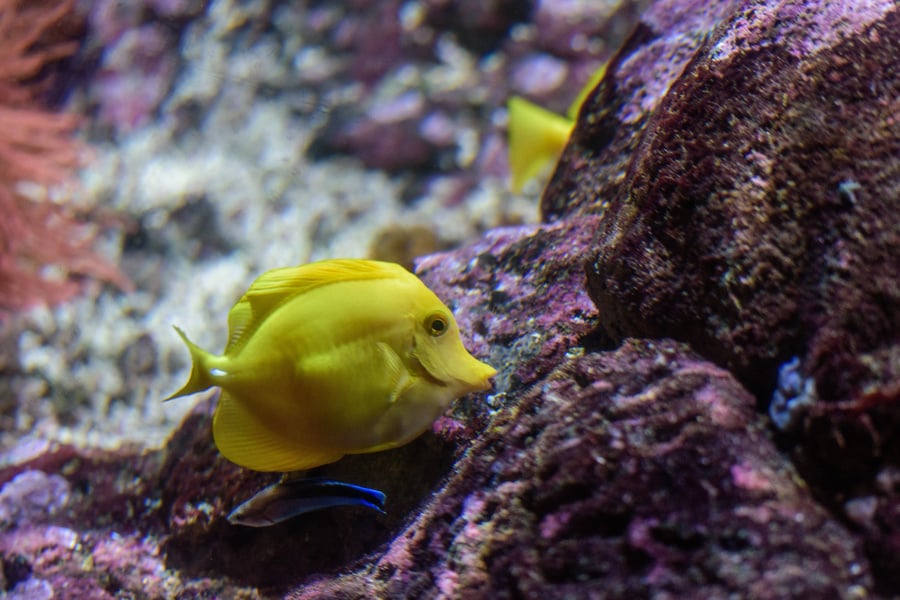
Finding what type of fish to put into your tank can be a daunting tasks full of hours of research. Here we will break down a few top choices of fish for your reef tank.
With the right care and attention, you can create a thriving and beautiful reef tank that will provide a home for a variety of fascinating fish.
by Scott Shiles • March 01, 2023
Best Fish for a Coral Reef Tank: Reef-Safe Species, Compatibility and Stocking Tips
Choosing the right fish is one of the most important parts of building a successful coral reef tank. The best reef-safe fish add color, movement, and personality without damaging corals or disrupting the balance of the aquarium. This guide covers some of the best fish for a coral reef tank, along with what makes them good choices for reef keepers and what to consider before adding them.
Not every saltwater fish belongs in a reef aquarium. Some species nip at coral tissue, harass invertebrates, or become too aggressive for peaceful reef communities. The safest choices are fish that stay manageable in size, coexist well with corals, and fit the long-term needs of your tank. When selected carefully, fish can make a reef tank feel much more natural, active, and visually complete.
Planning a coral reef tank too? Browse our new arrival corals and explore healthy corals for reef aquariums of all sizes.
What Makes a Fish Reef-Safe?
Reef-safe fish are species that generally coexist well with corals and common invertebrates. While no fish is guaranteed to behave perfectly in every aquarium, some are much more reliable in reef systems than others.
- They do not usually nip at coral polyps or fleshy tissue
- They are peaceful or manageable in a community tank
- They can coexist with shrimp, snails, and other reef-safe invertebrates
- They fit the size and swimming space of the aquarium
Fish choice should always be based on tank size, temperament, and long-term compatibility, not just appearance.
Best Fish for a Coral Reef Tank
Clownfish
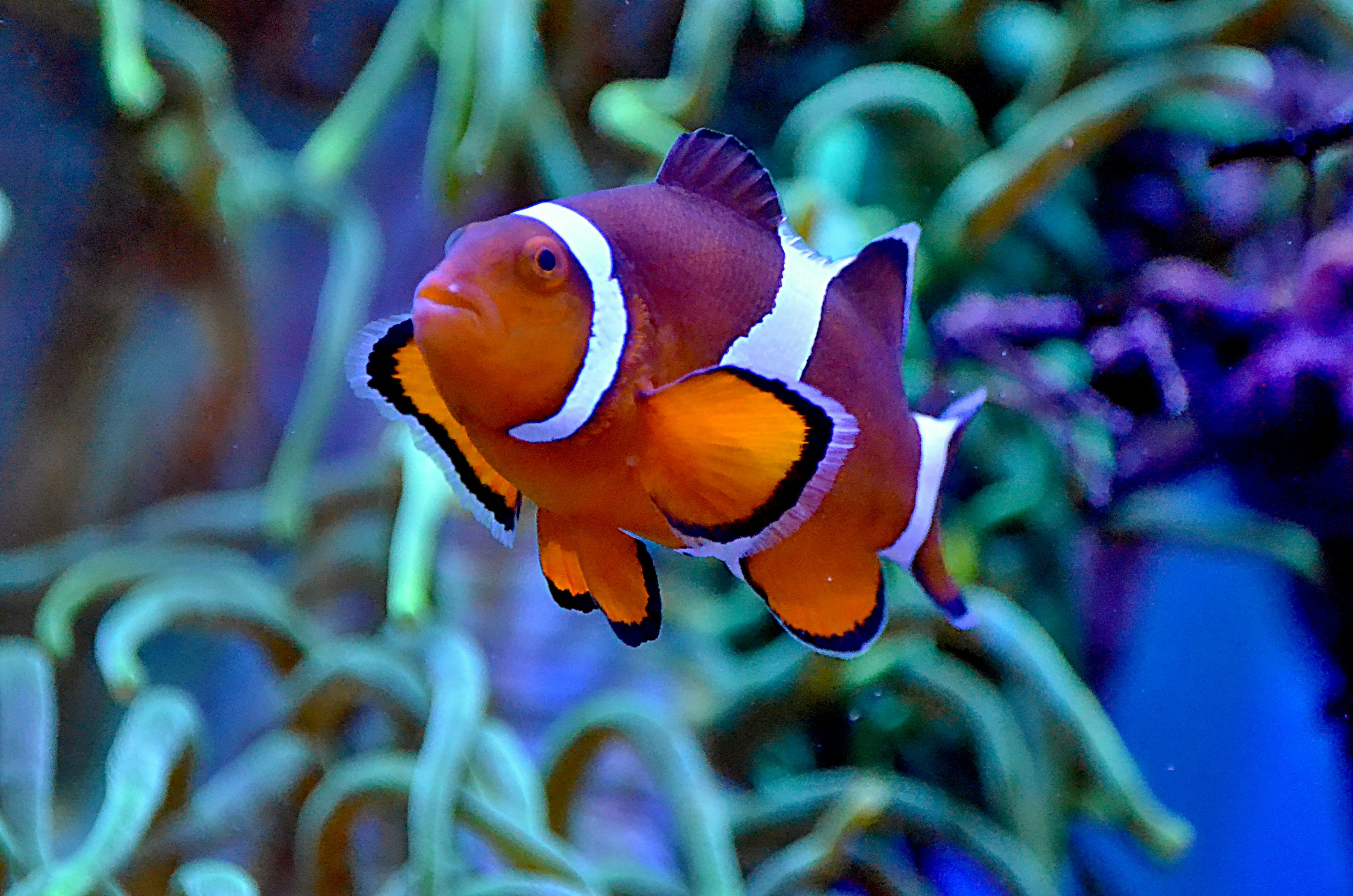
Clownfish are one of the most popular reef-safe fish for good reason. They are hardy, colorful, easy to care for, and adaptable to many reef tank setups. Their bright coloration and active behavior make them a natural centerpiece in smaller and medium-sized aquariums.
Many hobbyists enjoy keeping clownfish because of their association with anemones, but clownfish can do very well in a reef tank even without one. They are often among the first fish added to a reef aquarium because they are beginner friendly and generally dependable.
Royal Gramma
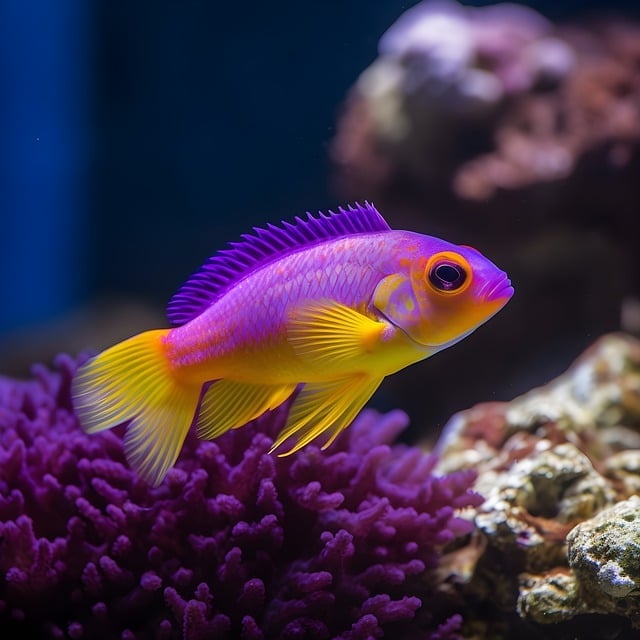
The Royal Gramma is a beautiful reef-safe fish with vivid purple and yellow coloration. It is peaceful, stays relatively small, and works well in community reef tanks with caves and rockwork.
This fish adds strong visual contrast without being overly demanding. Royal Grammas usually do best when they have hiding places and a calm environment, making them a great fit for mixed reefs.
Goby
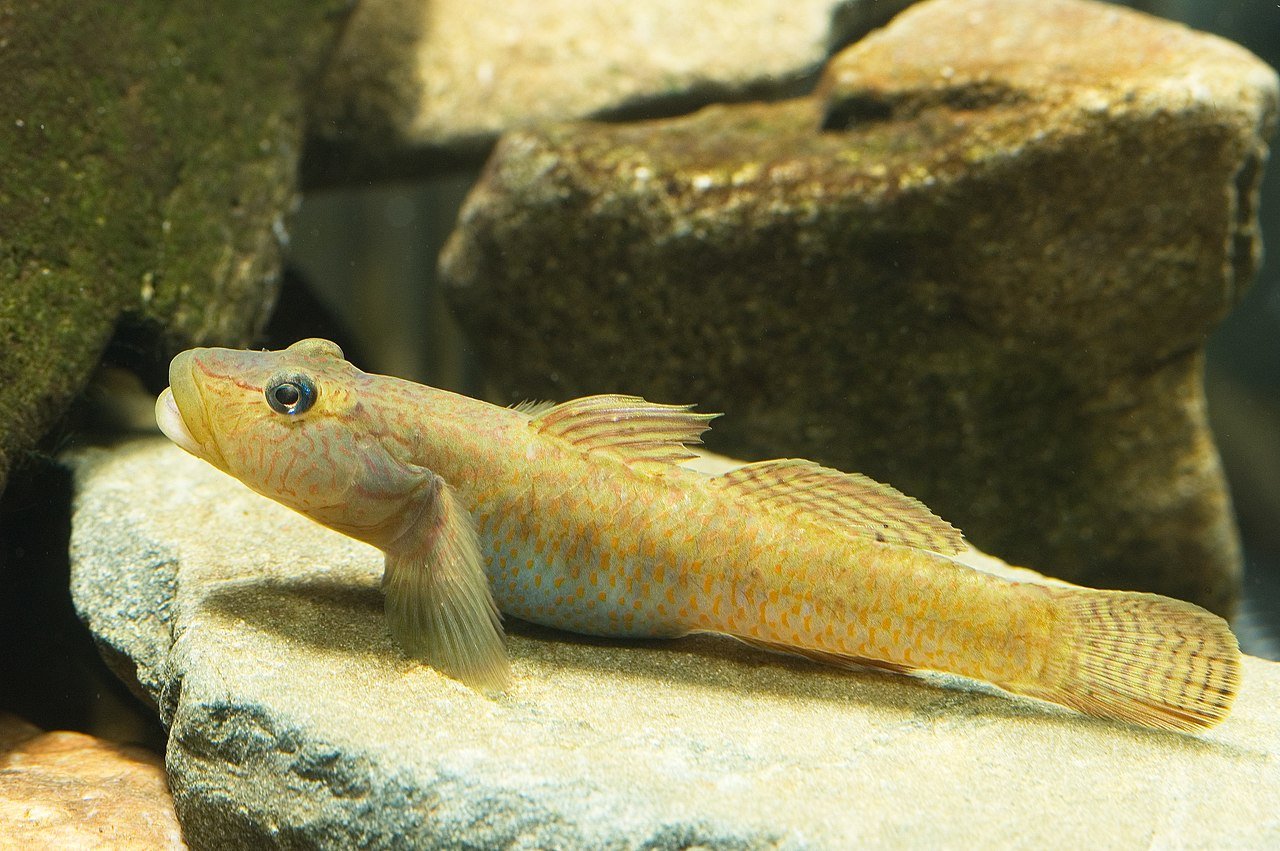
Gobies are one of the most versatile groups of reef-safe fish. There are many excellent choices, including clown gobies, neon gobies, watchman gobies, and shrimp gobies. Many gobies stay small, which makes them especially useful in nano and medium reef tanks.
Some species form interesting symbiotic relationships with shrimp, adding even more activity and natural behavior to the aquarium. Their peaceful nature and manageable size make gobies a strong option for many reef keepers.
Tang
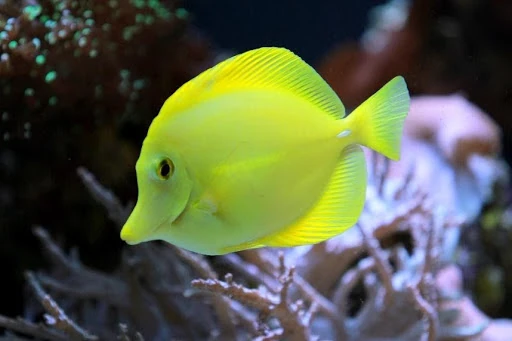
Tangs are active, eye-catching fish that can become a major focal point in a coral reef tank. Popular reef-safe tangs like yellow tangs and kole tangs add constant motion and can help graze algae in the aquarium.
That said, tangs need significantly more swimming space than smaller reef fish. They are best suited for larger aquariums where they have room to move comfortably and establish territory. They should never be chosen based on juvenile size alone.
Firefish
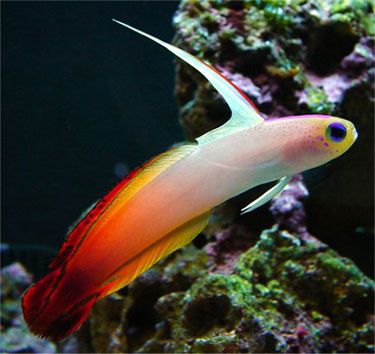
Firefish are a great addition to reef tanks because they are peaceful, colorful, and elegant in motion. Their slim shape and bright coloration make them stand out without overwhelming the tank.
They are especially well suited to calmer community aquariums, but they are known jumpers, so a secure lid is important. In the right environment, firefish are one of the most attractive and reef-safe fish choices available.
Other Reef-Safe Fish Worth Considering
Depending on tank size and stocking goals, there are many other fish that can work well in reef aquariums. These may include blennies, certain wrasses, cardinals, and chromis. The key is always to evaluate the individual species, not just the general fish family.
- Blennies: Great personality and often useful for algae control
- Cardinalfish: Peaceful schooling-style fish for calm reefs
- Some wrasses: Active and colorful, but species choice matters
- Chromis: Bright, active swimmers for open-water movement
Some saltwater fish that look appealing in stores may not be a good match for coral reef tanks, so research should always come before impulse buying.
How to Choose the Right Fish for Your Reef Tank
Choosing fish for a coral reef tank is not only about color. It is also about behavior, adult size, feeding habits, and how the fish interacts with the rest of the system.
- Tank size: Larger and more active fish need more room
- Temperament: Peaceful fish are often best for mixed reefs
- Coral safety: Avoid species known to nip at polyps or flesh
- Invertebrate safety: Some fish may harass shrimp or crabs
- Long-term fit: Always think about adult size and maturity
It is also smart to add fish slowly rather than filling the tank too quickly. A slower stocking pace helps keep nutrients stable and reduces aggression problems.
Common Mistakes When Adding Fish to a Reef Tank
Even reef-safe fish can become a problem if they are added without planning. A few common stocking mistakes can create unnecessary stress for fish, corals, and the overall system.
- Adding too many fish too quickly
- Choosing fish that outgrow the tank
- Mixing aggressive fish with peaceful species
- Ignoring jumping risk
- Not quarantining new fish when appropriate
A healthy reef tank depends on stability. Fish, corals, lighting, flow, and water chemistry all work together. You may also want to read our guide on water flow and coral health and learn how lighting affects coral growth as you fine-tune your reef tank.
Fish and Coral Compatibility Matters
A successful reef tank is more than a collection of attractive livestock. It is a balanced environment where corals can extend and grow while fish move naturally through the aquarium without causing disruption.
When the right fish are chosen, they add energy and life to the reef without competing against the corals that make the tank special. Careful stocking leads to a healthier, more natural-looking aquarium and a much better long-term result.
Related Reef Tank Topics
If you are building or improving a reef tank, these related guides may also help:
- Overview of coral types and care guidelines
- Must-have tools and accessories for a successful reef tank
- How lighting affects coral growth
- The impact of water flow on coral health
- pH and alkalinity in reef tanks
Ready to build out your reef tank? Browse our new arrival corals and explore healthy corals for a colorful, thriving reef aquarium.
Frequently Asked Questions
Q: What are the best fish for a beginner coral reef tank?
A: Clownfish, gobies, Royal Grammas, and firefish are all strong beginner-friendly choices for many reef tanks.
Q: Are tangs reef-safe?
A: Many tangs are considered reef-safe, but they need enough swimming space and are best suited for larger aquariums.
Q: Can I keep clownfish in a reef tank without an anemone?
A: Yes, clownfish can do very well in a reef tank even without an anemone.
Q: What fish should I avoid in a coral reef tank?
A: Fish known for nipping corals, eating invertebrates, or becoming highly aggressive should generally be avoided in mixed reef tanks.
Q: How many fish should I add to a reef tank at once?
A: It is usually best to add fish gradually so the tank can stay stable and aggression can be monitored.
About the Author
Scott Shiles is the owner of ExtremeCorals.com, which he has operated for over 25 years and is recognized as one of the early dedicated live coral websites on the internet. A lifelong reef keeper since 1984, Scott has decades of hands-on experience maintaining marine aquariums and previously owned and operated a brick and mortar aquarium retail store for 10 years, including five years alongside Extreme Corals. He holds a degree in Marine Biology and has personally selected and sold hundreds of thousands of live corals. An avid scuba diver who has explored reef systems around the world, Scott shares practical coral care and husbandry knowledge based on real world reef experience.
overall rating:
my rating:
log in to rate
Please log in to leave a comment.
For more information visit: additional resources