My Cart: 0 item(s)

Extreme Corals News and Updates
Favia Brain Coral Care Guide: Lighting, Flow, Feeding and Placement in Reef Tanks
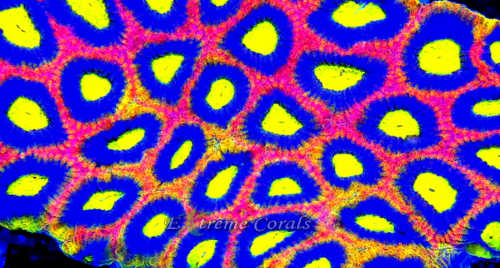
Learn how to care for Favia brain coral in a reef tank with tips on lighting, water flow, feeding, placement, and maintaining stable water parameters for long-term success.
Learn how to care for Favia brain coral in a reef tank with guidance on lighting, flow, feeding, placement, and stable water conditions for healthy long-term growth.
by Scott Shiles • April 21, 2026
Favia brain coral is a classic reef tank coral that stands out for its maze-like surface, bold coloration, and dependable long-term growth in stable aquariums. Popular with both beginner and experienced reef keepers, Favia offers the look of a true brain coral while remaining manageable in a mixed reef setup. This guide explains how to care for Favia brain coral in a reef tank, including lighting, water parameters, flow, feeding, placement, and the best ways to keep it healthy and vibrant over time.
For many aquarists, Favia is appealing because it combines strong texture with a wide range of colors, including green, red, orange, yellow, and mixed patterns. It can work as a lower-profile showpiece coral, a structural addition to an LPS collection, or a hardy stepping stone for hobbyists looking to expand beyond the easiest soft corals.
Looking to add colorful brain corals to your reef tank? Browse our LPS corals for sale and explore healthy corals for your aquarium.
What Is Favia Brain Coral?
Favia brain coral is a popular reef aquarium coral known for its distinctive ridges, valleys, and fleshy tissue that create a classic brain-like appearance. It is often chosen because it adds both color and structure to a reef tank without requiring the same level of care as many more delicate SPS corals.
As it grows, Favia can become a very attractive colony with strong definition and a natural reef-building appearance. In many aquariums, it serves as a visual bridge between fleshy LPS corals and more rigid, heavily structured stony corals.
Why Favia Is Popular in Reef Aquariums
- It has a distinctive brain-like texture
- It comes in a wide range of vibrant colors
- It is usually manageable in stable reef tanks
- It works well for both beginner and experienced hobbyists
- It adds long-term structure and visual depth to the reefscape
Favia is especially appealing to reef keepers who want a coral that looks substantial and established without needing constant intervention.
Lighting Requirements
Favia brain coral usually does best under moderate to high lighting, but it should not be placed in harsh direct lighting that can stress or bleach the tissue. In many reef tanks, lower to mid placement provides a strong balance of intensity and comfort.
- Moderate to high lighting is generally ideal
- Avoid intense direct light that can bleach or damage tissue
- Place the coral in the lower to mid-section of the tank
- Acclimate slowly when moving into brighter lighting
If the lighting is too low, the coral may not get enough energy for healthy growth and coloration. If the lighting is too strong, tissue stress or bleaching can occur. Balanced lighting is the goal.
If you want to understand reef lighting better, read our guide on reef tank lighting.
Water Parameters
Favia brain coral prefers stable water conditions, and long-term success usually comes down to keeping reef chemistry consistent rather than constantly chasing numbers.
- pH: 8.1-8.4
- Salinity: 1.024-1.026
- Temperature: 72-78°F (22-26°C)
- Alkalinity: maintain stable reef levels
- Calcium: maintain stable reef levels
- Magnesium: maintain stable reef levels
Regular water changes help maintain good water quality, while routine testing makes it easier to catch drift before the coral becomes stressed. Favia usually tolerates a range of conditions well, but it does not tolerate instability nearly as well as steady maintenance.
If you are working on chemistry stability, read our guide on pH and alkalinity in reef tanks.
Water Flow
Favia brain coral requires moderate water flow. Good movement helps keep the surface clean and supports healthy circulation around the colony, but direct blasting should be avoided.
- Moderate flow is usually best
- Avoid strong direct current that causes the coral to retract
- Avoid very low-flow areas where sediment can collect
- Use even circulation throughout the aquarium
Too much flow can irritate the coral and cause it to close up. Too little flow can allow sediment buildup and reduce healthy circulation. A balanced, indirect flow pattern works best in most reef systems.
If you want to learn more about circulation, read our guide on water flow and coral health.
Feeding Favia Brain Coral
Favia is primarily photosynthetic and gets much of its nutrition from light, but it can also benefit from supplemental feeding. This can help support stronger tissue, growth, and coloration over time.
- Feed phytoplankton or other small food particles when appropriate
- Feed once or twice a week as a practical starting point
- Use moderate portions to avoid nutrient issues
- Avoid overfeeding, which can reduce water quality
Supplemental feeding is helpful, but restraint matters. Too much food can quickly create water quality problems, which may cause more harm than the feeding itself helps.
Placement in the Reef Tank
Placement matters with Favia brain coral because the colony can grow larger over time and may begin to encroach on nearby corals if space is not planned properly. It should be placed where it has access to suitable light and flow while still having room to expand.
- Leave enough space between Favia and neighboring corals
- Allow room for long-term growth
- Place it where lighting and flow are balanced
- Avoid crowded areas of the aquascape
Thoughtful placement helps reduce aggression, tissue damage, and future maintenance problems as the coral matures into a larger colony.
How to Tell If Favia Is Healthy
- Color remains rich and stable
- Tissue stays attached and full over the skeleton
- The surface stays relatively clean without constant sediment buildup
- The coral remains settled and stable in its placement zone
- Growth continues gradually over time
A healthy Favia usually looks solid, stable, and well established. It may not show dramatic motion like Euphyllia or Goniopora, but its health is usually obvious through steady color, clean tissue, and overall consistency.
Common Signs of Stress
Like many stony corals, Favia often shows visible stress when conditions are off.
- Bleaching from excessive light
- Retraction from too much direct flow
- Sediment buildup from poor circulation
- Tissue recession from unstable water quality
- Aggression damage from nearby corals
If you notice these issues, review recent changes in lighting, water flow, chemistry, and coral spacing before the problem worsens.
Best Tank Setup for Favia Brain Coral
Favia usually does best in reef tanks with:
- Moderate to high lighting
- Moderate water flow
- Stable water chemistry
- Occasional supplemental feeding
- Enough room for gradual colony growth
This makes Favia a strong coral choice for reef keepers who want a hardy, colorful, and textured stony coral that can remain attractive for many years.
Related Corals You May Also Like
If you are interested in Favia brain coral, you may also want to explore other brain-style and textured LPS corals and related reef tank guides:
- Browse LPS corals for sale
- Favites coral care guide
- Platygyra coral care guide
- Brain coral guide
- LPS corals overview
Ready to add a brain coral to your reef tank? Browse our LPS corals for sale and explore healthy additions for your aquarium.
Shop Favia and LPS Corals
Explore our WYSIWYG LPS corals, new arrival corals, and featured corals to build a more colorful reef tank.
Final Thoughts
Favia brain coral is a beautiful and reliable addition to many reef tanks when given the right balance of lighting, water flow, stable chemistry, and occasional feeding. With proper placement and regular observation, it can thrive for years and provide the texture, color, and classic reef look that make brain corals so appealing in home aquariums.
Frequently Asked Questions
Q: Is Favia brain coral beginner friendly?
A: Yes, often. Favia is generally considered a manageable stony coral in a stable reef tank.
Q: What lighting does Favia need?
A: Moderate to high lighting is usually best, but avoid harsh direct intensity that can bleach the tissue.
Q: Does Favia need feeding?
A: It is mainly photosynthetic, but supplemental feeding once or twice a week can help support health and growth.
Q: What flow is best for Favia?
A: Moderate water flow is usually ideal because it keeps the coral clean without causing retraction.
Q: Why is my Favia losing color or tissue?
A: Common causes include unstable water quality, excessive light, too much direct flow, or aggression from nearby corals.
About the Author
Scott Shiles is the owner of ExtremeCorals.com, which he has operated for over 25 years and is recognized as one of the early dedicated live coral websites on the internet. A lifelong reef keeper since 1984, Scott has decades of hands-on experience maintaining marine aquariums and previously owned and operated a brick and mortar aquarium retail store for 10 years, including five years alongside Extreme Corals. He holds a degree in Marine Biology and has personally selected and sold hundreds of thousands of live corals. An avid scuba diver who has explored reef systems around the world, Scott shares practical coral care and husbandry knowledge based on real world reef experience.
overall rating:
my rating:
log in to rate
Please log in to leave a comment.
For more information visit: additional resources