My Cart: 0 item(s)

Extreme Corals News and Updates
Goniastrea Coral Care Guide: Lighting, Flow, Feeding and Placement in Reef Tanks
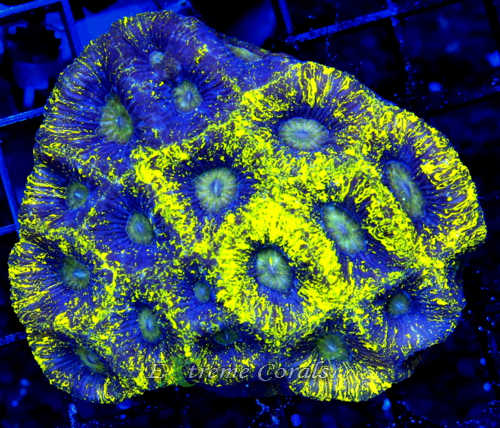
Learn how to care for Goniastrea coral in a reef tank with tips on lighting, water flow, feeding, placement, and maintaining stable water quality for long-term success.
Learn how to care for Goniastrea coral in a reef tank with guidance on lighting, flow, feeding, placement, and stable water conditions for healthy long-term growth.
by Scott Shiles • April 21, 2026
Goniastrea coral is a hardy and attractive large polyp stony coral that brings texture, structure, and classic reef character to a home aquarium. Known for its circular growth form, bumpy surface, and brain-like patterning, Goniastrea is one of those corals that can quietly become a standout piece in the tank when its basic needs are met. This guide explains how to care for Goniastrea coral in a reef tank, including lighting, flow, feeding, placement, water stability, and how to keep it healthy over the long term.
For many reef keepers, Goniastrea is appealing because it offers a strong stony-coral look without always demanding the same level of precision as more delicate SPS species. With stable parameters, moderate water flow, and proper placement, it can thrive for years and add a solid, natural reef look to the aquarium.
Looking to add colorful stony corals to your reef tank? Browse our LPS corals for sale and explore healthy corals for your aquarium.
What Is Goniastrea Coral?
Goniastrea is a type of LPS coral commonly seen in reef aquariums and appreciated for its flattened or rounded growth form and textured skeletal surface. Many hobbyists are drawn to it because it adds visual structure and depth to the reefscape without relying on flowing tentacles or exaggerated inflation.
Its appearance often falls somewhere between a brain coral and a more compact encrusting colony, which makes it useful for reef keepers who want a coral with strong texture and a more natural reef-building look.
Why Goniastrea Is Popular in Reef Aquariums
- It has a distinctive textured appearance
- It adds structure and maturity to the reefscape
- It can adapt well to stable home aquariums
- It offers a classic stony coral look without extreme care demands
- It works well in mixed reef tanks with thoughtful placement
Goniastrea is especially useful for reef keepers who want a coral that feels substantial and architectural rather than delicate or overly fleshy.
Lighting Requirements
Lighting is crucial for the growth and survival of Goniastrea coral. These corals usually prefer moderate to high lighting intensity, although they can also adapt to lower lighting in some systems when acclimated carefully.
- Moderate to high lighting is generally ideal
- They may adapt to lower lighting with time
- Use a lighting system with a balanced reef spectrum
- Avoid sudden increases in intensity without acclimation
Like many photosynthetic corals, Goniastrea benefits from consistent lighting that supports healthy tissue and coloration without causing unnecessary stress.
If you want to understand reef lighting better, read our guide on reef tank lighting.
Water Flow
Goniastrea corals require moderate water flow to thrive. Flow that is too weak can allow detritus to settle on the coral, while overly strong flow can irritate tissue and reduce overall health.
- Moderate flow is usually best
- Avoid stagnant areas where debris can accumulate
- Avoid strong direct blasting that can damage tissue
- Use even circulation throughout the tank
The best water movement usually keeps the coral clean while allowing it to remain settled and stable in its location.
If you want to learn more about circulation, read our guide on water flow and coral health.
Water Quality and Stability
Maintaining stable water parameters is one of the most important parts of caring for Goniastrea coral. Like many stony corals, it usually does best when the tank is stable rather than constantly fluctuating.
- pH: Keep within a stable healthy reef range
- Alkalinity: Maintain steady reef levels
- Calcium: Maintain consistent reef levels
- Magnesium: Keep stable to support broader chemistry balance
- Temperature: Maintain a stable reef-safe range
- Salinity: Keep consistent with standard reef conditions
Regular water changes and consistent testing help reduce stress and prevent the tissue damage that can follow unstable conditions. In most reef tanks, stability matters more than trying to push numbers aggressively.
If you are working on chemistry stability, read our guide on pH and alkalinity in reef tanks.
Feeding Goniastrea Coral
Goniastrea is primarily photosynthetic, but it can also benefit from supplemental feeding. Targeted feedings can help support health, growth, and tissue condition over time.
- Feed small pieces of meaty foods such as brine shrimp, mysis shrimp, or zooplankton
- Feed once or twice a week as a practical starting point
- Use moderate portions to avoid nutrient issues
- Observe feeding response and adjust carefully
Supplemental feeding is not always mandatory for survival in a stable system, but it can be very helpful for keeping Goniastrea in strong condition.
Tank Placement
Goniastrea coral requires ample space to grow and expand. Placement should allow the colony to develop without touching neighboring corals or hard surfaces that may cause irritation.
- Provide enough room for growth
- Keep it away from direct contact with other corals
- Choose a stable location with suitable light and moderate flow
- Avoid tight, crowded aquascape zones
If the coral is placed too close to other corals, aggressive interactions can damage tissue and create long-term stress. Proper spacing is a simple but important part of success.
How to Tell If Your Goniastrea Is Healthy
- Color remains stable and attractive
- Tissue stays attached and healthy-looking
- The coral remains clean without heavy debris buildup
- There are no obvious signs of recession or damage
- Growth continues gradually over time
A healthy Goniastrea usually looks settled and stable in the aquarium. It may not always look dramatic like a fleshy LPS coral, but it should appear solid, well-maintained, and consistent.
Common Signs of Stress
Goniastrea should be observed regularly so any changes can be caught early.
- Tissue recession
- Loss of color
- Persistent debris accumulation
- Visible irritation from flow or neighboring corals
- Slow decline after unstable water changes
If any of these signs appear, review lighting, water quality, flow, and placement before the issue becomes more serious.
Best Tank Setup for Goniastrea
Goniastrea usually does best in reef tanks with:
- Moderate to high lighting
- Moderate water flow
- Stable water chemistry
- Occasional supplemental feeding
- Enough room away from aggressive neighboring corals
This makes it a strong coral choice for reef keepers who want a durable, attractive, stony coral with classic reef structure and texture.
Related Corals You May Also Like
If you are interested in Goniastrea coral, you may also want to explore other textured stony corals and related reef tank guides:
- Browse LPS corals for sale
- Platygyra coral care guide
- Brain coral guide
- Favites coral care guide
- LPS corals overview
Ready to add a textured stony coral to your reef tank? Browse our LPS corals for sale and explore healthy additions for your aquarium.
Shop Goniastrea and LPS Corals
Explore our WYSIWYG LPS corals, new arrival corals, and featured corals to build a more colorful reef tank.
Final Thoughts
Goniastrea coral is a beautiful and reliable addition to many reef tanks when given stable water quality, appropriate lighting, moderate flow, and enough room to grow. With regular observation, occasional supplemental feeding, and a consistent maintenance routine, Goniastrea can remain healthy and attractive for many years in a home reef aquarium.
Frequently Asked Questions
Q: Is Goniastrea beginner friendly?
A: Yes, often. Goniastrea is generally considered a manageable stony coral in a stable reef tank.
Q: What lighting does Goniastrea need?
A: Moderate to high lighting is usually best, though it may adapt to lower lighting in some systems.
Q: Does Goniastrea need feeding?
A: It is mainly photosynthetic, but supplemental feeding once or twice a week can help support health and growth.
Q: What flow is best for Goniastrea?
A: Moderate water flow is usually ideal because it keeps the coral clean without damaging tissue.
Q: Why is my Goniastrea losing tissue or color?
A: Common causes include unstable water quality, poor placement, excessive flow, or chronic irritation from nearby corals.
About the Author
Scott Shiles is the owner of ExtremeCorals.com, which he has operated for over 25 years and is recognized as one of the early dedicated live coral websites on the internet. A lifelong reef keeper since 1984, Scott has decades of hands-on experience maintaining marine aquariums and previously owned and operated a brick and mortar aquarium retail store for 10 years, including five years alongside Extreme Corals. He holds a degree in Marine Biology and has personally selected and sold hundreds of thousands of live corals. An avid scuba diver who has explored reef systems around the world, Scott shares practical coral care and husbandry knowledge based on real world reef experience.
overall rating:
my rating:
log in to rate
Please log in to leave a comment.
For more information visit: additional resources