My Cart: 0 item(s)

Extreme Corals News and Updates
Montipora Coral in Reef Tanks: How to Keep It Bright, Stable and Growing
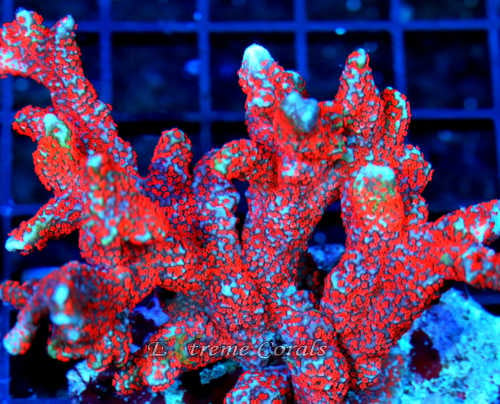
Learn how to care for Montipora coral in a reef tank with the right lighting, flow, placement, nutrient control, and stable water chemistry for long-term SPS success.
Learn how to care for Montipora coral in a reef tank with tips on lighting, flow, feeding, fragging, placement, and water quality for healthy long-term growth.
by Scott Shiles • March 01, 2023
Montipora is one of the most popular SPS corals in reef tanks because it combines beautiful color, interesting growth forms, and a more approachable care level than many Acropora species. It can grow in plating, encrusting, or branching forms, making it one of the most versatile and visually rewarding SPS corals in the hobby. This guide explains how to care for Montipora in a reef tank, including lighting, flow, water quality, nutrients, feeding, placement, and fragging.
For many reef keepers, Montipora is the coral that opens the door to more advanced SPS reefkeeping. It still needs strong stability and good conditions, but it is often more forgiving than high-end Acropora while still giving the tank a mature SPS look. With stable chemistry, strong light, and proper flow, Montipora can become one of the most colorful and fast-growing corals in the whole system.
Looking to add SPS corals to your reef tank? Browse our SPS corals for sale and explore healthy corals for your aquarium.
What Is Montipora Coral?
Montipora is a small polyp stony coral known for its wide range of colors and growth patterns. Some varieties form plates and shelves, some encrust tightly to rockwork, and others grow in branching structures.
This diversity is one reason Montipora is so popular. It can add texture, shape, and color variety to a reef tank in ways that many other SPS corals do not. It is especially useful for hobbyists who want strong SPS visual impact without starting with the most demanding coral species in the hobby.
Why Montipora Is So Popular
- It comes in vibrant colors and multiple growth forms
- It is often easier than many Acropora species
- It can grow quickly in stable systems
- It adds plating, encrusting, or branching structure to the reef
- It helps give reef tanks a mature SPS look
Montipora is especially valuable for reef keepers who want to build visual depth in an SPS tank without relying on only one coral type.
Lighting
Montipora corals generally require high-intensity reef lighting to thrive. Good lighting supports both healthy growth and strong coloration, but stable acclimation is still important when introducing new pieces.
- Lighting level: high-intensity lighting is usually best
- PAR range: around 200-400 PAR is a common practical target
- Lighting options: powerful LEDs or metal halides can both work well
- Acclimation: new corals should still be introduced carefully to avoid light shock
Montipora often shows its best color when lighting is strong but stable. Sudden changes in intensity can still cause stress, even in hardy SPS systems.
If you want to learn more about reef lighting, read our guide on how lighting affects coral growth.
Water Flow
Proper water flow is essential for Montipora because it helps remove waste, prevent debris buildup, and keep the coral surface clean. In many tanks, moderate to strong turbulent flow works best.
- Flow strength: moderate to strong
- Flow type: broad and changing is usually better than narrow direct blasting
- Low flow risk: tissue recession and detritus buildup
- Placement note: avoid dead spots around plates and shelves
Because some Montipora forms grow outward in shelves or tight encrusting layers, good flow becomes especially important over time. Areas under plates or around dense structures can trap waste if circulation is weak.
If you want to learn more about circulation, read our guide on water flow and coral health.
Water Quality
Montipora requires stable, high-quality water conditions. As with most SPS corals, consistency matters more than constant correction. A stable reef tank will almost always produce better Montipora growth than a tank that swings between “good” test numbers.
- Maintain stable temperature and salinity
- Keep pH and alkalinity consistent
- Support healthy calcium and magnesium levels
- Test regularly with reliable kits
Montipora usually responds well in mature tanks where reef chemistry is predictable and well-maintained. Unstable alkalinity is one of the most common ways to stress SPS corals, including Montipora.
If you are working on chemistry consistency, read our guide on pH and alkalinity in reef tanks.
Nutrient Levels
Montipora generally does best in a reef tank with low but controlled nutrient levels. Nutrients that are too high can contribute to algae and poor coral health, while unstable nutrient swings can stress the coral as well.
- Nitrate: below 5 ppm is a common target in many SPS systems
- Phosphate: below 0.05 ppm is often recommended
- Goal: low and stable nutrients, not dramatic swings
Montipora tends to do well when nutrient control is consistent and the tank is not allowed to drift into either dirty or erratic conditions.
Feeding
Montipora gets most of its energy through photosynthesis, but some reef keepers supplement with fine coral foods to support overall health and coloration. Feeding is not usually the main factor in Montipora success, but it can be useful in stable systems.
- Use small amounts of reef-specific coral food
- Twice a week is a practical starting point for some systems
- Feed lightly and watch how your tank responds
- Avoid overfeeding because it can hurt water quality
The best feeding strategy is one your tank can support without driving nutrients upward too quickly. In most Montipora systems, water quality still matters more than heavy feeding.
Placement
Proper placement is crucial for Montipora because it needs a stable surface, good lighting, and adequate flow. Where you place it should also depend on its growth form.
- Place Montipora on stable rock or firm substrate
- Use areas with moderate to strong flow
- Give plating forms room to grow outward
- Allow enough space so they do not shade neighboring corals later
Encrusting Montipora can spread aggressively across rockwork, while plating forms can eventually create large shelves that affect light and flow around other corals. Thinking ahead matters.
Fragging
If your Montipora grows too large, fragging may become necessary. This is one of the reasons Montipora is so popular in the hobby. Many species respond well to fragging when done carefully.
- Use sterilized tools
- Wear gloves when appropriate
- Cut or break pieces cleanly depending on the growth form
- Mount new frags securely to a fresh surface
Fragging is not only useful for propagation. It also helps control overgrowth and keeps the reef aquascape from becoming overcrowded.
Common Montipora Problems
Tissue Recession
This is often caused by poor flow, unstable alkalinity, or lingering detritus in low-flow zones.
Color Loss
Weak lighting, nutrient instability, or general reef stress can reduce Montipora coloration over time.
Slow Growth
If Montipora is not growing, the most common causes are weak light, inconsistent water chemistry, or insufficient overall tank maturity.
Algae Competition
High nutrients or neglected maintenance can allow algae to irritate the coral and spread around its growing edges.
How to Tell If Montipora Is Healthy
- Color remains bright and stable
- Growth edges are visible over time
- Tissue stays firmly attached
- The surface remains clean and free of debris buildup
- The colony continues expanding or plating steadily
A healthy Montipora usually looks stable, colorful, and active in its growth. Problems often begin slowly, which is why regular observation matters so much.
Best Tank Setup for Montipora
Montipora usually does best in reef tanks with:
- Strong reef lighting
- Moderate to strong water flow
- Stable chemistry
- Low but controlled nutrients
- Enough room for future growth
It is a strong choice for hobbyists looking to move into SPS reefkeeping or build more shape and color variety in an existing SPS tank.
Related Corals You May Also Like
If you are interested in Montipora, you may also want to explore other SPS and reef-building corals:
- Browse SPS corals for sale
- Acropora care guide
- Bird’s Nest coral care guide
- Pocillopora coral care guide
- Coral types and care guidelines
Ready to build a stronger SPS reef? Browse our SPS corals for sale and explore healthy Montipora for your aquarium.
Shop Montipora and SPS Corals
Explore our WYSIWYG SPS corals, new arrival corals, and featured corals to build a more colorful reef tank.
Final Thoughts
Montipora is one of the most rewarding SPS corals for reef hobbyists who want strong color, unique shapes, and visible growth without jumping straight into the highest-demand SPS corals. With stable chemistry, strong lighting, good flow, and proper placement, Montipora can become one of the most beautiful parts of a reef tank.
Frequently Asked Questions
Q: Is Montipora easier than Acropora?
A: Often yes. Montipora is usually considered more approachable than Acropora, though it still needs stable SPS conditions.
Q: What light does Montipora need?
A: Strong reef lighting is usually best, with many hobbyists targeting roughly 200-400 PAR depending on the variety and placement.
Q: Does Montipora need feeding?
A: It can benefit from light supplemental feeding in some systems, but strong lighting and stable water quality matter more.
Q: What flow is best for Montipora?
A: Moderate to strong flow is usually ideal, especially when it is broad and turbulent rather than a harsh direct blast.
Q: Why is my Montipora losing color or tissue?
A: Common causes include unstable alkalinity, poor flow, nutrient imbalance, algae pressure, or weak lighting.
About the Author
Scott Shiles is the owner of ExtremeCorals.com, which he has operated for over 25 years and is recognized as one of the early dedicated live coral websites on the internet. A lifelong reef keeper since 1984, Scott has decades of hands-on experience maintaining marine aquariums and previously owned and operated a brick and mortar aquarium retail store for 10 years, including five years alongside Extreme Corals. He holds a degree in Marine Biology and has personally selected and sold hundreds of thousands of live corals. An avid scuba diver who has explored reef systems around the world, Scott shares practical coral care and husbandry knowledge based on real world reef experience.
overall rating:
my rating:
log in to rate
Please log in to leave a comment.
For more information visit: additional resources