My Cart: 0 item(s)

Extreme Corals News and Updates
Sinularia Leather Coral Care Guide (Lighting, Flow, Placement, Feeding and Growth)
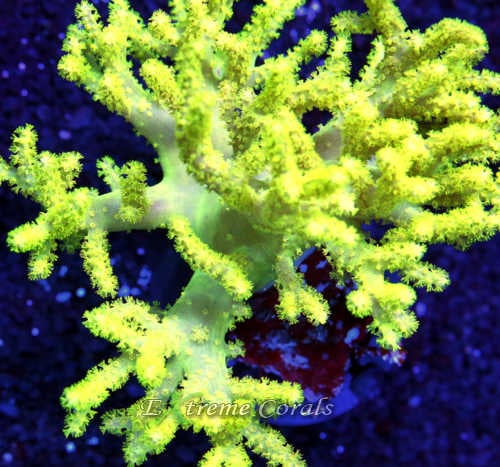
Learn how to care for Sinularia leather coral in a reef tank with the right lighting, water flow, placement, feeding, and stable water quality for healthy long-term growth.
Learn how to care for Sinularia leather coral in a reef tank with tips on lighting, flow, placement, feeding, shedding behavior, and long-term soft coral growth.
by Scott Shiles • March 01, 2023
Sinularia leather coral is one of the most attractive and adaptable soft corals in the reef hobby because it combines steady growth, natural movement, and a branching structure that adds depth to a reef tank. Often called finger leather coral, Sinularia is a favorite for reef keepers who want a hardy coral with a more sculpted look than many other soft corals. This guide explains how to care for Sinularia leather coral in a reef tank, including lighting, flow, placement, feeding, growth, shedding behavior, and the most common problems that affect long-term success.
For many hobbyists, Sinularia is an ideal soft coral because it offers structure and visual impact without the higher demands of many LPS and SPS corals. In the right system, it can grow into a large, branching colony that gives the aquarium a natural reef look while still being forgiving enough for many mixed reef tanks. Stable water, smart placement, and patience are usually the keys to success.
Looking to add hardy, colorful corals to your reef tank? Browse our new arrival corals and explore healthy corals for your aquarium.
What Makes Sinularia Leather Coral Popular
Sinularia is popular because it combines durability with strong visual appeal. It forms branching or finger-like colonies that can become a major part of the aquascape over time, especially in mixed reefs and soft coral systems.
- Beginner friendly compared with many other corals
- Adaptable to a range of conditions
- Fast growing in stable systems
- Visually interesting with natural movement
- Adds structure without the demands of stony corals
Many reef keepers choose Sinularia because it fills visual space in a natural way and often looks great long before more demanding corals fully mature.
If you are looking to add more soft corals to your tank, browse our new arrival coral frags.
What Is Sinularia Leather Coral?
Sinularia is a soft coral known for its branching, lobed, or finger-like growth form. Unlike LPS and SPS corals, it does not rely on a rigid external skeleton in the same way, which is one reason it is often more forgiving in reef tanks.
Its shape can vary depending on the species and conditions, but most hobbyists value it for its textured, upright form and the way its polyps and branches create a more natural reef appearance over time.
Lighting Requirements for Sinularia
Sinularia leather coral generally does best under moderate to moderately high lighting. It can adapt to a range of light levels, but like many corals, it usually responds best when lighting is stable and changes are made gradually.
Too little light can lead to:
- Reduced growth
- Duller coloration
- Less polyp extension
Too much light can lead to:
- Stress
- Retraction
- Difficulty adjusting after introduction
It is usually best to start Sinularia in moderate light and watch how it responds before moving it higher in the tank. A coral that opens well and maintains stable extension is usually in a good zone.
If you want to learn more about reef lighting and coral growth, read our guide on how lighting affects coral growth.
Water Flow for Sinularia Leather Coral
Sinularia usually prefers moderate to strong indirect flow. Water movement is especially important with leather corals because it helps remove waste, prevents detritus from settling, and supports normal coral behavior such as shedding.
Proper flow helps:
- Keep the surface clean
- Promote polyp extension
- Reduce buildup of debris and film
- Support healthier long-term growth
Too much direct flow can irritate the coral, while too little flow can allow waste and film to settle on the surface. Broad indirect movement is usually much better than a narrow direct blast.
If you want to learn more about proper flow and coral health, read our guide on water flow and coral health.
Water Parameters and Stability
Like most successful reef corals, Sinularia responds best to stable water conditions. It is more forgiving than many LPS and SPS corals, but long-term health still depends on consistency.
- Temperature: 76-78°F
- Salinity: 1.025-1.026
- pH: 8.1-8.4
- Alkalinity: 8-10 dKH
- Calcium: 380-450 ppm
- Magnesium: 1200-1350 ppm
- Nitrate: low to moderate
- Phosphate: low but not stripped completely
Sinularia usually performs well in stable reef tanks that are not overly sterile. Very unstable tanks or aggressive swings in salinity, alkalinity, and temperature are much more likely to cause trouble than slightly imperfect but steady numbers.
If you are building a stable reef system, browse our featured corals.
Placement in the Reef Tank
Sinularia can often be placed in the middle or upper portions of the tank depending on overall lighting intensity and flow pattern. It should be mounted securely on rockwork or another stable base where it has room to grow outward and upward.
- Place it where it receives moderate to moderately high light
- Choose an area with moderate to strong indirect flow
- Mount it securely on stable rockwork
- Leave room for future branching growth
When choosing placement, remember that Sinularia can become a fairly large colony over time. Give it enough room so it does not crowd neighboring corals or block light to slower growers.
If you are planning your reef layout, browse our new arrival coral colonies.
Feeding Sinularia Leather Coral
Sinularia is primarily photosynthetic and gets most of its energy from light through symbiotic algae. In many reef tanks, direct feeding is not required for it to thrive.
That said, some hobbyists report improved growth in tanks with:
- Fine particulate foods
- Phytoplankton
- Moderate nutrient availability
The bigger priority is usually maintaining good water quality and stable conditions rather than trying to feed the coral heavily. Overfeeding the system usually creates more problems than benefits.
Growth, Shedding, and Normal Behavior
One of the most important things to understand about leather corals is that they may periodically close up and develop a thin film or waxy layer on the surface. This is a normal shedding process and is one of the easiest ways newer hobbyists get worried unnecessarily.
During this process, the coral may:
- Stay closed for a period of time
- Appear dull or coated
- Then reopen after shedding cleanly
Good water flow helps Sinularia shed more easily and reopen faster. As long as tissue remains healthy, periodic shedding is usually normal behavior rather than a sign of disease.
Sinularia can also grow relatively quickly in stable tanks, especially when lighting and flow are appropriate and the coral has enough space to expand.
Coral Compatibility and Space
Sinularia is generally considered peaceful in terms of direct stinging, but like many soft corals it can still compete chemically with other corals. In mixed reef systems, spacing and filtration matter.
Best practices include:
- Allowing room between colonies
- Watching for contact with nearby corals
- Using carbon in mixed reefs if needed
- Avoiding overcrowding
Even a hardy soft coral can cause problems in a crowded mixed reef if growth is not planned for ahead of time.
Common Sinularia Problems
Some common issues reef keepers see with Sinularia include:
- Poor polyp extension
- Long periods of remaining closed
- Detritus collecting on the coral
- Weak growth
- Stress after moving or fragging
These problems are usually tied to one or more of the following:
- Flow that is too weak
- Sudden lighting changes
- Parameter instability
- Poor placement
- Stress from neighboring corals
A Sinularia that stays closed too long is often reacting to something in the environment, though a normal shedding cycle should also be considered before assuming the coral is failing.
How to Tell If Sinularia Is Healthy
- Polyps extend regularly
- The colony stands upright and stable
- There is no visible tissue decay
- The coral reopens after shedding
- Growth is steady over time
A healthy Sinularia usually looks settled, clean, and active. If it appears collapsed, coated with debris, or chronically closed, it is usually worth reviewing flow, light, and overall tank stability.
Best Tank Setup for Sinularia
Sinularia does best in stable reef tanks with:
- Moderate to moderately high lighting
- Moderate to strong indirect flow
- Consistent water parameters
- Enough room for growth
It is a great option for hobbyists who want a soft coral with structure, movement, and reliable growth.
If you want to explore other beginner-friendly and colorful corals, browse our zoanthids collection and our ricordia mushrooms.
Pro Tips for Long-Term Success
- Prioritize stable conditions over chasing perfect numbers
- Give the coral enough indirect flow to stay clean
- Do not panic during normal leather shedding cycles
- Allow room for the colony to expand over time
- Observe daily for changes in extension and behavior
Related Corals You May Also Like
If you are interested in Sinularia leather coral, you may also want to explore other hardy soft corals and related reef tank guides:
- Browse soft corals for sale
- Toadstool leather coral care guide
- Zoanthid care guide
- Xenia coral care tips
- Overview of coral types and care guidelines
Ready to add a hardy leather coral to your reef tank? Browse our new arrival corals and explore healthy additions for your aquarium.
Shop Sinularia and Soft Corals
Explore our soft corals, new arrival coral frags, and featured corals to build a more colorful reef tank.
Final Thoughts
Sinularia leather coral is one of the best soft corals for reef keepers who want a hardy, attractive coral with natural movement and structure. With proper lighting, flow, and stable water conditions, it can become a long-term showpiece in your reef tank.
Frequently Asked Questions
Q: Is Sinularia leather coral beginner friendly?
Yes, Sinularia is generally considered one of the more beginner-friendly soft corals.
Q: Does Sinularia need strong flow?
It usually does best in moderate to strong indirect flow, not harsh direct flow.
Q: Why is my Sinularia closed?
It may be reacting to flow, lighting, handling stress, or going through a normal shedding cycle.
Q: Does Sinularia need feeding?
It is mainly photosynthetic and usually does not require direct feeding to thrive.
Q: Does Sinularia shed like other leather corals?
Yes, periodic shedding is normal and helps the coral maintain a healthy surface.
About the Author
Scott Shiles is the owner of ExtremeCorals.com, which he has operated for over 25 years and is recognized as one of the early dedicated live coral websites on the internet. A lifelong reef keeper since 1984, Scott has decades of hands-on experience maintaining marine aquariums and previously owned and operated a brick and mortar aquarium retail store for 10 years, including five years alongside Extreme Corals. He holds a degree in Marine Biology and has personally selected and sold hundreds of thousands of live corals. An avid scuba diver who has explored reef systems around the world, Scott shares practical coral care and husbandry knowledge based on real world reef experience.
overall rating:
my rating:
log in to rate
Please log in to leave a comment.
For more information visit: additional resources