My Cart: 0 item(s)

Extreme Corals News and Updates
How to Frag Torch Coral: Complete Propagation Guide for Reef Tanks (2026)
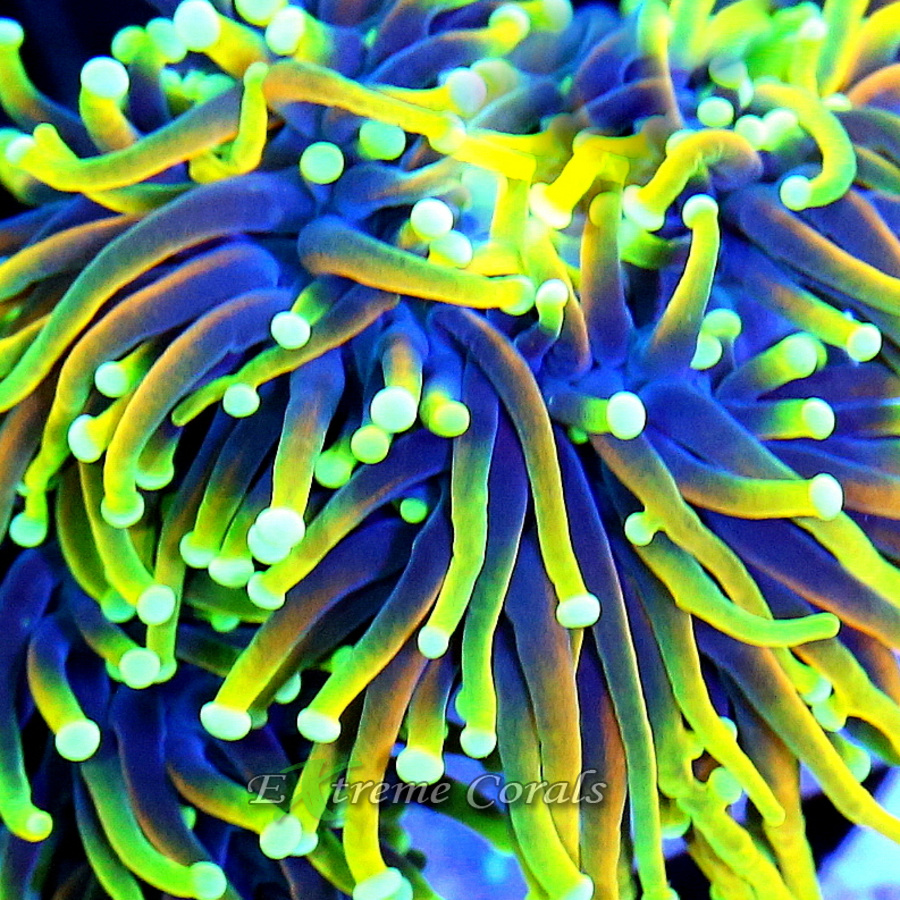
Learn how to frag torch coral safely with this complete 2026 propagation guide covering tools, timing, cutting methods, healing, aftercare, and common mistakes to avoid.
Learn how to frag torch coral with this complete 2026 guide covering tools, cutting methods, safety, healing time, aftercare, and tips for successful propagation.
by Scott Shiles • April 21, 2026
Torch corals are one of the most rewarding corals to propagate because healthy branching colonies can be divided cleanly, healed successfully, and grown into beautiful new frags with the right technique. For reef keepers who want to expand their collection, preserve valuable colonies, or trade healthy pieces with other hobbyists, learning how to frag torch coral properly is an important skill. This complete 2026 guide explains what torch corals are, when to frag them, what tools to use, how to cut them safely, and how to care for new frags during recovery.
Torch corals are especially popular in reef aquariums because of their long flowing tentacles, bright coloration, and high visual impact. They can also be relatively straightforward to propagate when the colony is healthy and branching clearly. The key is patience, clean technique, stable water quality, and good post-frag care.
Looking to add healthy Euphyllia to your reef tank? Browse our collection of LPS corals and explore colorful corals for your aquarium.
What Are Torch Corals?
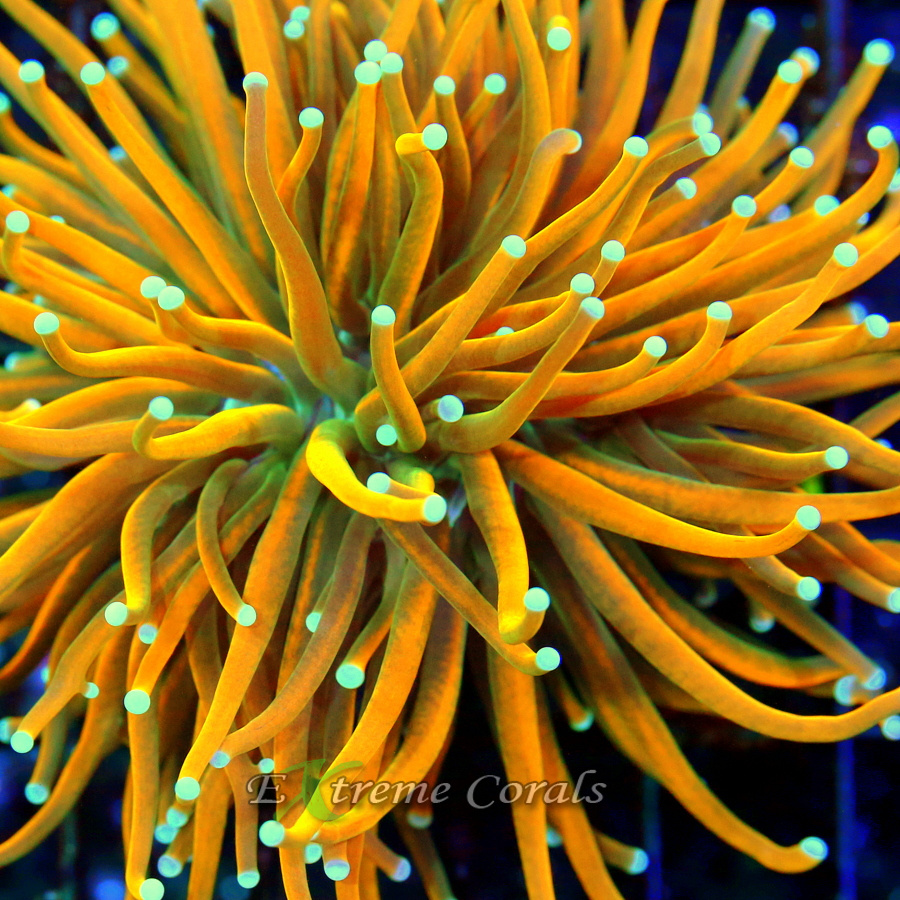
Torch corals, often referred to in the hobby as Euphyllia corals, are a type of large polyp stony coral known for their long, colorful tentacles that resemble small flames or candles in motion. They are found in colors such as green, gold, pink, orange, and other high-end variations, making them one of the most desirable corals for movement and color in a reef tank.
These corals are relatively hardy in stable systems and, when branching clearly, can be propagated much more easily than many other fleshy LPS corals.
How to Frag Torch Coral Quickly
If you want the short version first, the process is simple in principle:
- Use clean, sharp bone cutters or a frag saw
- Cut between branches below the polyp
- Make sure each frag has at least one healthy head
- Mount the new frag to a plug or small rock with reef-safe glue
- Place the frag in moderate flow and moderate lighting while it heals
The details matter, though, and proper preparation is what separates a clean successful frag from a damaged one.
When to Frag Torch Coral
Torch coral should only be fragged when the colony is healthy, established, and showing clear branching structure. The best time to cut is when the coral is actively growing and not under stress.
- Frag when the colony has multiple heads
- Frag when branches are clearly separated
- Frag only when the coral is healthy and fully extending
- Avoid fragging newly added, stressed, or recently damaged colonies
If the coral has poor extension, recent tissue recession, or signs of infection, fragging should wait until the colony is fully stable again.
Benefits of Propagating Torch Corals
Fragging torch corals is useful for more than just making more coral. It can also help preserve valuable pieces, reduce risk from large colonies, and support the long-term sustainability of reefkeeping.
- Expand your coral collection from one healthy colony
- Preserve part of a valuable torch in case a colony later declines
- Create frags to trade, sell, or grow out
- Support aquacultured coral growth rather than wild collection
Many reef hobbyists find torch propagation especially rewarding because the frags can become substantial new colonies over time if cared for properly.
Safety Precautions Before Fragging
Coral fragging should always be done carefully. Torch corals have fragile tissue over hard skeleton, and careless handling can easily tear tissue or cause avoidable stress.
- Wear protective gloves
- Use eye protection or goggles
- Work in a well-ventilated area
- Keep sharp tools under control at all times
- Have a first aid kit nearby in case of cuts or accidents
Good safety habits protect both you and the coral.
Tools and Equipment Needed
You only need a few essential tools to frag torch coral correctly, but each one matters.
- Bone cutters: useful for cutting branching skeleton cleanly
- Frag saw: especially helpful for thicker or more valuable pieces
- Frag plugs: small surfaces for mounting new frags
- Cyanoacrylate gel glue: reef-safe glue for securing frags
- Rubbing alcohol: for cleaning and sterilizing tools
- Protective gloves: to protect your hands
- Fragging container or tray: to keep the process organized
Using sharp, clean tools is one of the most important parts of successful propagation.
Step-by-Step Guide to Fragging Torch Coral
1. Prepare the Work Area
Set up all tools and supplies before you remove the coral from the tank. Have your plugs, glue, cutters, gloves, and clean working surface ready.
2. Remove the Coral Carefully
Take the coral out of the tank gently and place it on a stable, clean surface. Avoid crushing or dragging the fleshy tissue across anything rough.
3. Identify Natural Separation Points
Look for the branch points in the skeleton below the polyp heads. A branching torch is easiest to frag when each head sits on a distinct branch that can be separated cleanly.
4. Make the Cut
Using bone cutters or a frag saw, cut between branches below the polyp. Make sure each frag retains at least one healthy head and enough skeleton to mount securely.
5. Mount the Frag
Dry the cut base briefly and attach it to a frag plug or small rock using reef-safe glue. Keep glue away from living tissue.
6. Return the Frag to the Tank
Place the new frag in an area with moderate lighting and moderate indirect flow so it can recover without excessive stress.
7. Monitor Recovery
Watch closely for signs of stress, infection, or poor extension during the healing period. Stable water quality is critical at this stage.
Best Fragging Techniques for Torch Corals
Technique matters as much as the tools themselves. Torch corals should be cut cleanly through the skeleton, not ripped or twisted apart.
- Use sharp tools to avoid crushing the skeleton
- Sterilize tools before and after use
- Always cut below the fleshy tissue, not through it
- Handle the coral by the skeleton whenever possible
Clean cuts reduce recovery time and lower the chance of infection or tissue loss.
How to Care for Fragged Torch Corals
After fragging, torch coral frags need a stable and low-stress environment. Good aftercare is what determines whether the frag heals and grows or begins to decline.
- Provide moderate to moderately high lighting
- Use moderate indirect flow
- Maintain stable salinity, temperature, and pH
- Allow the coral time to acclimate after mounting
- Feed lightly only after the frag begins recovering
Do not rush recovery by moving the frag repeatedly or blasting it with more flow than it needs.
How Long Does Torch Coral Take to Heal?
Most healthy torch coral frags recover within about 1 to 2 weeks under stable conditions, though full settling and resumed growth can take longer depending on the colony and the tank.
- Initial healing often starts in the first several days
- Normal extension may return gradually
- Full confidence in the frag usually comes after stable recovery over a couple of weeks
The cleaner the cut and the better the water quality, the smoother healing usually goes.
Common Mistakes to Avoid
Most torch fragging failures come from a few avoidable mistakes rather than from the act of fragging itself.
- Do not rush the process
- Do not handle the fleshy tissue excessively
- Do not use dirty or unsterilized tools
- Do not frag stressed or newly introduced corals
- Do not allow unstable water parameters during recovery
- Do not overcrowd the recovery area
Healthy torch fragging is mostly about patience, clean technique, and stable husbandry.
Monitoring and Maintenance After Fragging
Once the frag is back in the tank, consistent monitoring is essential.
- Check temperature, salinity, and pH regularly
- Keep lighting stable
- Clean frag plugs if algae begins building up
- Watch for tissue recession, discoloration, or poor extension
- Maintain steady indirect flow around the frag
Most issues show up early, so the first week or two after fragging is especially important.
Is Fragging Torch Coral Safe?
Fragging torch coral is generally safe when done correctly, but improper cuts or poor recovery conditions can lead to infection, stress, or tissue loss.
- Use clean tools
- Make clean cuts through the skeleton
- Keep water parameters stable
- Do not cut through living tissue unnecessarily
A healthy, branching torch coral is usually one of the more manageable Euphyllia corals to propagate when handled carefully.
Growing Your Coral Collection
Once you have successfully fragged torch coral, you can begin expanding your collection from a single healthy colony. This is one of the most rewarding parts of reefkeeping, especially with colorful Euphyllia varieties that grow into showpiece pieces over time.
With good care, a single torch colony can eventually become multiple healthy frags, each capable of growing into a new focal point in the tank.
Related Coral Guides You May Also Like
If you are interested in torch coral propagation, you may also want to explore these related reef tank guides:
- Browse LPS corals
- Euphyllia coral care guide
- Holy Grail torch coral guide
- General coral fragging guide
- Water flow and coral health
Ready to grow your Euphyllia collection? Browse our LPS corals and explore healthy torch corals and other standout reef additions.
Shop Torch Corals and Euphyllia
Explore our WYSIWYG LPS corals, new arrival corals, and featured corals to build a more colorful reef tank.
Final Thoughts
Fragging torch coral is one of the most useful and rewarding propagation skills a reef hobbyist can learn. With clean tools, proper timing, careful cuts, and stable post-frag care, healthy branching torch corals can be divided successfully and grown into beautiful new colonies. When done correctly, torch propagation helps preserve valuable corals, grow your collection, and support more sustainable reefkeeping.
Frequently Asked Questions
Q: How do you frag a torch coral?
A: Cut between branches below the polyp using clean tools and mount the frag to a plug or rock.
Q: Can you frag torch coral easily?
A: Yes, branching torch corals are generally easier to frag than many other fleshy LPS corals.
Q: How long does torch coral take to heal after fragging?
A: Most healthy frags recover within about 1 to 2 weeks under stable conditions.
Q: What tools do you need to frag torch coral?
A: Bone cutters or a frag saw, frag plugs, reef-safe glue, protective gloves, and sterilizing supplies.
Q: Is it safe to frag torch coral?
A: Yes, when done correctly with clean tools, a healthy coral, and stable recovery conditions.
About the Author
Scott Shiles is the owner of ExtremeCorals.com, which he has operated for over 25 years and is recognized as one of the early dedicated live coral websites on the internet. A lifelong reef keeper since 1984, Scott has decades of hands-on experience maintaining marine aquariums and previously owned and operated a brick and mortar aquarium retail store for 10 years, including five years alongside Extreme Corals. He holds a degree in Marine Biology and has personally selected and sold hundreds of thousands of live corals. An avid scuba diver who has explored reef systems around the world, Scott shares practical coral care and husbandry knowledge based on real world reef experience.
overall rating:
my rating:
log in to rate
-2 Comments
Please log in to leave a comment.
For more information visit: additional resources