My Cart: 0 item(s)

Extreme Corals News and Updates
pH and Alkalinity in Reef Tanks (How to Keep Stable Water Parameters for Coral Health)
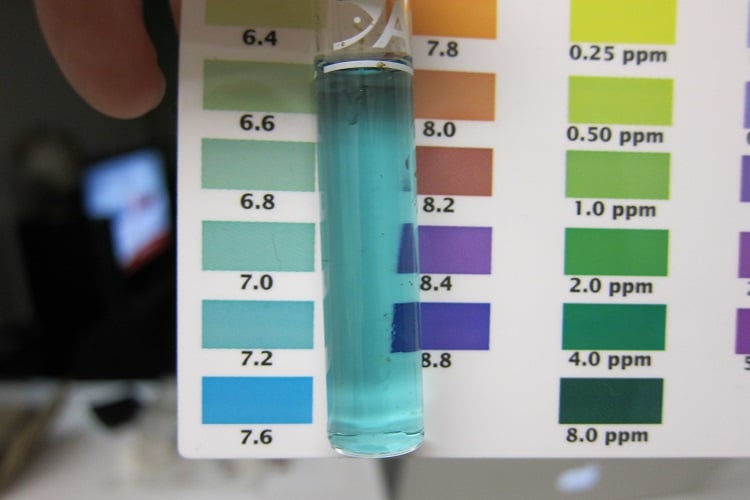
Learn how pH and alkalinity work together in reef tanks, why stability matters more than chasing numbers, and how to keep water parameters steady for healthier coral growth.
Learn how pH and alkalinity work together in reef tanks, why stability matters more than chasing numbers, and how to keep water parameters steady for healthier coral growth.
by Scott Shiles • January 12, 2024
Reef Tank Maintenance, All Corals
pH and alkalinity are two of the most important water parameters in a reef tank because they directly affect coral health, calcification, and overall system stability. While they are closely related, they are not the same thing, and understanding how they work together is one of the keys to long-term reef success. This guide explains what pH and alkalinity actually mean, why stability matters more than chasing perfect numbers, and how to keep your reef tank stable for healthier coral growth.
Many reef keepers run into trouble because they see one low pH reading or one alkalinity swing and try to fix it too aggressively. That often creates more stress than the original problem. In most reef tanks, long-term success comes from consistency, reliable testing, gradual adjustments, and understanding the real cause of instability before making corrections.
Building a reef tank around healthier coral growth? Browse our new arrival corals and explore corals for mixed reefs, LPS systems, and SPS tanks.
What Is pH in a Reef Tank?
pH measures how acidic or basic your aquarium water is. In a reef tank, pH affects many biological and chemical processes, including how efficiently corals build skeletons and how stable the system remains over time.
In general, reef tanks perform best when pH stays in a stable range rather than rising and falling sharply every day. Some daily variation is normal, especially between daytime and nighttime, but large swings can stress corals and other tank inhabitants.
- pH tells you how acidic or basic the water is
- Normal daily fluctuation is common
- Large pH swings are usually more harmful than slightly imperfect but stable readings
What Is Alkalinity in a Reef Tank?
Alkalinity measures the water’s ability to resist sudden changes in pH. In simple terms, alkalinity acts like a buffer that helps keep the system more chemically stable.
Alkalinity is especially important in reef tanks because corals use carbonate and bicarbonate compounds during calcification to build their skeletons. If alkalinity is unstable, depleted, or rising and falling too often, coral growth and health can suffer.
- Alkalinity helps stabilize pH
- Corals use alkalinity in skeletal growth
- Alkalinity swings are one of the most common reef tank chemistry problems
How pH and Alkalinity Work Together
pH and alkalinity are closely connected, but they should not be treated as interchangeable.
- pH tells you how acidic or basic the water is
- Alkalinity helps resist sudden pH swings
A reef tank can have acceptable pH but unstable alkalinity, or acceptable alkalinity with pH issues caused by excess carbon dioxide. That is why successful reef keeping depends on understanding the relationship instead of reacting to one number by itself.
For example, low pH does not always mean you need to add more buffer. Sometimes the real problem is poor gas exchange, excess indoor carbon dioxide, or weak surface agitation. Fixing the cause is always better than reacting blindly to the reading.
Why Stable pH and Alkalinity Matter for Corals
Corals rely on stable water chemistry to grow and stay healthy. Rapid swings in pH or alkalinity can lead to:
- Reduced calcification
- Poor polyp extension
- Tissue stress
- Slower growth
- Greater risk of coral decline
This is especially important for stony corals. If you keep LPS or SPS corals, stable alkalinity becomes even more important for long-term success because those corals are actively building skeleton.
Browse large polyp stony corals here
Browse small polyp stony corals here
Ideal pH Range for Reef Tanks
Most reef tanks do well when pH stays roughly between 8.1 and 8.4. Some tanks may run a little lower or a little higher at times, but the bigger priority is stability rather than chasing the highest possible pH.
Many reef keepers create problems by reacting too aggressively to one number without understanding what caused it. A tank that stays reasonably stable at the low end of the normal range often does better than a tank that swings wildly because the aquarist keeps trying to force a “perfect” number.
Ideal Alkalinity Range for Reef Tanks
Most reef tanks do well when alkalinity stays roughly in the 8 to 10 dKH range. Some successful systems may run a little outside that depending on nutrient levels and husbandry style, but again, consistency matters more than perfection.
Corals usually handle a slightly lower or slightly higher alkalinity better than they handle repeated instability. Fast-growing tanks with heavy coral demand especially need close monitoring so alkalinity does not drift downward unnoticed.
Common Causes of Low pH
Low pH in reef tanks is often caused by excess carbon dioxide in the surrounding air or poor gas exchange in the aquarium. In many homes, indoor CO2 is a much bigger factor than hobbyists realize.
Common causes include:
- Poor room ventilation
- High indoor carbon dioxide
- Low surface agitation
- Overcrowding
- Excess organic buildup
In many cases, low pH is not actually an alkalinity problem at all. That is why adding more buffer without understanding the cause can backfire.
Common Causes of Alkalinity Swings
Alkalinity swings are often caused by inconsistent maintenance habits rather than one dramatic event.
- Inconsistent dosing
- Heavy coral consumption
- Irregular water changes
- Testing errors
- Sudden changes in supplementation
As coral growth increases, alkalinity demand often rises as well. Tanks with growing LPS and SPS colonies can consume alkalinity much faster than many hobbyists expect, which is why a dosing plan that worked six months ago may no longer be enough.
How to Raise pH Safely
If pH is consistently low, the safest solutions usually involve improving gas exchange and overall stability instead of making sudden chemical corrections.
Practical ways to help raise pH include:
- Increasing surface agitation
- Improving room ventilation
- Running fresh air to the skimmer if possible
- Keeping the tank clean and well maintained
Avoid abrupt changes. Small improvements in airflow and gas exchange are usually safer and more effective than trying to force a rapid jump in pH with additives.
How to Raise Alkalinity Safely
If alkalinity is low, it should be raised gradually. Fast corrections may shock corals and can make the tank less stable instead of more stable.
The best long-term approach is usually:
- Test consistently
- Dose in small amounts
- Recheck after adjustments
- Avoid large one-time corrections
Stable dosing is much safer than trying to “fix” alkalinity with one big adjustment. A reef tank almost always responds better to gradual correction.
Why Chasing pH Can Cause Problems
One of the biggest mistakes reef keepers make is chasing pH numbers without understanding the real issue.
For example:
- Low pH may actually be caused by indoor carbon dioxide
- Unstable alkalinity may be caused by inconsistent dosing
- Coral stress may be caused by swings, not the exact number itself
In many cases, reef tanks improve more from consistency and better husbandry than from aggressive correction. Stability usually solves more problems than chasing a target reading ever will.
Testing pH and Alkalinity Correctly
Regular testing is essential if you want a stable reef tank. Testing once in a while only after something looks wrong is usually too late to catch trends early.
Best practices include:
- Test at the same time of day when possible
- Use reliable test kits or monitors
- Track results over time
- Look for trends, not just single readings
This helps you understand whether the tank is truly stable or gradually drifting. Trend awareness is often more useful than any one isolated test result.
If you want to learn more about overall reef stability and equipment, read our guide on must-have reef tank tools and accessories.
Water Changes and Parameter Stability
Regular water changes can help support more stable alkalinity and overall water chemistry, especially in tanks with growing coral demand. They also help replenish trace elements and reduce the buildup of waste that can indirectly affect coral health.
A consistent maintenance routine often does more for long-term success than constantly reacting to chemistry problems after they appear.
If you want to learn more about reef tank maintenance and coral health, read our guide on water flow and coral health.
Signs Your pH or Alkalinity May Be Off
Some warning signs include:
- Reduced coral growth
- Poor extension
- Tissue recession
- Unexplained coral stress
- Repeated instability in testing
These signs do not always mean pH or alkalinity is the only problem, but they are important to investigate. Chemistry issues often show up alongside other husbandry problems, not in total isolation.
Best Approach for Long-Term Success
The best reef tanks are usually built around consistency.
That means:
- Stable alkalinity
- Stable pH
- Regular testing
- Gradual adjustments
- Good overall maintenance habits
Successful reef keeping is usually not about dramatic correction. It is about building a stable system where corals can adapt, grow, and remain healthy over time.
Related Corals and Reef Tank Topics You May Also Like
If you are working on reef chemistry and coral health, these related guides may also help:
- Coral care guide
- Reef tank equipment guide
- Must-have reef tank tools and accessories
- The impact of water flow on coral health
- Browse new arrival corals
Ready to support better coral health with a more stable reef tank? Browse our new arrival corals and build your system around healthier long-term reefkeeping habits.
Shop Corals for Stable Reef Systems
Explore our new arrival corals, LPS corals, and SPS corals to stock your reef tank with healthy corals that benefit from stable water chemistry.
Final Thoughts
pH and alkalinity are deeply connected in reef tanks, but the real goal is stability, not perfection. Understanding how these parameters work together will help you make better decisions, avoid common mistakes, and support healthier coral growth over the long term.
Frequently Asked Questions
Q: What is a good pH for a reef tank?
A: Most reef tanks do well when pH stays roughly between 8.1 and 8.4.
Q: What is a good alkalinity level for a reef tank?
A: Many reef tanks perform well when alkalinity stays around 8 to 10 dKH.
Q: Is alkalinity more important than pH?
A: Both matter, but stability is usually more important than chasing ideal numbers.
Q: Why does my reef tank pH stay low?
A: Low pH is often caused by excess indoor carbon dioxide or poor gas exchange rather than alkalinity alone.
Q: What is the safest way to correct alkalinity?
A: The safest approach is usually gradual dosing, consistent testing, and avoiding large one-time corrections.
About the Author
Scott Shiles is the owner of ExtremeCorals.com, which he has operated for over 25 years and is recognized as one of the early dedicated live coral websites on the internet. A lifelong reef keeper since 1984, Scott has decades of hands-on experience maintaining marine aquariums and previously owned and operated a brick and mortar aquarium retail store for 10 years, including five years alongside Extreme Corals. He holds a degree in Marine Biology and has personally selected and sold hundreds of thousands of live corals. An avid scuba diver who has explored reef systems around the world, Scott shares practical coral care and husbandry knowledge based on real world reef experience.
overall rating:
my rating:
log in to rate
Please log in to leave a comment.
For more information visit: additional resources