My Cart: 0 item(s)

Extreme Corals News and Updates
Best Fish for Saltwater Reef Tanks: Reef-Safe Picks, Compatibility Tips and Fish to Avoid
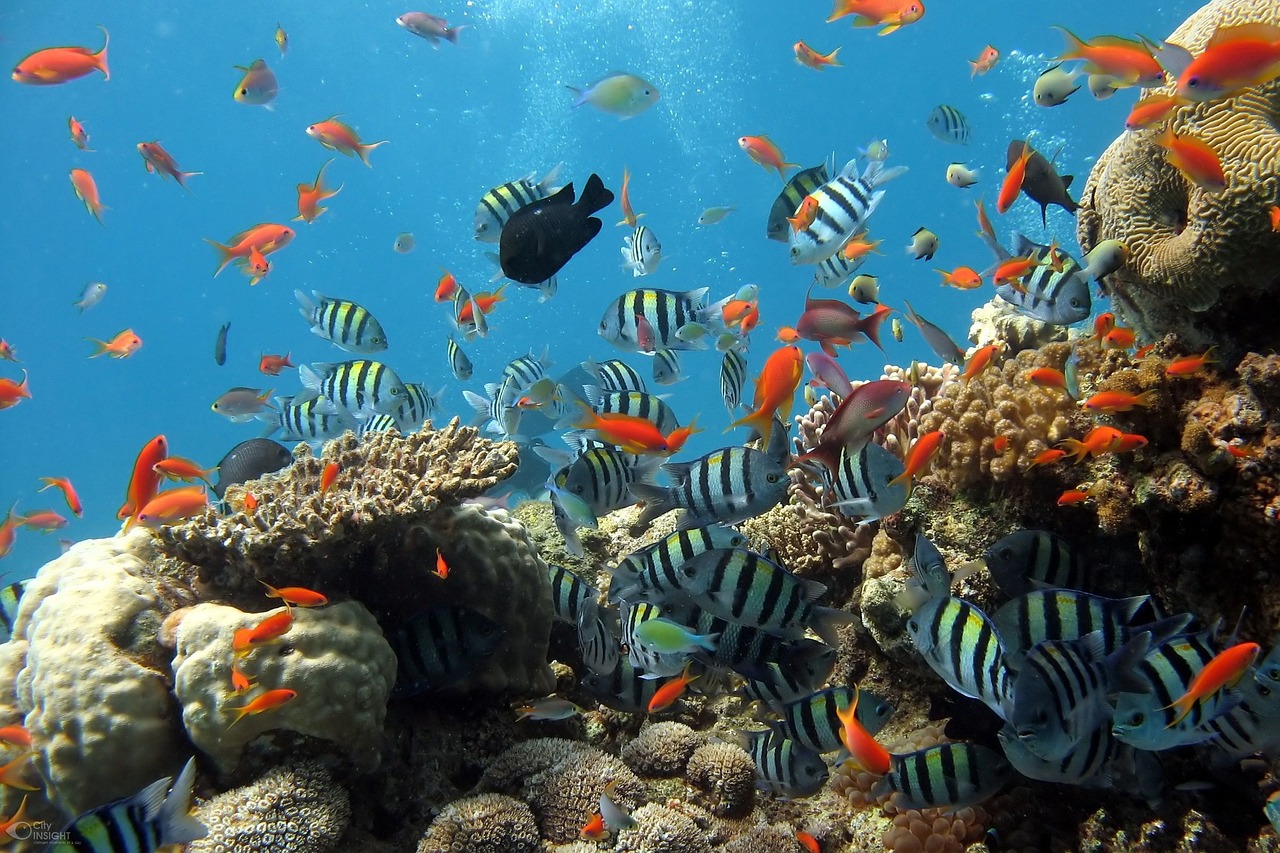
Learn which fish are best for saltwater reef tanks, which species are safest with corals and invertebrates, and which fish are better left out of a reef setup.
Discover the best fish for saltwater reef tanks, including reef-safe picks, compatibility tips, beginner-friendly options, and fish to avoid in coral aquariums.
by Scott Shiles • March 07, 2024
Choosing the right fish for a saltwater reef tank is one of the most important parts of building a healthy, balanced marine aquarium. The best reef fish add color, movement, and personality without damaging corals, harassing tank mates, or putting invertebrates at risk. This guide covers some of the best fish for saltwater reef tanks, what makes a fish reef safe, which species are best for beginners, and which fish are better avoided in coral-heavy systems.
Many reef keepers focus first on coral selection, but fish choice matters just as much. The wrong fish can create long-term problems through aggression, coral nipping, predation on invertebrates, or simply outgrowing the tank. The right fish, on the other hand, can help make a reef tank feel active, natural, and complete. A well-chosen fish list improves both the look and long-term stability of the entire system.
Building a reef tank around healthy livestock choices? Browse our new arrival corals and explore corals for mixed reefs, beginner tanks, and more advanced marine systems.
What Makes a Fish Good for a Reef Tank?
A good reef fish is not just beautiful. It also needs to be compatible with corals, invertebrates, and the other fish in the system. Some fish are considered reef safe because they generally leave corals alone and integrate well into peaceful or semi-peaceful marine communities.
- They do not usually nip at corals
- They are unlikely to eat shrimp, snails, or other cleanup crew animals
- They fit the tank size and swimming space available
- They can coexist with common reef tank mates
- They match the experience level of the aquarist
Even fish commonly labeled reef safe can still vary by individual temperament, so research and observation are always important.
Best Beginner Fish for Saltwater Reef Tanks
Some reef fish are especially popular because they combine hardiness, manageable care requirements, and broad compatibility. These are often among the best fish for beginners starting a reef aquarium.
Clownfish
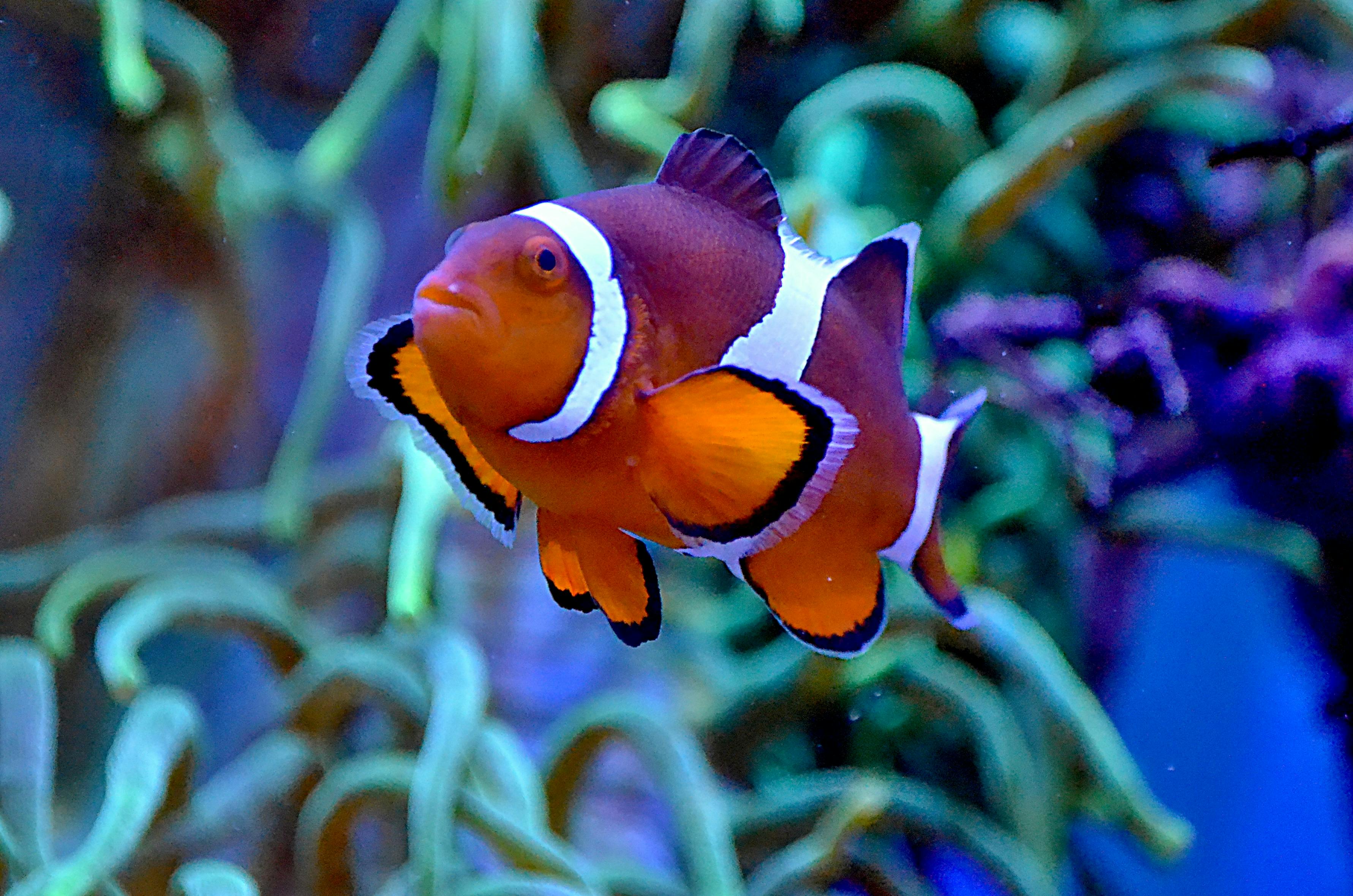
Clownfish are among the most recognizable reef fish in the hobby. They are hardy, colorful, and adapt well to captive life, which makes them one of the best choices for newer reef keepers.
Ocellaris Clownfish
Ocellaris clownfish are especially popular because they are hardy, attractive, and generally adaptable to a wide range of reef setups. They are often a first fish for many hobbyists.
Royal Gramma
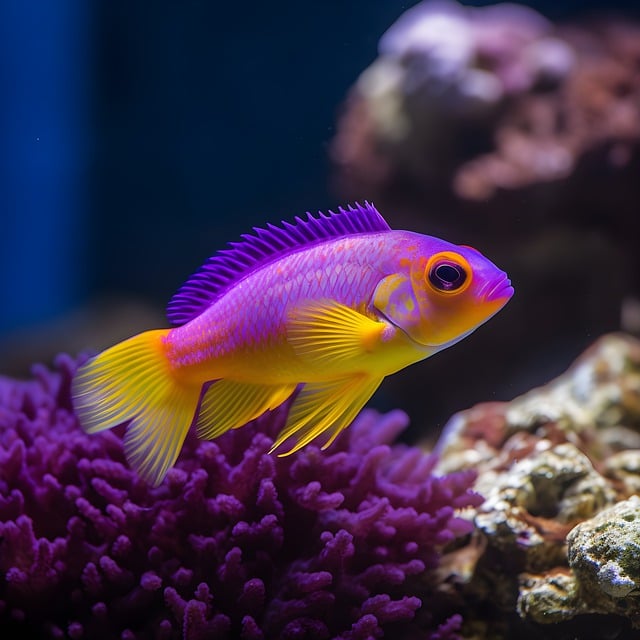
Royal grammas are loved for their purple and yellow coloration and generally peaceful nature. They usually fit well in mixed reef tanks and bring strong color contrast.
Firefish
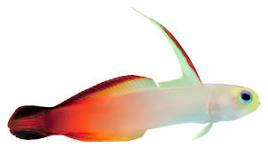
Firefish are peaceful, elegant reef fish that add movement and color without usually causing trouble. They do best in tanks with plenty of hiding places and secure lids.
Purple Firefish
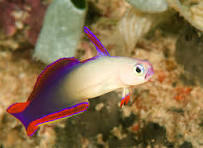
Purple firefish offer similar advantages to standard firefish, with an especially striking color combination that looks great in coral-rich aquariums.
Yellowtail Damsel
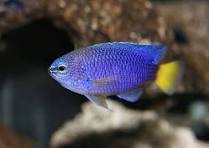
Yellowtail damsels are hardy and often easier to manage than many other damsels, though they can still show territorial behavior. In the right tank, they can be a solid beginner fish.
Great Reef Fish for Movement and Color
Some fish are especially useful for adding motion, activity, and visual contrast to a reef tank without constantly threatening corals.
Blue/Green Chromis
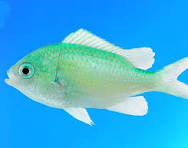
Chromis are active schooling fish that bring movement to open water areas in the tank. They are often chosen to make a reef feel more dynamic.
Pajama Cardinalfish
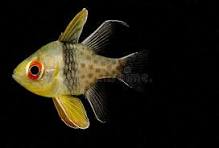
Pajama cardinalfish are peaceful and distinctive, making them a nice fit for reef tanks where a slower, calmer fish is desired.
Banggai Cardinalfish
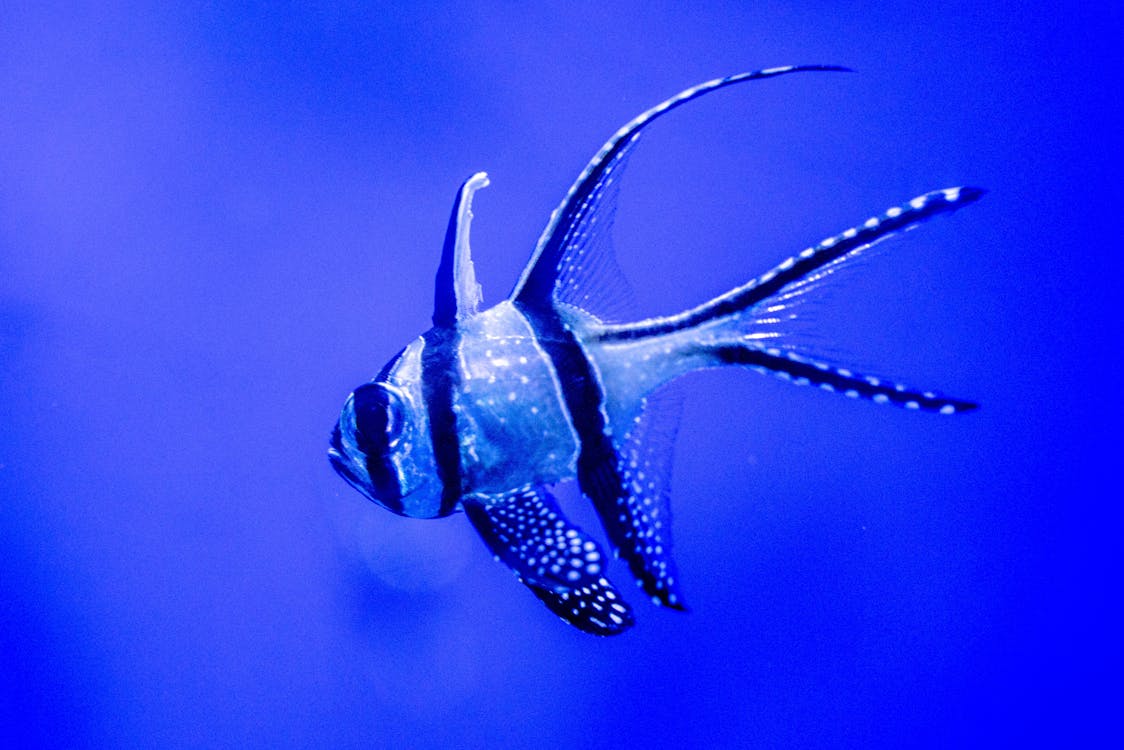
Banggai cardinalfish are popular because of their unusual appearance and calm behavior. They can do well in reef tanks when tank mate selection is thoughtful.
Anthias
Anthias are colorful, active fish that add strong movement to reef tanks, but they usually need more swimming space and more consistent feeding than simpler beginner fish.
Fairy Wrasse
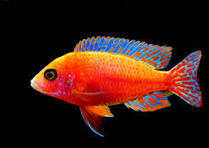
Fairy wrasses are beautiful, active additions to reef tanks and are popular for their color variety and graceful swimming behavior. Some species can become territorial toward similar fish, so stocking order matters.
Best Reef Fish for Utility and Personality
Some fish are especially valuable because they bring interesting behavior or help with algae control, sand bed activity, or tank personality.
Gobies
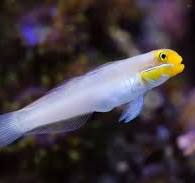
Gobies are versatile, generally peaceful, and available in many types suited to reef tanks. They can add character and often work well in smaller systems.
Yellow Watchman Goby
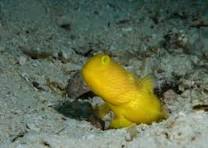
Yellow watchman gobies are especially popular for their symbiotic behavior with pistol shrimp and their calm, watchful personality.
Blennies
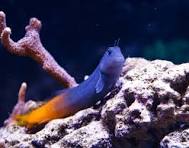
Blennies are full of personality and can be useful algae grazers in reef tanks. Many hobbyists choose them for both their behavior and practical benefits.
Tailspot Blenny
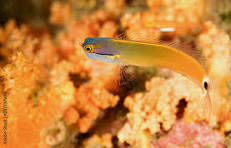
Tailspot blennies are peaceful, entertaining, and great for smaller reef tanks where a compact algae grazer with personality is wanted.
Midas Blenny
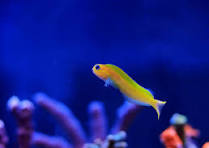
Midas blennies bring bright color and active behavior to reef tanks, though they may become territorial toward other blennies.
Six-Line Wrasse
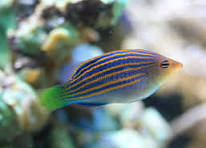
Six-line wrasses are active and attractive, and they may help with certain pest control, but they can also become aggressive toward smaller or more timid fish as they mature.
Beautiful Reef Fish That Need More Careful Planning
Some reef-safe or reef-compatible fish are popular, but they need more careful consideration because of tank size, feeding needs, or behavior.
Mandarin Fish
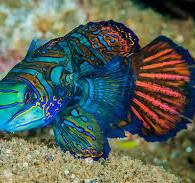
Mandarin fish are stunning, but they usually need a well-established reef tank with abundant natural food sources. They are often a poor choice for newer tanks.
Yellow Tang
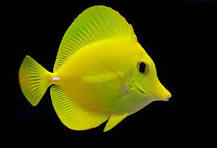
Yellow tangs are popular for their color and algae-grazing behavior, but they need ample swimming space and should not be forced into undersized reef tanks.
Kole Tang
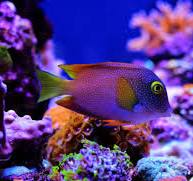
Kole tangs are valued for algae control and can be a better tang choice for some reef tanks, but they still need room, stable conditions, and good diet support.
Coral Beauty Angelfish
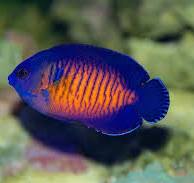
Coral beauty angelfish are often described as reef safe with caution. Many do well in reef tanks, but some individuals may nip at corals, so they are not a no-risk choice.
Flame Hawkfish
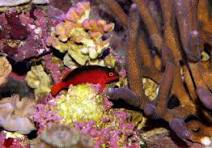
Flame hawkfish are attractive and full of personality, but they may prey on smaller shrimp and certain invertebrates. They can work in reef tanks, but not always in every type of reef system.
Royal Dottyback
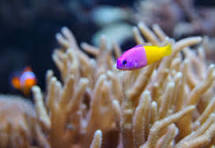
Royal dottybacks are colorful and interesting, but territorial behavior can become a problem, especially in smaller tanks.
Orchid Dottyback
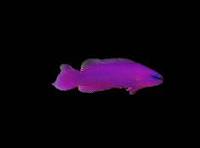
Orchid dottybacks are often a better behaved choice than more aggressive dottyback relatives, but they still require thoughtful compatibility planning.
Fish to Avoid in Most Reef Tanks
Some fish are poor choices for coral-heavy reef tanks because they are likely to eat invertebrates, damage corals, outgrow the system, or create major compatibility problems.
Lionfish
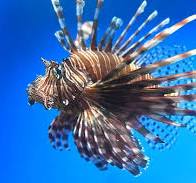
Lionfish are predatory and usually not a good fit for typical community reef tanks.
Triggerfish
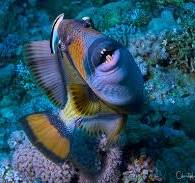
Many triggerfish are too aggressive or too risky around invertebrates and reef tank livestock.
Moorish Idol
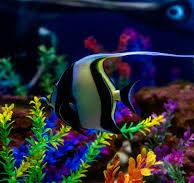
Moorish idols are notoriously difficult to keep long term and are not a practical choice for most reef hobbyists.
Harlequin Tuskfish
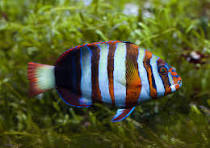
Harlequin tuskfish may prey on invertebrates and are not usually considered appropriate for delicate reef communities.
Copperband Butterflyfish
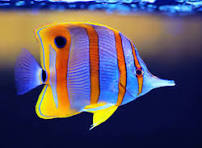
Copperband butterflyfish are admired for their appearance, but they can be difficult feeders and may not be reliable in reef tanks depending on the individual and the system.
How to Choose the Right Reef Fish for Your Tank
Before adding any fish, think about more than color. The best reef fish choices are the ones that match your tank size, coral plan, invertebrate stocking, and experience level.
- Match fish to tank size and swimming space
- Research aggression and compatibility carefully
- Think about shrimp, snails, and cleanup crew safety
- Plan stocking order to reduce territorial issues
- Choose responsibly sourced, healthy fish whenever possible
A reef tank works best when the fish list is planned just as carefully as the coral list.
Feeding Matters Too
Healthy reef fish need proper nutrition to maintain color, energy, immune health, and long-term condition. Different species may need very different feeding approaches, especially algae grazers, pod eaters, and schooling fish that require frequent feeding.
If you want to keep your reef fish looking healthy and vibrant, diet plays a major role in that success.
Related Reef Tank Topics You May Also Like
If you are building a reef tank and planning fish compatibility, these related guides may also help:
- Choosing the right tank size
- Reef tank equipment guide
- Overview of coral types and care guidelines
- Find the right coral for your reef tank
- Browse new arrival corals
Ready to build a more balanced reef tank? Browse our new arrival corals and plan your reef around healthy livestock, smart compatibility, and long-term stability.
Shop Corals for Your Reef Tank
Explore our new arrival corals, featured corals, and coral frags to build a reef tank that works with your fish choices and long-term goals.
Frequently Asked Questions
Q: What are the best beginner fish for a reef tank?
A: Clownfish, royal grammas, firefish, gobies, and some blennies are often among the best beginner reef fish.
Q: Are all colorful marine fish reef safe?
A: No. Some bright fish may still nip corals, prey on invertebrates, or create compatibility problems in reef tanks.
Q: Can I keep tangs in a reef tank?
A: Yes, some tangs can do well in reef tanks, but they need adequate swimming space and appropriate diet support.
Q: Are angelfish reef safe?
A: Some dwarf angelfish are considered reef safe with caution, but there is always some risk of coral nipping.
Q: What fish should I avoid in a reef tank?
A: Lionfish, many triggerfish, Moorish idols, Harlequin tuskfish, and some butterflyfish are often poor choices for typical reef systems.
About the Author
Scott Shiles is the owner of ExtremeCorals.com, which he has operated for over 25 years and is recognized as one of the early dedicated live coral websites on the internet. A lifelong reef keeper since 1984, Scott has decades of hands-on experience maintaining marine aquariums and previously owned and operated a brick and mortar aquarium retail store for 10 years, including five years alongside Extreme Corals. He holds a degree in Marine Biology and has personally selected and sold hundreds of thousands of live corals. An avid scuba diver who has explored reef systems around the world, Scott shares practical coral care and husbandry knowledge based on real world reef experience.
overall rating:
my rating:
log in to rate
Please log in to leave a comment.
For more information visit: additional resources