My Cart: 0 item(s)

Extreme Corals News and Updates
Why Reefkeeping Is So Rewarding: The Joys of Building a Living Reef Aquarium
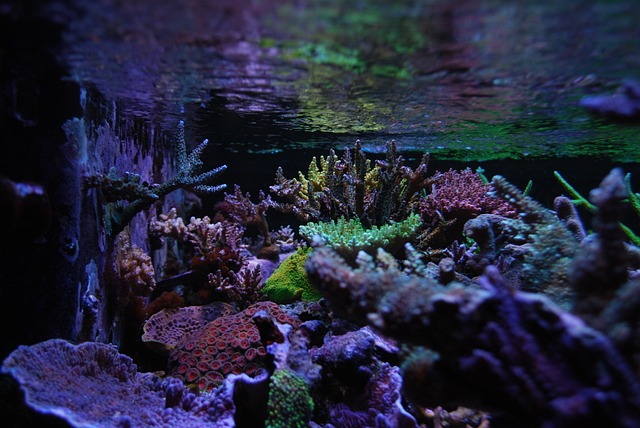
Discover the joys of reefkeeping, from creating a living work of art to learning about marine life, reducing stress, and finding community through the reef aquarium hobby.
Discover the joys of reefkeeping, including creativity, marine life education, stress relief, personal accomplishment, and the rewarding community behind reef aquariums.
by Scott Shiles • April 15, 2026
SPS Coral Care, Zoanthids Coral Care, LPS Coral Care, Soft Corals Care, All Corals
Reefkeeping is one of the most rewarding hobbies in the aquarium world because it blends art, science, patience, and personal connection into one living ecosystem. Building and maintaining a reef tank is more than just keeping fish and corals. It is the process of creating a miniature ocean at home, learning how marine life works together, and watching a living reef grow and change over time. This guide explores the many joys of reefkeeping, from the beauty of aquascaping to the satisfaction of long-term success.
For many hobbyists, reefkeeping becomes far more than a pastime. It becomes a daily source of curiosity, calm, and pride. Every coral that opens fully, every fish that settles in comfortably, and every small improvement in the tank reinforces why this hobby captures people so deeply. Whether you are just starting or already maintaining a mature reef system, the rewards of reefkeeping continue to unfold over time.
Thinking about building or improving your own reef tank? Browse our new arrival corals and explore healthy additions for your aquarium.
Creating a Living Work of Art
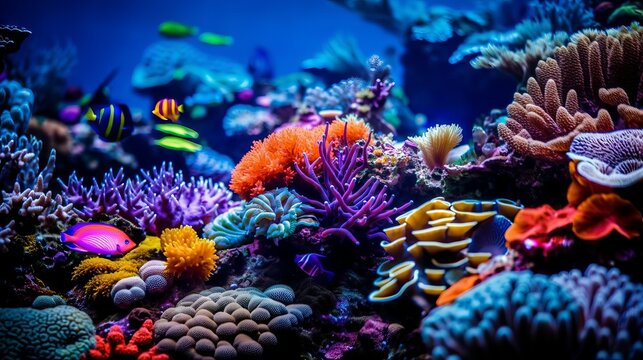
One of the greatest joys of reefkeeping is the ability to create a living display that reflects your own style and vision. A reef tank is not static decoration. It is a dynamic environment that changes and matures over time.
From the soft movement of mushrooms and zoanthids to the branching form of SPS corals like Acropora, each coral contributes its own shape, texture, and behavior. Fish, invertebrates, rockwork, and lighting all work together to create a display that feels alive in a way few hobbies can match.
With access to more aquacultured corals and carefully selected fish than ever before, hobbyists can build truly unique reef tanks that grow into something more impressive with each passing month.
Learning About Marine Life
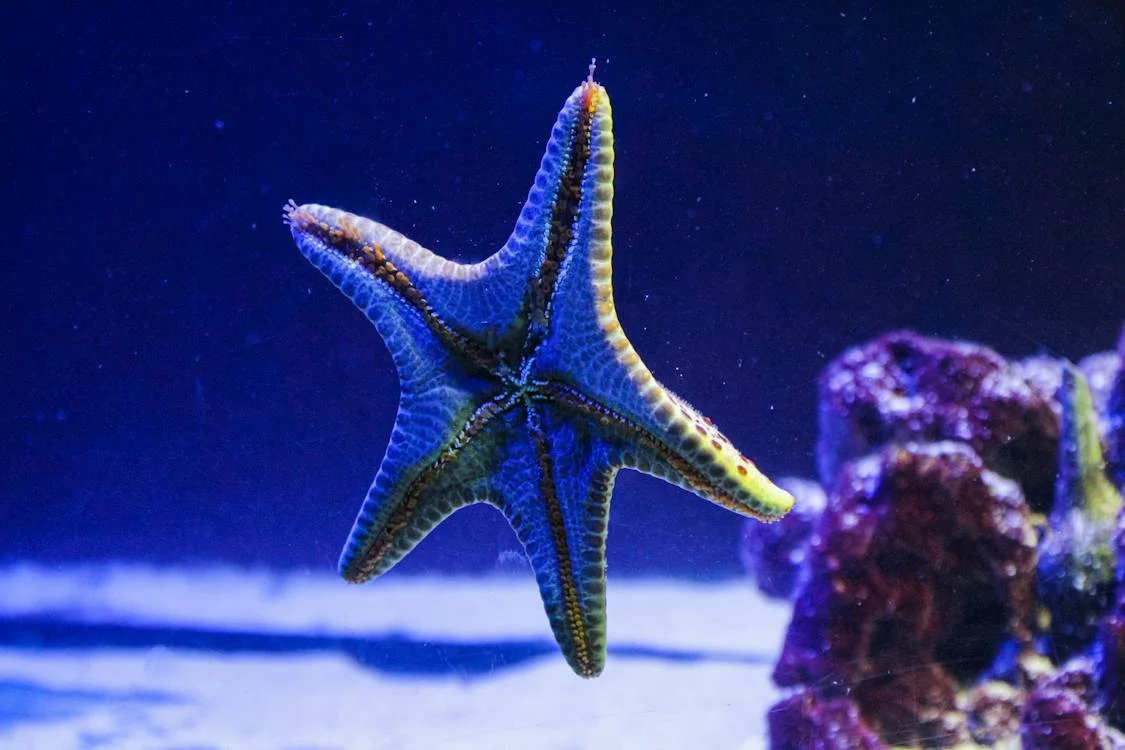
Reefkeeping is also a gateway into marine biology, ecology, and animal behavior. The hobby naturally teaches you how life in a reef ecosystem depends on balance, adaptation, and interaction.
As you care for a reef tank, you begin to understand how important water chemistry, lighting, water flow, and nutrient balance really are. You also learn how corals and fish interact with each other and with their environment.
From the relationship between corals and their zooxanthellae to the territorial habits of reef fish and the behavior of invertebrates, reefkeeping constantly teaches something new. That sense of discovery is one of the biggest reasons so many people stay passionate about the hobby for years.
Relaxation and Stress Relief
Another major joy of reefkeeping is the calm it can bring into everyday life. A reef tank often becomes one of the most peaceful parts of the home.
The soft sound of water movement, the gentle sway of corals in the current, and the constant but peaceful activity of fish and invertebrates can create a deeply relaxing environment. For many hobbyists, time spent watching or working on the tank feels meditative.
Even routine maintenance can become a calming ritual. Testing water, adjusting equipment, feeding fish, and observing coral health all encourage focus and patience. In a fast and noisy world, reefkeeping gives many people a place to slow down and reconnect with something peaceful and alive.
The Sense of Accomplishment That Comes With Success

Maintaining a healthy reef tank is not easy, and that is part of what makes it so satisfying. Reefkeeping rewards patience, consistency, and problem-solving.
As hobbyists work through algae outbreaks, pest issues, equipment adjustments, and the challenge of keeping a thriving reef aquarium, they develop real skill and confidence. Every small success matters.
A coral that begins to grow, a fish that settles in comfortably, or a system that becomes more stable month after month all create a strong sense of accomplishment. Reefkeeping teaches that long-term success comes from attention to detail and steady care, and that makes every milestone feel earned.
Watching a Reef Tank Evolve Over Time
One of the most unique pleasures of reefkeeping is watching the tank change and mature. A new reef tank can be beautiful, but an established reef has a completely different kind of depth and personality.
- Corals begin to grow into their natural forms
- Fish settle into territories and behaviors
- The aquascape develops more texture and character
- The tank starts to feel like a complete ecosystem
This long-term evolution is one of the reasons reefkeeping stays exciting. There is always something new happening, even in a tank you see every day.
Connecting With a Community

The reefkeeping hobby is also rewarding because of the people involved in it. Local clubs, online forums, social media groups, and coral vendors all help create a strong and active community.
Hobbyists share advice, compare aquascapes, troubleshoot tank problems, trade frags, and celebrate each other’s successes. That sense of connection can make the hobby even more enjoyable, especially when challenges arise.
Whether you are asking for help with coral placement, learning how to improve water quality, or simply sharing photos of a new colony, the reefkeeping community adds another layer of meaning to the hobby.
Reefkeeping Encourages Patience and Observation
Reefkeeping teaches patience in a way many hobbies do not. Corals do not grow overnight, and tank stability is built slowly.
Success in reefkeeping usually comes from careful observation and thoughtful adjustments rather than fast action. Over time, this helps hobbyists become better at reading coral behavior, spotting stress early, and understanding how the system is responding.
That process of slowing down and paying attention is part of what makes reefkeeping so meaningful. The hobby rewards consistency, not rushing.
Why Reefkeeping Stays Interesting for So Long
Even after years in the hobby, reefkeeping rarely becomes boring because there is always more to learn. Lighting strategies, coral nutrition, aquascaping, fish compatibility, filtration, and long-term coral growth all offer new challenges and insights.
- There are always new coral species and morphs to discover
- Equipment and reefkeeping methods continue to evolve
- Every tank develops differently based on the choices you make
- There is always room to improve your understanding and results
This combination of beauty, challenge, and continual learning is a big part of what keeps reefkeeping so deeply engaging.
The Joy of Nurturing Life at Home
Perhaps the most meaningful part of reefkeeping is the experience of caring for living organisms and helping them thrive. A healthy coral reef tank is the result of countless small choices made well over time.
Watching corals extend, grow, recover, and flourish under your care creates a connection that feels very different from simply owning an aquarium. It is active stewardship, and that makes the hobby deeply personal for many people.
Related Reef Tank Topics You May Also Like
If you enjoy the lifestyle and satisfaction of reefkeeping, these related guides may also help:
- How to maintain your saltwater aquarium
- Beginner’s guide to caring for live corals
- Coral health signs guide
- Coral behavior explained
- Browse new arrival corals
Ready to enjoy the rewards of reefkeeping for yourself? Browse our new arrival corals and build a reef tank that grows into something truly special over time.
Final Thoughts
Reefkeeping is rewarding because it brings together creativity, science, relaxation, and a deep sense of accomplishment. It teaches patience, encourages observation, and creates a daily connection to marine life that few hobbies can offer. From building a living work of art to becoming part of a passionate reefkeeping community, the joys of reefkeeping continue to grow right alongside the reef itself.
Frequently Asked Questions
Q: Why do people enjoy reefkeeping so much?
A: Because it combines beauty, learning, relaxation, and personal accomplishment in one living hobby.
Q: Is reefkeeping relaxing?
A: Yes, for many people. Watching and caring for a reef tank can be calming and stress-relieving.
Q: What is the most rewarding part of reefkeeping?
A: For many hobbyists, it is watching the reef grow and thrive over time through their own care and attention.
Q: Does reefkeeping teach you about marine life?
A: Absolutely. Reefkeeping helps people learn about coral biology, fish behavior, water chemistry, and reef ecology.
Q: Is reefkeeping only about appearance?
A: No. While reef tanks are beautiful, the hobby is also about learning, problem-solving, and building a healthy ecosystem.
About the Author
Scott Shiles is the owner of ExtremeCorals.com, which he has operated for over 25 years and is recognized as one of the early dedicated live coral websites on the internet. A lifelong reef keeper since 1984, Scott has decades of hands-on experience maintaining marine aquariums and previously owned and operated a brick and mortar aquarium retail store for 10 years, including five years alongside Extreme Corals. He holds a degree in Marine Biology and has personally selected and sold hundreds of thousands of live corals. An avid scuba diver who has explored reef systems around the world, Scott shares practical coral care and husbandry knowledge based on real world reef experience.
overall rating:
my rating:
log in to rate
Please log in to leave a comment.
For more information visit: additional resources