My Cart: 0 item(s)

Extreme Corals News and Updates
Rhodactis Mushroom Care Guide: Ideal Water Conditions, Light and Stability Tips
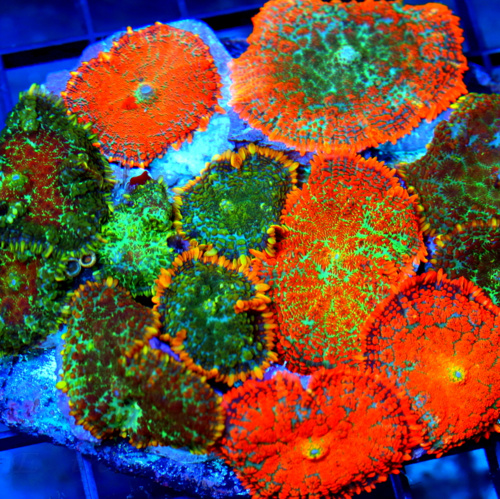
Learn the ideal water conditions for Rhodactis mushrooms, including temperature, salinity, lighting, nutrients, and how to keep them healthy and vibrant in a reef tank.
Learn the ideal water conditions for Rhodactis mushrooms in a reef tank, including temperature, salinity, lighting, nutrients, and stability for healthy growth.
by Scott Shiles • April 17, 2026
Rhodactis mushrooms thrive best when reef keepers focus on stable water conditions, moderate lighting, appropriate salinity, and a balanced nutrient environment. Known for their vibrant colors, textured surfaces, and unusual shapes, Rhodactis mushrooms are a favorite among reef hobbyists who want a soft coral with strong visual impact. While they are often adaptable, they still perform best when their aquarium conditions closely match the kind of marine environment they naturally prefer. This guide explains the ideal water conditions for Rhodactis mushrooms and how to keep them healthy, colorful, and growing steadily in a reef tank.
For many hobbyists, Rhodactis mushrooms are attractive because they are visually unique and often more forgiving than many stony corals. Even so, “forgiving” does not mean random conditions will produce the best results. When temperature, salinity, light, and nutrients are kept stable, Rhodactis mushrooms usually show better color, fuller expansion, and stronger long-term health.
Looking to add colorful soft corals to your reef tank? Browse our soft corals for sale and explore healthy corals for your aquarium.
Understanding Rhodactis Mushrooms
Rhodactis mushrooms belong to the family of corallimorpharians and are often mistaken for true corals. They have a gelatinous, textured body and come in a wide variety of colors and patterns. Their unusual appearance makes them especially popular in reef aquariums where hobbyists want something visually different from branching corals or fleshy LPS species.
These mushrooms are also known for being adaptable, which is one reason they are popular with both beginner and experienced aquarists. Still, they perform best when their preferred water conditions are maintained consistently rather than allowed to fluctuate.
Why Water Conditions Matter So Much
Rhodactis mushrooms often tolerate a range of conditions better than more delicate coral species, but they still respond strongly to stability. Consistent water conditions help support their coloration, tissue health, and overall ability to expand and thrive in the tank.
- Stable temperature helps reduce stress
- Proper salinity supports healthy osmotic balance
- Balanced nutrients help maintain color and growth
- Consistent lighting supports photosynthesis without overexposure
When conditions drift too much, Rhodactis mushrooms may become stressed, lose vibrancy, or show weaker growth.
Optimal Temperature Range
Maintaining the correct temperature is one of the most important parts of Rhodactis mushroom care. These mushrooms generally do best in a temperature range that mirrors their natural marine habitats.
- Ideal temperature range: 75°F to 82°F
- Celsius equivalent: about 24°C to 28°C
Just as important as the actual range is temperature stability. Sudden swings can stress Rhodactis mushrooms and may affect their expansion, appearance, and long-term health. A reliable heater and thermometer are some of the simplest but most important tools for keeping them stable.
Importance of Salinity Levels
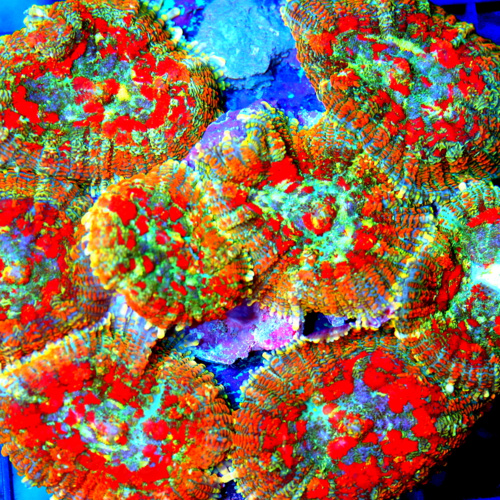
Salinity is another critical factor in the successful growth of Rhodactis mushrooms. Stable salinity helps prevent osmotic stress, which can weaken the coral and make it more vulnerable to disease or other problems.
- Ideal salinity range: 1.020 to 1.026 specific gravity
Using a refractometer is one of the best ways to keep salinity readings accurate. Regular water changes with properly mixed saltwater can also help maintain consistency. Rhodactis mushrooms often do best when salinity remains steady rather than drifting up and down through evaporation or inconsistent top-off habits.
pH and General Water Stability
While the uploaded draft focuses most strongly on temperature and salinity, general reef stability also matters greatly for Rhodactis mushrooms. Like most reef inhabitants, they do best in a system where pH and other major water chemistry values remain steady instead of shifting frequently.
- Recommended pH range: keep within a healthy reef range
- Stability matters more than constant correction
Routine testing, consistent maintenance, and steady top-off and water-change habits all help build the kind of stable environment Rhodactis mushrooms prefer.
If you are working on chemistry stability, read our guide on pH and alkalinity in reef tanks.
The Role of Light Quality
Light quality can significantly affect the health of Rhodactis mushrooms. They usually do best with a balance of light and shade, because both too much and too little light can lead to stress.
- Moderate light levels are often ideal
- Too much light can stress the coral
- Too little light can reduce growth and vibrancy
- Full-spectrum lighting with blue and white light works well
Rhodactis mushrooms often respond well to moderate lighting that mimics the softer, dappled light conditions found in their natural habitat. Many hobbyists use LED systems because they allow more control over both intensity and duration.
If you want to understand reef lighting better, read our guide on reef tank lighting.
Nutrient Considerations
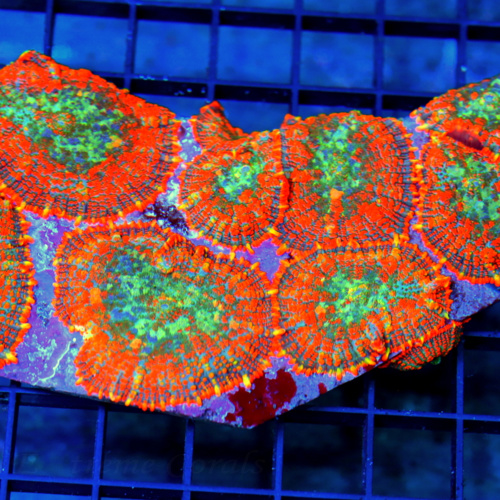
Providing the right nutrients is important for Rhodactis mushrooms. These mushrooms can benefit from a diet that includes vitamins and minerals found in high-quality marine foods and supplements. Balanced nutrient availability can support better color and healthier tissue.
- Feed high-quality marine foods when appropriate
- Consider phytoplankton or coral-specific foods as supplemental nutrition
- Avoid overfeeding because it can lead to poor water quality
- Watch the mushroom’s response and adjust carefully
Regular but measured feeding is usually more effective than heavy feeding. Nutrient balance is especially important because excess nutrients can hurt water quality and create conditions that are less favorable for coral health.
Water Flow for Rhodactis Mushrooms
Although the uploaded text focuses mainly on temperature, salinity, light, and nutrients, Rhodactis mushrooms generally do best when flow is not overly aggressive. A calmer, more comfortable flow environment usually helps them remain expanded and healthy.
- Use gentle to moderate indirect flow
- Avoid strong direct blasting from powerheads
- Keep enough movement in the tank to prevent dead spots
Very strong direct flow can cause mushrooms to stay irritated or fail to expand fully, while gentle surrounding movement usually supports better comfort and long-term health.
If you want to learn more about circulation, read our guide on water flow and coral health.
How to Keep Rhodactis Mushrooms Healthy and Vibrant
The best results with Rhodactis mushrooms usually come from combining all of the key conditions into one stable, well-maintained environment.
- Keep temperature stable between 75°F and 82°F
- Maintain salinity between 1.020 and 1.026 specific gravity
- Use moderate, balanced lighting
- Support health with controlled nutrient input
- Avoid sudden shifts in water conditions
Color and expansion often improve when the tank is consistent and stress is minimized. Rhodactis mushrooms may be adaptable, but they still show their best color and texture when their environment stays steady.
Signs That Conditions May Be Off
Rhodactis mushrooms often give visible signs when the environment is not ideal. Watching them closely can help you catch problems early.
- Weak expansion
- Dull or faded coloration
- Persistent shrinking
- Signs of general stress after sudden water changes
If these issues appear, review temperature, salinity, light intensity, nutrient levels, and overall tank stability before making major changes.
Best Tank Setup for Rhodactis Mushrooms
Rhodactis mushrooms usually do best in reef tanks with:
- Stable temperature between 75°F and 82°F
- Salinity between 1.020 and 1.026 specific gravity
- Moderate, balanced lighting
- Gentle to moderate indirect flow
- Balanced nutrient support without overfeeding
This kind of setup helps support healthier growth, better coloration, and a lower-stress environment for long-term success.
Related Coral Guides You May Also Like
If you are interested in Rhodactis mushrooms, you may also want to explore other mushroom coral and reef tank guides:
- Browse soft corals for sale
- Jawbreaker mushroom guide
- OG Bounce mushroom guide
- Beginner’s coral care guide
- Reef tank lighting guide
Ready to add colorful mushroom corals to your reef tank? Browse our soft corals for sale and explore healthy additions for your aquarium.
Shop Rhodactis and Soft Corals
Explore our WYSIWYG soft corals, new arrival corals, and featured corals to build a more colorful reef tank.
Final Thoughts
The ideal water conditions for Rhodactis mushrooms come down to temperature stability, proper salinity, balanced lighting, and controlled nutrient support. These mushrooms can adapt to a range of environments, but they usually show their best color, texture, and overall health when their conditions are stable and closely matched to the type of marine habitat they naturally prefer. With the right setup, Rhodactis mushrooms can become one of the most colorful and rewarding additions to a reef aquarium.
Frequently Asked Questions
Q: What temperature is best for Rhodactis mushrooms?
A: 75°F to 82°F is generally the ideal range.
Q: What salinity do Rhodactis mushrooms prefer?
A: They usually do best between 1.020 and 1.026 specific gravity.
Q: Do Rhodactis mushrooms need strong lighting?
A: No, moderate lighting is usually best, with a balance of light and shade.
Q: Do Rhodactis mushrooms need feeding?
A: They can benefit from supplemental feeding, especially with balanced marine foods or coral foods used in moderation.
Q: Why are my Rhodactis mushrooms shrinking or losing color?
A: Common causes include unstable temperature, salinity shifts, poor lighting balance, or nutrient imbalance.
About the Author
Scott Shiles is the owner of ExtremeCorals.com, which he has operated for over 25 years and is recognized as one of the early dedicated live coral websites on the internet. A lifelong reef keeper since 1984, Scott has decades of hands-on experience maintaining marine aquariums and previously owned and operated a brick and mortar aquarium retail store for 10 years, including five years alongside Extreme Corals. He holds a degree in Marine Biology and has personally selected and sold hundreds of thousands of live corals. An avid scuba diver who has explored reef systems around the world, Scott shares practical coral care and husbandry knowledge based on real world reef experience.
overall rating:
my rating:
log in to rate
Please log in to leave a comment.
For more information visit: additional resources