My Cart: 0 item(s)

Extreme Corals News and Updates
Lobophyllia Coral Guide: Colors, Compatibility, Care and Growth in Reef Tanks
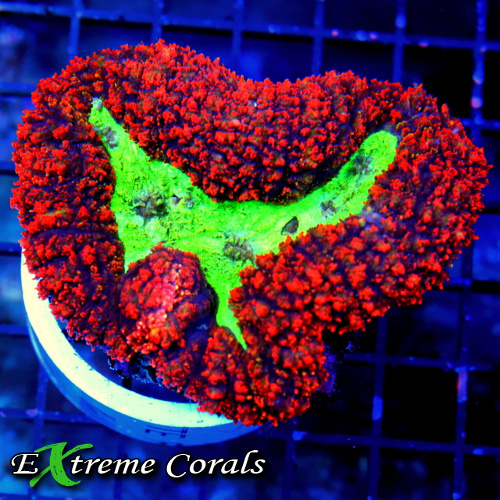
Learn how to care for Lobophyllia corals in a reef tank, including color, compatibility, feeding, placement, water flow, and the ideal tank conditions for long-term success.
Learn how to care for Lobophyllia corals in a reef tank with tips on colors, compatibility, feeding, placement, lighting, water flow, and healthy long-term growth.
by Scott Shiles • May 20, 2024
Lobophyllia corals are some of the most eye-catching LPS corals in reef aquariums because they combine bold fleshy texture, intense color, and strong display presence in one coral. Often called Lobos, these corals are prized for their exotic appearance, broad color range, and relatively hardy nature in a stable aquarium. This guide explores the fascinating world of Lobophyllia corals, including their colors, compatibility, ideal tank conditions, feeding, fragging, growth, and the most important care tips for long-term health.
For many reef keepers, Lobophyllia stands out because it offers a premium collector look without demanding the same type of extreme care as many SPS species. A healthy Lobo can become a true centerpiece coral, especially when its tissue is inflated and its colors are glowing under reef lighting. With proper care, these corals can thrive and remain one of the most visually impressive additions in a reef tank.
Looking to add a fleshy showpiece coral to your reef tank? Browse our LPS corals for sale and explore healthy corals for your aquarium.
Introduction to Lobophyllia Corals
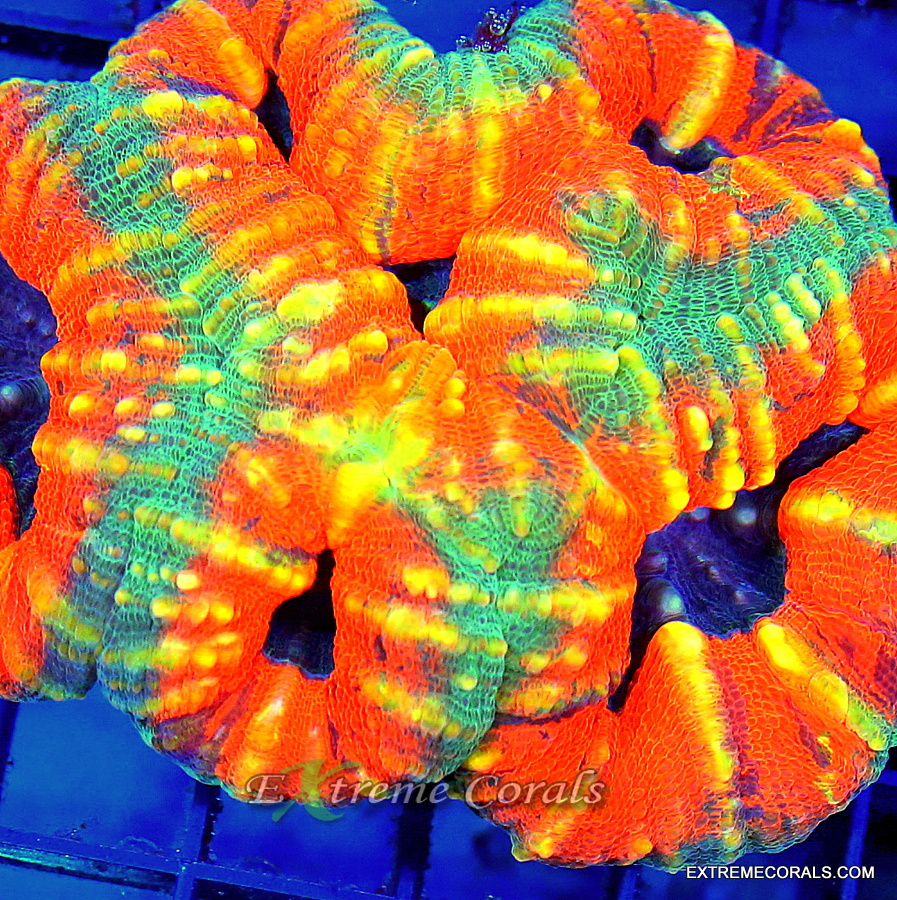
Lobophyllia corals belong to the LPS coral group and are known for their vibrant colors, fleshy tissue, and distinctive patterns. They are generally considered relatively hardy in a well-maintained aquarium and can coexist with a range of reef-safe tank mates when placed properly. Their combination of beauty and manageable care is one of the main reasons they are so popular with reef hobbyists.
What Makes Lobophyllia So Attractive?
Lobophyllia corals are especially appealing because they often display strong texture along with rich coloration. Unlike flatter or less fleshy corals, Lobos create a fuller, heavier visual look in the aquarium, which helps them stand out even in busy mixed reefs.
- They have thick fleshy tissue and broad ridges
- They often show intense multi-tone coloration
- They work well as centerpiece LPS corals
- They add a mature and high-end look to reef aquariums
These qualities make Lobophyllia a favorite for hobbyists who want a coral that looks substantial, colorful, and unmistakably premium.
Understanding the Colors of Lobophyllia Corals
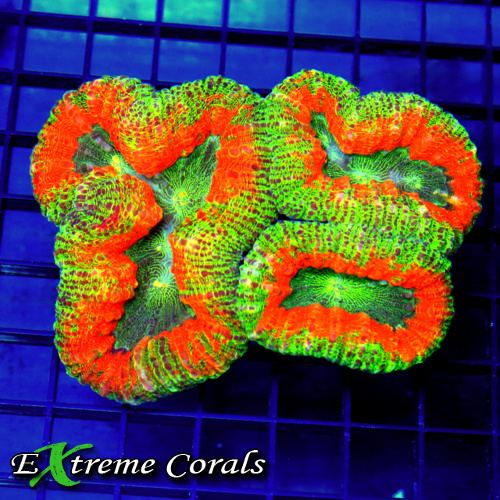
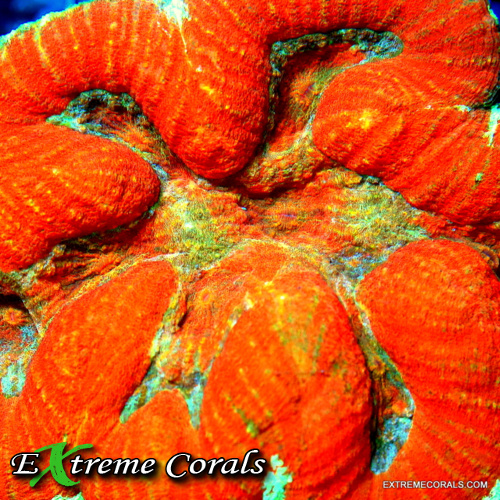
Lobophyllia corals come in a wide range of striking colors, including reds, greens, blues, purples, and even neon-looking combinations. Their color is one of the biggest reasons reef keepers seek them out. Bright coloration is often associated with healthy tissue and a well-maintained specimen, while fading or dull color can suggest stress or instability in the aquarium.
The variation in color also makes each specimen feel unique. In a reef tank, this allows Lobophyllia to serve not only as a coral colony but also as a true display piece.
Ideal Tank Conditions for Lobophyllia
Lobophyllia corals do best in a saltwater aquarium with stable conditions and low overall stress. The source draft recommends keeping them in a tank with temperatures between 75-82°F, a pH between 8.1-8.4, and a specific gravity around 1.023-1.025. It also notes that calcium, alkalinity, and magnesium should be maintained carefully, while high nutrient levels should be avoided.
- Temperature: 75-82°F
- pH: 8.1-8.4
- Specific Gravity: 1.023-1.025
- Lighting: moderate to high
- Water Flow: moderate
Regular water changes are also important for keeping Lobophyllia healthy and stable over time.
If you are working on chemistry stability, read our guide on pH and alkalinity in reef tanks.
Lighting and Water Flow
The source material recommends moderate to high lighting and moderate water flow for Lobophyllia corals. This balance helps them stay healthy without causing bleaching from excessive light or tissue irritation from harsh direct current.
In practice, Lobophyllia often does well when placed where the flow is steady enough to prevent debris buildup but not so strong that the tissue constantly retracts. Likewise, lighting should be strong enough to support health and color, but a new specimen should still be acclimated gradually to avoid shock.
If you want to understand reef lighting better, read our guide on reef tank lighting.
If you want to learn more about circulation, read our guide on water flow and coral health.
Compatibility With Other Species
Lobophyllia corals are generally described as peaceful tank members and can coexist with a variety of fish, invertebrates, and coral species in a well-maintained reef aquarium. Even so, the draft notes that they should be placed away from aggressive corals to avoid territorial issues and stings. Proper spacing between colonies is also recommended to reduce overcrowding and prevent stress between neighboring species.
- Keep Lobophyllia away from aggressive corals
- Allow enough room between colonies
- Introduce new tank mates gradually
- Monitor the reef for territorial or physical conflicts
Careful placement is one of the easiest ways to keep Lobophyllia healthy in a mixed reef setup.
Feeding Lobophyllia Corals
Lobophyllia corals do not usually require heavy feeding, but supplemental feeding can help support growth and health. The draft recommends feeding them once or twice each week with small food particles such as plankton or specialized coral foods. It also warns against overfeeding, since excess food can create water quality problems.
- Feed lightly once or twice a week
- Use small foods such as plankton or coral food
- Avoid overfeeding
- Watch the coral’s feeding response over time
Balanced feeding often works best with fleshy LPS corals like Lobophyllia because it supports the coral without turning the system nutrient-heavy.
Common Issues and How to Address Them
The source text highlights discoloration and poor extension as common warning signs. If a Lobophyllia shows fading color, this may point to inadequate lighting or poor water quality. If it is not extending properly or looks unhealthy, stress may be the underlying cause. In those cases, testing the water and making a corrective water change may help improve the environment.
These early warning signs matter because fleshy LPS corals often show visible stress before major decline sets in. Monitoring color, inflation, and daily behavior helps catch problems sooner.
How to Enhance Growth and Long-Term Health
According to the draft, Lobophyllia growth and health are best supported by adequate lighting, stable water conditions, regular feeding, good surrounding water movement, and enough distance from aggressive corals. It also recommends monitoring color and expansion daily for signs of stress or disease.
- Maintain stable temperature, salinity, and pH
- Feed appropriately without overfeeding
- Provide moderate surrounding flow
- Watch daily for stress or disease signals
Consistency matters more than constant corrections. Stable systems almost always lead to better long-term results with Lobophyllia.
Propagation and Fragging
Lobophyllia corals can be propagated through fragging, which involves carefully cutting part of the coral and attaching it to a new substrate where it can form a new colony. The draft notes that fragging is commonly used to create additional colonies, support coral trading, and rejuvenate older specimens. It also emphasizes the importance of using sterile tools to reduce the risk of infection and improve healing.
If you want to learn more about propagation, read our guide on how to frag corals.
Best Placement Strategy for Lobophyllia
Putting all of this together, Lobophyllia usually does best when placed where it can receive moderate to high light, moderate water flow, and enough room from nearby aggressive corals. A stable, lower-stress location often makes a big difference in how fully the tissue expands and how well the coral holds color over time.
This makes Lobophyllia a strong choice for reef keepers who want a colorful fleshy coral with showpiece potential and manageable care demands.
Related Corals You May Also Like
If you are interested in Lobophyllia corals, you may also want to explore other fleshy LPS corals and related reef tank guides:
- Browse LPS corals for sale
- Lobophyllia care guide
- Favites coral care guide
- Scolymia coral care guide
- LPS corals overview
Ready to add a colorful Lobophyllia coral to your reef tank? Browse our LPS corals for sale and explore healthy additions for your aquarium.
Shop Lobophyllia and LPS Corals
Explore our WYSIWYG LPS corals, new arrival corals, and featured corals to build a more colorful reef tank.
Final Thoughts
Lobophyllia corals continue to be favorites in reef aquariums because they offer a compelling mix of color, fleshy texture, manageable care, and strong compatibility in well-planned systems. When they are given stable water conditions, proper lighting, moderate flow, thoughtful feeding, and enough room from aggressive neighbors, they can become some of the most impressive corals in the tank.
Frequently Asked Questions
Q: Are Lobophyllia corals beginner friendly?
A: They are relatively hardy and can do well in a stable reef aquarium with proper care.
Q: What colors do Lobophyllia corals come in?
A: Lobophyllia can display reds, greens, blues, purples, and even neon hues.
Q: Are Lobophyllia corals compatible with other reef species?
A: Generally yes, but they should be kept away from aggressive corals and given proper spacing.
Q: How often should Lobophyllia be fed?
A: Once or twice a week is usually enough, using small food particles such as plankton or coral foods.
Q: Can Lobophyllia be fragged?
A: Yes. Lobophyllia can be propagated through fragging when done carefully with sterile tools.
About the Author
Scott Shiles is the owner of ExtremeCorals.com, which he has operated for over 25 years and is recognized as one of the early dedicated live coral websites on the internet. A lifelong reef keeper since 1984, Scott has decades of hands-on experience maintaining marine aquariums and previously owned and operated a brick and mortar aquarium retail store for 10 years, including five years alongside Extreme Corals. He holds a degree in Marine Biology and has personally selected and sold hundreds of thousands of live corals. An avid scuba diver who has explored reef systems around the world, Scott shares practical coral care and husbandry knowledge based on real world reef experience.
overall rating:
my rating:
log in to rate
Please log in to leave a comment.
For more information visit: additional resources