My Cart: 0 item(s)

Extreme Corals News and Updates
Best Corals for Water Movement in Reef Tanks: Top Picks for Creating Flow and Motion
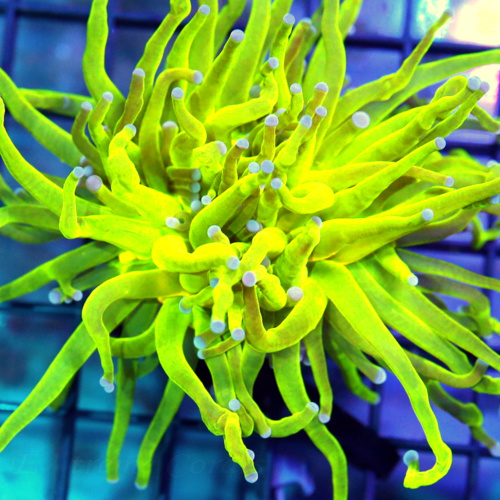
Discover the best corals for creating movement in a reef tank, including torch corals, hammer corals, Xenia, gorgonians, green star polyps, and leather corals.
Explore the best corals for adding movement to a reef tank, with tips on torch corals, hammers, Xenia, gorgonians, green star polyps, and leather corals.
by Scott Shiles • April 23, 2026
Movement is one of the fastest ways to make a reef tank feel alive, and the right corals can completely change how dynamic, natural, and visually impressive the aquarium looks. Many reef tanks have good color and structure but still feel static until flowing corals are added. In our experience, once a reefer starts using corals that sway, pulse, wave, or ripple with the current, the entire tank begins to look more like a real living reef rather than a collection of separate pieces. This guide covers some of the best corals for creating flow in your reef tank, what makes each one visually effective, and how to place them correctly so they stay healthy while delivering the movement you want.
A common mistake hobbyists make is assuming that any coral with tentacles will automatically create the same effect. In reality, different corals create very different kinds of movement. Some produce long, dramatic sweeping motion. Some pulse in place. Some create a grassy waving effect across rockwork. Others add vertical, feathery movement that gives the reef a more natural ocean feel.
If you are looking for healthy, fully conditioned flowing corals, browse our WYSIWYG coral colonies to compare healthy examples.
Why Flowing Corals Matter in Reef Design
Color and shape build the structure of a reef tank, but motion is what gives it energy. In many reef tanks, the most memorable sections are not always the brightest. They are the areas where corals respond visibly to current and create rhythm across the aquascape.
- Movement makes the tank feel more natural
- Flowing polyps add softness and contrast against rigid rockwork
- Different coral types create different visual textures
- Motion helps a reef look more established and alive
We’ve found that some of the best-looking reef tanks use a mix of structured corals and moving corals together. Too much rigid branching can make a reef feel still. Too much soft movement without structure can make it feel loose or undefined. The best aquascapes usually balance both.
Torch Coral
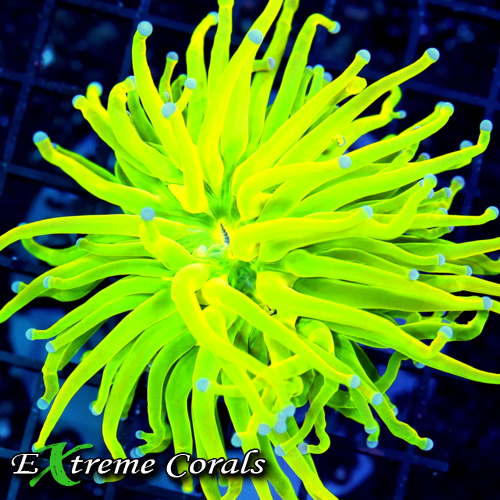
Torch coral is a favorite among reef enthusiasts for its long, flowing tentacles that sway gracefully with the water current. Its bright colors, ranging from neon green to gold and purple, make it one of the strongest visual choices for adding both color and motion to a reef tank.
Torch coral’s swaying tentacles create a mesmerizing dance, but it is important to provide enough space. It is known for its aggressive behavior through long sweeper tentacles, which can sting neighboring corals if placed too closely. A moderate water flow helps its tentacles extend fully and show their natural motion without damaging tissue.
- Care Level: Moderate
- Lighting: Moderate to high
- Flow: Moderate
- Placement: Bottom to middle of the tank, with space around it
In our experience, torch coral is one of the best corals for hobbyists who want dramatic, unmistakable movement. A common mistake hobbyists make is putting torches in flow that is too harsh because the motion looks exciting at first. What actually works best is a smoother swaying motion rather than a whip-like blast.
Hammer Coral
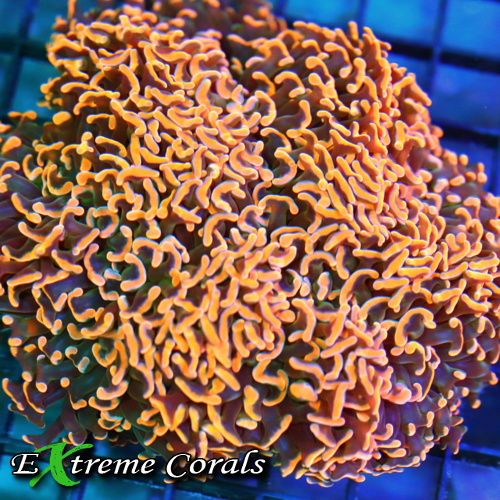
Closely related to torch coral, hammer coral is another excellent choice for adding movement to your tank. Its large hammer-shaped polyps gently wave in the current, adding both texture and flow to the reefscape. Hammer corals come in shades of green, gold, and purple, which makes them easy to work into a wide range of color schemes.
Like torch coral, hammer corals can be aggressive toward nearby corals, so provide sufficient spacing. Their polyps thrive in moderate water flow, which helps keep detritus from settling on them while maintaining a soft, natural look.
- Care Level: Moderate
- Lighting: Moderate
- Flow: Low to moderate
- Placement: Bottom to middle of the tank
We’ve found that hammer coral often produces a fuller, softer look than torch coral. If torch coral feels dramatic and directional, hammer coral often feels broader and more relaxed. That makes it especially useful when you want movement without as much visual aggression.
Xenia Coral
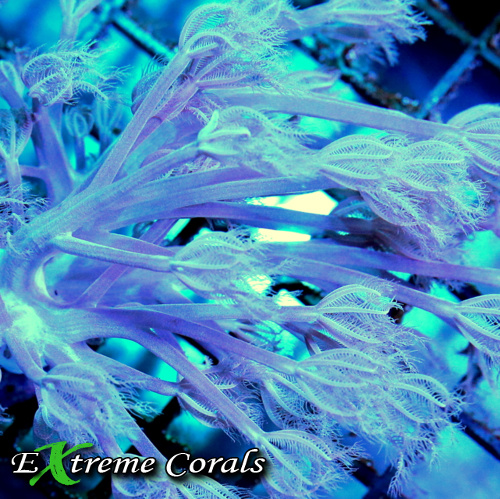
Xenia corals are known for their pulsating polyps that seem to pump rhythmically as they contract and release. This pulsing motion makes them one of the most dynamic corals with movement, captivating viewers with almost constant activity. They are fast growing and can quickly spread across rock structures, adding an expansive flowing effect to your reef.
Xenia corals prefer gentle water flow so their pulsing action remains visible. While they are relatively easy to care for, their rapid growth can make them invasive in smaller tanks, so regular trimming may be required to maintain balance.
- Care Level: Easy
- Lighting: Moderate to high
- Flow: Gentle
- Placement: Bottom to middle of the tank, where they can spread
In our experience, Xenia creates a different kind of motion than Euphyllia. It is less about sweeping flow and more about constant visual activity. A common mistake hobbyists make is underestimating how quickly it can spread once it gets comfortable.
Gorgonians
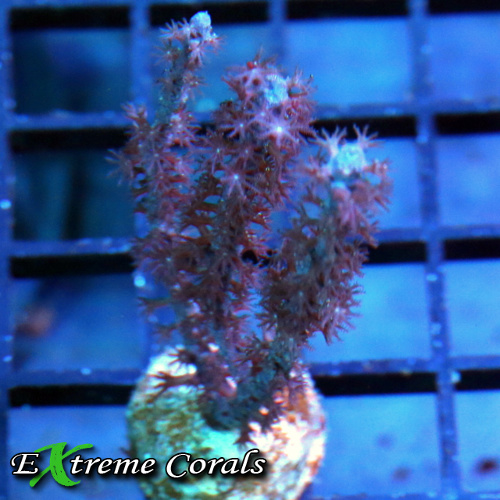
Gorgonians, commonly known as sea fans or sea whips, are a striking addition to a reef tank. Unlike many other corals, they have a branching, tree-like structure that sways elegantly with the current. Their polyps extend from the branches, giving them a feathery appearance that moves gently in the water.
Gorgonians require a bit more attention to water flow and placement, as they rely heavily on movement to capture planktonic food and stay clean. They are an excellent choice for hobbyists looking to add vertical movement and a more natural, oceanic look to their tanks.
- Care Level: Moderate to advanced, depending on species
- Lighting: Moderate to high for photosynthetic species
- Flow: Strong, consistent
- Placement: Middle to top of the tank, in strong flow
We’ve found that gorgonians are one of the best corals for creating a reef that feels more like an actual slice of the ocean. Their motion is less flashy than a torch, but more natural and elegant. They work especially well when you want to add vertical softness to a structured aquascape.
Green Star Polyps
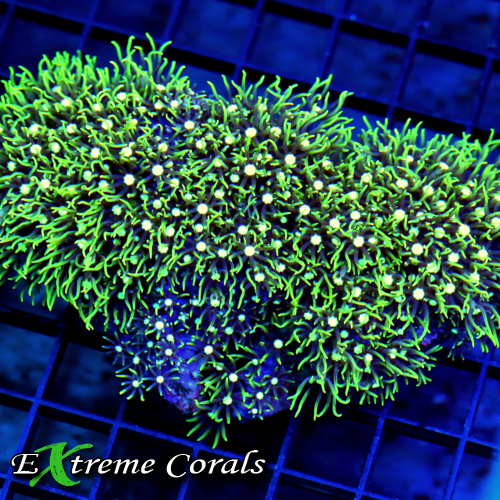
Green star polyps, or GSPs, are popular for their vibrant green color and mat-like growth that sways with even the gentlest currents. They create a flowing, grassy effect that can cover rockwork and add a lush, dynamic element to the tank.
These corals are extremely hardy and adaptable, making them well suited for beginners. They can spread quickly, so they are often best isolated on their own rock to prevent them from overtaking other corals.
- Care Level: Easy
- Lighting: Low to moderate
- Flow: Moderate
- Placement: Bottom, on isolated rock structures
In our experience, green star polyps are one of the easiest ways to create visible motion across a larger surface area. A common mistake hobbyists make is attaching them to the main reef structure too early, then regretting how aggressively they spread.
Leather Corals
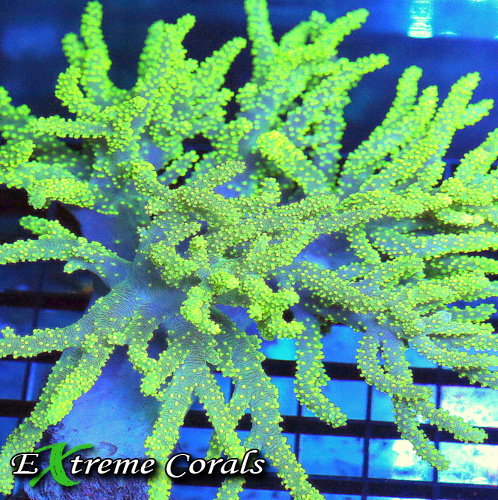
Leather corals, such as toadstool leathers and finger leathers, are known for their long, tentacle-like polyps that extend and sway gracefully in the water. They are hardy corals that can adapt to a range of lighting and flow conditions, which makes them a versatile choice for reef tanks built around movement.
The polyps of leather corals create a soft waving effect, especially when placed in areas with moderate to strong water flow. Their ability to grow into impressive shapes and sizes adds a bold, flowing element to the tank over time.
- Care Level: Easy to moderate
- Lighting: Moderate to high
- Flow: Moderate to strong
- Placement: Middle to top of the tank
In many reef tanks, leather corals are one of the most useful movement corals because they combine resilience with scale. They do not just add motion. They add volume, silhouette, and long-term presence.
How to Choose the Right Flowing Coral for Your Tank
Not every flowing coral fits every reef. What works best depends on the type of motion you want, your tank size, your flow pattern, and how much maintenance you are willing to do.
- If you want dramatic long-tentacle movement, torch corals and hammer corals are excellent choices
- If you want constant activity, Xenia provides a very different kind of motion
- If you want vertical swaying structure, gorgonians are hard to beat
- If you want a waving carpet effect, green star polyps work extremely well
- If you want larger soft motion with easy care, leather corals are often one of the safest choices
We’ve found that the best-looking tanks usually use more than one type of motion. A torch coral moving in the mid-levels looks even better when paired with a toadstool leather above it or GSP on an isolated lower rock. That variety gives the reef a more layered, natural feel.
Tips for Maintaining Flowing Corals
To ensure that your flowing corals maintain their movement and remain healthy, provide the right environment from the beginning:
- Adjust Water Flow: Tailor the flow in your tank to the needs of your corals. Use adjustable powerheads to create varied flow patterns that mimic ocean currents and help corals extend naturally.
- Maintain Water Quality: Stable water parameters are vital. Regular testing and water changes help keep nutrients balanced and support healthy tissue and color.
- Provide Ample Space: Aggressive or large flowing corals need room to expand and move without stinging neighbors or being crowded.
A common mistake hobbyists make is building around appearance only and forgetting the physical space these corals need once fully open. In our experience, corals that create the most motion usually also need the most thoughtful placement.
If you want to understand these fundamentals better, our water flow and coral health guide and reef tank maintenance guide are both useful references.
What Makes a Flowing Reef Tank Look Natural
The best moving reef tanks are not just about adding the most active corals possible. They are about placement, contrast, and rhythm. In our experience, flowing corals look most convincing when the aquascape gives them room to move and when different kinds of motion are layered intentionally.
- Use one or two dramatic movement corals as focal points
- Mix long sweeping motion with smaller waving or pulsing corals
- Leave enough open space around major moving corals
- Use structured corals nearby for contrast
A pattern we often see is that hobbyists get the most natural-looking result when they treat motion as part of aquascaping, not just as a coral trait. The goal is not only to add movement, but to make that movement feel integrated into the entire reef.
Related Corals You May Also Like
If you are interested in corals that create flow and motion, you may also want to explore other related reef tank guides and coral categories:
- Browse LPS corals for sale
- Browse soft corals
- Torch coral care guide
- Euphyllia coral care guide
- Water flow and coral health guide
Ready to add more movement to your reef tank? Browse our coral colonies and explore healthy additions for your aquarium.
Shop Flowing Corals and Reef Tank Favorites
Explore our WYSIWYG coral colonies, LPS corals, soft corals, and featured corals to build a more dynamic reef tank.
Final Thoughts
Incorporating corals with movement into your reef tank is one of the best ways to elevate both the natural feel and visual appeal of the aquarium. From the sweeping tentacles of torch and hammer corals to the rhythmic pulsing of Xenia and the grassy flow of green star polyps, the right corals can transform a static tank into a much more immersive underwater scene.
By understanding the needs of each species and providing them with the right conditions, you can enjoy the beauty of flowing corals while maintaining a healthier and more harmonious reef. Whether you are a beginner or an experienced hobbyist, these corals can bring life and motion to your underwater world.
Frequently Asked Questions
Q: What coral creates the most movement in a reef tank?
A: Torch coral is often one of the most dramatic movement corals because of its long sweeping tentacles, but Xenia, hammers, gorgonians, and leather corals all create different kinds of motion.
Q: Are flowing corals good for beginners?
A: Some are. Xenia, green star polyps, and many leather corals are usually more beginner friendly than torch corals or certain gorgonians.
Q: What flow is best for movement corals?
A: It depends on the coral. Some prefer gentle flow, while others need moderate or strong current. The key is matching the species to the placement.
Q: Can movement corals be aggressive?
A: Yes. Torch and hammer corals in particular can sting nearby corals if they do not have enough space.
Q: What is one of the easiest ways to make a reef tank look more alive?
A: Adding a few well-placed flowing corals is often one of the fastest and most effective ways to make a reef tank feel more natural and dynamic.
About the Author
Scott Shiles is the owner of ExtremeCorals.com, which he has operated for over 25 years and is recognized as one of the early dedicated live coral websites on the internet. A lifelong reef keeper since 1984, Scott has decades of hands-on experience maintaining marine aquariums and previously owned and operated a brick and mortar aquarium retail store for 10 years, including five years alongside Extreme Corals. He holds a degree in Marine Biology and has personally selected and sold hundreds of thousands of live corals. An avid scuba diver who has explored reef systems around the world, Scott shares practical coral care and husbandry knowledge based on real world reef experience.
overall rating:
my rating:
log in to rate
Please log in to leave a comment.
For more information visit: additional resources