My Cart: 0 item(s)

Extreme Corals News and Updates
Chalice Coral Care Guide: Top Tips for Better Color, Health and Long-Term Growth
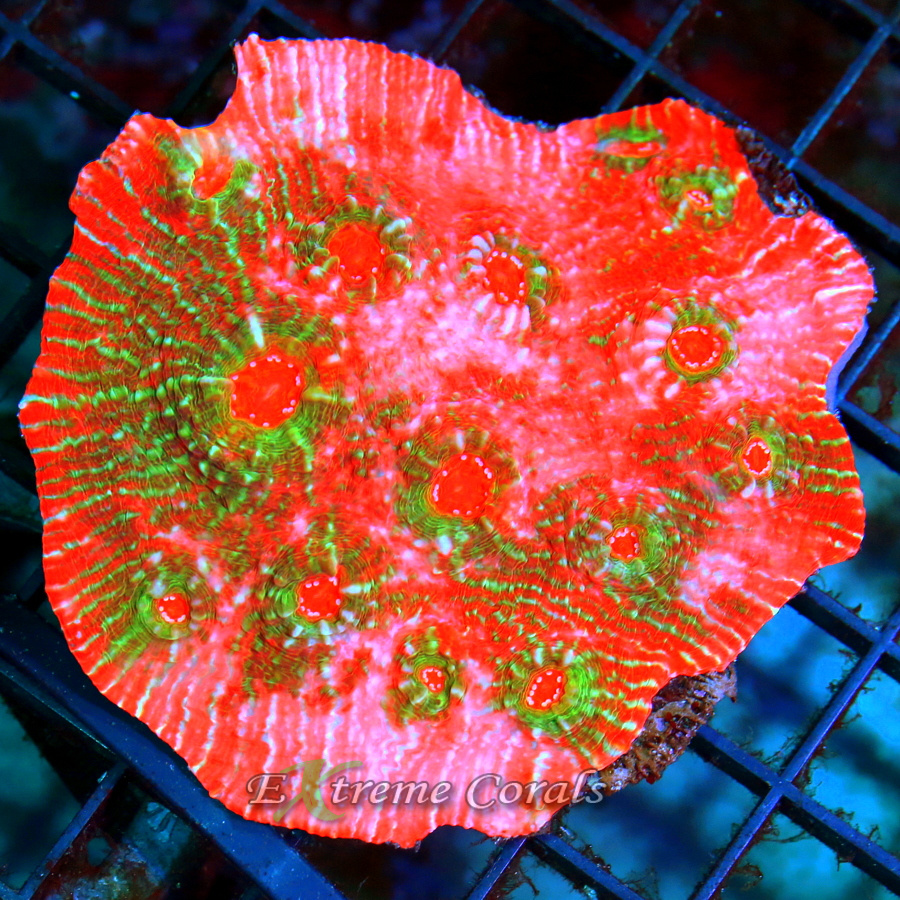
Learn the top tips for keeping chalice coral healthy and vibrant in a reef tank, including lighting, feeding, water quality, placement, and how to prevent common problems.
Learn how to keep chalice coral healthy and colorful in a reef tank with tips on lighting, feeding, water parameters, placement, and preventing common coral issues.
by Scott Shiles • April 16, 2026
Chalice corals are some of the most visually striking LPS corals in reef aquariums because they combine vivid coloration, unusual growth forms, and strong collector appeal in one coral group. Their swirling patterns, dramatic eyes, and wide range of colors make them a favorite among reef tank hobbyists who want a coral that stands out immediately. This guide covers the top tips for ensuring the health and vibrancy of your chalice coral, including lighting, feeding, tank setup, water quality, placement, and how to prevent common health problems.
For many reef keepers, chalice corals offer a perfect combination of beauty and reward. They can become standout pieces in a reef tank, but they still require thoughtful care and stable conditions to maintain their color and tissue health over the long term. When given the right setup, chalice corals can thrive and become one of the most eye-catching corals in the aquarium.
Looking to add colorful LPS corals to your reef tank? Browse our LPS corals for sale and explore healthy corals for your aquarium.
Introduction to Chalice Coral
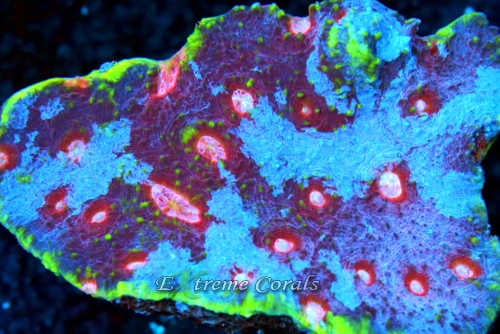
Chalice corals are known for their colorful and intricate shapes, which makes them a popular choice among reef tank enthusiasts. They are a type of large stony coral that adds beauty and diversity to a reef aquarium. Chalice corals come in a wide variety of stunning colors and patterns, making them a captivating addition to many aquariums. Understanding their basic care requirements and habitat preferences is one of the most important steps in maintaining their health and vibrancy.
Why Chalice Corals Are So Popular
- They come in a wide range of vivid colors and patterns
- They add a unique and layered look to reef aquariums
- They have strong collector appeal
- They can become impressive display corals in stable systems
- They offer a different visual style than branching or fleshy tentacle corals
Chalice corals are especially appealing to hobbyists who want a coral with a flatter, sculptural look that still carries bold color and strong visual impact.
Understanding the Care Requirements of Chalice Coral
Chalice corals usually do best with stable water quality, moderate to high lighting, and slow water flow. They are often placed in lower parts of the tank to prevent excessive light exposure, especially during acclimation or in systems with very strong lighting. Stable calcium and overall water chemistry are especially important for keeping chalice corals healthy and colorful over time.
Because chalice corals can react to stress by fading, receding, or developing tissue issues, consistency is one of the biggest keys to success.
Choosing the Right Tank Setup for Chalice Coral
Chalice corals require a stable and well-maintained tank to thrive. A proper setup helps reduce stress and gives the coral the conditions it needs for strong color and healthy tissue development.
- Use a tank size of at least 20 gallons for one chalice coral
- Choose a larger system for multiple chalice corals
- Provide strong and consistent lighting while avoiding overexposure
- Maintain stable water parameters including temperature, salinity, and pH
- Use a quality protein skimmer to help keep water clean
- Ensure good water flow to prevent debris buildup
- Place the coral in a secure and stable position inside the tank
Regular testing and ongoing maintenance are important because chalice corals often respond best to stable, predictable environments.
Ideal Water Parameters for Chalice Coral
Chalice corals prefer stable water conditions. Stable chemistry supports better color, improved skeletal growth, and healthier tissue over the long term.
- Water Temperature: 75-80°F
- pH: 8.1-8.4
- Salinity: 1.024-1.026 specific gravity
- Alkalinity: 8-12 dKH
- Calcium: 400-450 ppm
These ranges help chalice coral stay healthy and vibrant. Stable values are usually more important than constantly chasing tiny changes.
If you are working on chemistry stability, read our guide on pH and alkalinity in reef tanks.
Lighting Needs for Chalice Coral
Chalice corals need moderate to high lighting to thrive, but they usually should not be blasted with excessive intensity. Proper lighting is crucial for both their health and color development.
- Use moderate to high lighting
- Place chalice coral in a well-lit area of the tank
- LED lights and T5 fluorescent lights are strong choices
- Monitor intensity and duration to avoid bleaching or burning
Lighting should be strong enough to support photosynthesis while still being balanced enough to avoid tissue stress. Proper acclimation is especially important with new chalice corals.
If you want to understand reef lighting better, read our guide on reef tank lighting.
Feeding Chalice Coral: Best Practices
Chalice corals are typically carnivorous and often benefit from a diet that includes meaty foods. While they rely partly on photosynthesis, supplemental feeding can help support better health, stronger tissue, and improved color.
- Feed mysis shrimp, brine shrimp, or plankton
- Feed 2-3 times a week as a practical starting point
- Use target feeding when possible so the coral receives the food directly
- Avoid overfeeding to prevent water quality problems
Watching your coral closely will help you understand its feeding behavior and determine whether your schedule needs adjustment.
Water Flow and Placement
Chalice corals generally prefer slower water flow. Too much direct flow can irritate tissue, while too little movement can allow debris to settle on the coral.
- Use slow to moderate indirect flow
- Avoid harsh direct current
- Place chalice coral in a lower section of the tank when needed to reduce excess light exposure
- Make sure the coral is securely placed to prevent accidental damage
Placement is especially important because chalice corals often respond best in calmer zones where light and flow are supportive without being aggressive.
If you want to learn more about circulation, read our guide on water flow and coral health.
Common Health Issues in Chalice Coral
Chalice corals are generally hardy, but there are several common issues that reef keepers should watch for. Early observation is one of the best tools for protecting chalice coral health.
- Tissue Recession: when the tissue pulls away from the skeleton
- Bleaching: when the coral loses its color and turns pale or white
- Pest Infestations: such as flatworms or parasitic snails that can damage the coral
Prompt action and stable conditions can often make the difference between recovery and decline.
Identifying and Treating Problems in Chalice Coral
Knowing what to look for helps you act quickly when chalice coral begins showing stress.
Bleaching
Bleaching happens when the coral expels the algae living in its tissues, causing it to turn white. Stable water parameters and proper lighting are key to prevention.
RTN (Rapid Tissue Necrosis)
If you notice fast tissue loss, remove the affected coral quickly to reduce the risk of spread and review tank conditions immediately.
STN (Slow Tissue Necrosis)
Slow tissue loss often points to ongoing water quality or stability issues. Correct the environment quickly and consider fragging healthy sections if necessary.
Pests
Watch for flatworms or nudibranchs, quarantine new additions, and keep up with regular maintenance to help control pest populations.
Fragging Chalice Coral: Tips for Success
Fragging chalice coral can be a useful way to propagate healthy colonies, but it should be done carefully. Clean, sharp tools help make more precise cuts and reduce stress on the coral.
- Use clean and sharp tools for accurate cuts
- Wear gloves and eye protection because chalice coral can release toxins when cut
- Allow frags to heal in low light and low flow for a few weeks
- Avoid excessive handling after cutting
Careful post-frag healing is just as important as the initial cut itself.
If you want to learn more about propagation, read our guide on how to frag corals.
Best Tank Setup for Chalice Coral
Chalice corals usually do best in reef tanks with:
- Stable water quality
- Moderate to high lighting with careful placement
- Slow to moderate indirect flow
- Regular target feeding
- Consistent testing and maintenance
These conditions help support stronger color, healthier tissue, and a better long-term chance of growth and success.
Related Corals You May Also Like
If you are interested in chalice coral, you may also want to explore other colorful fleshy LPS corals and related reef tank guides:
- Browse LPS corals for sale
- Lobophyllia coral care guide
- Blastomussa coral care guide
- Brain coral guide
- LPS corals overview
Ready to add a colorful chalice coral to your reef tank? Browse our LPS corals for sale and explore healthy additions for your aquarium.
Shop Chalice and LPS Corals
Explore our WYSIWYG LPS corals, new arrival corals, and featured corals to build a more colorful reef tank.
Final Thoughts
Keeping chalice coral healthy and vibrant comes down to stable water quality, balanced lighting, careful feeding, proper placement, and strong observation. With the right setup and regular attention, chalice corals can thrive in a reef aquarium and become some of the most colorful and rewarding corals in the tank.
Frequently Asked Questions
Q: Is chalice coral beginner friendly?
A: It can be manageable in a stable reef tank, especially when placement and lighting are handled carefully.
Q: What lighting does chalice coral need?
A: Moderate to high lighting is usually best, but avoid excessive intensity that may cause bleaching.
Q: How often should chalice coral be fed?
A: 2-3 times a week is a practical starting point using meaty foods such as mysis shrimp, brine shrimp, or plankton.
Q: What flow is best for chalice coral?
A: Slow to moderate indirect flow is usually ideal because it reduces debris buildup without damaging tissue.
Q: What are common chalice coral health issues?
A: Common issues include tissue recession, bleaching, RTN, STN, and pest infestations.
About the Author
Scott Shiles is the owner of ExtremeCorals.com, which he has operated for over 25 years and is recognized as one of the early dedicated live coral websites on the internet. A lifelong reef keeper since 1984, Scott has decades of hands-on experience maintaining marine aquariums and previously owned and operated a brick and mortar aquarium retail store for 10 years, including five years alongside Extreme Corals. He holds a degree in Marine Biology and has personally selected and sold hundreds of thousands of live corals. An avid scuba diver who has explored reef systems around the world, Scott shares practical coral care and husbandry knowledge based on real world reef experience.
overall rating:
my rating:
log in to rate
Please log in to leave a comment.
For more information visit: additional resources