My Cart: 0 item(s)

Extreme Corals News and Updates
LPS vs SPS Corals: Key Differences in Care, Lighting, Flow and Difficulty
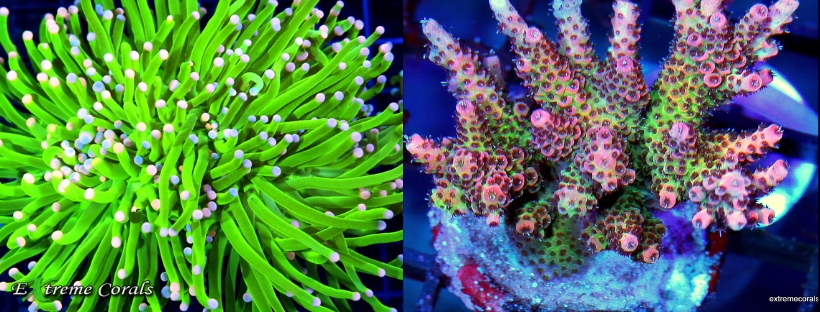
Learn the real differences between LPS and SPS corals, including lighting, flow, feeding, nutrient tolerance, growth style, and which type is best for your reef tank.
Learn the differences between LPS and SPS corals, including care difficulty, lighting, flow, nutrient tolerance, growth, and which coral type is right for your reef tank.
by Scott Shiles • November 12, 2022
SPS Coral Care, LPS Coral Care, All Corals
Understanding the differences between LPS and SPS corals is one of the most important steps in building a successful reef tank because these two coral groups have very different needs for lighting, flow, stability, and long-term care. While both are stony corals that build calcium skeletons, they behave very differently in a reef aquarium. This guide explains what separates LPS corals from SPS corals, how their care requirements compare, and which type may be the better fit for your experience level and reef tank setup.
For many reef hobbyists, the difference between LPS and SPS becomes clear only after they start stocking a tank. A coral that looks manageable in a photo may need much stronger lighting, more turbulent flow, or tighter chemistry than expected. Once you understand how these coral groups differ, it becomes much easier to make smarter buying decisions, plan aquascaping more effectively, and build a reef system that is healthier and more stable over time.
Looking to build a better reef tank with the right coral mix? Browse our LPS corals for sale and SPS corals for sale to choose corals that fit your system and experience level.
What LPS and SPS Actually Mean
LPS stands for Large Polyp Stony coral, while SPS stands for Small Polyp Stony coral. Both groups are stony corals, which means they build hard calcium carbonate skeletons, but the size of their polyps and the way they grow lead to very different care needs.
- LPS corals have larger, fleshy polyps and often a more dramatic flowing appearance
- SPS corals have much smaller polyps and usually form tighter, more rigid branching or plating structures
This basic difference affects everything from feeding style to flow preference to how forgiving the coral will be in a changing reef tank.
LPS Corals: Bold, Fleshy and Often More Forgiving
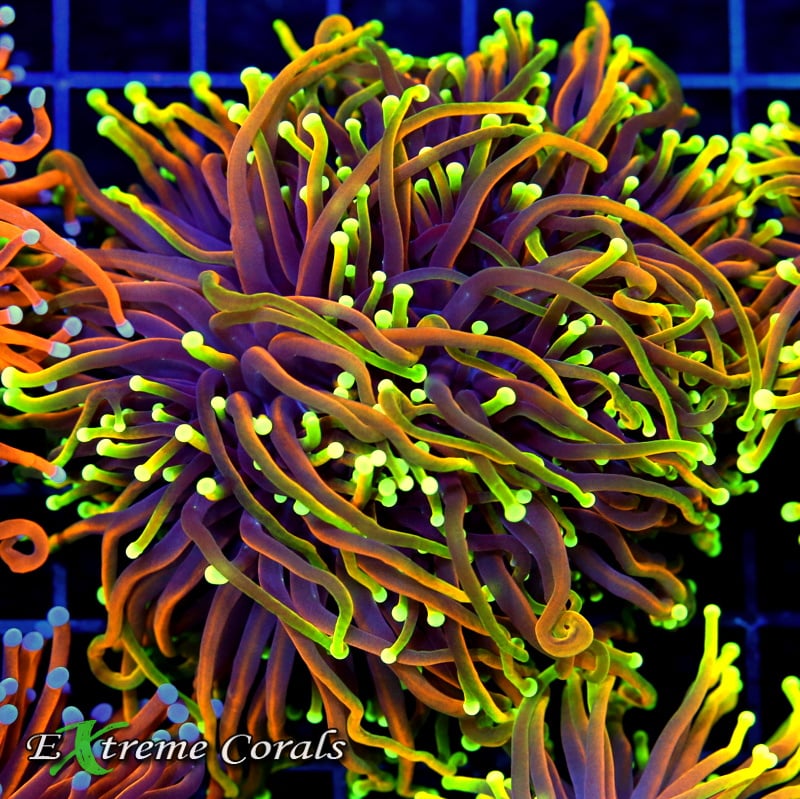
LPS corals are some of the most popular corals in the hobby because they combine strong visual presence with a care level that is often more approachable than SPS corals. Their larger fleshy polyps help them capture food and tolerate a somewhat wider range of reef conditions.
Common LPS traits include:
- Large fleshy polyps
- Strong movement and visual impact
- Moderate lighting requirements in many cases
- Moderate indirect flow in most reef tanks
- Often easier than SPS for beginners
LPS corals are often a strong choice for hobbyists who want flowing, colorful corals without the stricter demands of advanced SPS systems.
Popular LPS Corals
- Torch coral
- Frogspawn coral
- Hammer coral
- Brain coral
- Acan corals
These corals are popular because they create movement, texture, and a strong centerpiece look in mixed reef tanks.
SPS Corals: Delicate, Structured and More Demanding
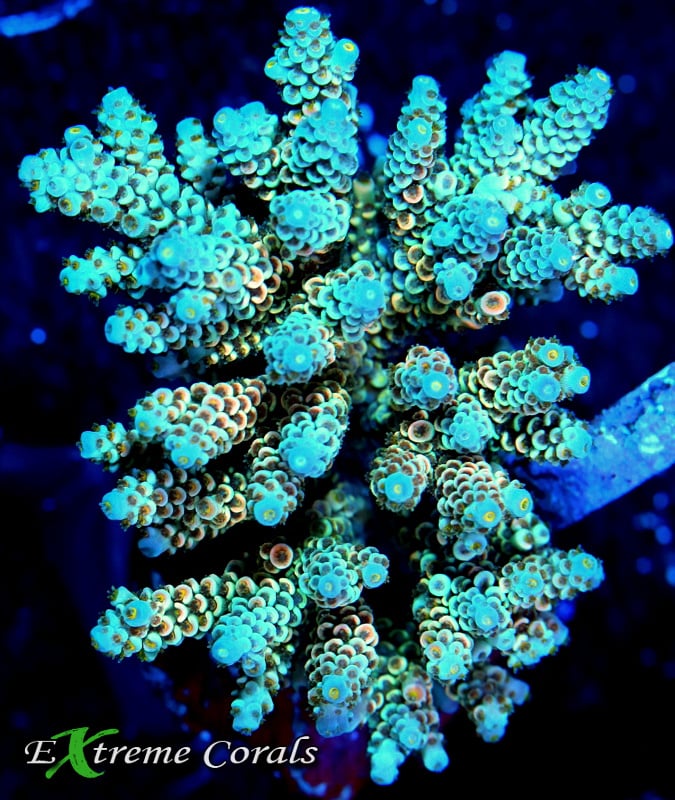
SPS corals are known for their smaller polyps, tighter skeletal structure, and faster visible skeletal growth in the right conditions. They are often favored by advanced reef keepers who want branching, plating, or densely structured reef growth.
Common SPS traits include:
- Small polyps
- Rigid branching or plating growth
- Higher lighting demand
- Stronger, more turbulent flow needs
- Greater sensitivity to instability
SPS corals are usually less forgiving than LPS corals when alkalinity, salinity, nutrients, or temperature swing too much. That is one of the biggest reasons many beginners start with LPS or soft corals first.
Popular SPS Corals
- Acropora
- Montipora
- Bird’s Nest coral
- Stylophora
- Pocillopora
These corals are admired for their branching beauty, strong coloration, and mature reef-tank look.
Lighting Differences Between LPS and SPS Corals
One of the biggest differences between LPS and SPS corals is how much light they usually need.
LPS Lighting Needs
LPS corals often do well in low to moderate or moderate lighting, depending on the species. Many prefer a comfortable zone where tissue can stay full without being blasted by extremely high intensity.
SPS Lighting Needs
SPS corals usually require stronger, more intense lighting to maintain healthy growth and coloration. In many reef tanks, SPS corals are placed higher in the aquarium where light intensity is strongest.
Because SPS corals rely heavily on strong, stable lighting, poor light setup is one of the fastest ways to create color loss or slow growth.
Water Flow Differences Between LPS and SPS Corals
Flow is another major difference between the two groups.
LPS Flow Preferences
LPS corals usually prefer gentle to moderate or moderate indirect flow. Too much direct flow can damage fleshy tissue or keep the coral retracted.
SPS Flow Preferences
SPS corals usually need stronger, more chaotic, turbulent flow. This helps remove waste, deliver nutrients, and keep their surfaces clean.
The difference is important because a flow pattern that keeps Acropora happy may be much too strong for a fleshy LPS coral placed nearby.
Nutrient Tolerance and Water Stability
LPS and SPS corals also differ in how they respond to nutrients and instability.
LPS Corals
LPS corals often tolerate slightly richer water and somewhat elevated nutrients better than SPS corals. Their larger fleshy polyps also help them capture more food from the water column.
SPS Corals
SPS corals usually demand more precise stability. They often respond poorly to swings in alkalinity, salinity, lighting, and nutrients. While they still need nutrients, sudden changes are usually what cause the most trouble.
This is one reason SPS corals are often considered more advanced. They typically need tighter control and more consistent maintenance habits.
Feeding Differences
Feeding is another area where the groups differ.
LPS Feeding
Many LPS corals can benefit from supplemental feeding with meaty foods such as mysis shrimp or zooplankton-sized foods. Their larger polyps make target feeding easier and often more visibly rewarding.
SPS Feeding
SPS corals are primarily photosynthetic, though some reef keepers use fine coral foods or suspended foods to support color and growth. In SPS tanks, however, water quality and flow usually matter more than aggressive feeding.
In general, LPS corals show a stronger visible feeding response, while SPS corals rely more heavily on stable high-energy reef conditions.
Growth Style and Appearance
The visual difference between LPS and SPS corals is one of the easiest ways to tell them apart.
LPS Appearance
LPS corals usually look fleshy, puffy, and flowing. Their tissue often extends well beyond the skeleton and creates dramatic movement in the tank.
SPS Appearance
SPS corals usually look more rigid, detailed, and structured. Their beauty often comes from branch shape, surface texture, color, and colony form rather than large fleshy movement.
This makes them useful for different design goals in reef aquascaping. LPS often create motion and focal points, while SPS often create architectural structure and layered reef growth.
Which Is Easier for Beginners?
In most cases, LPS corals are easier for beginners than SPS corals.
- LPS corals are often more forgiving of small mistakes
- They usually do not require the same extreme light and flow
- They can adapt well to many mixed reef systems
- SPS corals usually need a more mature, stable setup
That does not mean every LPS coral is easy or every SPS coral is impossible, but for most new reef hobbyists, LPS corals are usually a safer starting point.
Can You Keep LPS and SPS Corals Together?
Yes, many mixed reef tanks keep both LPS and SPS corals successfully. The key is good planning.
To keep both types together well, you usually need:
- Different flow zones
- Different lighting zones
- Enough space between aggressive LPS and delicate SPS
- Stable reef chemistry
- Thoughtful placement that accounts for future growth
Mixed reefs can be beautiful, but they require more planning than tanks built around only one coral style.
How to Choose the Right Type for Your Reef Tank
If you are deciding between LPS and SPS corals, ask yourself:
- How stable is my tank?
- How strong is my lighting?
- How much flow can I provide?
- How experienced am I with reef chemistry?
- Do I want movement or rigid branching structure?
If you are newer to reefkeeping, LPS corals are often the better starting point. If your system is mature, stable, and designed for strong light and flow, SPS corals may be a great next step.
Related Corals You May Also Like
If you are learning the difference between LPS and SPS corals, these related guides may also help:
- Browse LPS corals for sale
- Browse SPS corals for sale
- Acropora care guide
- Montipora care guide
- Euphyllia care requirements
Ready to choose the right coral type for your reef tank? Browse our LPS corals and SPS corals to find a better match for your setup.
Shop LPS and SPS Corals
Explore our WYSIWYG LPS corals, WYSIWYG SPS corals, new arrival corals, and featured corals to build a more successful reef tank.
Final Thoughts
LPS and SPS corals are both beautiful, but they are not interchangeable. LPS corals usually offer more forgiving care, more visible feeding response, and more fleshy movement. SPS corals usually offer tighter structure, higher light demand, stronger flow requirements, and greater sensitivity to instability. Once you understand those differences, it becomes much easier to choose corals that fit your tank and your experience level.
Frequently Asked Questions
Q: What is the main difference between LPS and SPS corals?
A: LPS corals have larger fleshy polyps, while SPS corals have much smaller polyps and usually stricter care requirements.
Q: Are LPS corals easier than SPS corals?
A: Usually yes. LPS corals are often more forgiving and better suited for beginners.
Q: Do SPS corals need more light than LPS corals?
A: Yes, in most cases. SPS corals usually require stronger lighting and more turbulent flow.
Q: Can you keep LPS and SPS together in one tank?
A: Yes. Many mixed reefs do this successfully, but good planning for placement, flow, and spacing is essential.
Q: Which should beginners start with?
A: Most beginners do better starting with LPS corals before moving into more demanding SPS species.
About the Author
Scott Shiles is the owner of ExtremeCorals.com, which he has operated for over 25 years and is recognized as one of the early dedicated live coral websites on the internet. A lifelong reef keeper since 1984, Scott has decades of hands-on experience maintaining marine aquariums and previously owned and operated a brick and mortar aquarium retail store for 10 years, including five years alongside Extreme Corals. He holds a degree in Marine Biology and has personally selected and sold hundreds of thousands of live corals. An avid scuba diver who has explored reef systems around the world, Scott shares practical coral care and husbandry knowledge based on real world reef experience.
overall rating:
my rating:
log in to rate
Please log in to leave a comment.
For more information visit: additional resources