My Cart: 0 item(s)

Extreme Corals News and Updates
Cyphastrea Coral Care Guide: Lighting, Flow, Placement and Growth in Reef Tanks
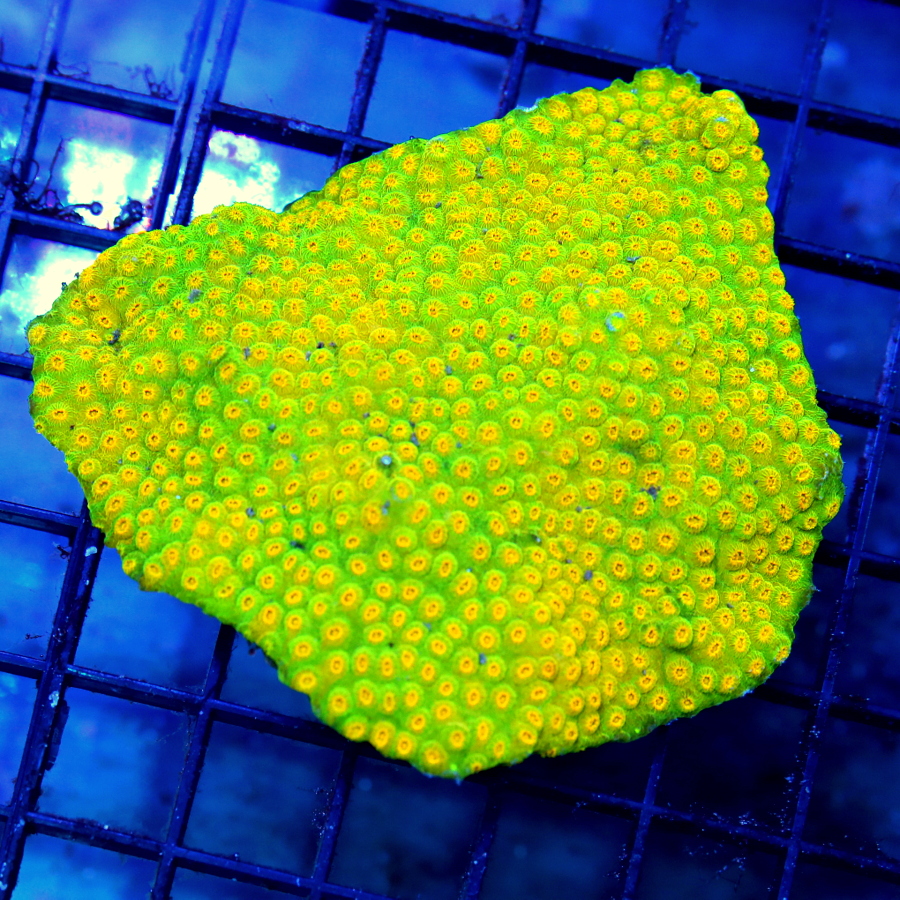
Learn how to care for Cyphastrea coral in a home reef aquarium with the right lighting, flow, placement, feeding, and stable water conditions for long-term success.
Learn how to care for Cyphastrea coral in a reef tank with tips on lighting, flow, placement, feeding, water stability, fragging, and long-term SPS success.
by Scott Shiles • April 20, 2026
Cyphastrea is one of the best beginner-friendly SPS corals in the reef hobby because it combines easy care, bright fluorescence, and a unique encrusting growth pattern. Often called Meteor Coral or Star Coral, Cyphastrea is known for its small star-like polyps spread across a textured base, creating a vivid galaxy-like appearance in the reef tank. This guide explains the care requirements of Cyphastrea coral in home reef aquariums, including water parameters, lighting, water flow, feeding, placement, fragging, and the most common issues to watch for over time.
For many reef keepers, Cyphastrea is appealing because it offers the look of an SPS coral without the extreme demands of species like Acropora. It is hardy, adaptable, and especially useful for adding color to lower-light zones where many other stony corals may struggle. With proper care, Cyphastrea can encrust steadily and become a beautiful part of a mixed reef or SPS system.
Looking to add colorful SPS corals to your reef tank? Browse our SPS corals for sale and explore healthy corals for your aquarium.
Introduction to Cyphastrea Coral
Cyphastrea is a small polyp stony coral known for its encrusting growth pattern, bright coloration, and relative ease of care. Its tiny polyps create a starry look across the surface, which is why many hobbyists compare it to a glowing galaxy under blue lighting.
Available in colors like red, green, blue, orange, pink, and purple, Cyphastrea fluoresces beautifully under actinic or blue-spectrum lighting. It is a great introduction to SPS corals for hobbyists who want something hardy and visually distinct.
Natural Habitat and Why It Matters
Cyphastrea is widely distributed throughout the Indo-Pacific, including Australia, Indonesia, Fiji, Tonga, and the Great Barrier Reef. In the wild, it is commonly found encrusting over rocks, reef slopes, and lagoonal areas where light is moderate and currents are gentle to moderate.
That natural habitat helps explain why Cyphastrea often performs better in lower or shaded tank zones than many other SPS corals. It does not need the harshest lighting or the strongest flow to thrive.
Why Choose Cyphastrea for Your Reef Tank?
- Beginner-friendly SPS behavior that tolerates a wider range of conditions than many stony corals
- Unique encrusting growth that covers rock faces and bare spots
- Strong fluorescence under blue and actinic lighting
- Low-light adaptability that makes it useful in shaded areas
Cyphastrea is especially valuable when you want to add color and texture to parts of the aquascape that many other SPS corals would ignore.
Optimal Water Parameters
Stable water chemistry is one of the biggest keys to success with Cyphastrea. Even though it is hardy, it still performs best when important reef parameters stay consistent.
- Temperature: 76-80°F
- Salinity: 1.024-1.026 SG
- pH: 8.1-8.4
- Alkalinity: 8-9.5 dKH
- Calcium: 400-450 ppm
- Magnesium: 1250-1350 ppm
- Nitrate: 2-10 ppm
- Phosphate: 0.02-0.08 ppm
Stable alkalinity, calcium, and magnesium are especially important for sustained polyp extension and healthy encrusting growth.
If you are working on chemistry stability, read our guide on reef tank water parameters.
Tank Size and Setup
Cyphastrea can do well in a wide range of reef systems as long as the tank is stable and provides a suitable hard surface for encrusting.
- Minimum tank size: 10 gallons or larger
- Placement: lower areas, shaded rock faces, or vertical surfaces
- Best surface: live rock, frag plugs, or shaded ledges
Over time, Cyphastrea forms a crust-like layer across surfaces, adding texture and color to the aquascape.
Lighting Requirements
Unlike many SPS corals, Cyphastrea usually prefers low to moderate lighting. This makes it one of the more flexible SPS choices for mixed reefs.
- PAR range: 50-150 PAR
- Lighting type: LED, T5, or hybrid systems with strong blue spectrum
- Lighting schedule: about 8-10 hours per day with gradual transitions
Too much light can cause bleaching or tissue retraction, so shaded or lower regions of the tank are often the best starting point when using stronger lighting systems.
If you want to understand reef lighting better, read our guide on reef tank lighting.
Water Flow and Circulation
Cyphastrea usually does best with moderate, indirect water flow. Good movement helps keep the colony clean and supports healthy polyp extension without damaging delicate tissue.
- Moderate indirect flow is usually ideal
- Avoid strong direct currents
- Randomized flow patterns help mimic natural reef movement
- Too much direct flow can slow encrusting growth
The best flow usually keeps debris from settling while still allowing the coral to stay open and comfortable.
If you want to learn more about circulation, read our guide on water flow and coral health.
Feeding and Nutrition
Cyphastrea primarily relies on photosynthesis, but it can also benefit from occasional supplemental feeding. Regular light feeding often supports better growth and stronger fluorescence.
- Preferred foods: phytoplankton, reef roids, marine snow, and finely powdered coral foods
- Feeding frequency: 1-2 times per week
- Feeding method: broadcast or light target feeding
Consistent but light feeding usually works better than heavy feeding that could push nutrients too high.
Tank Mates and Compatibility
Cyphastrea is non-aggressive and usually coexists peacefully with other reef inhabitants when it has enough space.
- Safe companions: clownfish, gobies, blennies, small wrasses, shrimp, and snails
- Use caution near: fast-growing soft corals like Xenia and Green Star Polyps
- Avoid: aggressive LPS corals with long sweeper tentacles
Because Cyphastrea is peaceful, it is often the coral that needs protection from more aggressive neighbors rather than the other way around.
Growth Rate and Propagation
Cyphastrea has a moderate growth rate and will gradually spread across available surfaces in a colorful encrusting mat.
- Moderate encrusting growth over time
- Excellent for covering rock faces and plugs
- Usually heals well after fragging in stable systems
Fragging Cyphastrea is fairly simple:
- Use a coral saw or bone cutters to separate a small encrusted section.
- Mount the frag to a plug or new rock with reef-safe glue.
- Place it in moderate flow and lighting until new growth begins.
Given the right conditions, Cyphastrea usually recovers and spreads well after propagation.
If you want to learn more about fragging, read our guide on how to frag corals.
Common Diseases and How to Prevent Them
Cyphastrea is hardy, but a few common reef issues can still affect it.
- Tissue recession: often linked to unstable alkalinity or excessive light
- Algae growth: can occur if nutrients are too high or flow is too weak
- Pest infestation: inspect for flatworms or nudibranchs on new additions
Routine water testing, visual inspections, and clean stable conditions help prevent most of these problems.
Handling and Acclimation
Cyphastrea should be acclimated carefully like any stony coral, even though it is more forgiving than many SPS species.
- Use drip acclimation for about 30 to 45 minutes
- Handle the coral by the rock base whenever possible
- Avoid pressing directly on the polyps
Once acclimated, Cyphastrea usually adapts well to stable aquarium conditions.
Maintenance and Cleaning
Cyphastrea benefits from steady routine maintenance rather than reactive corrections.
- Perform weekly water changes of about 10-15%
- Clean detritus or algae from nearby surfaces
- Maintain consistent alkalinity and calcium
- Watch for overgrowth or shading from nearby corals
Good maintenance habits help preserve both its color and long-term skeletal growth.
Signs of Stress and How to Address Them
Cyphastrea often gives clear visual clues when something in the environment is off.
- Bleaching or fading: reduce light intensity or move the coral to a more shaded zone
- Receding tissue: verify alkalinity stability and reduce direct flow
- No visible polyp extension: check for nearby aggression or excessive flow
Most Cyphastrea problems improve when lighting, flow, and chemistry are corrected before the issue becomes severe.
Troubleshooting Common Issues
Slow Growth
Increase feeding slightly and make sure alkalinity remains stable.
Color Loss
Adjust the lighting spectrum toward stronger blues and keep nutrients stable.
Pest Problems
Use coral dips and inspect all new specimens before introduction.
Best Placement Strategy for Long-Term Success
One of the smartest ways to keep Cyphastrea successfully is to treat it like a lower-light encrusting SPS rather than placing it in the brightest part of the tank.
- Use lower, shaded, or vertical rock surfaces
- Keep it away from aggressive LPS sweepers
- Give it room to encrust outward
- Use moderate indirect flow rather than a high-energy blast zone
When placed thoughtfully, Cyphastrea can fill in rock faces and bare sections of the aquascape with bright, textured color.
Related Corals You May Also Like
If you are interested in Cyphastrea coral, you may also want to explore other beginner-friendly SPS corals and low-light reef options:
- Browse SPS corals for sale
- Leptoseris coral care guide
- Montipora care guide
- LPS vs SPS corals
- Coral health signs guide
Ready to add a hardy encrusting SPS coral to your reef tank? Browse our SPS corals for sale and explore healthy additions for your aquarium.
Shop Cyphastrea and SPS Corals
Explore our WYSIWYG SPS corals, new arrival corals, and featured corals to build a more colorful reef tank.
Final Thoughts
Cyphastrea is one of the most approachable SPS corals for home reef aquariums because it offers vivid color, easy encrusting growth, and the ability to thrive in lower-light areas where many other stony corals struggle. With stable water chemistry, moderate indirect flow, thoughtful placement, and occasional feeding, it can become a beautiful and reliable part of a reef tank.
Frequently Asked Questions
Q: Is Cyphastrea good for beginners?
A: Yes. Cyphastrea is often considered one of the most beginner-friendly SPS corals.
Q: What lighting does Cyphastrea need?
A: Low to moderate lighting is usually ideal, with roughly 50-150 PAR as a practical range.
Q: Does Cyphastrea need feeding?
A: Not heavily, but it can benefit from occasional feeding. Fine coral foods can help support growth and brighter color.
Q: What flow is best for Cyphastrea?
A: Moderate indirect flow is usually best because it keeps the coral clean without damaging small polyps.
Q: Why is my Cyphastrea losing color or tissue?
A: Common causes include excessive light, unstable alkalinity, poor flow balance, or aggression from nearby corals.
About the Author
Scott Shiles is the owner of ExtremeCorals.com, which he has operated for over 25 years and is recognized as one of the early dedicated live coral websites on the internet. A lifelong reef keeper since 1984, Scott has decades of hands-on experience maintaining marine aquariums and previously owned and operated a brick and mortar aquarium retail store for 10 years, including five years alongside Extreme Corals. He holds a degree in Marine Biology and has personally selected and sold hundreds of thousands of live corals. An avid scuba diver who has explored reef systems around the world, Scott shares practical coral care and husbandry knowledge based on real world reef experience.
overall rating:
my rating:
log in to rate
Please log in to leave a comment.
For more information visit: additional resources