My Cart: 0 item(s)

Extreme Corals News and Updates
Lobophyllia Coral Care Guide: How to Keep Colorful Lobo Brain Corals Healthy
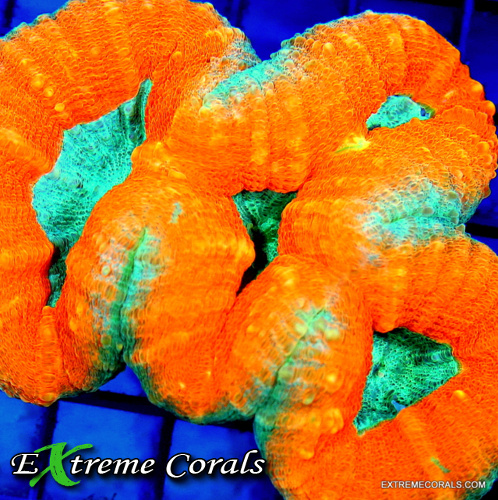
Learn how to care for Lobophyllia coral in a reef aquarium with practical guidance on lighting, water flow, placement, feeding, water parameters, compatibility, color, growth, troubleshooting, and long-term LPS coral health.
Learn Lobophyllia coral care for reef tanks, including lighting, flow, feeding, placement, water parameters, color, compatibility, growth, and Lobo brain coral health tips.
by Scott Shiles • May 05, 2026
Lobophyllia coral is one of the most impressive LPS corals for reef keepers who want bold color, fleshy texture, and a true showpiece coral in a home reef aquarium. Often called Lobo coral, Lobo brain coral, or lobed brain coral, Lobophyllia can display deep reds, greens, oranges, blues, purples, golds, and multi-color patterns that immediately stand out in a marine tank.
What makes Lobophyllia so appealing is the balance between dramatic appearance and manageable care. It is not a coral to ignore, crowd, or blast with flow, but it can do very well in a stable reef tank with moderate lighting, low to moderate indirect water movement, careful placement, occasional feeding, and consistent water chemistry.
At Extreme Corals, Lobophyllia corals are valued because they bring strong visual impact without requiring the intense lighting and high-flow environment needed by many SPS corals. This guide explains how to care for Lobophyllia coral in home reef aquariums, including water parameters, lighting, flow, feeding, placement, compatibility, color, growth, troubleshooting, and long-term Lobo brain coral health.
What Is Lobophyllia Coral?
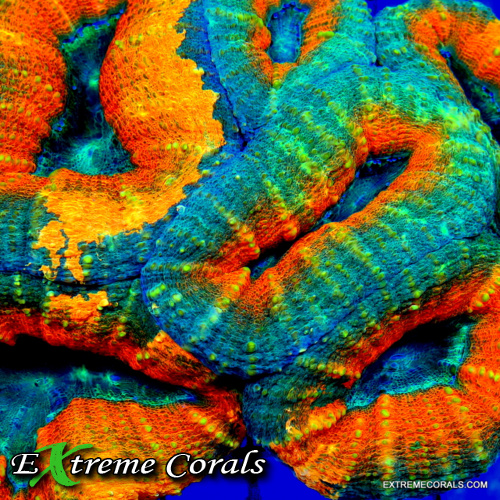
Lobophyllia coral is a large polyp stony coral known for its thick fleshy tissue, rounded lobes, folded brain-like structure, and strong coloration. It grows a hard calcium carbonate skeleton, but the visible beauty comes from the fleshy tissue that expands over that skeleton.
In the reef aquarium hobby, Lobophyllia is commonly grouped with other fleshy LPS showpiece corals such as Scolymia, Trachyphyllia, Acanthastrea, Favia, Favites, and Platygyra. Unlike branching LPS corals such as Hammer Coral or Frogspawn, Lobophyllia usually creates a heavier, lower-profile display with bold texture and color.
Common Lobophyllia traits include:
- Thick fleshy tissue over a hard stony skeleton
- Rounded lobes or folded brain-like structure
- Bright red, green, orange, blue, purple, gold, and rainbow color forms
- Strong sandbed or lower rockwork showpiece potential
- Visible feeding response when healthy and settled
- Moderate care needs in stable reef aquariums
Why Lobophyllia Corals Are So Popular
Lobophyllia corals are popular because they look substantial. A single healthy Lobo coral can become one of the main focal points in a reef aquarium. Its thick tissue, bold color, and sculpted appearance create a very different look from soft corals, zoanthids, mushrooms, or branching SPS corals.
Reef keepers often choose Lobophyllia because it offers:
- Showpiece color with strong contrast under reef lighting
- Fleshy LPS texture that adds depth to the aquascape
- Moderate lighting needs compared with many high-light corals
- Good feeding response when offered small meaty foods
- Lower reef placement value for sandbeds and lower rockwork
- Long-term display appeal without fast invasive growth
A well-placed Lobophyllia coral can make a reef tank look more mature and balanced. It adds weight and color to the lower part of the aquarium where many hobbyists need stronger visual interest.
Natural Habitat and Aquarium Behavior
Lobophyllia corals are associated with Indo-Pacific reef environments where they may be found on reef slopes, lagoons, rubble zones, and lower reef areas. These environments help explain why Lobophyllia usually prefers moderate light, indirect water flow, and stable reef conditions in aquariums.
In the home reef tank, Lobophyllia should not be treated like a high-flow SPS coral. Its fleshy tissue can be damaged when strong current pushes it against the skeleton. It also should not be wedged into sharp rockwork where the tissue can tear as it expands.
The goal is to create a stable, protected area where the coral can inflate naturally, receive enough light, capture food when offered, and avoid constant irritation from neighboring corals or tank mates.
Best Water Parameters for Lobophyllia Coral
Stable water chemistry is one of the most important parts of Lobophyllia coral care. This coral can tolerate normal reef ranges, but it does not respond well to sudden changes in salinity, alkalinity, temperature, nutrients, or lighting.
| Parameter | Recommended Range |
|---|---|
| Temperature | 76-80°F |
| Salinity | 1.024-1.026 specific gravity |
| pH | 8.1-8.4 |
| Alkalinity | 8-10 dKH |
| Calcium | 400-450 ppm |
| Magnesium | 1250-1350 ppm |
| Nitrate | 5-15 ppm |
| Phosphate | 0.03-0.10 ppm |
Lobophyllia often does best in water that is clean but not stripped completely of nutrients. Very low nutrients can lead to pale tissue, poor feeding response, and weaker resilience. Excess nutrients can encourage algae growth, bacterial issues, and irritation around exposed skeleton.
Consistency is more important than chasing perfect numbers. A Lobophyllia coral that receives stable reef conditions will usually do better than one exposed to frequent swings from overcorrecting parameters.
Tank Size and Setup
Lobophyllia coral can be kept in many reef tank sizes, but a tank of about 30 gallons or larger is a practical starting point for most hobbyists. Larger aquariums provide more stable water chemistry, more placement options, and more room for spacing from aggressive corals.
A good Lobophyllia setup includes:
- Stable salinity and temperature
- Moderate to lower lighting
- Low to moderate indirect water flow
- A protected sandbed or lower rockwork placement
- Enough open space around the coral
- Balanced nutrients without algae smothering the tissue
- Regular testing for alkalinity, calcium, magnesium, nitrate, and phosphate
Because Lobophyllia has large fleshy tissue, it should not be placed where fish, snails, shrimp, or shifting rockwork constantly disturb it. A calm, stable location is usually best.
Best Placement for Lobophyllia in a Reef Tank
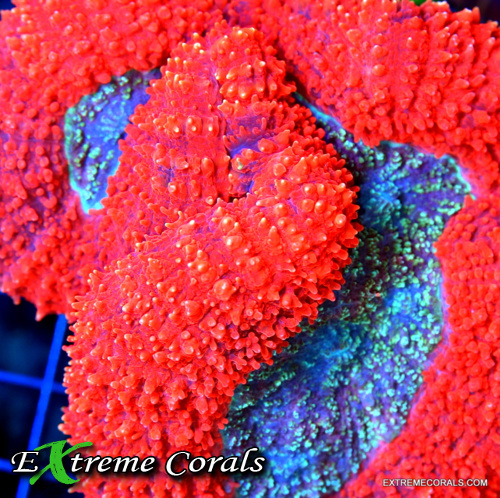
Placement is one of the biggest keys to Lobophyllia success. This coral has fleshy tissue that can expand beyond the skeleton, so it needs a safe area where the tissue will not rub against sharp rock or get blasted by direct current.
In most reef tanks, Lobophyllia does best on the sandbed or lower rockwork. Sandbed placement works well when the coral is stable and not being buried by sand-moving fish or invertebrates. Lower rockwork can also work if the surface is smooth, secure, and not too exposed to strong flow.
Good Lobophyllia placement should provide:
- Lower to middle tank position
- Low to moderate or moderate light
- Low to moderate indirect flow
- Open space around the coral
- No sharp rock pressing into the tissue
- No aggressive corals within reach
- Easy visibility for observation and feeding
Avoid placing Lobophyllia in tight rock crevices. As the coral inflates, tissue can scrape against the rock and begin to recede. A little extra open space can prevent many long-term problems.
Lighting Requirements for Lobophyllia
Lobophyllia corals usually prefer low to moderate or moderate reef lighting. They are photosynthetic and need light for energy, but they do not need intense SPS-level lighting. Too much light can cause bleaching, shrinking, or tissue stress.
A practical lighting range for many Lobophyllia corals is around 50-150 PAR, depending on the coral’s previous lighting, tank depth, fixture type, and color variety. Some specimens may adapt slightly higher, but newly added pieces should be acclimated carefully.
Signs that lighting may be too strong include:
- Faded or washed-out color
- Bleaching
- Tissue pulling tight against the skeleton
- Reduced feeding response
- Shrinking during the strongest part of the light cycle
Signs that lighting may be too weak include dull color, poor inflation, and slow decline when other conditions are stable. Make lighting changes gradually and give the coral time to respond before moving it again.
Water Flow for Lobophyllia Corals
Lobophyllia prefers low to moderate, indirect water flow. The coral needs enough movement to keep oxygen and nutrients circulating around the tissue, but not so much current that the flesh is pushed hard against the skeleton.
Good flow helps:
- Carry oxygen and nutrients to the coral
- Remove waste from coral tissue
- Prevent detritus from collecting around the base
- Support feeding response
- Reduce algae buildup around exposed skeleton
Strong direct flow can damage Lobophyllia tissue, especially along the edges and folds. Too little flow can allow detritus and uneaten food to settle around the coral. The best flow pattern is gentle, indirect, and steady enough to keep the coral clean without stressing it.
Feeding Lobophyllia Coral
Lobophyllia is photosynthetic, but it benefits from occasional target feeding. Feeding can help support tissue fullness, coloration, recovery after stress, and long-term health. A healthy Lobophyllia may extend feeding tentacles after lights dim or when food is detected in the water.
Good food options include:
- Mysis shrimp
- Brine shrimp
- Small pieces of shrimp or fish
- Finely chopped marine seafood
- Small particle LPS coral foods
- Zooplankton-based coral foods
Target feeding once or twice per week is a good starting point. Use small pieces of food and place them gently near the feeding tentacles or mouth area. Avoid large chunks that sit on the coral too long, attract shrimp, or decay before being consumed.
Feeding should support coral health without hurting water quality. If nitrate and phosphate rise quickly after feeding, reduce the amount or frequency and improve nutrient export.
How Lobophyllia Color Changes Under Reef Lighting
One of the biggest reasons reef keepers choose Lobophyllia is color. A healthy Lobo coral can display intense reds, greens, oranges, blues, purples, golds, and rainbow patterns. Under blue-spectrum lighting, many pieces show strong fluorescence around ridges, mouths, and tissue edges.
Lobophyllia color is influenced by:
- Lighting intensity
- Lighting spectrum
- Stable alkalinity
- Balanced nitrate and phosphate
- Feeding response
- Stress from shipping, dipping, or relocation
- Overall tissue health
A coral that is placed under too much light may fade or bleach. A coral kept in unstable water may lose fullness and color depth. The best color usually comes from stable reef conditions, appropriate lighting, and patience after the coral settles.
Popular Lobophyllia Colors and Types
Lobophyllia corals are often sold by color, pattern, or trade name instead of exact species identification. That is common in the reef aquarium hobby because visual appearance is one of the biggest reasons hobbyists choose these corals.
Popular Lobophyllia looks may include:
- Red Lobophyllia: Rich red tissue that stands out strongly under reef lights.
- Green Lobophyllia: Bright green or neon green pieces with strong fluorescence.
- Red and Green Lobophyllia: A classic high-contrast color combination.
- Rainbow Lobophyllia: Multi-color pieces with several contrasting tones.
- Gold Lobophyllia: Warm yellow, orange, or gold highlights under blue lighting.
- Blue or Purple Lobophyllia: Cooler-toned pieces that contrast well against warmer corals.
No matter how rare or colorful a Lobophyllia is, care should still be based on the coral’s condition and response. A premium color form still needs safe placement, gentle flow, moderate lighting, and stable water.
Lobophyllia Growth Rate and Long-Term Development
Lobophyllia usually grows slowly to moderately in home reef aquariums. It is not a fast-spreading coral, and it should not be expected to quickly cover rockwork. Instead, its value comes from color, tissue fullness, shape, and long-term showpiece presence.
Growth is supported by:
- Stable alkalinity
- Calcium and magnesium within range
- Moderate lighting
- Low to moderate indirect flow
- Controlled target feeding
- Balanced nitrate and phosphate
- Protection from tissue damage
A Lobophyllia that stays colorful, inflated, and free of recession is doing well even if growth appears slow. For this coral, tissue condition is a better success sign than fast expansion.
Compatibility With Fish and Other Corals
Lobophyllia corals are not usually the most aggressive LPS corals, but they still need space. Their fleshy tissue can be damaged by nearby stinging corals, fish that nip, shrimp stealing food, or invertebrates constantly crawling across them.
Good tank mates often include:
- Clownfish
- Gobies
- Blennies
- Peaceful wrasses
- Snails
- Most reef-safe shrimp with caution during feeding
- Other peaceful corals with proper spacing
Use caution with angelfish, butterflyfish, and any fish known to nip fleshy LPS tissue. Also keep Lobophyllia away from aggressive corals such as torch corals, galaxea, aggressive chalices, and other LPS corals with long sweeper tentacles.
Lobophyllia vs Other Brain Corals
Lobophyllia is often compared with other brain-style LPS corals such as Trachyphyllia, Wellsophyllia, Scolymia, Favia, Favites, and Platygyra. These corals may share some care similarities, but they do not all behave the same.
Lobophyllia tends to have thicker lobed tissue and a heavier, folded structure than many maze brain corals. Compared with Trachyphyllia or Scolymia, Lobophyllia often looks more ridged and lobed rather than smooth and open. Compared with Favia or Platygyra, Lobophyllia usually has fleshier tissue and needs extra protection from rough placement.
For reef aquascaping, Lobophyllia is a strong choice when you want:
- A fleshy LPS showpiece
- Bold color in the lower part of the aquarium
- Brain coral texture without a flat maze-only appearance
- A coral that looks substantial even as a single specimen
- Contrast beside zoanthids, mushrooms, soft corals, or branching LPS corals
Common Lobophyllia Problems and Troubleshooting
Lobophyllia corals can show stress clearly when something is wrong. Early correction is important because tissue damage can worsen if the cause is not addressed.
Tissue Recession
Tissue recession may be caused by unstable alkalinity, strong direct flow, physical damage, aggressive nearby corals, low nutrients, poor water quality, or bacterial stress. Check water parameters, placement, and coral spacing first.
Bleaching or Faded Color
Bleaching or fading often comes from too much light, sudden lighting changes, low nutrients, or general stress. Reduce light exposure gradually if needed and avoid making multiple major changes at once.
Brown Jelly Disease
Brown jelly disease can appear as brown, slimy tissue decay and may move quickly through damaged LPS tissue. If suspected, act quickly. Isolate the coral if possible, remove decaying tissue carefully, improve water quality, and use an appropriate coral dip when needed.
Algae Around the Skeleton
Algae often grows where tissue has receded or where flow is too weak. Improve nutrient control, increase gentle indirect flow, and remove algae carefully without scraping healthy tissue.
Poor Feeding Response
A weak feeding response may be linked to stress, lighting shock, recent movement, poor water quality, fish irritation, or shrimp stealing food. Let the coral settle and verify that water parameters are stable.
Handling and Acclimation
Lobophyllia should be handled gently because its fleshy tissue can tear against the skeleton. Always hold the coral by the base, skeleton, or plug when possible. Avoid squeezing the tissue or placing it against rough rock.
Temperature acclimate first, then gradually adjust the coral to your aquarium conditions. If using a coral dip, follow the product directions carefully and avoid extended harsh dips unless there is a specific reason.
After placement, give the coral time to settle. A new Lobophyllia may take several days to fully inflate after shipping, dipping, or handling. Avoid moving it repeatedly unless the current placement is clearly causing stress.
Maintenance Tips for Long-Term Lobophyllia Health
Lobophyllia corals reward consistency. They do not need constant adjustment, but they do need stable water quality, safe placement, and protection from tissue damage.
Good maintenance habits include:
- Test alkalinity, calcium, magnesium, nitrate, phosphate, salinity, and temperature regularly.
- Perform regular water changes to support stability.
- Feed small portions one to two times per week if the coral responds well.
- Keep flow indirect and avoid blasting the tissue.
- Protect the coral from sharp rock and aggressive neighbors.
- Watch for early signs of tissue recession, fading, or brown jelly.
- Remove detritus from around the coral carefully.
Once a Lobophyllia is settled and happy, it is usually best to leave it alone and maintain consistent reef conditions. Constantly moving it can delay adjustment and make stress worse.
How to Tell If Lobophyllia Coral Is Healthy
A healthy Lobophyllia should look full, colorful, and stable. It may inflate more during the day and show feeding tentacles at night or when food is present.
Positive signs include:
- Full fleshy tissue
- Stable coloration
- No exposed skeleton or tissue recession
- Good feeding response
- No brown slime or tissue decay
- No algae growing on damaged areas
- Consistent appearance after settling into the tank
A Lobophyllia that shrinks, fades, loses tissue, or stops responding to food should be evaluated quickly. Check lighting, flow, water parameters, and nearby coral aggression before assuming the coral is simply not going to adapt.
Related Corals You May Also Like
If you like Lobophyllia corals, these related LPS coral categories and care resources can help you build a colorful reef aquarium with strong showpiece appeal:
- Large Polyp Stony Corals - Browse colorful LPS corals with fleshy tissue, feeding response, and showpiece presence.
- Lobophyllia Coral Care Guide - Review quick care requirements for Lobophyllia corals.
- Trachyphyllia Coral Care Guide - Learn care tips for another colorful open brain-style LPS coral.
- Scolymia Coral Care Guide - Explore a sandbed-friendly showpiece LPS coral with intense color.
- Platygyra Coral Care Guide - Compare care needs for a maze-pattern brain coral.
- Favia Coral Care Guide - Learn about another hardy brain-style LPS coral.
- Coral Care Guides - Browse coral care resources for LPS, SPS, soft corals, mushrooms, and zoanthids.
Shop Lobophyllia and LPS Corals
Lobophyllia corals are excellent choices for reef keepers who want bold color, fleshy texture, and a true LPS showpiece for a stable marine aquarium. With the right lighting, flow, feeding, and placement, a healthy Lobophyllia can become one of the standout corals in your reef tank.
Browse LPS corals, new arrival corals, and Scott's Handpicked Corals at ExtremeCorals.com to find healthy corals that match your lighting, flow, placement, and reefkeeping goals.
Frequently Asked Questions About Lobophyllia Coral Care
Is Lobophyllia coral beginner-friendly?
Lobophyllia can be manageable for beginners with stable reef tanks, but it is best for hobbyists who understand basic LPS coral care. It needs stable water, moderate light, indirect flow, proper spacing, and careful handling.
Where should I place Lobophyllia in my reef tank?
Lobophyllia usually does best on the sandbed or lower rockwork where it receives low to moderate or moderate lighting and low to moderate indirect flow. It should have open space around it.
How much light does Lobophyllia need?
Lobophyllia generally does best under low to moderate or moderate reef lighting, often around 50-150 PAR. Avoid sudden exposure to intense light because it can cause bleaching or tissue stress.
What kind of flow is best for Lobophyllia?
Low to moderate indirect flow is best. The flow should keep debris away from the coral without blasting the fleshy tissue or pushing it against the skeleton.
Does Lobophyllia coral need to be fed?
Lobophyllia is photosynthetic, but it benefits from occasional target feeding. Small pieces of mysis shrimp, brine shrimp, marine seafood, or LPS coral food can support tissue fullness and long-term health.
Can Lobophyllia touch other corals?
Lobophyllia should be given space from other corals. Its tissue can be damaged by aggressive neighbors, and nearby LPS corals with sweeper tentacles may sting it.
Why is my Lobophyllia losing tissue?
Tissue loss may be caused by unstable alkalinity, strong direct flow, sharp rock damage, coral aggression, poor water quality, low nutrients, excessive light, or bacterial issues.
How fast does Lobophyllia grow?
Lobophyllia usually grows slowly to moderately. Stable water chemistry, proper calcium and alkalinity, balanced nutrients, moderate lighting, gentle flow, and occasional feeding support long-term growth.
About the Author
Scott Shiles is the owner of ExtremeCorals.com, which he has operated for over 25 years and is recognized as one of the early dedicated live coral websites on the internet. A lifelong reef keeper since 1984, Scott has decades of hands-on experience maintaining marine aquariums and previously owned and operated a brick and mortar aquarium retail store for 10 years, including five years alongside Extreme Corals. He holds a degree in Marine Biology and has personally selected and sold hundreds of thousands of live corals. An avid scuba diver who has explored reef systems around the world, Scott shares practical coral care and husbandry knowledge based on real world reef experience.
overall rating:
my rating:
log in to rate
Please log in to leave a comment.
For more information visit: additional resources