My Cart: 0 item(s)

Extreme Corals News and Updates
Brain Coral Guide: What Brain Corals Are and Why They Belong in Reef Tanks
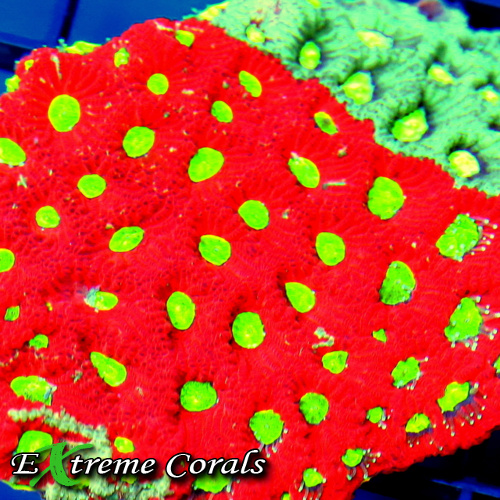
Learn what brain corals are, why they are popular in reef tanks, and how species like Acanthastrea, Platygyra, Trachyphyllia, Favites, and Favia add beauty and function.
Learn what brain corals are, why they are popular in reef tanks, and how species like Acanthastrea, Platygyra, Trachyphyllia, Favites, and Favia add beauty and function.
by Scott Shiles • July 31, 2024
Brain corals are some of the most fascinating corals in the reef hobby because they combine striking texture, bold coloration, and natural reef-building beauty in a way few corals can match. Their winding ridges and valleys resemble the folds of a human brain, which is how they got their common name. In a reef tank, brain corals can become eye-catching focal points while also contributing structure, shelter, and long-term visual depth. This guide explains what brain corals are, why so many reef keepers love them, and why introducing them to your reef tank can be a great decision.
For many hobbyists, brain corals represent the perfect mix of beauty and substance. They are not just visually interesting from a distance. They also reward close observation with intricate textures, shifting color under different light, and growth patterns that change the look of the tank over time. Whether you are building a peaceful mixed reef or adding a more substantial showpiece coral, brain corals can bring a strong sense of maturity and natural reef structure to the aquarium.
Looking to add beautiful LPS corals to your reef tank? Browse our LPS corals for sale and explore healthy corals for your aquarium.
What Are Brain Corals?
Brain corals are a broad group of stony corals known for their maze-like ridges, fleshy tissue, and sculpted appearance. Many are classified as large polyp stony corals, though different species can vary quite a bit in growth form, texture, and overall look.
What makes them so recognizable is the way their surface patterns resemble the folds of a brain. Some species form rounded domes, some stay lower and broader, and others develop fleshy inflated tissue that gives them a softer, more dramatic appearance.
Why Brain Corals Are So Popular in Reef Tanks
Brain corals are popular because they offer several things reef hobbyists care about most:
- Strong visual texture and detail
- Bold colors and pattern variation
- A natural centerpiece effect
- A more mature reef-tank look
- Added structure and shelter for tank inhabitants
Unlike some corals that blend into the background, brain corals often become focal points immediately. Their shape, tissue patterns, and color contrast help them stand out even in well-stocked reef tanks.
How Brain Corals Improve the Reef Tank Environment
Brain corals do more than just look attractive. They also contribute to the feel and function of a balanced reef aquarium.
- Their calcium carbonate skeletons add long-term structure
- They can provide shelter and hiding places for small tank inhabitants
- They help create a more natural reefscape
- They support biodiversity by adding shape and habitat variation
Adding brain corals can make the tank feel more complete, not just more colorful. They help create the layered look that makes a reef aquarium feel alive and established.
Acanthastrea: Colorful and Highly Collectible
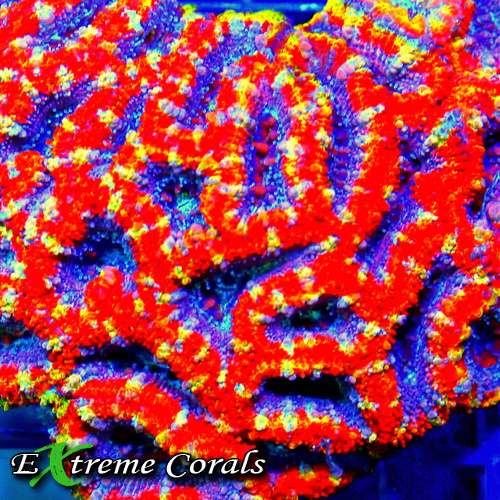
Acanthastrea, often called Acan coral, is one of the most colorful brain coral types seen in reef tanks. These corals can show intense blues, greens, reds, oranges, and multicolor combinations that make them especially attractive in mixed reefs.
One of the reasons hobbyists love Acanthastrea is that it can add explosive color to a tank without needing the same care level as many advanced SPS corals. Its polyp structure and vivid patterns make it a favorite for aquarists who want strong visual impact in lower or middle tank zones.
Platygyra: The Classic Maze-Like Brain Coral
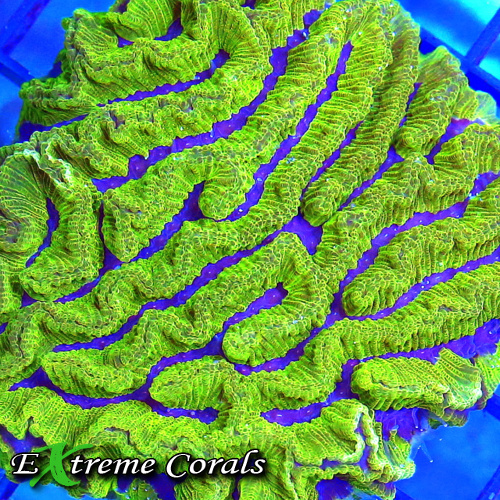
Platygyra is one of the corals most people picture when they think of brain coral. Its surface shows the winding ridges and valleys that define the classic maze-like brain coral look.
These corals can add both depth and elegance to the aquarium. Under different lighting conditions, many Platygyra specimens can shift in appearance, which adds even more interest over time. They are especially useful when you want a coral that contributes texture as much as color.
Trachyphyllia: The Open Brain Coral Showpiece
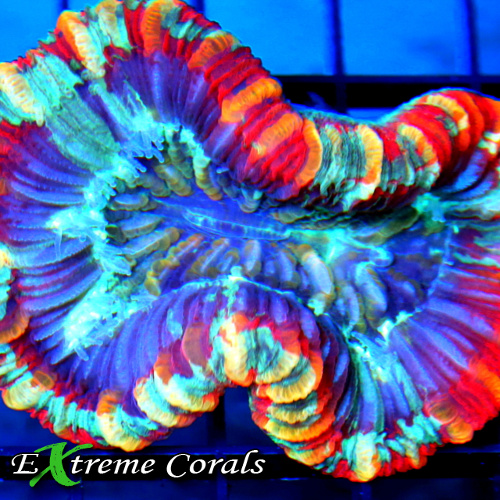
Trachyphyllia, often called the Open Brain Coral, is another popular option for reef hobbyists who want a dramatic display coral. Its large fleshy body and inflated appearance make it stand out immediately.
Trachyphyllia is especially popular because it combines softness, movement, and a peaceful nature. In many reef tanks, it becomes one of the easiest corals to notice from across the room. Its unique ability to inflate and deflate adds life and personality to the aquarium in a way many rigid corals do not.
Favites: Elegant, Hardy and Visually Striking
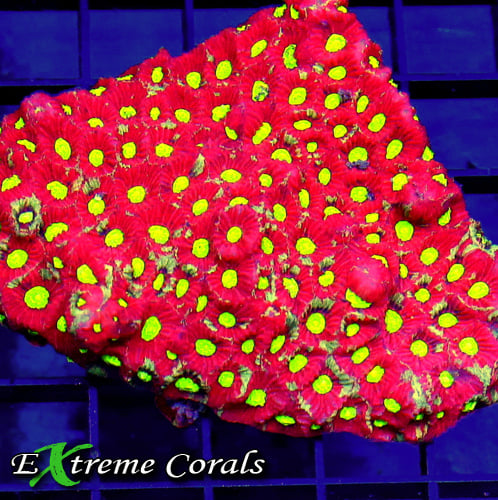
Favites, sometimes called Moon Coral, is a beautiful brain coral option for reef keepers who want a coral with a little more structure and fluorescence. These corals often show rounder corallites and strong glow under blue lighting, which makes them especially attractive in evening viewing conditions.
Favites is also appreciated because it is often fairly hardy compared with some more delicate showpiece corals. For hobbyists who want a brain coral that is both eye-catching and manageable, Favites can be a very strong choice.
Favia: A Hardy Brain Coral With Strong Character
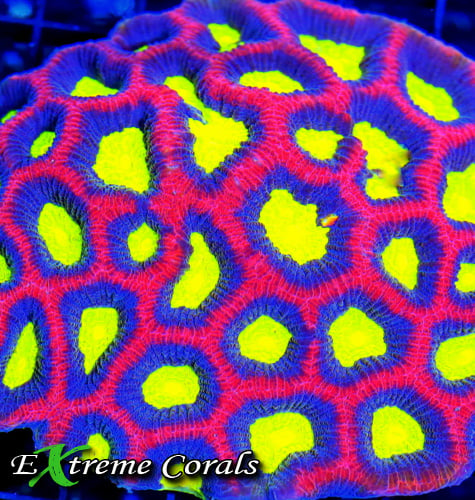
Favia is another well-known brain coral type, often recognized for its dome-shaped form and intricate surface detail. It can display a wide range of color combinations and tends to form colonies that create a more established reef look as they grow.
One of the reasons Favia is so attractive to hobbyists is that it tends to combine hardiness with visual detail. It can work well for both newer and experienced aquarists who want a coral that offers texture, color, and long-term reef character.
Why You Should Introduce Brain Corals to Your Reef Tank
If you are thinking about adding a brain coral to your aquarium, there are several good reasons to do it:
- They create a natural focal point in the reef tank
- They add shape and texture that other corals may not provide
- Many species are hardy enough for a wide range of aquarists
- They can support a more balanced and natural-looking reefscape
- They offer long-term visual reward as colonies mature
Brain corals are especially useful when you want the tank to look more layered, mature, and complete. They bring a combination of elegance and structure that many hobbyists end up appreciating more over time.
Which Brain Coral Is Right for You?
The best brain coral for your reef tank depends on the look you want and the type of system you run.
- Choose Acanthastrea if you want strong, flashy color
- Choose Platygyra if you want the classic maze-like brain coral look
- Choose Trachyphyllia if you want a fleshy showpiece coral
- Choose Favites if you want glow and structure
- Choose Favia if you want a hardy, detailed colony coral
Each one brings something different to the reef tank, but all of them can help create a more visually compelling and natural underwater environment.
Related Corals You May Also Like
If you are interested in brain corals, you may also want to explore other fleshy LPS corals and reef tank guides:
- Browse LPS corals for sale
- Trachyphyllia coral guide
- Micromussa coral care guide
- Acanthophyllia, Cynarina, and Indophyllia comparison
- LPS corals overview
Ready to add a beautiful brain coral to your reef tank? Browse our LPS corals for sale and explore healthy showpiece corals for your aquarium.
Shop Brain Corals and LPS Corals
Explore our WYSIWYG LPS corals, new arrival corals, and featured corals to build a more colorful reef tank.
Final Thoughts
Brain corals are some of the most rewarding corals you can add to a reef tank because they offer beauty, structure, and a strong natural reef presence. Whether you choose Acanthastrea, Platygyra, Trachyphyllia, Favites, or Favia, introducing brain corals to your aquarium can make the tank look more complete, more vibrant, and more alive.
Frequently Asked Questions
Q: What are brain corals?
A: Brain corals are stony corals known for their maze-like ridges, fleshy tissue, and brain-shaped patterns.
Q: Are brain corals good for reef tanks?
A: Yes. They are popular because they add beauty, structure, and a strong centerpiece effect to the aquarium.
Q: Are all brain corals hard to keep?
A: No. Some are easier than others, and several species are manageable in stable reef tanks with proper placement and care.
Q: Why do hobbyists like brain corals so much?
A: Because they combine texture, color, unique growth forms, and strong visual appeal in one coral.
Q: Which brain coral is best for beginners?
A: Hardier species such as some Favites, Favia, and Acanthastrea are often more approachable than rarer collector-type brain corals.
About the Author
Scott Shiles is the owner of ExtremeCorals.com, which he has operated for over 25 years and is recognized as one of the early dedicated live coral websites on the internet. A lifelong reef keeper since 1984, Scott has decades of hands-on experience maintaining marine aquariums and previously owned and operated a brick and mortar aquarium retail store for 10 years, including five years alongside Extreme Corals. He holds a degree in Marine Biology and has personally selected and sold hundreds of thousands of live corals. An avid scuba diver who has explored reef systems around the world, Scott shares practical coral care and husbandry knowledge based on real world reef experience.
overall rating:
my rating:
log in to rate
-6 Comments
Please log in to leave a comment.
For more information visit: additional resources