My Cart: 0 item(s)

Extreme Corals News and Updates
SPS Corals Explained: Care, Lighting, Flow and Top Species for Reef Tanks
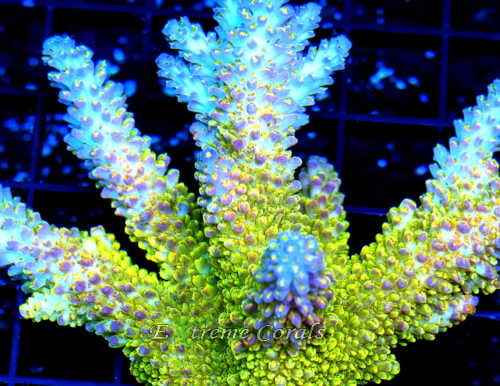
Dive into the World of SPS Corals: A Beginner's Guide to 10 Popular Choices
Explore the captivating world of SPS corals with our beginner's guide featuring 10 popular choices. Dive into vibrant colors, unique growth patterns, and expert care tips.
by Scott Shiles • February 05, 2024
Looking to buy SPS corals? Browse our SPS corals for sale and explore high-end Acropora, Montipora, and other WYSIWYG pieces for your reef tank.
SPS corals, also known as Small Polyp Stony corals, are prized in reef tanks for their vibrant colors, fast growth patterns, and intricate branching structures. This guide covers SPS coral care, including lighting, flow, water parameters, placement, and popular species to help you successfully keep and grow these advanced reef corals.
SPS corals are often considered the pinnacle of reef keeping. Their stunning coloration and delicate skeletal structures make them standout centerpiece corals, but they also require stable conditions and attention to detail. Many experienced reef keepers view thriving SPS colonies as a sign of a mature, well-balanced aquarium.
What Are SPS Corals?
SPS corals are hard corals with small polyps and calcium carbonate skeletons. Popular genera include Acropora, Montipora, and Stylocoeniella. These corals grow in branching, plating, or encrusting forms and are known for their intense coloration under proper lighting.
If you're new to coral types, you can also learn more about different coral types and care requirements to better understand how SPS compare to LPS and soft corals.
SPS Coral Care Requirements
Lighting
SPS corals require strong, stable lighting to maintain color and growth. Most species thrive under high-intensity LED reef lighting with consistent PAR levels. Insufficient lighting can lead to browning, while excessive intensity without acclimation can cause bleaching.
For a deeper breakdown, learn how lighting affects coral growth and coloration in reef aquariums.
Water Flow
Strong, random water flow is critical for SPS corals. Flow helps deliver nutrients, remove waste, and prevent detritus buildup on delicate branches. Aim for high, turbulent flow rather than direct blasting currents.
Understanding flow patterns is key—read our reef flow guide for detailed setup tips.
Water Parameters
SPS corals demand stable water chemistry. Sudden fluctuations are one of the most common causes of tissue loss.
- Alkalinity: 7–9 dKH (stable is critical)
- Calcium: 400–450 ppm
- Magnesium: 1250–1400 ppm
- Nitrates: Low but detectable
- Phosphates: Low but not zero
Consistency is more important than chasing exact numbers. You can learn more about pH and alkalinity stability to maintain long-term success.
Placement
SPS corals are typically placed in the upper half of the tank where lighting and flow are strongest. Always allow space between colonies, as many SPS grow quickly and can shade or compete with neighboring corals.
Feeding
While SPS corals rely heavily on photosynthesis, they can benefit from occasional feeding of fine particulate foods. However, maintaining stable nutrients is more important than frequent feeding.
10 Popular SPS Corals for Reef Tanks
1. Encrusting Montipora
A great beginner SPS coral with vibrant colors and spreading growth patterns. Tolerates slightly less stable conditions than most SPS.
2. Acropora Latistella
Known for plating growth and bright coloration. Requires high light and strong flow.
3. Montipora Digitata
One of the easier SPS corals, featuring branching growth and a wide range of colors.
4. Acropora Tenuis
A highly sought-after SPS coral with intense coloration. Best suited for stable, mature reef systems.
5. Acropora Carduus
Thin branching coral with fast growth and unique coloration, but sensitive to instability.
6. Acropora Microclados
Often seen in high-end reef tanks, known for vivid coloration and tabling growth.
7. Acropora Echinata
Features striking blues and purples but requires very stable parameters.
8. Acropora Tortuosa
Popular for deep blue coloration and relatively hardy nature among Acropora species.
9. Stylocoeniella
A fast-growing SPS coral with unique texture and coloration.
10. Acropora Nasuta
Recognized for its table-like growth and pastel tones, requiring ample space and light.
SPS Corals: Pros and Cons
Pros
- Exceptional color variety and fluorescence
- Unique branching and plating growth forms
- Minimal aggressive sweeper tentacles
- Fast growth under ideal conditions
- Highly rewarding for experienced reef keepers
Cons
- Highly sensitive to parameter fluctuations
- Require stable, mature reef systems
- Demand strong lighting and water flow
- More susceptible to pests and stress
- Often higher cost compared to other coral types
Common SPS Coral Problems
Even experienced reef keepers run into issues with SPS corals. Some of the most common problems include:
- RTN/STN (rapid or slow tissue loss)
- Browning due to low light or excess nutrients
- Bleaching from light or parameter shock
- Pests such as Acropora-eating flatworms
Using proper reef tank tools and monitoring equipment can help catch issues early and maintain stability.
Shop SPS Corals
Looking to add high-end SPS corals to your reef tank? Browse our WYSIWYG SPS corals for sale and explore Acropora, Montipora, and other premium selections.
Frequently Asked Questions
Q: Are SPS corals good for beginners?
A: SPS corals are generally better suited for intermediate to advanced reef keepers due to their need for stable parameters and strong lighting.
Q: What is the most important factor for SPS coral success?
A: Stability is the most critical factor. Consistent alkalinity, temperature, and nutrient levels are key to preventing stress and tissue loss.
Q: How much light do SPS corals need?
A: Most SPS corals require high-intensity lighting. Placement and acclimation are important to avoid bleaching.
Q: Do SPS corals need to be fed?
A: While they primarily rely on photosynthesis, occasional feeding of fine coral foods can support growth.
Q: Why are my SPS corals turning brown?
A: Browning is often caused by low light or elevated nutrients, leading to increased zooxanthellae density.
About the Author
Scott Shiles is the owner of ExtremeCorals.com, which he has operated for over 25 years and is recognized as one of the early dedicated live coral websites on the internet. A lifelong reef keeper since 1984, Scott has decades of hands-on experience maintaining marine aquariums and previously owned and operated a brick and mortar aquarium retail store for 10 years, including five years alongside Extreme Corals. He holds a degree in Marine Biology and has personally selected and sold hundreds of thousands of live corals. An avid scuba diver who has explored reef systems around the world, Scott shares practical coral care and husbandry knowledge based on real world reef experience.
overall rating:
my rating:
log in to rate
Please log in to leave a comment.
For more information visit: additional resources