My Cart: 0 item(s)

Extreme Corals News and Updates
Bubble Coral in Reef Tanks: How to Keep It Healthy, Inflated and Growing
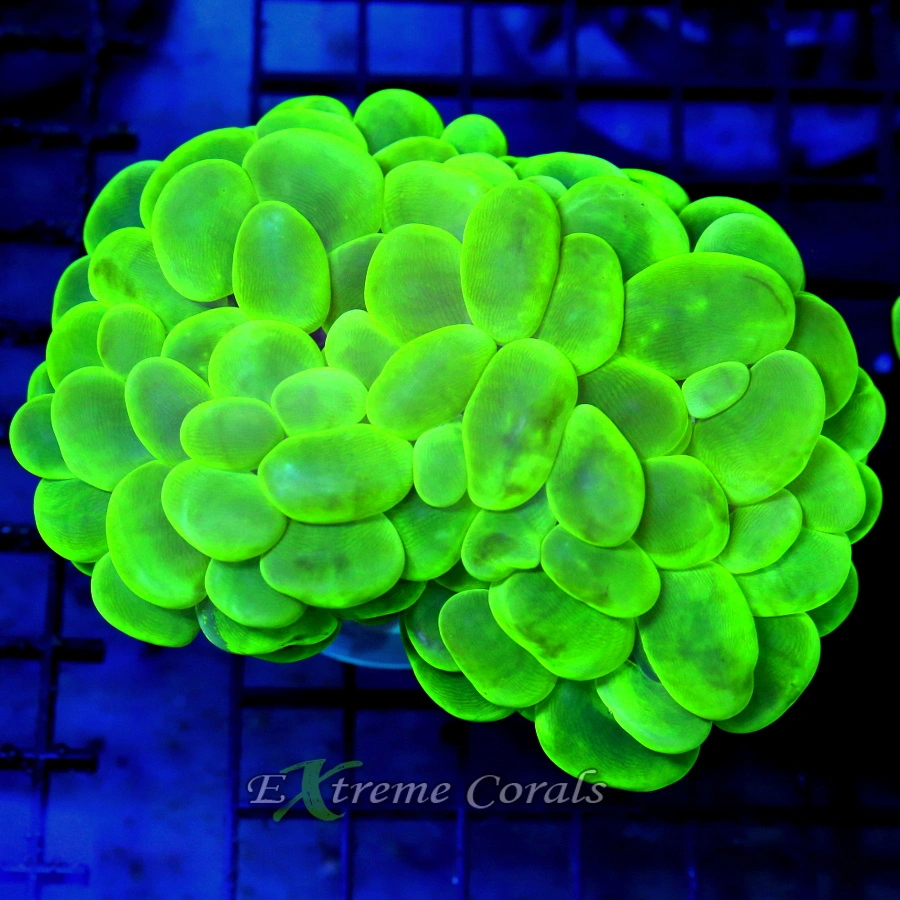
Learn how to care for Bubble coral in a reef tank with the right lighting, water flow, placement, feeding, spacing, and stable water quality for long-term success.
Learn how to care for Bubble coral in a reef tank with tips on lighting, flow, placement, feeding, compatibility, and water quality for healthy long-term growth.
by Scott Shiles • May 16, 2024
Bubble coral is one of the most distinctive LPS corals in the reef hobby because of its inflated bubble-like vesicles, dramatic texture, and strong display appeal. When healthy, Bubble coral can become one of the most eye-catching corals in a reef tank, but it still needs the right balance of lighting, flow, placement, feeding, and stability to thrive long term. This guide explains how to care for Bubble coral in a reef tank, including habitat needs, water quality, feeding habits, growth, common problems, and compatibility with other tank inhabitants.
For many reef keepers, Bubble coral is appealing because it looks so different from most other corals. Its inflated tissue gives it a soft, rounded appearance during the day, while its feeding tentacles often extend more noticeably at night. That unusual look makes it popular, but it also means hobbyists need to be thoughtful about placement and spacing because Bubble coral can be damaged more easily than tougher, lower-profile corals.
Looking to add a fleshy showpiece coral to your reef tank? Browse our LPS corals for sale and explore healthy corals for your aquarium.
What Is Bubble Coral?
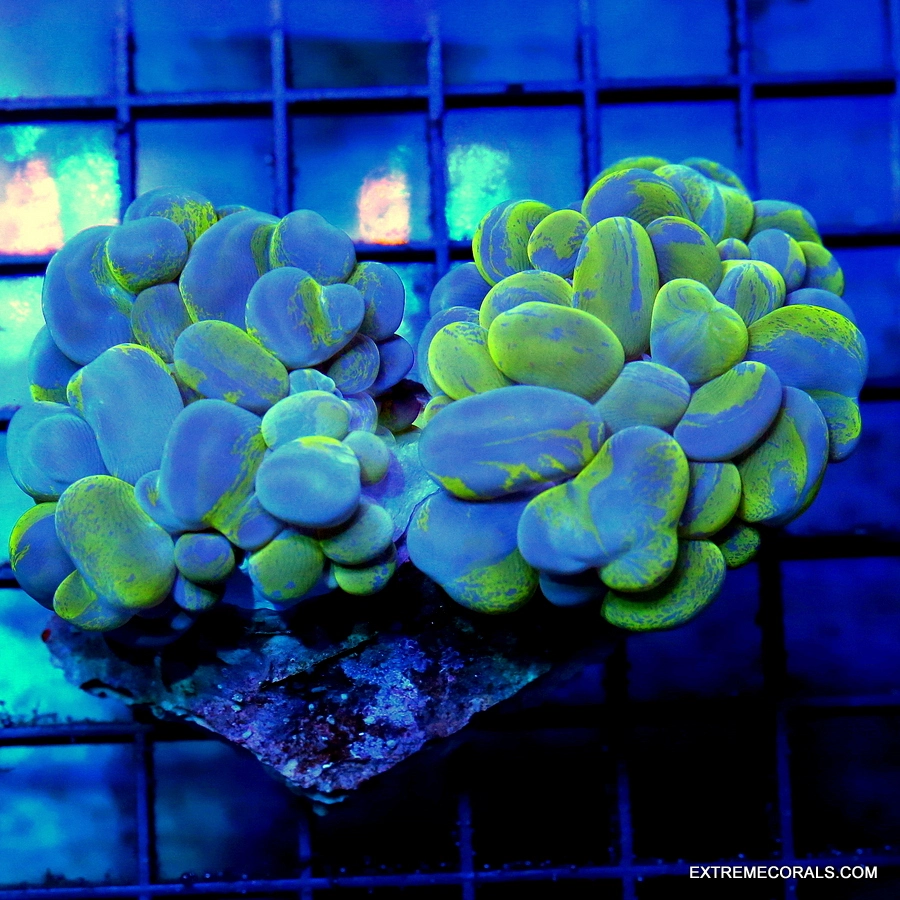
Bubble coral is a large polyp stony coral commonly associated with the genus Plerogyra. It is known for the inflated vesicles that cover its skeleton during the day, giving it its recognizable bubble-like appearance. These vesicles can expand and contract depending on conditions, which is one reason the coral looks so dynamic in an aquarium.
Bubble coral is often found in the Indo-Pacific and is popular in reef tanks because it offers a bold, fleshy look without requiring a full SPS-style setup. In the right environment, it can become a striking centerpiece coral.
Types of Bubble Coral
Bubble coral is often grouped broadly in the hobby, but reef keepers may also encounter related forms such as Plerogyra, Physogyra, and pointier or more branched varieties commonly described in the trade by appearance rather than formal classification.
- Plerogyra: the classic rounded bubble look many hobbyists expect
- Physogyra: often more elongated or grape-like in appearance
- Pointed-tip or branching forms: hobby trade descriptions for different visual growth patterns
Even though different forms can look a little different, their overall care is usually similar: moderate lighting, moderate indirect flow, careful spacing, and stable water quality.
Why Bubble Coral Is So Popular
Bubble coral remains popular because it offers a look that few other LPS corals can match.
- Its inflated tissue gives it a unique texture
- It creates a bold centerpiece effect in reef tanks
- It brings a fleshy, high-end look to mixed reefs
- It can do well in stable systems without requiring SPS-level intensity
- It offers different daytime and nighttime appearances
That said, Bubble coral is not a coral you should just wedge into any open spot. Its flesh can be damaged by poor placement, aggressive neighbors, or excessive flow, so success depends on getting the basics right.
Ideal Habitat Conditions for Bubble Coral
Bubble coral generally does best in a reef tank environment that is stable, moderately lit, and protected from harsh direct flow. It is often happiest in calmer zones than many SPS corals, where its tissue can expand fully without being battered.
- Moderate to somewhat dimmer lighting works well in many systems
- Moderate indirect water movement is usually ideal
- Stable temperature and salinity matter greatly
- Enough open space is important because of tissue expansion and sweeper tentacles
Thinking about Bubble coral as a fleshy coral that needs protection from extremes is usually a good way to approach its care.
Importance of Proper Lighting for Bubble Coral
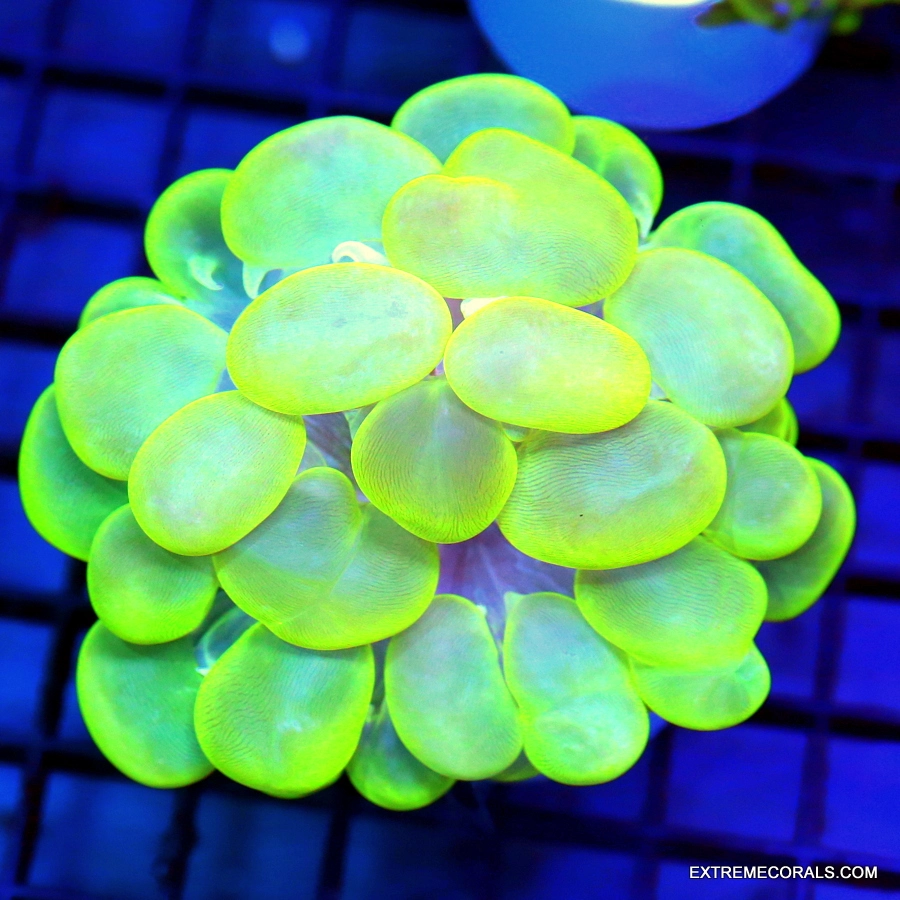
Proper lighting is very important for Bubble coral because it still relies heavily on photosynthesis through its symbiotic algae. In most reef tanks, Bubble coral does best under low to moderate or moderate lighting rather than intense upper-tank exposure.
- Too much light can stress the coral and increase the risk of bleaching
- Too little light can reduce growth and overall vigor
- Stable lighting is usually more important than constant adjustment
- LED systems often work very well when intensity is matched to placement
Consistent lighting schedules help mimic natural conditions and reduce stress. A good starting point is usually lower to middle tank placement, then adjusting only if the coral’s expansion and color suggest it needs a change.
If you want to learn more about reef lighting, read our guide on how lighting affects coral growth.
Water Quality Requirements for Bubble Coral
Bubble coral requires strong overall water quality and stable conditions to stay healthy long term. Like many LPS corals, it often handles a reasonable range better than SPS corals do, but it still reacts poorly to repeated swings or neglected maintenance.
- Temperature: 75-82°F
- pH: 8.1-8.4
- Salinity: stable reef salinity around 1.023-1.026
- Calcium, alkalinity, and magnesium should remain in healthy reef ranges
- Ammonia should stay at zero and nutrients should remain controlled
Regular testing is important if you want Bubble coral to stay full and healthy. Water quality issues often show up first as reduced expansion, dull appearance, tissue damage, or increased susceptibility to disease.
If you are working on chemistry stability, read our guide on pH and alkalinity in reef tanks.
Water Flow for Bubble Coral
Water flow is one of the most important parts of Bubble coral care because its inflated tissue can be damaged if it is placed in a harsh direct current. At the same time, the coral still needs enough movement to prevent detritus from collecting around it.
- Low to moderate indirect flow is often ideal
- Moderate flow may work well if it is broad and not direct
- Too much direct flow can tear or irritate tissue
- Too little flow can allow waste and debris to accumulate
The best flow usually keeps the coral clean without visibly battering the inflated vesicles. If Bubble coral looks collapsed, pushed hard in one direction, or irritated, the flow may be too strong.
If you want to learn more about reef circulation, read our guide on water flow and coral health.
Placement and Spacing in the Reef Tank
Bubble coral should be placed where it has room to expand and where its delicate tissue will not rub against rock, glass, or neighboring corals. Spacing is especially important because Bubble coral can extend sweeper tentacles and may be damaged easily if crowded.
- Place it on a stable surface with room around it
- Keep it away from aggressive neighboring corals
- Avoid tight rock crevices that may cut or compress tissue
- Plan for nighttime extension and future growth
Many reef keepers underestimate how much room a fleshy LPS coral needs until it is already damaged. Bubble coral is much easier to keep healthy when it is given generous space from the start.
Feeding Habits and Nutritional Needs
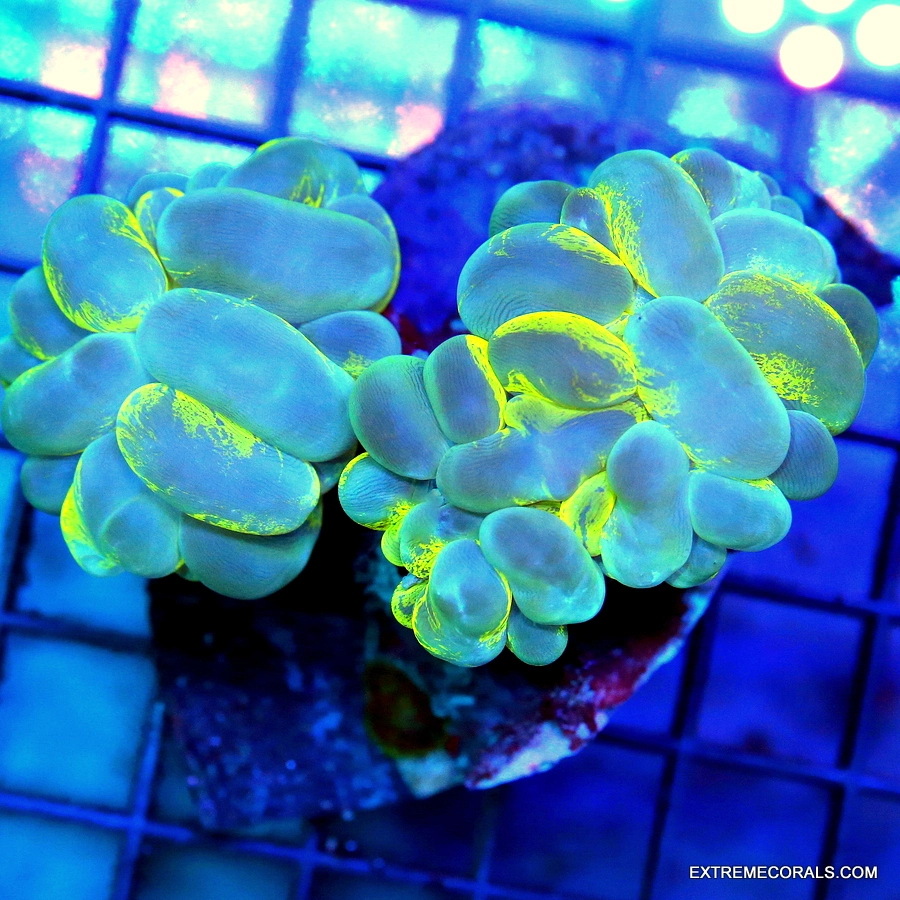
Bubble coral is photosynthetic, but it can also benefit from supplemental feeding. It may capture food from the water column and can respond to meaty foods or appropriately sized particulate foods when offered carefully.
- Small planktonic foods may be accepted
- Zooplankton-sized foods are often a good fit
- Some hobbyists feed 2 to 3 times per week
- Overfeeding should be avoided to protect water quality
Feeding can help support growth and condition in some tanks, but water quality always matters more than stuffing the coral with food. A light, consistent approach is usually much safer than aggressive target feeding.
Reproduction and Growth of Bubble Coral
In the wild, Bubble corals reproduce by releasing eggs and sperm into the water, eventually producing larvae that settle and form new colonies. In reef tanks, hobbyists usually focus more on healthy long-term growth than on sexual reproduction.
Bubble coral tends to grow more slowly than many fast-spreading soft corals. Its value comes more from its texture, fullness, and display presence than from rapid expansion. Healthy growth depends on:
- Stable water parameters
- Consistent lighting
- Gentle but effective flow
- Adequate nutrition
Because it is a fleshy LPS coral, patience is usually part of success. Slow, steady health is better than forcing rapid growth.
Common Challenges and Diseases Affecting Bubble Coral
Bubble coral can be affected by a number of common reef tank problems, especially when water quality or placement is poor.
- Bleaching: often tied to light stress, temperature stress, or instability
- Brown Jelly Disease: a dangerous bacterial issue that can destroy tissue quickly
- Algae Overgrowth: can compete for space and irritate stressed corals
- Tissue Damage: often caused by overly strong flow, poor placement, or coral aggression
To reduce risk, keep water stable, maintain good flow without blasting the coral, and react quickly if the coral starts showing recession or a rapid change in appearance.
If you want to learn more about coral health issues, read our guide on coral diseases in reef tanks.
Tank Mates and Compatibility With Bubble Coral
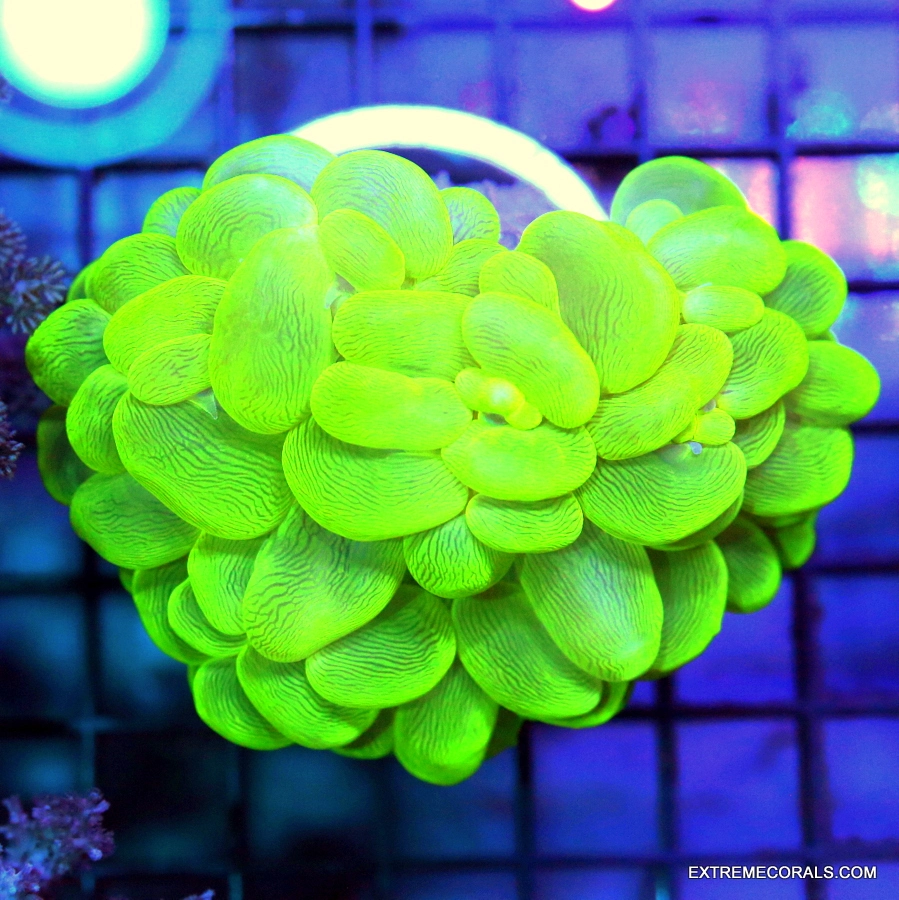
Bubble coral can work well in a peaceful mixed reef tank, but compatibility still matters. Peaceful fish such as clownfish, gobies, and tangs are usually easier tank mates than aggressive or coral-picking species.
- Peaceful community fish are usually the safest option
- Many shrimp and crabs can be compatible
- Avoid aggressive fish that may disturb or damage the coral
- Provide enough space between Bubble coral and other corals
Researching tank mates carefully is always important, especially if the reef includes aggressive fish or other large fleshy corals competing for space.
Conservation and Responsible Reefkeeping
Bubble coral habitats in the wild are affected by pollution, reef degradation, and unsustainable collection practices. Responsible reefkeeping means supporting healthy captive care and making thoughtful livestock choices.
- Reduce unnecessary livestock losses through better husbandry
- Support responsibly sourced corals
- Promote stable reefkeeping practices that reduce waste
- Help protect reef ecosystems by valuing long-term care over impulse buying
Keeping corals successfully at home starts with respecting what they need and making choices that support both the animal and the hobby long term.
Related Corals You May Also Like
If you are interested in Bubble coral, you may also want to explore other fleshy LPS corals and reef tank guides:
- Browse LPS corals for sale
- Blastomussa coral care guide
- Euphyllia care requirements
- LPS corals overview
- Find the right coral for your tank
Ready to add a unique LPS coral to your reef tank? Browse our LPS corals for sale and explore healthy corals for your aquarium.
Shop Bubble Coral and LPS Corals
Explore our WYSIWYG LPS corals, new arrival corals, and featured corals to build a more colorful reef tank.
Final Thoughts
Bubble coral is one of the most distinctive and rewarding fleshy LPS corals you can keep when its lighting, flow, placement, and water quality are balanced properly. With stable care and careful spacing, it can become a striking long-term showpiece in your reef tank.
Frequently Asked Questions
Q: Does Bubble coral need strong light?
A: Bubble coral usually does best under low to moderate or moderate lighting rather than harsh high-intensity exposure.
Q: What flow is best for Bubble coral?
A: Low to moderate indirect flow is often ideal because it keeps the coral clean without damaging the inflated tissue.
Q: Does Bubble coral need feeding?
A: It is photosynthetic, but supplemental feeding with appropriately sized foods may support growth and condition in some systems.
Q: Why is my Bubble coral shrinking or staying deflated?
A: Common causes include excessive light, harsh flow, unstable water parameters, irritation, or disease-related stress.
Q: Is Bubble coral reef safe with fish and invertebrates?
A: It can do well in peaceful mixed reefs, but tank mates should be chosen carefully and the coral should have enough space from other animals and corals.
About the Author
Scott Shiles is the owner of ExtremeCorals.com, which he has operated for over 25 years and is recognized as one of the early dedicated live coral websites on the internet. A lifelong reef keeper since 1984, Scott has decades of hands-on experience maintaining marine aquariums and previously owned and operated a brick and mortar aquarium retail store for 10 years, including five years alongside Extreme Corals. He holds a degree in Marine Biology and has personally selected and sold hundreds of thousands of live corals. An avid scuba diver who has explored reef systems around the world, Scott shares practical coral care and husbandry knowledge based on real world reef experience.
overall rating:
my rating:
log in to rate
Please log in to leave a comment.
For more information visit: additional resources