My Cart: 0 item(s)

Extreme Corals News and Updates
Care Requirements of Duncan Coral in Home Reef Aquariums
Duncan Coral Care Guide: How to Keep Them Thriving in Home Reef Aquariums
Learn how to care for Duncan coral in your reef aquarium. This guide covers lighting, water flow, feeding, and placement tips to keep your Duncan coral healthy and growing.
by Scott Shiles • October 21, 2025
Introduction to Duncan Coral
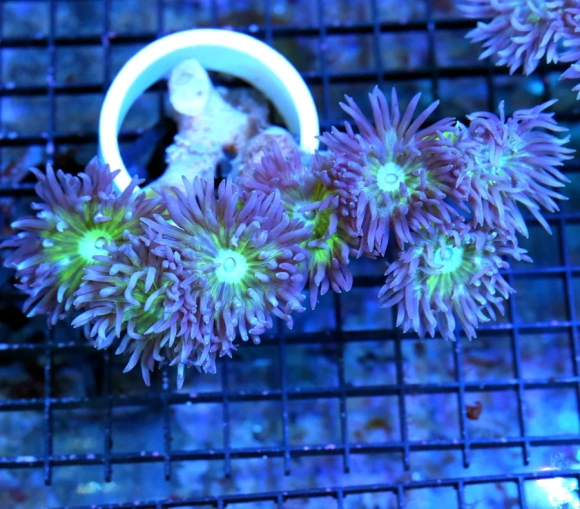
Duncansamnia, commonly known as the Duncan Coral or Whisker Coral, is a Large Polyp Stony (LPS) coral admired for its long, flowing tentacles and vibrant coloration. Native to Australian waters, the Duncan is prized for its easy care requirements, hardiness, and graceful movement, making it one of the most popular beginner-friendly LPS corals.
This coral displays bright green or purple centers surrounded by tan, brown, or iridescent tentacles that sway elegantly with the current. Its branching growth structure and moderate pace make it a perfect addition to both nano and large reef tanks.
Natural Habitat and Location in the Wild
Duncan corals are native to the Indo-Pacific, particularly the northern coasts of Australia and the Great Barrier Reef. They are found in shallow, nutrient-rich reef zones, growing on rocky ledges or sandy bottoms where they receive moderate lighting and gentle water flow.
Why Choose Duncan Coral for Your Reef Tank?
- Beginner-Friendly & Hardy – Tolerates a wide range of water parameters.
- Peaceful Temperament – Won’t sting nearby corals.
- Active Polyp Movement – Creates natural motion and aesthetic appeal.
- Easy to Propagate – Grows multiple heads that can be fragged easily.
Optimal Water Parameters
| Parameter | Ideal Range |
|---|---|
| Temperature | 76–80°F (24–27°C) |
| Salinity | 1.024–1.026 SG |
| pH | 8.1–8.4 |
| Alkalinity | 8–10 dKH |
| Calcium | 400–450 ppm |
| Magnesium | 1250–1350 ppm |
| Nitrate | 5–10 ppm |
| Phosphate | 0.03–0.07 ppm |
Regular water changes (10–15% weekly) help maintain stable conditions and promote steady polyp growth.
Tank Size and Setup
- Minimum Tank Size: 20 gallons or larger.
- Placement: Lower to middle levels of the aquarium.
- Substrate Considerations: Best mounted on stable rockwork or plugs; can be placed on the sandbed with caution.
Provide enough open space for the Duncan’s tentacles to expand fully without brushing against nearby corals.
Lighting Requirements
Duncan Corals thrive under moderate lighting, which brings out their vibrant coloration without causing stress.
- PAR Range: 100–150 PAR
- Lighting Type: LED, T5, or hybrid systems.
- Schedule: 8–10 hours of consistent light daily with gentle transitions to simulate sunrise and sunset.
Too much light can lead to bleaching, while too little will reduce polyp extension.
Water Flow and Circulation
- Moderate, indirect flow is ideal to keep polyps gently swaying and debris from settling.
- Avoid strong, direct currents that can cause tentacle damage.
- Randomized flow patterns mimic natural reef conditions and help with nutrient exchange.
Feeding and Nutrition
Duncan Corals are photosynthetic but benefit significantly from target feeding to encourage faster growth and richer coloration.
- Preferred Foods: Mysis shrimp, brine shrimp, reef roids, and finely minced seafood.
- Feeding Frequency: 2–3 times per week.
- Feeding Tip: Feed at night or when tentacles are extended for best results.
Regular feeding will encourage new polyp formation and enhance overall tissue health.
Tank Mates and Compatibility
- Safe Companions: Clownfish, gobies, blennies, shrimp, and snails.
- Avoid: Aggressive species such as butterflyfish, large angels, or nippy wrasses.
- Caution With: Other LPS corals with long sweeper tentacles (e.g., torch, hammer, or frogspawn) — maintain 3–4 inches of spacing.
Duncan corals are peaceful and won’t engage in chemical or physical warfare with neighboring corals.
Growth Rate and Propagation
- Growth Rate: Moderate to fast under stable conditions.
- Propagation: Duncans grow branching heads that can be easily fragged.
How to Frag Duncan Coral:
- Use a coral saw or bone cutter to separate a branch between polyps.
- Mount the frag on a plug or small rock using reef-safe glue.
- Place in moderate flow to allow healing and tissue recovery.
Common Diseases and How to Prevent Them
- Brown Jelly Disease: Bacterial infection often caused by tissue damage or unstable water; treat with iodine dips and improved flow.
- Tissue Recession: Usually a sign of nutrient deficiency or excessive flow.
- Algae Growth on Skeleton: Prevent by maintaining stable nutrients and gentle flow.
Handling and Acclimation
- Drip acclimation over 30–45 minutes is recommended to slowly adjust the coral to your system.
- Avoid touching the fleshy polyps directly. Handle only by the skeleton or base.
Maintenance and Cleaning
- Perform weekly water changes and maintain stable parameters.
- Use activated carbon or a protein skimmer to reduce organic buildup.
- Gently blow off debris from the coral using a turkey baster if needed.
Signs of Stress and How to Address Them
- Polyps not opening: Check lighting, flow, and water quality.
- Faded color: Reduce light intensity or supplement feeding.
- Slow growth: Increase feeding frequency and verify alkalinity and calcium levels.
🪸 Duncan Coral Troubleshooting Guide
❌ Duncan Coral Not Opening
Possible causes:
- Low or inconsistent flow
- Recent placement change (stress)
- Lighting shock
- Water parameter swing
Fix:
- Place in moderate, indirect flow
- Keep lighting stable (PAR ~80–150)
- Give it 3–7 days to adjust before moving again
❌ Tissue Recession (Skeleton Showing)
Possible causes:
- Low alkalinity or calcium
- Sudden parameter swings
- Poor water quality
Fix:
-
Maintain:
- Alkalinity: 8–9 dKH
- Calcium: 400–450 ppm
- Check for nitrate/phosphate bottoming out
- Increase stability (big one)
❌ Brown Jelly Infection (SERIOUS)
Signs:
- Brown slime
- Rapid tissue loss
- Spreading to nearby heads
Fix immediately:
- Remove affected head if possible
-
Dip coral in:
- iodine dip OR
- coral dip (ReVive, Coral RX)
- Increase flow around colony
👉 This can wipe out the whole colony fast
❌ Not Growing / Slow Growth
Possible causes:
- No feeding
- Low nutrients
- Low light
Fix:
-
Feed 2–3x per week:
- mysis
- reef roids
-
Keep nutrients:
- Nitrate: 5–15 ppm
- Phosphate: 0.03–0.1 ppm
- Stable moderate lighting
❌ Heads Not Splitting
Normal expectation:
- Duncans grow slow to moderate
To increase growth:
- Feed regularly
- Keep parameters stable
- Avoid moving the coral
❌ Shrinking or Staying Closed
Possible causes:
- Too much flow (very common)
- Aggression from nearby corals
- Parameter instability
Fix:
- Reduce direct flow
- Give 2–3 inches space from other corals
- Check alkalinity swings
- About the Author
Scott Shiles is the owner of ExtremeCorals.com, which he has operated for over 25 years and is recognized as one of the early dedicated live coral websites on the internet. A lifelong reef keeper since 1984, Scott has decades of hands-on experience maintaining marine aquariums and previously owned and operated a brick and mortar aquarium retail store for 10 years, including five years alongside Extreme Corals. He holds a degree in Marine Biology and has personally selected and sold hundreds of thousands of live corals. An avid scuba diver who has explored reef systems around the world, Scott shares practical coral care and husbandry knowledge based on real world reef experience.
overall rating:
my rating:
log in to rate
Please log in to leave a comment.
For more information visit: additional resources