My Cart: 0 item(s)

Extreme Corals News and Updates
Acanthophyllia vs Cynarina vs Indophyllia: Coral Identification, Care and Key Differences
.jpg "Our Guide to Acanthophyllia, Cynarina, and Indophyllia Corals: Identification, Care, and Comparison")
Learn how to identify Acanthophyllia, Cynarina, and Indophyllia corals, compare their care needs, and choose the right fleshy LPS coral for your reef tank.
Compare Acanthophyllia, Cynarina, and Indophyllia corals with care tips on identification, lighting, flow, feeding, placement, and reef tank compatibility.
by Scott Shiles • June 05, 2024
Acanthophyllia, Cynarina, and Indophyllia are three of the most eye-catching fleshy LPS corals in the reef hobby because they combine bold color, dramatic tissue expansion, and strong collector appeal. They are often grouped together because all three can serve as showpiece corals in a reef tank, but they still differ in appearance, growth form, and how hobbyists usually place and care for them. This guide explains how to identify Acanthophyllia, Cynarina, and Indophyllia corals, how their care compares, and which one may be the best fit for your aquarium.
For many reef keepers, these corals represent the high-end display side of LPS reefkeeping. They are the kinds of corals that can instantly become the centerpiece of a tank. At the same time, they are not corals to place casually. Fleshy LPS species usually need stable water conditions, thoughtful spacing, and careful observation if you want them to stay inflated, colorful, and healthy over the long term.
Looking to add a premium fleshy coral to your reef tank? Browse our LPS corals for sale and explore healthy corals for your aquarium.
Introduction to Acanthophyllia Coral
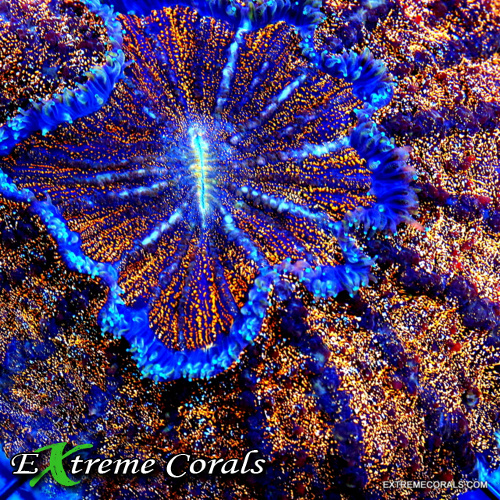
Acanthophyllia coral is known for its large fleshy body, impressive coloration, and strong visual impact in a reef tank. These corals are highly sought after by reef hobbyists who want a coral that looks substantial and dramatic even as a single specimen.
Acanthophyllia often stands out because of its bold patterns and bright color combinations. When healthy, it can become one of the most visually dominant corals in the aquarium, especially in lower open areas where its tissue can expand fully.
Characteristics of Acanthophyllia Coral
Acanthophyllia corals are usually identified by their large fleshy polyps and distinctive skeletal structure. They often display strong colors such as bright green, red, purple, blue, and multicolor combinations that make them especially desirable in collector-focused reef tanks.
- Large fleshy tissue
- Bold coloration and strong visual contrast
- Usually best treated as a premium showpiece coral
- Needs enough room to expand without irritation
Understanding Cynarina Coral
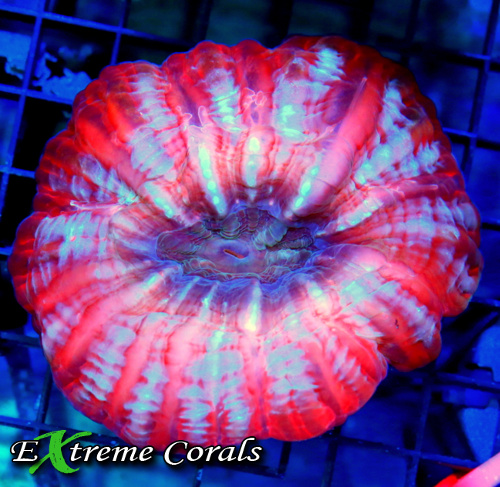
Cynarina coral is another fleshy LPS coral prized for its rounded appearance, inflated tissue, and bright coloration. It is often appreciated by hobbyists because it can be both beautiful and relatively adaptable compared with some rarer premium coral options.
Cynarina corals are often recognized for their puffy, almost swollen appearance when healthy. This full, inflated look is part of what makes them so attractive in reef aquariums.
Key Features of Cynarina Coral
Cynarina usually has a rounder overall shape with large fleshy tissue and visible tentacles around the mouth area. Many specimens show vivid shades of green, red, orange, and other bright tones.
- Rounded fleshy appearance
- Often colorful and highly visible in the tank
- Usually adaptable in stable reef systems
- Works well as a low-profile centerpiece coral
Exploring Indophyllia Coral
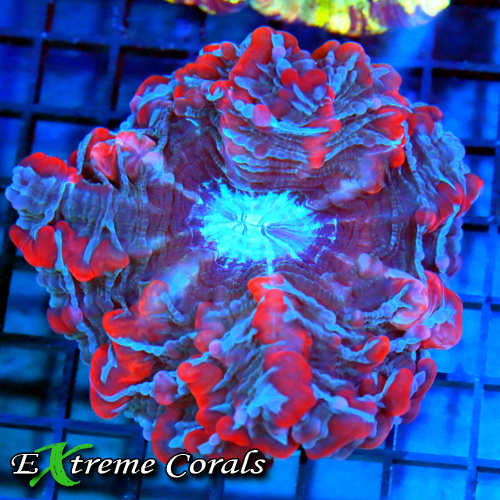
Indophyllia coral is known for its intricate surface detail, bold coloration, and rarity compared with more common fleshy LPS corals. It often has a premium collector feel and is usually chosen by hobbyists who want a coral that can instantly draw attention.
Its surface patterns and tissue form often give it a maze-like or sculpted appearance, which is part of what makes it so distinctive in a reef aquarium.
Noteworthy Traits of Indophyllia Coral
Indophyllia often shows shades of green, blue, purple, and red, with patterns that make it stand out even among other fleshy corals. It is commonly prized for both rarity and appearance.
- Intricate surface detail and strong patterning
- Often considered a collector coral
- Usually best in stable, well-maintained reef tanks
- Needs room and careful placement to avoid damage
Acanthophyllia vs Cynarina vs Indophyllia: The Main Differences
Although these corals are often grouped together as fleshy showpiece LPS corals, they still differ in ways that matter for both buying decisions and reef tank placement.
- Acanthophyllia: often recognized for strong fluorescent color, fleshy expansion, and a more dramatic display look
- Cynarina: often known for a rounder inflated body and a more uniform fleshy appearance
- Indophyllia: often identified by more intricate patterning and a rarer premium collector appeal
In simple terms, all three can be beautiful centerpiece corals, but they do not all create the same look in the tank. Acanthophyllia often looks bold and vibrant, Cynarina often looks inflated and rounded, and Indophyllia often looks highly textured and rare.
Lighting and Flow Comparison
These three corals usually do best in similar general conditions: stable water, moderate to moderately high lighting, and moderate flow that is strong enough to keep them clean without damaging fleshy tissue.
- Moderate to moderately high lighting is usually a practical starting point
- Moderate indirect flow is often ideal
- Avoid harsh direct blasting from powerheads
- Slow acclimation is safer than sudden exposure to stronger light
Because these are fleshy LPS corals, too much direct flow is one of the easiest ways to cause irritation. The coral should look comfortable and expanded, not flattened or whipped in one direction.
Feeding and Nutritional Needs
All three corals are primarily photosynthetic, but they can also benefit from occasional target feeding. Small meaty foods such as mysis shrimp or zooplankton-sized foods can help support fullness, coloration, and long-term health.
- Feed lightly with small meaty foods
- Target feeding can be helpful in stable tanks
- Avoid overfeeding because it can hurt water quality
- Watch for visible feeding response before increasing frequency
Feeding should support the coral, not overwhelm the aquarium. In most reef tanks, stable water quality matters more than aggressive feeding.
Placement Tips for All Three Corals
These corals usually do best in the lower to middle portions of the aquarium where they can receive moderate light and moderate flow without being crowded by aggressive neighbors.
- Use lower to middle tank placement as a starting point
- Place them on a stable surface
- Give enough room for tissue expansion
- Keep them away from aggressive or stinging corals
Because they are fleshy corals, sharp rock edges and tight spacing can cause more damage than many hobbyists expect. Extra room is almost always the safer choice.
Water Stability and Long-Term Care
Consistency is one of the biggest factors in success with Acanthophyllia, Cynarina, and Indophyllia. Like many fleshy LPS corals, they tend to respond poorly to sudden swings in water chemistry.
- Keep calcium stable
- Maintain consistent alkalinity
- Support healthy magnesium levels
- Monitor salinity, temperature, and pH regularly
Stable water parameters usually matter more than chasing ideal numbers aggressively. Most premium fleshy corals do better with consistency than with constant correction.
Common Challenges and How to Avoid Them
These corals can run into problems when they are shaded, crowded, placed near aggressive neighbors, or exposed to unstable water conditions.
- Give enough space to avoid shading and contact damage
- Manage nearby aggressive corals carefully
- Maintain stable water chemistry
- Use balanced lighting and moderate flow
- Observe them regularly for early signs of stress
Most problems are easier to solve early. A fleshy coral that begins to recede or deflate for too long is usually telling you something in the environment needs to change.
How to Choose the Right One for Your Reef Tank
Choosing between Acanthophyllia, Cynarina, and Indophyllia usually comes down to the look you want and the kind of system you are running.
- Choose Acanthophyllia if you want dramatic color and strong fleshy presence
- Choose Cynarina if you want a rounded, inflated showpiece with broad appeal
- Choose Indophyllia if you want a rarer collector coral with intricate patterning
All three can thrive in a stable reef tank, but the best choice is the one that fits both your visual preference and your ability to provide a calm, consistent environment.
Related Corals You May Also Like
If you are interested in Acanthophyllia, Cynarina, and Indophyllia, you may also want to explore other fleshy LPS corals and related reef tank guides:
- Browse LPS corals for sale
- Scolymia coral care guide
- Indophyllia coral care guide
- Fungia plate coral care guide
- LPS corals overview
Ready to add a premium fleshy coral to your aquarium? Browse our LPS corals for sale and explore healthy showpiece corals for your reef tank.
Shop Acanthophyllia, Cynarina and Indophyllia Corals
Explore our WYSIWYG LPS corals, new arrival corals, and featured corals to build a more colorful reef tank.
Final Thoughts
Acanthophyllia, Cynarina, and Indophyllia are all exceptional fleshy LPS corals, but each brings a slightly different look and collector appeal to a reef tank. Once you understand their differences in appearance, care, and placement, it becomes much easier to choose the right one for your aquarium and give it the conditions it needs to thrive.
Frequently Asked Questions
Q: What is the biggest difference between Acanthophyllia, Cynarina, and Indophyllia?
A: The biggest difference is usually appearance. Acanthophyllia tends to look bolder and more fluorescent, Cynarina more rounded and inflated, and Indophyllia more intricate and collector-oriented.
Q: Are these corals beginner friendly?
A: They are usually better in stable tanks. They are not the most difficult corals in the hobby, but they are best kept by hobbyists who can provide steady water conditions and careful placement.
Q: What lighting do these corals need?
A: Moderate to moderately high lighting is usually a practical starting point, with careful acclimation.
Q: Do these corals need feeding?
A: They can benefit from occasional target feeding. Small meaty foods often help support fullness and long-term condition.
Q: Where should they be placed in a reef tank?
A: Usually in the lower to middle portions of the tank with moderate flow and enough room to expand safely.
About the Author
Scott Shiles is the owner of ExtremeCorals.com, which he has operated for over 25 years and is recognized as one of the early dedicated live coral websites on the internet. A lifelong reef keeper since 1984, Scott has decades of hands-on experience maintaining marine aquariums and previously owned and operated a brick and mortar aquarium retail store for 10 years, including five years alongside Extreme Corals. He holds a degree in Marine Biology and has personally selected and sold hundreds of thousands of live corals. An avid scuba diver who has explored reef systems around the world, Scott shares practical coral care and husbandry knowledge based on real world reef experience.
overall rating:
my rating:
log in to rate
Please log in to leave a comment.
For more information visit: additional resources