My Cart: 0 item(s)

Extreme Corals News and Updates
Scolymia Coral in Reef Tanks: How to Keep It Healthy, Colorful and Well Fed
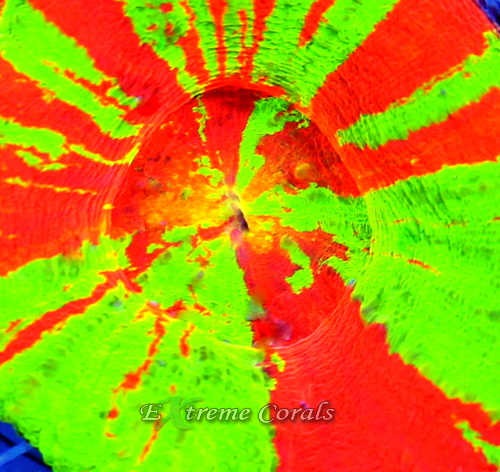
Learn how to care for Scolymia coral in a reef tank with the right lighting, flow, placement, feeding, and stable water conditions for long-term success.
Learn how to care for Scolymia coral in a reef tank with tips on lighting, flow, placement, feeding, water changes, and stress prevention for healthy long-term growth.
by Scott Shiles • February 27, 2023
Scolymia coral is one of the most striking LPS corals in the reef hobby because of its round fleshy shape, bold coloration, and high-end display appeal. Often called doughnut coral or disc coral, Scolymia is prized by reef keepers who want a coral that can stand out as a centerpiece without needing a large colony to make an impact. This guide explains how to care for Scolymia in a reef tank, including tank setup, lighting, flow, feeding, placement, water changes, and how to recognize early signs of stress.
For many hobbyists, Scolymia is a coral that immediately draws attention. It has a thick fleshy body, strong color contrast, and a solitary-polyp appearance that makes it look very different from branching or encrusting corals. While it is often considered manageable in a stable reef tank, it still requires thoughtful placement, clean water, and regular feeding support to truly thrive.
Looking to add a colorful showpiece coral to your reef tank? Browse our Scolymia corals and explore healthy corals for your aquarium.
What Is Scolymia Coral?
Scolymia is a fleshy large polyp stony coral known for its rounded disc-like form and intense coloration. Many specimens show bright rings, contrasting mouths, and dramatic patterns that make them especially popular in reef aquariums.
Because Scolymia is a solitary LPS coral with exposed fleshy tissue, it should be treated more like a premium display coral than a filler coral. Good placement and careful handling matter if you want it to maintain strong color and healthy tissue over time.
Why Scolymia Is So Popular
- It has a bold, round, fleshy appearance
- It often shows intense colors and striking patterns
- It works well as a centerpiece coral in mixed reefs
- It does not need to grow into a large colony to make visual impact
- It pairs well with other high-end LPS corals in display-focused tanks
Scolymia is especially appealing to reef keepers who want a coral that looks valuable and eye-catching even as a single specimen.
Tank Setup
Before introducing Scolymia to your aquarium, make sure the overall setup supports stable reef conditions. Scolymia generally does best in a mature tank with steady water chemistry and enough room for the coral to expand without being crowded.
- Stable reef water parameters are essential
- Moderate to moderately high lighting is usually a practical range
- Moderate flow often works best when it is indirect
- A stable placement area matters more than frequent moving
Although some older care advice may describe Scolymia as liking moderate to high flow, many reef keepers get the best results by avoiding direct pressure on the fleshy tissue. A stable, lower-stress setup usually produces better long-term appearance and feeding response.
If you want a broader overview of reef tank setup and coral needs, review our coral care guide.
Lighting
Scolymia usually does best under low to moderate or moderate lighting rather than harsh top-of-tank exposure. While it is photosynthetic and can benefit from stable light, too much intensity can stress the coral and reduce tissue fullness.
- Moderate lighting is often a strong starting point
- Many hobbyists start Scolymia lower in the tank
- Too much light can lead to bleaching or tissue stress
- Too little light may reduce long-term vigor
The best approach is usually to place the coral where it receives steady light without forcing it into an overly intense zone. If the coral stays full, colorful, and expanded, placement is usually working.
If you want to learn more about reef lighting, read our guide on how lighting affects coral growth.
Water Flow
Scolymia needs enough water movement to keep waste from collecting around it, but not so much that the fleshy tissue is pushed or irritated constantly. In most tanks, moderate indirect flow works better than a strong direct blast.
- Moderate indirect flow is usually ideal
- Avoid placing it directly in front of a powerhead
- Too much flow can damage or irritate tissue
- Too little flow can allow detritus buildup around the coral
The goal is gentle movement that helps keep the coral clean without collapsing or tearing its flesh.
If you want to learn more about circulation, read our guide on water flow and coral health.
Feeding
Scolymia is photosynthetic, but it also benefits from supplemental feeding. Regular feeding is often one of the biggest differences between a Scolymia that merely survives and one that stays thick, colorful, and healthy long term.
- Offer small meaty foods such as shrimp, fish, or mysis shrimp
- Feed once or twice a week as a practical starting point
- Target feed gently when feeding tentacles are responsive
- Avoid overfeeding because it can hurt water quality
Because Scolymia is a fleshy LPS coral, it often responds well to thoughtful target feeding. Small, controlled feedings are usually much better than large heavy meals.
Water Changes and Water Quality
Regular water changes help maintain water quality and reduce the buildup of nutrients and waste that can stress LPS corals. Scolymia generally does best in a tank with stable chemistry and predictable maintenance.
- 10% to 15% water changes every two weeks are a practical routine in many systems
- Stable salinity, pH, alkalinity, calcium, and magnesium all matter
- Clean water helps support color, tissue health, and feeding response
- Consistent maintenance is usually better than reactive correction
If you are working on water chemistry consistency, read our guide on pH and alkalinity in reef tanks.
Coral Placement
Scolymia can be aggressive toward nearby corals and also needs space to avoid being stung or physically irritated. Because it is fleshy and expands outward, giving it room is important from the start.
- Place it where it has open space around it
- Avoid placing it too close to aggressive neighbors
- Keep it away from sharp rock edges that may damage tissue
- Choose a spot where it will not need repeated moving
Placement is one of the easiest ways to protect Scolymia from unnecessary stress. A coral with enough room usually looks fuller and healthier over time.
Monitoring and Observation
Regular observation is one of the simplest but most effective parts of Scolymia care. These corals often show visible signs of stress before serious decline sets in, so daily observation can help you act early.
Watch for signs such as:
- Discoloration
- Tissue recession
- Poor inflation
- Weak feeding response
- Damage around the edges of the coral
If you notice any of these changes, review water quality, lighting, flow, and nearby coral aggression as quickly as possible.
Common Scolymia Problems
Tissue Recession
This is often linked to poor water quality, unstable parameters, rough handling, or aggression from nearby corals.
Bleaching
Too much light too quickly can stress Scolymia and wash out its color.
Weak Feeding Response
A coral that stops responding well to food may be stressed by chemistry, placement, or overall tank instability.
Mechanical Damage
Because Scolymia has exposed fleshy tissue, damage from rockwork, tools, strong flow, or rough movement is a real risk.
How to Tell If Scolymia Is Healthy
- It stays full and inflated
- Color remains strong
- It shows a feeding response
- There is no visible recession or torn tissue
- It remains stable and settled in its location
A healthy Scolymia usually looks thick, colorful, and calm in the tank. A coral that stays shrunken or damaged too long is usually telling you something is wrong with its environment.
Related Corals You May Also Like
If you are interested in Scolymia, you may also want to explore other fleshy LPS corals and related reef tank guides:
- Browse LPS corals for sale
- Blastomussa coral care guide
- Bubble coral care guide
- Euphyllia care requirements
- LPS corals overview
Ready to add a colorful showpiece coral to your reef tank? Browse our Scolymia corals and explore healthy LPS corals for your aquarium.
Shop Scolymia and LPS Corals
Explore our WYSIWYG LPS corals, Scolymia corals, and featured corals to build a more colorful reef tank.
Final Thoughts
Scolymia can be one of the most beautiful and rewarding LPS corals in a reef tank when lighting, flow, feeding, and water quality are all balanced correctly. With stable care, good spacing, and regular observation, it can become a long-term centerpiece that adds bold color and character to your aquarium.
Frequently Asked Questions
Q: Does Scolymia need strong light?
A: Not usually. Scolymia often does best under low to moderate or moderate lighting rather than harsh high-intensity exposure.
Q: Does Scolymia need feeding?
A: Yes, supplemental feeding can help. While it is photosynthetic, regular feeding with small meaty foods often supports better long-term health and coloration.
Q: What flow is best for Scolymia?
A: Moderate indirect flow is usually best because it keeps the coral clean without damaging its fleshy tissue.
Q: Why is my Scolymia shrinking?
A: Common causes include lighting stress, unstable water parameters, poor placement, nearby aggression, or weak feeding response.
Q: Is Scolymia aggressive?
A: It can be. Scolymia should be given space from neighboring corals to prevent irritation and coral warfare.
About the Author
Scott Shiles is the owner of ExtremeCorals.com, which he has operated for over 25 years and is recognized as one of the early dedicated live coral websites on the internet. A lifelong reef keeper since 1984, Scott has decades of hands-on experience maintaining marine aquariums and previously owned and operated a brick and mortar aquarium retail store for 10 years, including five years alongside Extreme Corals. He holds a degree in Marine Biology and has personally selected and sold hundreds of thousands of live corals. An avid scuba diver who has explored reef systems around the world, Scott shares practical coral care and husbandry knowledge based on real world reef experience.
overall rating:
my rating:
log in to rate
Please log in to leave a comment.
For more information visit: additional resources