My Cart: 0 item(s)

Extreme Corals News and Updates
Coral Frag Tank Setup Guide: Lighting, Flow, Equipment and Best Corals for Success
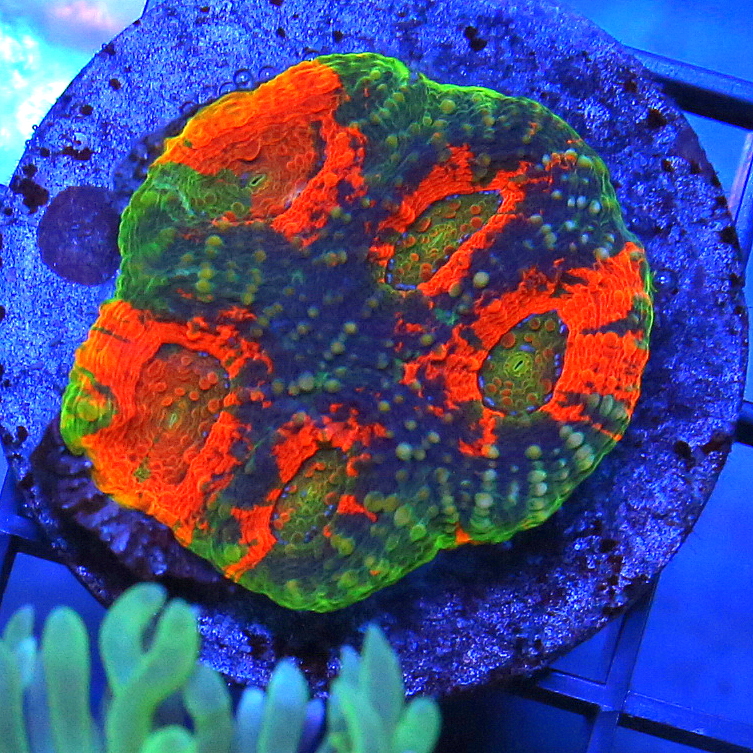
Discover how to set up and maintain a coral frag tank to grow and propagate coral fragments, promoting conservation and expanding your coral collection.
A coral frag tank is a specialized aquarium designed for growing and propagating coral fragments, promoting conservation and sustainability. These tanks offer a controlled environment, making them ideal for expanding coral collections and supporting reef ecosystems. Proper setup and maintenance, including appropriate lighting and water quality, are essential for successful coral growth.
by Scott Shiles • May 28, 2024
Reef Tank Maintenance, Reef Tank Equipment
A coral frag tank can be one of the most useful systems a reef keeper can set up for growing, propagating, and organizing corals outside the main display. A well-planned frag tank gives you better control over lighting, flow, water quality, and coral placement, making it easier to grow frags, manage colonies, and maintain a healthier reef system overall. This guide explains how to set up a coral frag tank, what equipment you need, which corals work best, and how to avoid the most common mistakes.
Frag tanks are popular for more than just propagation. They make it easier to observe coral health, isolate problem pieces, create grow-out space, and keep your main display from becoming overcrowded. A coral frag tank is a controlled environment for coral growth and propagation, especially for expanding a collection and supporting sustainability.
Looking to stock a frag system with healthy pieces? Browse our new arrival coral frags and explore colorful frags for your reef tank.
What Is a Coral Frag Tank?
A coral frag tank is a dedicated aquarium designed to hold and grow coral fragments, usually on plugs, discs, racks, or small pieces of rock. Frags are small sections taken from larger colonies and grown in a separate, controlled system until they mature into larger corals.
Unlike a display reef, a frag tank is usually built around practicality. It is designed for access, growth, easy observation, and stable conditions rather than decorative aquascaping. That makes it a great tool for reef keepers who want to grow corals more efficiently, organize extras, or propagate healthy colonies over time.
Why Start a Coral Frag Tank?
A frag tank offers several real advantages for reef keepers, whether you are growing a personal collection or planning to propagate corals more seriously.
- Grow-out space: Gives frags room to heal and mature
- Better control: Easier to manage light, flow, and placement
- Propagation: Helpful for expanding your own coral collection
- Conservation value: Supports aquaculture instead of wild collection
- Display relief: Keeps your main reef from becoming overcrowded
A frag tank is especially useful if you buy and sell corals, trim colonies regularly, or want a system where coral growth is the priority instead of visual aquascape balance.
Best Tank Size for a Coral Frag Tank
A typical frag tank size of 10 to 20 gallons can work well as a starting point, especially for smaller setups.
- 10-20 gallons: Good for small starter frag systems
- 20-40 gallons: Better for more rack space and stability
- Larger shallow systems: Great for serious grow-out and easier access
In practice, shallow tanks are often the most useful because they provide easier access to frags, better light spread, and more usable horizontal space. The best size depends on how many corals you plan to keep and whether the system is just for occasional grow-out or a major part of your reef setup.
Essential Coral Frag Tank Equipment
The core equipment for a coral frag tank includes the tank itself, lighting, filtration, heating, and good water movement.
Tank
A shallow tank with easy top access is usually the most practical choice. You want enough space to spread frags out without stacking them too closely.
Lighting
High-quality LED lighting is usually a strong choice for a frag tank because it can provide stable, controllable light for coral growth. Many frag tanks do well with around 8 to 10 hours of light per day, depending on the corals being grown.
For a frag tank, lighting should match the types of corals you plan to grow. Soft coral frags, LPS frags, and SPS frags may all need different intensity and placement strategies, so flexibility matters.
Filtration
A reliable filtration system such as a protein skimmer, canister filter, or other stable filtration approach helps keep the water clean and consistent. Live rock can also provide useful biological support.
In practical reefkeeping, frag tanks often benefit from:
- Biological filtration
- Mechanical filtration for clarity
- A skimmer in heavier stocked systems
- Clean, stable nutrient export
Heater
A reliable heater is essential for maintaining a stable temperature, ideally around 75-78°F in many coral frag systems.
Flow
A powerhead or wavemaker is important because water movement is crucial for coral health. A frag tank should have enough flow to keep detritus from settling, but not so much direct current that frags stay irritated or cannot settle properly.
Lighting and Flow in a Frag Tank
Lighting and water movement are two of the most important parts of coral growth in a frag system. Because a frag tank is built around performance instead of display, those two factors should be tuned for healing, growth, and cleanliness.
- Use even, reliable lighting across the grow-out area
- Match intensity to the corals you plan to keep
- Create broad movement rather than a harsh direct blast
- Keep dead spots and detritus traps to a minimum
If you want a deeper breakdown, learn more about coral lighting and read our reef flow guide.
Water Quality in a Coral Frag Tank
A frag tank works best when the environment stays predictable and clean. Regular testing of temperature, salinity, pH, alkalinity, ammonia, nitrite, and nitrate can help keep the system stable.
- Test regularly instead of guessing
- Keep temperature and salinity stable
- Do regular water changes
- Avoid overfeeding and nutrient spikes
- Watch frag health closely after new additions or cuts
Because frags are often smaller and more recently cut than established colonies, they can react quickly to poor water conditions. Stability is one of the biggest drivers of success in a frag system.
If you are working on chemistry consistency, read our reef tank water parameters guide.
Best Corals for a Frag Tank
Some corals are especially well suited for frag systems because they heal well, grow steadily, and adapt easily to propagation setups.
Soft Corals
Soft corals are often fast-growing and forgiving, which makes them excellent choices for starter frag tanks. They tend to heal well and can be easier to propagate than many stony corals.
LPS Corals
LPS frags can do very well in a frag system when flow, spacing, and stability are managed properly. Many are slower than soft corals but still excellent grow-out candidates.
Mushroom Corals
Mushroom corals are often hardy and great for beginners. They adapt well to many frag systems and can be a strong choice for hobbyists building out a lower-energy grow-out area.
In real use, the best frag tank corals are usually the ones that match your system’s lighting, nutrient level, and flow style. Not every frag tank needs to hold every coral type at once.
How to Start Growing Coral Frags Successfully
Successful propagation usually starts with a healthy mother colony, clean cutting, proper lighting and flow, and enough time for new frags to attach before being moved too much.
- Start with healthy, established coral stock
- Use clean cutting tools
- Place fresh frags in stable, appropriate flow
- Give new pieces time to heal and attach
- Do not rush freshly cut frags into stressful conditions
A frag tank becomes much more effective when it is treated like a healing and grow-out environment, not just a holding box for coral pieces.
Common Coral Frag Tank Problems
A few common problems can hurt growth and survival in a frag system if they are ignored for too long.
Algae Overgrowth
Too many nutrients, weak maintenance, or poor balance can lead to algae taking over plugs and racks.
Parameter Instability
Smaller systems can swing faster, especially in salinity and temperature.
Pests
Flatworms, red bugs, and predatory snails are all issues worth watching for, which is why quarantining new corals can be a very smart move.
Bleaching or Stress
Fresh frags and newly moved corals can bleach or retract if light, flow, or water conditions change too quickly.
How to Be Successful with a Coral Frag Tank
A successful frag tank is usually built on the basics: stable water parameters, regular testing, appropriate lighting, smooth flow, routine water changes, and close observation of coral health.
- Keep the system simple and stable
- Match lighting and flow to the corals you grow
- Do not overload the tank with too many fresh cuts at once
- Keep nutrient control and cleanliness consistent
- Treat coral observation as part of daily maintenance
A good frag tank does not need to be complicated. It needs to be stable, easy to manage, and designed around coral growth first.
Related Corals and Reef Tank Topics You May Also Like
If you are building a coral frag system, these related guides may also help:
- How to frag corals
- Reef tank equipment explained
- Choosing the right reef tank size
- Must-have reef tank tools and accessories
- Overview of coral types and care guidelines
Ready to stock your grow-out system? Browse our new arrival coral frags and explore healthy pieces for your frag tank.
Shop Coral Frags for Your Frag Tank
Explore our new arrival coral frags, LPS corals for sale, and mushroom corals for sale to find healthy additions for your frag system.
Frequently Asked Questions
Q: What size tank is best for a coral frag tank?
A: A common starter range is about 10 to 20 gallons, though larger shallow tanks can provide more usable grow-out space.
Q: What are the best corals for a beginner frag tank?
A: Soft corals and mushroom corals are often among the best beginner-friendly choices for a frag tank.
Q: Do I need special lighting for a frag tank?
A: A frag tank usually benefits from reliable coral-growth lighting, especially LEDs that can match the needs of the corals being grown.
Q: How do I keep water quality stable in a frag tank?
A: Regular testing, good filtration, routine water changes, stable temperature, and avoiding overfeeding all help keep a frag tank stable.
Q: Why quarantine new coral frags?
A: Quarantining new coral frags helps reduce the risk of introducing pests and disease into the frag system.
About the Author
Scott Shiles is the owner of ExtremeCorals.com, which he has operated for over 25 years and is recognized as one of the early dedicated live coral websites on the internet. A lifelong reef keeper since 1984, Scott has decades of hands-on experience maintaining marine aquariums and previously owned and operated a brick and mortar aquarium retail store for 10 years, including five years alongside Extreme Corals. He holds a degree in Marine Biology and has personally selected and sold hundreds of thousands of live corals. An avid scuba diver who has explored reef systems around the world, Scott shares practical coral care and husbandry knowledge based on real world reef experience.
overall rating:
my rating:
log in to rate
Please log in to leave a comment.
For more information visit: additional resources