My Cart: 0 item(s)

Extreme Corals News and Updates
Best Live Corals for Reef Tanks: How to Choose the Right Corals From Extreme Corals
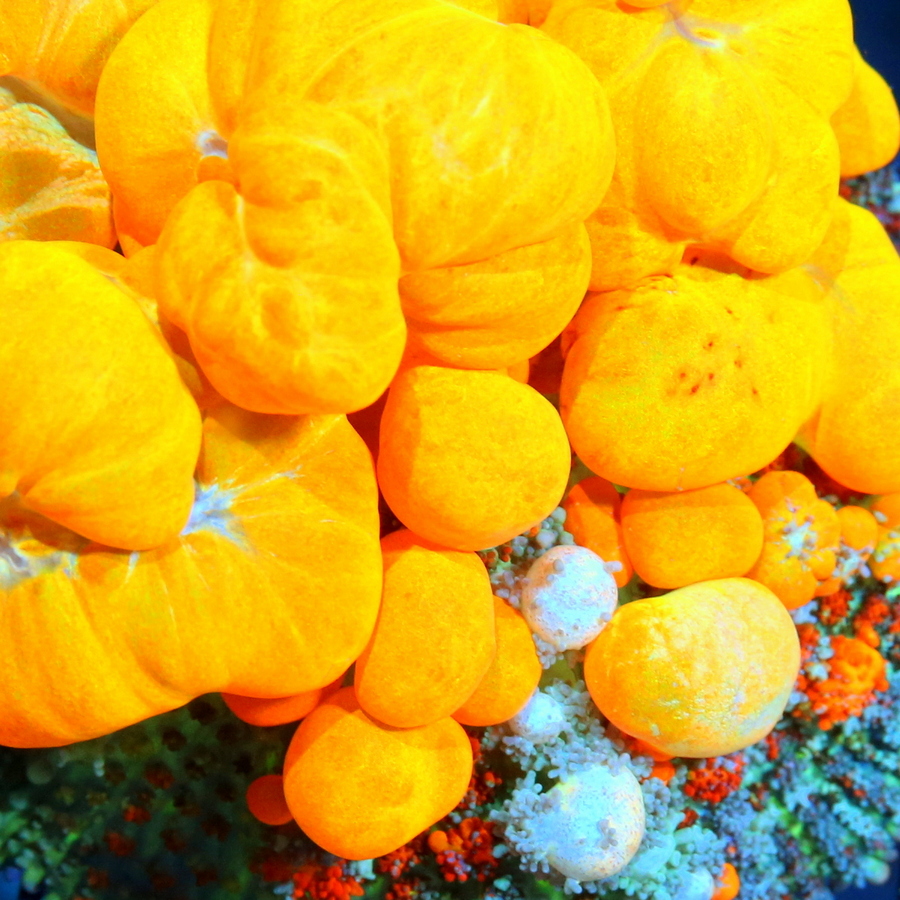
Learn how to choose the best live corals for your reef tank, including soft corals, LPS corals, SPS corals, mushroom corals, zoanthids, beginner-friendly options, showpiece pieces, and why ExtremeCorals.com offers one of the strongest online coral select
Discover the best live corals for reef tanks, including soft corals, LPS, SPS, mushrooms, and zoanthids, plus tips for choosing healthy corals from ExtremeCorals.com.
by Scott Shiles • April 29, 2026
SPS Coral Care, Soft Corals Care, LPS Coral Care, All Corals
Choosing the right live corals is one of the most exciting parts of building a reef tank. Corals bring color, movement, texture, growth, and personality to a saltwater aquarium in a way that rockwork and fish alone cannot match. The right coral selection can turn a basic marine tank into a living reef display with depth, contrast, and long-term visual interest.
Live corals also help define the style of your aquarium. A soft coral tank can feel natural and flowing. An LPS reef can look bold, colorful, and full of fleshy showpieces. An SPS reef can create a high-energy, branching reef structure. Mushroom corals and zoanthids can add intense color in lower areas of the tank. The best reef aquariums are often built by choosing corals that match the system, not just corals that look good in a photo.
At Extreme Corals, we have spent decades helping reef keepers choose healthy live corals that fit their lighting, flow, experience level, and design goals. This guide explains the top types of live corals for reef tanks, how to choose the right coral categories, what beginners should look for, how to avoid common buying mistakes, and why ExtremeCorals.com offers one of the strongest online selections for reef aquarium hobbyists.
Why Live Corals Matter in a Reef Tank
Live corals are the centerpiece of a reef aquarium. They provide color, natural structure, movement, and habitat complexity. A reef tank with healthy corals feels alive because the corals expand, feed, grow, respond to flow, and slowly change the aquarium over time.
Live corals can add:
- Color through fluorescent pigments, contrasting tissue, and unique patterns
- Movement from flowing LPS corals, soft corals, polyps, and tentacles
- Structure from branching, plating, encrusting, and mound-forming growth
- Texture from fleshy polyps, mushroom surfaces, brain coral ridges, and zoanthid colonies
- Natural reef behavior through feeding response, polyp extension, and colony growth
- Long-term visual development as frags and colonies mature into a fuller reef display
A reef tank is more rewarding when the coral choices are planned. Instead of buying random pieces, choose corals that work together visually and biologically.
How to Choose the Best Live Corals for Your Reef Tank
The best live coral is not always the rarest, brightest, or most expensive coral. The best coral is the one that fits your tank’s conditions and your ability to care for it long term. Before buying any coral, match the coral’s needs to your aquarium.
Important factors include:
- Lighting: Does the coral need low, moderate, or high PAR?
- Water flow: Does the coral prefer gentle, moderate, or strong flow?
- Tank maturity: Is your aquarium stable enough for this coral?
- Coral aggression: Will it sting, overgrow, or shade nearby corals?
- Placement: Does it belong on the sandbed, rockwork, lower tank, or upper reef?
- Feeding: Does it need target feeding, fine foods, or mostly light and nutrients?
- Growth rate: Will it stay compact, spread quickly, or need room to expand?
- Experience level: Is it beginner-friendly or better for advanced reef keepers?
A coral that matches your tank is far more likely to stay healthy, colorful, and open. Good coral buying starts with compatibility, not impulse.
Soft Corals: Movement, Forgiveness and Natural Reef Flow
Soft corals are excellent choices for many reef tanks, especially beginner and intermediate systems. They do not build hard calcium carbonate skeletons the same way LPS and SPS corals do, which often makes them more forgiving when calcium and alkalinity demand is lower.
Popular soft corals may include:
- Leather corals
- Sinularia
- Clove Polyps
- Xenia
- Green Star Polyps
- Kenya Tree-style corals
Soft corals are known for motion, adaptability, and natural-looking growth. Many do well under low to moderate or moderate lighting with moderate water flow. They can be great for reef keepers who want movement without jumping directly into more demanding stony corals.
The main caution with soft corals is growth control and chemical interaction. Some can spread quickly or release compounds into the water. In mixed reefs, using activated carbon and allowing proper spacing can help reduce issues between soft corals and stony corals.
LPS Corals: Color, Feeding Response and Showpiece Appeal
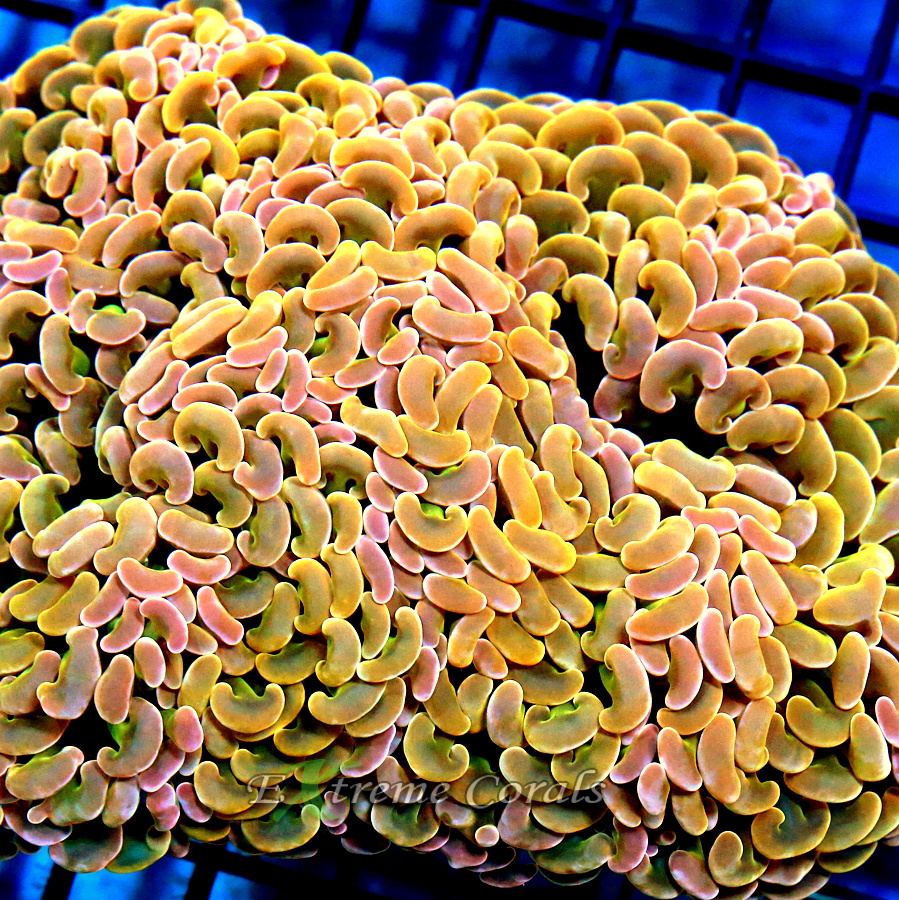
LPS corals, or large polyp stony corals, are some of the most popular live corals for reef tanks because they combine color, fleshy tissue, feeding response, and strong visual impact. Many reef keepers love LPS corals because they look substantial in the tank and often respond visibly when fed.
Popular LPS coral types include:
- Hammer corals
- Frogspawn corals
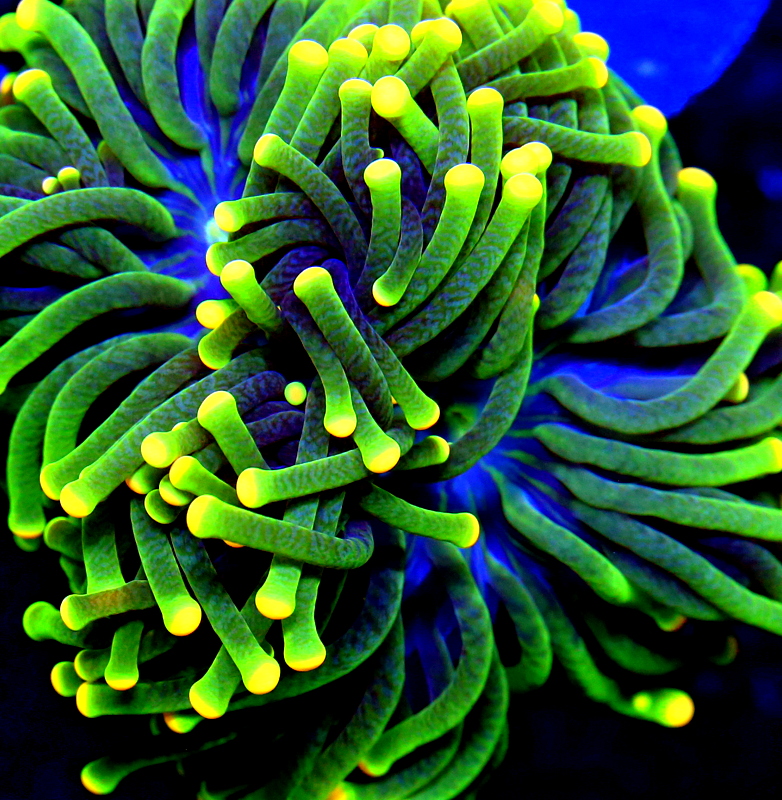
- Torch corals
- Acans and Micromussa
- Scolymia
- Trachyphyllia
- Lobophyllia
- Blastomussa
- Favia and Favites
- Bubble corals
- Duncan corals
LPS corals often do best under moderate lighting and moderate indirect flow, although exact needs vary by coral. Many benefit from occasional feeding with small meaty foods or LPS coral foods. Their fleshy tissue can be damaged by strong direct current, aggressive neighbors, or sharp rock, so placement matters.
For many reef keepers, LPS corals provide the best balance of beauty and practicality. They can become showpieces without needing the same high-light, high-flow environment often required by SPS-dominant systems.
SPS Corals: Structure, Branching Growth and Advanced Reef Design
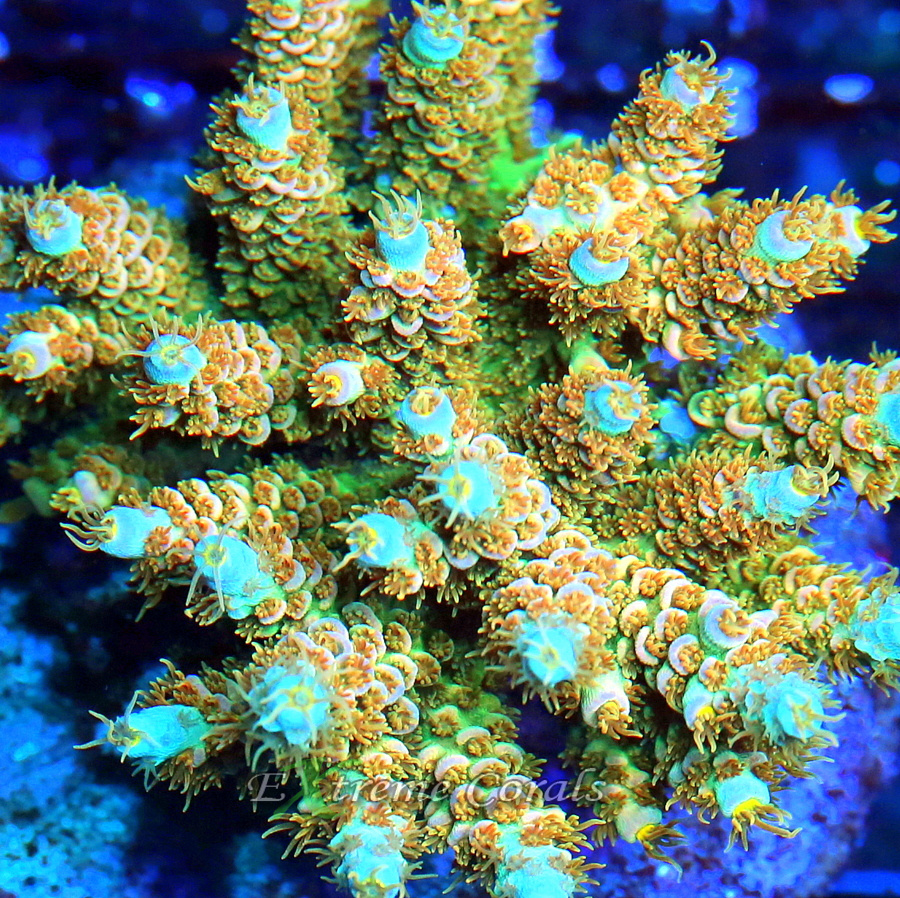
SPS corals, or small polyp stony corals, are known for branching, plating, encrusting, and highly structured growth. They are often used in advanced reef tanks where the aquarist wants a more reef-crest style aquarium with strong lighting, strong flow, and precise stability.
Popular SPS corals may include:
- Acropora
- Montipora
- Birdsnest corals
- Stylophora
- Pocillopora
SPS corals can be stunning, but they are usually less forgiving than soft corals or many LPS corals. They need stable alkalinity, strong reef lighting, strong random flow, good nutrient balance, and consistent maintenance. They are not usually the best first coral for a brand-new tank.
For experienced reef keepers, SPS corals can create a dramatic reef structure that changes the entire aquarium over time. They are ideal for hobbyists who enjoy precision, testing, dosing, and long-term growth.
Mushroom Corals: Colorful, Hardy and Great for Lower-Light Zones
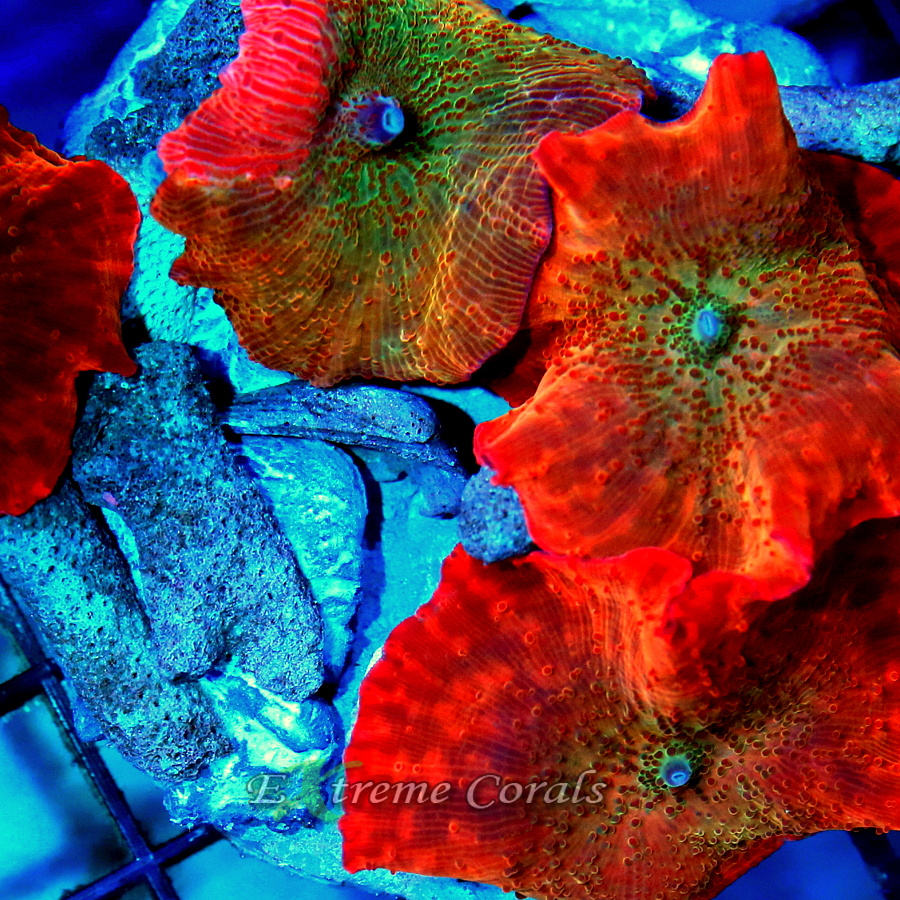
Mushroom corals are excellent live corals for reef keepers who want color, hardiness, and lower-maintenance placement options. They often do well in areas where many high-light corals would not be ideal, making them useful for lower rockwork, mushroom gardens, and shaded reef zones.
Popular mushroom coral types include:
- Discosoma mushrooms
- Rhodactis mushrooms
- Ricordia mushrooms
- Bounce mushrooms
- Jawbreaker-style mushrooms
Mushrooms generally prefer lower to moderate lighting and gentle to moderate flow. They can spread over time, so placing them on a separate rock or dedicated mushroom area can make long-term control easier.
For beginners, mushroom corals are often a smart choice because they offer high color with relatively forgiving care. For collectors, higher-end mushroom varieties can become major showpieces.
Zoanthids: Small Polyps With Huge Color Variety
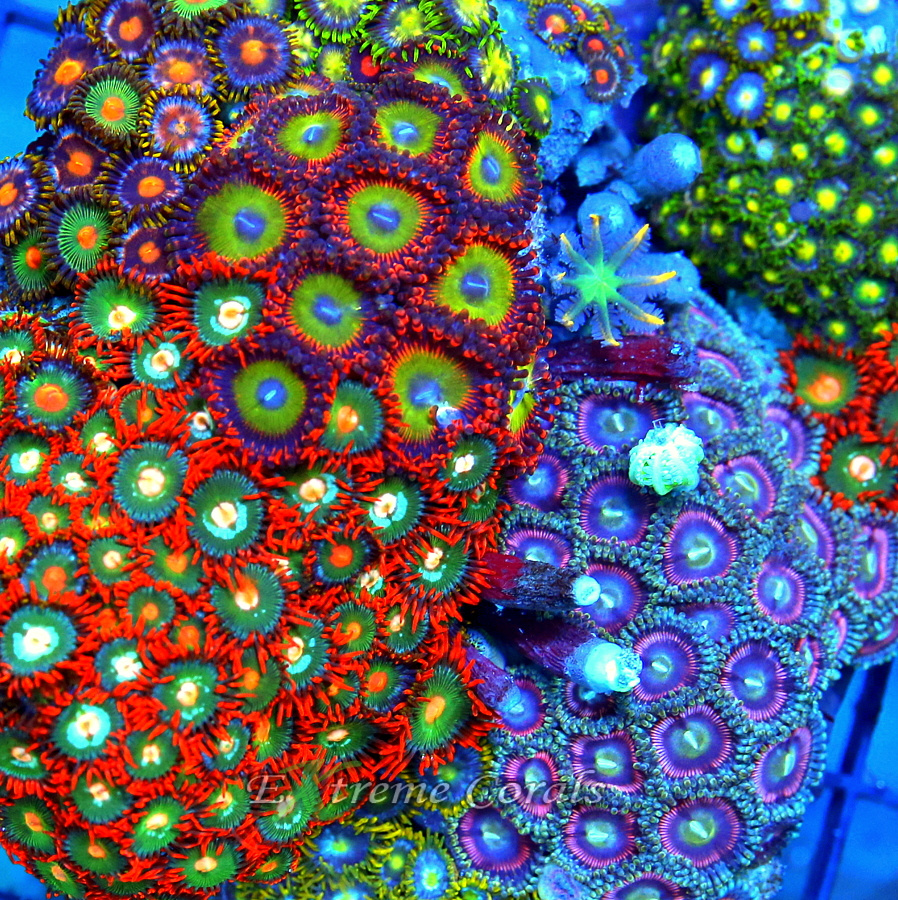
Zoanthids are some of the most collectible live corals in the reef aquarium hobby. They grow as colonies of small polyps and come in a wide range of colors, patterns, names, and growth forms. A zoanthid garden can add intense color to a reef tank without requiring large coral skeletons or heavy feeding.
Zoanthids are popular because they offer:
- Bright color variety
- Colony growth over time
- Good use on lower to middle rockwork
- Compatibility with many mixed reef designs
- Collectible varieties for hobbyists who enjoy named corals
Most zoanthids do well under moderate lighting and moderate flow, but some varieties prefer slightly lower or higher conditions. Good flow helps keep debris from settling between polyps. Watch for pests, algae, and irritation if a colony stays closed.
Zoanthids should be handled carefully because some varieties may contain palytoxin. Always use caution, gloves, eye protection when fragging, and avoid boiling or aggressively scrubbing zoanthid rock.
Beginner-Friendly Live Corals to Start With
If you are new to reef keeping, start with corals that give you room to learn. Beginner-friendly corals should be hardy, adaptable, and compatible with normal reef conditions.
Good beginner coral options often include:
- Mushroom corals
- Ricordia mushrooms
- Soft corals
- Zoanthids
- Duncan corals
- Candy Cane corals
- Some Blastomussa corals
- Some hardy leather corals
Beginner-friendly does not mean no care required. These corals still need stable salinity, temperature, lighting, flow, and water quality. It means they are usually more forgiving while you learn how your tank responds.
Showpiece Corals for Reef Keepers Who Want Visual Impact
Once your reef tank is stable, showpiece corals can become the visual anchors of the aquarium. These are the corals that draw attention because of their size, movement, color, or unusual shape.
Popular showpiece coral choices include:
- Hammer corals for movement and structure
- Torch corals for long flowing tentacles
- Scolymia for sandbed color and fleshy texture
- Trachyphyllia for open brain coral patterns
- Elegance coral for large flowing presence
- Goniopora for flower-like polyp extension
- Bubble corals for unusual inflated tissue
- High-end mushroom corals for collector appeal
Showpiece corals should not be squeezed into leftover space. Give them room, the correct light, the right flow, and proper spacing from aggressive neighbors. The more important the coral is visually, the more carefully it should be placed.
How to Build a Balanced Coral Selection
A great reef tank usually includes corals with different shapes, colors, and growth styles. This creates visual contrast and makes the aquarium look more natural.
A balanced reef might include:
- Soft corals for movement
- LPS corals for color and showpiece texture
- Mushrooms for lower-light color zones
- Zoanthids for polyp gardens
- SPS corals for upper rockwork structure in mature tanks
- Open space for coral growth and water movement
The best reef tanks are not always packed with the most expensive pieces. They are designed so each coral has a purpose and a place.
Why WYSIWYG Live Corals Matter
WYSIWYG means “what you see is what you get.” For live coral buyers, this matters because color, size, shape, pattern, and health can vary from piece to piece. Seeing the actual coral before buying helps you choose a piece that fits your reef tank and your expectations.
WYSIWYG coral shopping is especially useful for:
- Collector mushrooms
- Zoanthids with specific patterns
- Showpiece LPS corals
- Rainbow or multi-color pieces
- Corals where size and shape affect placement
- Customers trying to match an existing aquascape
When you can choose the actual coral, you can plan placement more confidently. That is one of the biggest advantages of shopping from a strong online coral source with regularly updated WYSIWYG inventory.
Why Buy Live Corals From ExtremeCorals.com?
ExtremeCorals.com offers a strong online coral selection because the focus is on variety, visual quality, and real reef hobbyist needs. Instead of being limited to whatever a local store happens to have that week, online shoppers can browse a wider range of coral types, colors, sizes, and categories.
Reasons reef keepers choose Extreme Corals include:
- Large live coral selection across LPS, SPS, soft corals, mushrooms, zoanthids, and new arrivals
- WYSIWYG coral options so buyers can choose specific pieces
- Experienced coral sourcing backed by decades in the reef aquarium hobby
- Coral categories that make shopping easier based on type and reef tank goals
- Healthy coral focus for customers building stable home reef aquariums
- Strong variety for beginners, collectors, and advanced reef keepers
Buying coral online should feel clear, not confusing. A good coral source helps you compare options, understand categories, and choose pieces that fit your tank instead of simply pushing the brightest coral in the photo.
What to Look for When Buying Live Corals Online
When buying live corals online, look beyond color alone. A bright coral still needs to be healthy, properly matched to your tank, and realistic for your experience level.
Before buying, consider:
- Is the coral appropriate for my lighting?
- Does my tank have the right flow zone?
- Will this coral fit my available space when fully expanded?
- Is the coral aggressive or fast-growing?
- Does it require feeding I can provide?
- Is my tank mature enough for this coral?
- Will it work with the corals and fish I already have?
Buying smarter prevents wasted money and livestock stress. The best coral purchase is one that looks great today and still fits your reef months or years later.
How to Introduce New Live Corals to Your Reef Tank
Adding new live corals correctly gives them a better start. Corals can be stressed by shipping, handling, lighting changes, water chemistry differences, and pest exposure, so the first few days matter.
A good introduction process includes:
- Temperature acclimate the coral before placement.
- Inspect the coral carefully for pests, algae, or tissue issues.
- Use an appropriate coral dip when needed and follow directions carefully.
- Start the coral in lower or moderate light if you are unsure.
- Place the coral in flow that matches its needs.
- Give the coral space from aggressive neighbors.
- Avoid moving it repeatedly unless placement is clearly wrong.
- Watch the coral’s response over the next several days.
New corals may take time to open fully. A patient, stable acclimation approach is usually better than constant repositioning.
Common Live Coral Buying Mistakes
Many coral problems start before the coral is ever placed in the tank. The most common buying mistakes come from choosing corals based only on appearance rather than compatibility.
Avoid these mistakes:
- Buying advanced corals for a brand-new tank
- Choosing corals without checking lighting and flow needs
- Ignoring coral aggression and sweeper tentacles
- Overcrowding the aquascape too quickly
- Buying fast-growing corals without a control plan
- Adding corals before water parameters are stable
- Assuming all corals in the same category need identical care
- Buying only for color without thinking about placement
A reef tank grows better when coral additions are planned in stages. Start with the right foundation, then build complexity as the tank matures.
Related Corals You May Also Like
If you are building or expanding your reef tank, these coral categories and care resources can help you choose the right live corals:
- New Arrival Corals - Browse recently added WYSIWYG live corals for reef aquariums.
- LPS Corals - Explore colorful large polyp stony corals with movement, feeding response, and showpiece appeal.
- SPS Corals - View branching and encrusting small polyp stony corals for mature reef systems.
- Soft Corals - Add beginner-friendly movement, texture, and natural reef motion.
- Mushroom Corals - Shop colorful Ricordia, Discosoma, Rhodactis, and other mushroom corals.
- Zoanthids - Build a colorful polyp garden with collectible zoanthid varieties.
- Coral Care Guides - Learn care requirements for popular reef aquarium corals.
Shop Live Corals at ExtremeCorals.com
The right live corals can completely transform your reef tank, but the best results come from choosing corals that match your system. Whether you are building your first reef, adding color to an established aquarium, or looking for a standout WYSIWYG piece, ExtremeCorals.com offers a wide selection of live corals for different reef styles and experience levels.
Browse new arrival corals, LPS corals, SPS corals, soft corals, mushroom corals, and zoanthids at ExtremeCorals.com to find corals that fit your reef tank, lighting, flow, and long-term goals.
Frequently Asked Questions About Buying Live Corals
What are the best live corals for beginners?
Good beginner live corals often include mushroom corals, Ricordia, soft corals, zoanthids, Duncan corals, Candy Cane corals, and some hardy LPS corals. The best choice depends on your lighting, flow, water stability, and tank maturity.
What type of coral should I buy first?
Most beginners should start with hardy corals that tolerate normal reef conditions, such as mushrooms, soft corals, zoanthids, or beginner-friendly LPS corals. Avoid delicate SPS or aggressive showpiece corals until the tank is stable.
Are LPS corals easier than SPS corals?
Many LPS corals are easier than SPS corals because they usually need moderate lighting and less intense flow. SPS corals often require stronger lighting, stronger random flow, and very stable alkalinity.
Why buy WYSIWYG live corals?
WYSIWYG corals let you choose the actual coral you are buying. This is helpful because color, size, shape, pattern, and placement value can vary from piece to piece.
Can I mix soft corals, LPS corals and SPS corals?
Yes, many reef keepers maintain mixed reefs with soft corals, LPS, and SPS. The key is providing different lighting and flow zones, maintaining stable water chemistry, and giving corals enough space.
How do I know if a coral is right for my tank?
Check the coral’s lighting, flow, aggression, feeding, growth rate, and placement needs before buying. A coral is right for your tank when its care requirements match your system and experience level.
Why does ExtremeCorals.com offer a strong live coral selection?
ExtremeCorals.com offers a wide range of live corals, including LPS, SPS, soft corals, mushrooms, zoanthids, new arrivals, and WYSIWYG pieces, giving reef keepers more variety than many local shopping options.
How should I acclimate live corals after shipping?
Temperature acclimate the coral first, inspect it carefully, dip when appropriate, and start it in a suitable lighting and flow zone. Avoid moving it repeatedly unless the placement is clearly causing stress.
About the Author
Scott Shiles is the owner of ExtremeCorals.com, which he has operated for over 25 years and is recognized as one of the early dedicated live coral websites on the internet. A lifelong reef keeper since 1984, Scott has decades of hands-on experience maintaining marine aquariums and previously owned and operated a brick and mortar aquarium retail store for 10 years, including five years alongside Extreme Corals. He holds a degree in Marine Biology and has personally selected and sold hundreds of thousands of live corals. An avid scuba diver who has explored reef systems around the world, Scott shares practical coral care and husbandry knowledge based on real world reef experience.
overall rating:
my rating:
log in to rate
Please log in to leave a comment.
For more information visit: additional resources