My Cart: 0 item(s)

Extreme Corals News and Updates
How to Dip New Corals Before Adding Them to Your Reef Tank: A Practical Pest Prevention Guide
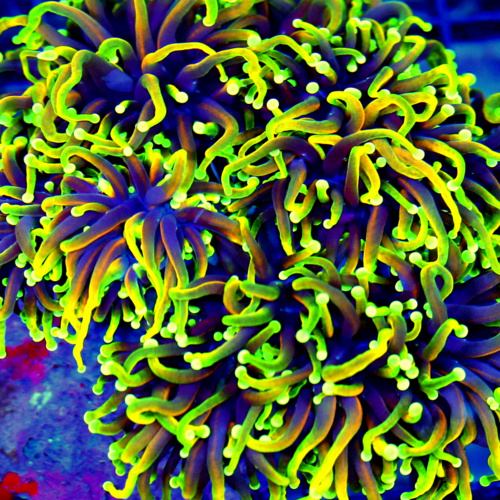
Learn how to dip new corals safely before adding them to your reef tank, including why coral dipping matters, what pests to watch for, step-by-step technique, common mistakes, and how to protect long-term coral health.
Learn how to dip new corals before adding them to your reef tank. This practical guide covers coral pests, dip technique, quarantine tips, common mistakes, and safer coral acclimation.
by Scott Shiles • April 29, 2026
Reef Tank Maintenance, Reef Tank Equipment, All Corals
Dipping new corals before they enter your reef tank is one of the most important habits a reef keeper can develop because it helps reduce pest introductions, protects existing livestock, and gives every new coral a cleaner start. Many reef tank problems begin long before the coral is placed in the display. Flatworms, nudibranchs, vermetid hitchhikers, algae, bacterial irritation, and other unwanted pests often arrive quietly on frag plugs, rock rubble, or coral tissue. In our experience, one of the most common and expensive mistakes hobbyists make is assuming a healthy-looking coral is automatically a clean coral. A coral can have strong color, good tissue, and still carry something you do not want in your system. This guide explains how to dip new corals before adding them to your reef tank, why the process matters, what dipping can and cannot do, and how to build a safer coral introduction routine that supports long-term reef health.
A common mistake hobbyists make is treating coral dipping like an optional extra step instead of part of standard coral husbandry. Experienced reef keepers know the opposite is usually true. A simple dip routine can prevent weeks or months of frustration later, especially in mixed reefs filled with valuable LPS, SPS, zoanthids, and mushroom corals.
If you are looking for healthy, fully conditioned corals for your reef tank, browse our WYSIWYG new arrivals to compare fully conditioned, ready-to-ship specimens.
Why Coral Dipping Matters So Much
Coral dipping helps reduce the chance that pests, parasites, nuisance algae, or irritants enter the display tank attached to a new coral. Even corals from good sources can carry unwanted hitchhikers, because reef systems are living environments and not every issue is visible immediately.
Coral dips are used to:
- Knock off mobile pests before the coral enters the tank
- Reduce the risk of spreading coral-specific hitchhikers
- Inspect the coral more closely before placement
- Start the coral with cleaner tissue and cleaner hardware
- Support a better quarantine or observation process
We’ve found that hobbyists who dip consistently usually avoid some of the most frustrating reef problems. A pattern we often see is that the reef keeper who skips dipping for just one “clean-looking” coral is often the same reefer dealing with avoidable pests later.
What Coral Dips Can and Cannot Do
Coral dipping is useful, but it is not magic. It helps remove or weaken many common mobile pests, yet it does not solve everything.
What coral dips often help with:
- Many mobile hitchhikers on coral surfaces
- Certain nudibranchs, flatworms, and small pests
- Reducing visible irritation before introduction
- Giving you a chance to inspect plugs, bases, and tissue
What coral dips do not guarantee:
- Elimination of every pest egg
- Instant treatment for all bacterial or tissue problems
- Protection against every future coral issue
- A substitute for quarantine and observation
In our experience, this is where many beginners misunderstand the process. A common mistake hobbyists make is assuming that one dip makes a coral “safe.” Dipping is extremely useful, but the strongest protection comes from dipping plus close inspection plus a quarantine or observation process when possible.
Common Coral Pests Reef Keepers Try to Avoid
The exact pests vary depending on coral type, but there are several common concerns reef hobbyists try to avoid when dipping and inspecting new arrivals.
- Flatworms that can irritate tissue or spread through the system
- Nudibranchs that target specific coral types such as zoanthids
- Small crabs or hitchhikers hiding in plugs or rubble
- Algae and nuisance growth attached to bases or frag plugs
- Vermetid snails or nuisance tube organisms on hard surfaces
- General detritus and biofilm that you do not want introduced
Different coral groups present different risks. In our experience, zoanthids, SPS frags, encrusting corals, and plug-mounted pieces often deserve especially close inspection because pests and eggs can hide around the base, rim, or plug surface rather than the obvious face of the coral.
What You Need Before Dipping New Corals
A safe coral dipping routine does not need to be complicated, but it does need to be organized. Before opening the coral or starting the process, gather everything first.
- Clean container or dipping cup
- Tank water or matching saltwater for the dip bath
- Coral dip solution used exactly as directed
- Turkey baster or pipette to gently move water across the coral
- Gloves and eye protection for safer handling
- Separate rinse container with clean saltwater
- Tweezers or frag tools for inspection and cleanup if needed
- Optional magnification or inspection light for close pest checks
In our experience, a calm setup helps prevent rushed mistakes. A common mistake hobbyists make is improvising midway through the dip and accidentally leaving the coral in solution too long, skipping the rinse, or dropping tissue against a hard surface.
Step-by-Step: How to Dip New Corals Safely
This is the practical coral dipping routine many reef keepers can use as a starting point. Always follow the dip manufacturer’s instructions for concentration and time.
- Prepare the dip container using tank water or matching saltwater.
- Add the coral dip solution exactly according to directions.
- Place the coral into the dip gently without scraping the tissue.
- Use a turkey baster or pipette to gently move dip water around the coral and help dislodge pests.
- Inspect the coral during the dip for visible pests, eggs, algae, or damaged areas.
- Move the coral into a rinse container with clean saltwater after the timed dip is complete.
- Inspect again after rinsing, including the plug, underside, and edges.
- Place the coral into quarantine or the display tank only after the process is complete.
We’ve found that gentle basting during the dip often reveals more than hobbyists expect. A common mistake hobbyists make is just soaking the coral passively without helping dislodge hidden pests.
Why a Rinse Step Matters
Rinsing the coral after the dip is one of the simplest steps and one of the most important. It helps prevent carryover of dip solution into your tank and gives you one more chance to inspect the coral after pests or debris have loosened.
In our experience, the rinse step is where hobbyists often notice things they missed at first glance. Small pests, debris, or detached irritants may become much more obvious once the coral is moved into clean water.
Should You Remove the Frag Plug?
In many cases, removing or trimming the original frag plug can reduce risk even further. A surprising amount of nuisance growth, vermetids, algae, and hidden eggs may be attached to the plug rather than the coral tissue itself.
Removing the plug is not always necessary, but it is worth considering when:
- The plug has nuisance algae
- The plug has unwanted hitchhikers
- The coral is cleanly removable from the base
- You want a cleaner long-term mount in the display
A common mistake hobbyists make is dipping the coral carefully and then introducing the original dirty plug without much thought. In our experience, the plug often deserves as much suspicion as the coral.
Why Quarantine Is Even Better Than Dipping Alone
Dipping is good. Dipping plus quarantine is better. A quarantine or observation system gives you time to monitor the coral for pests, tissue issues, or delayed problems before it enters the display tank.
Quarantine is especially valuable for:
- Higher-end coral purchases
- SPS frags
- Zoanthids and palythoas
- Corals from systems with unknown history
- Mixed reefs where pest introduction would be costly
In our experience, reef keepers with valuable displays or dense mixed reefs benefit enormously from a quarantine habit. A common mistake hobbyists make is thinking quarantine is only for fish. Coral quarantine can be just as important for protecting a mature reef.
Common Coral Dipping Mistakes to Avoid
Most coral dipping problems come from rushing, guessing, or overdoing the process.
- Using the wrong concentration of dip solution
- Leaving the coral in too long
- Skipping the rinse container
- Not inspecting the plug and underside
- Handling fleshy tissue too roughly
- Assuming one dip solves every problem
- Dipping already stressed corals too aggressively
We’ve found that the best coral dipping process is controlled and calm. A common mistake hobbyists make is treating all coral types exactly the same even though fleshy LPS, mushrooms, zoanthids, and delicate SPS can all react differently to handling.
How to Handle Different Coral Types More Carefully
Not every coral should be handled the same way during the dip process.
- Fleshy LPS corals need gentle handling because tissue can tear or bruise
- SPS frags need close inspection around the base and encrusted areas
- Zoanthids and palythoas require extra care and safety due to toxin concerns
- Mushroom corals should not be squeezed or forced against hard surfaces
In our experience, the biggest difference between a good dip routine and a bad one is whether the reefer adjusts their handling for the coral in front of them instead of using one careless routine for everything.
How to Tell If a Coral Is Too Stressed for Aggressive Handling
Some newly arrived corals are already stressed from shipping, temperature changes, or physical movement. If a coral arrives damaged, receding, or badly irritated, a harsh process can make things worse.
Watch for:
- Loose or peeling tissue
- Severe recession
- Heavy slime production
- Fresh cuts or handling damage
- Obvious collapse after shipping
In many reef tanks, the right answer is still to dip carefully, but with gentler handling and closer observation afterward. We’ve found that the hobbyists who do best are the ones who know the difference between being thorough and being rough.
What to Do After the Dip
Once the coral is dipped and rinsed, placement matters just as much as the dip itself. A stressed coral should not go immediately into harsh flow or intense light without thought.
After the dip:
- Place the coral conservatively at first if needed
- Watch for normal expansion and tissue response
- Inspect again over the next several days
- Keep notes if you are observing in quarantine
- Do not assume the process is finished after the first day
We’ve found that a coral introduction routine is strongest when the reefer continues observing after placement instead of assuming the dip was the end of the story.
How This Helps Your Long-Term Reef Health
A strong coral dipping habit does more than protect one new purchase. It protects the entire reef. In many systems, one pest introduction can affect dozens of corals, create major frustration, and force repeated treatment decisions later.
Some sellers focus on volume or trends. Experienced coral vendors focus on long-term coral health and consistency. That same mindset should carry into the way new corals are introduced into your tank.
ExtremeCorals.com has been selecting and shipping live corals for over 25 years, with hundreds of thousands of corals handled and delivered to reef hobbyists. In our experience, one of the biggest differences between smooth-running reefs and constantly frustrated reefs is how seriously the owner treats coral introduction from the very beginning.
Related Corals You May Also Like
If you are interested in safer coral introduction and long-term reef success, you may also want to explore these coral groups and related reef tank guides:
- Browse new arrival corals
- Browse featured WYSIWYG corals
- Coral acclimation guide
- How to buy healthy corals online
- Reef tank maintenance guide
Ready to choose healthy corals for your reef tank? Browse our new arrival corals and explore healthy additions for your aquarium.
Shop WYSIWYG Corals and New Arrivals
Explore our WYSIWYG new arrival corals, featured corals, soft corals, and LPS corals to build a stronger reef tank.
Final Thoughts
Dipping new corals is one of the simplest and smartest ways to protect a reef tank from avoidable pests and nuisance introductions. It is not a perfect shield, but it is one of the best habits a reef keeper can build early and follow consistently.
In our experience, reef tanks stay healthier long term when coral introduction is treated as part of coral care rather than an afterthought. A careful dip, a clean rinse, a thoughtful inspection, and a stable placement routine can save a tremendous amount of trouble later.
Frequently Asked Questions
Q: Do I really need to dip every new coral?
A: In most reef tanks, yes. Dipping every new coral is one of the best ways to reduce the risk of introducing pests, hitchhikers, and unwanted nuisance growth.
Q: Does coral dipping kill eggs too?
A: Not always. That is one reason dipping plus inspection and quarantine is stronger than dipping alone.
Q: Should I dip corals even from trusted sellers?
A: Yes. Even healthy, high-quality corals can carry hitchhikers or hidden pests.
Q: What is one of the biggest mistakes when dipping new corals?
A: Using the wrong dip concentration or leaving the coral in too long are two of the most common mistakes.
Q: Is dipping enough, or should I quarantine too?
A: Dipping is good, but quarantine or observation is even better when possible, especially for valuable or pest-prone corals.
About the Author
Scott Shiles is the owner of ExtremeCorals.com, which he has operated for over 25 years and is recognized as one of the early dedicated live coral websites on the internet. A lifelong reef keeper since 1984, Scott has decades of hands-on experience maintaining marine aquariums and previously owned and operated a brick and mortar aquarium retail store for 10 years, including five years alongside Extreme Corals. He holds a degree in Marine Biology and has personally selected and sold hundreds of thousands of live corals. An avid scuba diver who has explored reef systems around the world, Scott shares practical coral care and husbandry knowledge based on real world reef experience.
overall rating:
my rating:
log in to rate
Please log in to leave a comment.
For more information visit: additional resources