My Cart: 0 item(s)

Extreme Corals News and Updates
How to Choose the Best Reef Tank Size: Nano, Small and Large Aquarium Pros and Cons
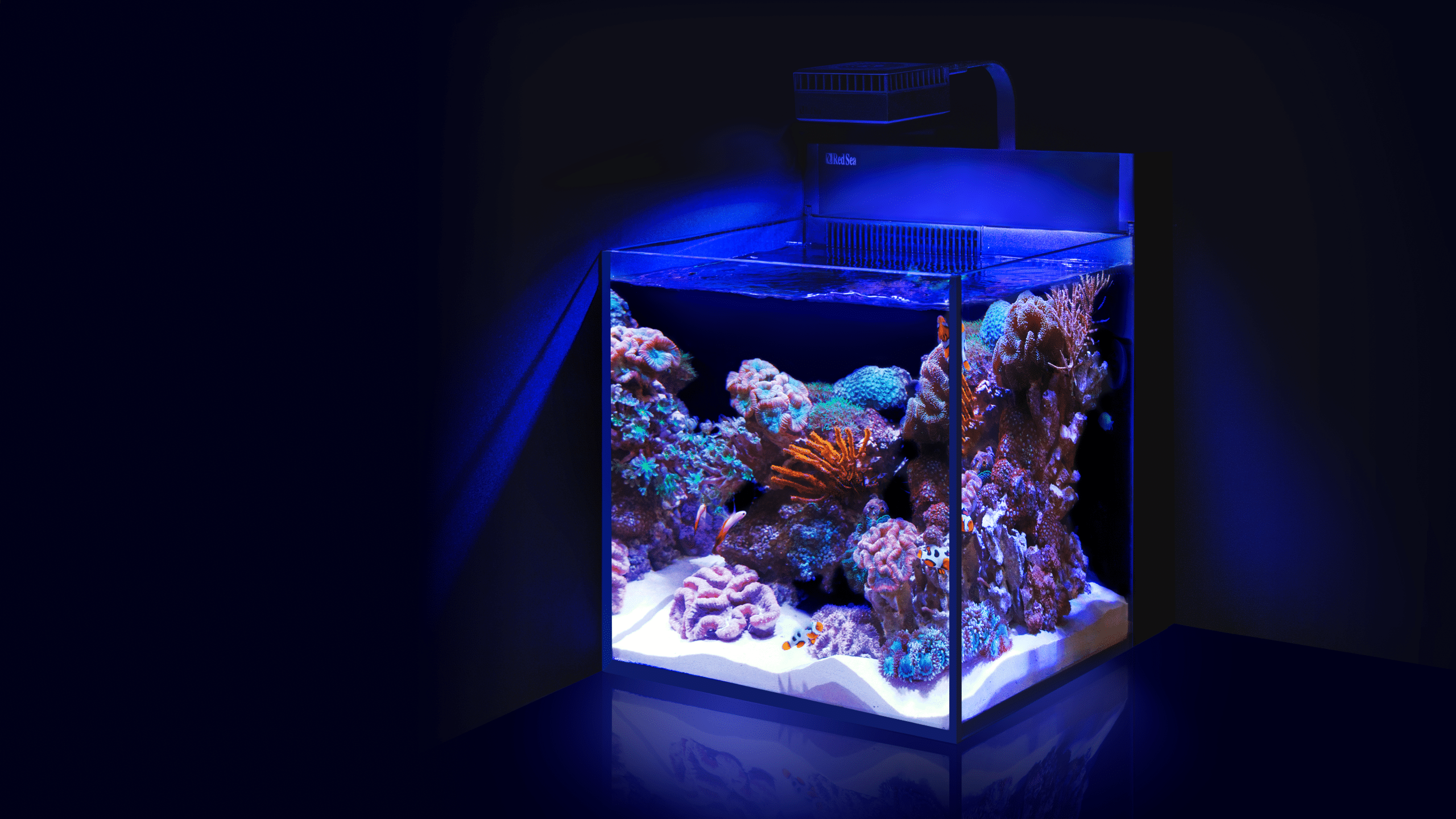
Determining which reef tank to purchase can be difficult for many reasons. One of those reasons is the variety of sizes across the market. Each coming with it's on pros and cons.
Reef tanks come in so many different sizes and now Nano Tanks have taken over for new hobbyists. Is a Nano Tank right for you and your newly purchased Live Corals?
by Scott Shiles • April 21, 2023
Choosing the right reef tank size is one of the most important decisions you will make before buying corals, fish, and equipment. A nano, small, or large reef tank can all be successful, but each comes with different costs, stability levels, maintenance demands, and stocking limits. This guide explains the pros and cons of different reef tank sizes so you can choose the setup that fits your space, budget, and reefkeeping goals.
Many reef keepers focus first on livestock, lighting, or equipment, but tank size affects almost everything that happens after the tank is set up. It changes how stable your water chemistry will be, how much room fish have to swim, what corals you can keep comfortably, how much maintenance the system needs, and how forgiving the tank will be when something goes wrong. The best reef tank size is not always the biggest or the smallest. It is the one you can maintain consistently and stock responsibly over time.
Planning your first reef tank or upgrading your current setup? Browse our new arrival corals and explore healthy corals for reef aquariums of all sizes.
Why Reef Tank Size Matters So Much
Tank size does much more than determine how the aquarium looks in a room. It affects the day-to-day experience of owning and maintaining a reef system.
- Water stability: Larger tanks usually handle small mistakes better
- Stocking options: Bigger systems give you more flexibility with fish and coral placement
- Budget: Larger tanks cost more to build, light, and maintain
- Maintenance style: Small tanks are easier to access, but less forgiving
- Aquascaping freedom: Larger tanks allow more natural rockwork and coral spacing
A beginner often assumes a smaller reef tank will be easier because it costs less and takes up less space. In reality, smaller systems can be harder to keep stable because evaporation, overfeeding, alkalinity swings, and temperature changes affect them more quickly.
Nano Reef Tanks
A nano reef tank is typically under 20 gallons. Nano reefs are popular because they are compact, visually appealing, and accessible for hobbyists with limited space. They can be beautiful display systems, especially when built around a focused coral theme.
Advantages of a Nano Reef Tank
- Smaller footprint for apartments, desks, or tight spaces
- Lower initial cost than most larger reef setups
- Great for carefully planned coral displays
- Can be very attractive and rewarding when managed well
- Easier to view and access closely for cleaning and observation
Challenges of a Nano Reef Tank
- Very little room for error with salinity, temperature, and chemistry
- Evaporation affects water parameters quickly
- Limited fish and coral stocking options
- Overfeeding and nutrient buildup happen faster
- Parameter swings can stress corals more quickly than in larger tanks
Nano reef tanks are excellent for hobbyists who want a compact display and are willing to stay consistent with maintenance. They are not always the easiest choice for beginners, even though they are smaller.
Small Reef Tanks
A small reef tank is often around 20 to 75 gallons. For many hobbyists, this is the sweet spot between manageable size and reasonable water stability. Small reef tanks can support a strong range of coral options and a modest fish list without the cost of a very large display.
Advantages of a Small Reef Tank
- More affordable than larger reef systems
- Usually more stable than nano tanks
- Easier to light and equip than very large aquariums
- Allows a good mix of corals and a manageable fish list
- Often the best balance for beginners and intermediate reef keepers
Challenges of a Small Reef Tank
- Less room for larger fish or expansive coral colonies
- Still less forgiving than a larger tank
- Aquascaping and coral placement require planning
- Stocking too aggressively can destabilize the system
For many reef keepers, a small reef tank is the most practical place to start. It gives enough water volume to build a stable reef while keeping cost, space, and maintenance at a manageable level.
Large Reef Tanks
A large reef tank is often considered 75 gallons or more. Larger systems give hobbyists more room to create natural-looking aquascapes, keep a wider range of fish, and grow larger coral colonies over time.
Advantages of a Large Reef Tank
- Greater water volume usually means better stability
- More room for fish, coral placement, and aquascaping
- Better suited for mixed reefs and larger colonies
- Small mistakes are often less disruptive than in smaller tanks
- Creates a major visual impact in a home or office
Challenges of a Large Reef Tank
- Higher startup cost for tank, stand, lights, and equipment
- More expensive to maintain over time
- Larger water changes take more time and saltwater
- Requires more physical space in the room
- Can be harder to clean or reach into depending on dimensions
Large reef tanks are often the best choice for hobbyists who want maximum flexibility and are comfortable with the higher cost and long-term commitment that come with a bigger system.
Which Reef Tank Size Is Best for Beginners?
For many beginners, a small reef tank is often the best balance. It is more stable than a nano tank, easier to manage than a large custom system, and gives enough room to keep a satisfying selection of corals and fish.
- Nano tanks: Best for limited space and careful hands-on maintenance
- Small tanks: Often the most balanced option for new reef keepers
- Large tanks: Best for maximum flexibility if budget and space allow
If this is your first reef tank, the goal should not be choosing the smallest tank that fits in the room or the biggest tank you can afford in the moment. It should be choosing a system you can equip properly and maintain consistently.
How Tank Size Affects Coral Choices
Your coral selection should match the size and stability of the system. Some corals are forgiving and adaptable, while others need stable chemistry, more room, or specific placement to do well.
- Nano tanks often do well with selected mushrooms, zoanthids, and smaller soft corals
- Small tanks can support a wider range of soft corals, LPS corals, and some SPS with strong stability
- Large tanks give the most flexibility for mixed reefs, SPS sections, and larger coral colonies
If you are still learning coral categories, read our overview of coral types and care guidelines to understand which corals may be the best fit for your setup.
How Tank Size Affects Fish Choices
Fish compatibility is heavily affected by tank size. A fish that is reef-safe in one system may still be a poor choice if the tank is too small for its swimming behavior or territory needs.
- Nano tanks are best for very small, carefully chosen reef-safe fish
- Small tanks allow a broader but still limited fish list
- Large tanks are better for more active swimmers like tangs and bigger community plans
If you are planning your livestock list, read our guide to fish for a coral reef tank for reef-safe stocking ideas.
How Tank Size Changes Equipment Needs
Every reef tank needs good equipment, but the size of the system affects how much coverage, flow, and filtration you need.
- Lighting: Larger tanks need broader and often stronger lighting coverage
- Flow: Bigger tanks may need multiple pumps for balanced movement
- Filtration: More livestock usually means more filtration demand
- Top-off: Smaller systems are more affected by evaporation
- Heating: Tank size affects how stable temperature stays
Before choosing a size, it helps to think through the full system and not just the aquarium itself. You may also want to explore our reef tank tools and accessories guide.
Common Mistakes When Choosing a Reef Tank Size
- Choosing a nano tank because it seems easier
- Buying a large tank without budgeting for quality equipment
- Ignoring the service space around the tank
- Planning too many fish for a smaller system
- Underestimating long-term maintenance time and cost
The best reef tank is the one that fits your real lifestyle. A properly equipped 30-gallon reef that gets consistent care will usually outperform a larger, poorly maintained system.
Best Reef Tank Size by Goal
Different tank sizes fit different reefkeeping goals. Thinking about the kind of reef you want to build can make the choice much easier.
- For a compact coral display: Nano reef tank
- For a balanced first reef: Small reef tank
- For a full mixed reef with more fish options: Large reef tank
- For a specialized SPS or show reef: Often a larger, more stable system works best
Your long-term vision matters. If you already know you want larger fish, heavy coral growth, or a mixed reef with room to expand, it may make sense to start larger instead of upgrading later.
Related Corals and Reef Tank Topics You May Also Like
If you are planning a reef system, these related guides may help you choose corals, equipment, and livestock that fit your tank size:
- Overview of coral types and care guidelines
- Best fish for a coral reef tank
- How lighting affects coral growth
- The impact of water flow on coral health
- pH and alkalinity in reef tanks
- Must-have reef tank tools and accessories
Ready to stock your reef tank? Browse our new arrival corals and explore healthy corals for nano, small, and large reef aquariums.
Shop Corals for Reef Tanks of All Sizes
Explore our new arrival corals and find healthy, colorful pieces for reef tanks ranging from compact nano systems to larger mixed reefs.
Frequently Asked Questions
Q: Is a nano reef tank good for beginners?
A: A nano reef tank can work for beginners, but it usually requires more precision because water chemistry changes faster in smaller systems.
Q: What is the best reef tank size for most hobbyists?
A: For many hobbyists, a small reef tank offers the best balance of affordability, stability, and stocking flexibility.
Q: Are larger reef tanks easier to maintain?
A: Large tanks are usually more stable, but they cost more and require more equipment, water, and maintenance work.
Q: What corals are best for smaller reef tanks?
A: Many smaller tanks do well with carefully chosen mushrooms, zoanthids, soft corals, and some LPS corals.
Q: Should I buy the biggest reef tank I can afford?
A: Not always. The best tank is the one you can equip properly, place correctly, and maintain consistently over time.
About the Author
Scott Shiles is the owner of ExtremeCorals.com, which he has operated for over 25 years and is recognized as one of the early dedicated live coral websites on the internet. A lifelong reef keeper since 1984, Scott has decades of hands-on experience maintaining marine aquariums and previously owned and operated a brick and mortar aquarium retail store for 10 years, including five years alongside Extreme Corals. He holds a degree in Marine Biology and has personally selected and sold hundreds of thousands of live corals. An avid scuba diver who has explored reef systems around the world, Scott shares practical coral care and husbandry knowledge based on real world reef experience.
overall rating:
my rating:
log in to rate
Please log in to leave a comment.
For more information visit: additional resources