My Cart: 0 item(s)

Extreme Corals News and Updates
How to Frag Zoanthids and Palythoas Safely: Technique, Equipment and Aftercare Guide
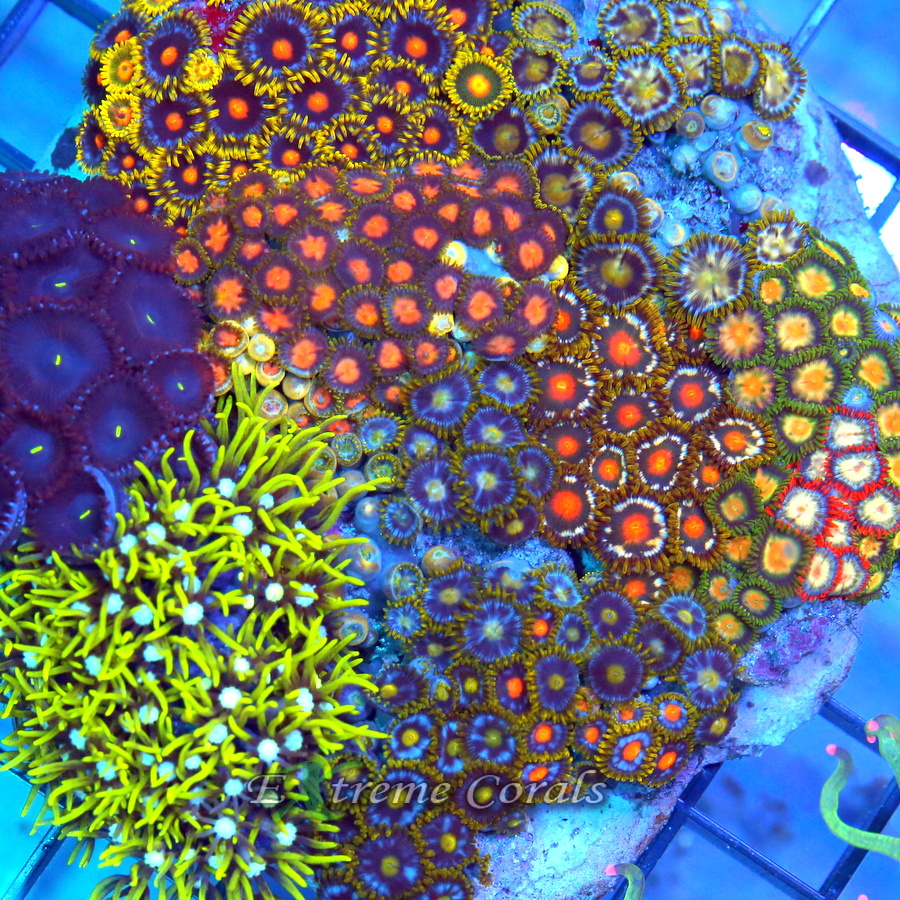
Learn how to frag zoanthids and palythoas safely with the right tools, protective gear, cutting methods, mounting techniques, and post-frag care for healthy recovery.
Learn how to frag zoanthids and palythoas safely with this step-by-step guide covering protective equipment, cutting techniques, mounting, healing, and aftercare.
by Scott Shiles • April 21, 2026
Fragging zoanthids and palythoas can be one of the most rewarding ways to expand a reef tank, but it also demands more caution than many hobbyists realize. These colorful button polyps are popular because they are attractive, adaptable, and often grow well in home aquariums. At the same time, they can release irritating mucus and, in some cases, highly dangerous toxins during handling or cutting. That means technique matters, but safety matters even more. This guide explains how to frag zoanthids and palythoas using proper equipment, safer methods, and careful aftercare so both the coral and the aquarist stay protected.
When done correctly, fragging can help propagate healthy colonies, preserve favorite morphs, and create new pieces to grow out or share. But zoanthid and palythoa fragging should never be approached casually. A clean workspace, personal protective equipment, sterilized tools, and a calm, deliberate process are essential from start to finish.
Looking to add colorful polyps to your reef tank? Browse our zoanthids and palythoas and explore healthy corals for your aquarium.
Understanding Zoanthids and Palythoas
Zoanthids and palythoas belong to the order Zoantharia and are commonly referred to as button polyps. These corals are characterized by small cylindrical polyps surrounded by tentacles, and they come in an enormous range of colors and patterns. From bright oranges and yellows to deep greens, blues, and multicolor designer morphs, they are among the most collectible corals in the hobby.
One of the reasons they are so popular is their adaptability. Many zoanthids and palythoas can tolerate a broad range of tank conditions, which makes them appealing to both newer and experienced reef keepers. That hardiness also means they are often excellent candidates for propagation when colonies are healthy and established.
Why Frag Zoanthids and Palythoas?
Fragging serves several useful purposes in a reef tank:
- Expand a healthy colony into multiple new pieces
- Preserve valuable or favorite color morphs
- Share, trade, or sell propagated frags
- Control overgrowth on rocks or neighboring corals
- Encourage continued colony expansion
Fragging also supports aquacultured coral growth within the hobby. A well-grown colony can become the source of many future frags, reducing the need for wild collection while helping hobbyists build more diverse tanks.
Important Safety Warning Before You Start
Be extremely careful when fragging zoanthids and especially palythoas. Some species can contain palytoxin or other harmful compounds in their mucus and tissues. Exposure can happen through cuts, eye contact, inhalation of aerosols, or contact with skin and contaminated surfaces.
- Always wear protective gloves
- Always wear protective eyewear or goggles
- Work in a well-ventilated area
- Never boil rocks or coral material containing zoanthids or palythoas
- Do not touch your face while working
- Wash tools, gloves, and work surfaces thoroughly afterward
- Keep pets and children away from the work area
If mucus or coral fluid gets into the eyes, onto broken skin, or causes breathing trouble, seek medical attention immediately. Fragging these corals is not difficult, but it should always be treated seriously.
Preparation and Equipment
Before fragging, gather all necessary tools and prepare a clean, organized work area. Proper preparation reduces stress on the coral and lowers the chance of accidents.
Essential equipment includes:
- Nitrile or protective gloves
- Safety goggles
- Sharp scissors, scalpel, or razor blades
- Bone cutters for cutting small rock or plug sections if needed
- Frag plugs or tiles
- Reef-safe glue or coral epoxy
- Small working tray or fragging container
- Paper towels for drying plug surfaces before gluing
- Rubbing alcohol for tool cleaning and sterilization
A bright, organized work area near the aquarium is ideal. Good lighting makes it much easier to see the polyp mat, avoid accidental tearing, and place frags accurately.
Choosing the Right Colony to Frag
Not every colony should be cut. Select only healthy, established zoanthid or palythoa colonies for propagation.
- Choose colonies with strong color and full extension
- Avoid colonies that are recently added or stressed
- Do not frag polyps showing melting, pests, or disease
- Look for colonies with good mat coverage and clearly separable growth areas
Healthy colonies recover much faster, produce cleaner frags, and are far less likely to suffer major setbacks after cutting.
Fragging Techniques for Zoanthids and Palythoas
There are several practical methods for fragging these corals, depending on how the colony is attached and how large or small the desired frags need to be.
1. Cutting the Mat
This is one of the most common methods. Use a clean scalpel, razor, or scissors to separate a section of the polyp mat from the parent colony. Try to keep several healthy polyps together on each frag when possible.
- Make clean, deliberate cuts
- Include a portion of healthy tissue and multiple polyps
- Avoid crushing or tearing the mat
2. Removing Polyps From Small Rock or Plug Sections
If the colony is encrusted onto small rubble, plugs, or light rock, sometimes the safest method is to cut or break the base material rather than cutting directly through the coral tissue.
- Use bone cutters carefully on rubble or plug edges
- Keep the tissue as undisturbed as possible
- This method often works well for palythoas with thicker mats
3. Polyp Removal and Reattachment
Some hobbyists carefully detach individual or small clusters of polyps from the base and mount them separately. This method allows precise placement but requires patience and a steady hand.
This approach is usually best when the colony has clearly separated polyps and a mat that peels cleanly without excessive damage.
How to Mount the Frags
Once the frags are created, they need to be secured properly so they can attach and grow.
- Use frag plugs or ceramic tiles as the new base
- Dry the mounting point briefly with a paper towel
- Apply reef-safe cyanoacrylate gel glue or coral epoxy
- Press the frag gently into place without crushing the tissue
Some hobbyists also use mesh cups, loose rubble, or shallow containers until the frag attaches naturally, especially if the polyp mat is thin or difficult to glue directly.
Step-by-Step Fragging Method
- Put on gloves and eye protection before touching the colony.
- Prepare all plugs, tools, glue, and the working tray before removing the coral.
- Remove the colony carefully and keep tissue exposure brief.
- Use a scalpel, razor, or cutters to separate a healthy section of polyps.
- Make sure each frag includes living tissue and at least a few healthy polyps.
- Mount the frag securely onto a plug, tile, or rubble piece.
- Return the frag to the aquarium in a suitable low-stress recovery area.
- Clean all tools and work surfaces immediately after finishing.
Post-Fragging Care
Good aftercare is what determines whether a zoanthid or palythoa frag settles in quickly or struggles unnecessarily.
- Place frags in areas with appropriate lighting for the species
- Use gentle to moderate indirect flow to keep debris from settling
- Keep temperature, salinity, and nutrient levels stable
- Observe the frags daily for reopening and tissue health
The goal is to provide a stable, clean environment where the frags can recover without being blasted by current or smothered by detritus.
Healing and Recovery
Zoanthid and palythoa frags often close up immediately after cutting, which is normal. Recovery time varies based on the species, size of the frag, and overall tank stability.
- Some frags begin reopening within a day or two
- Others may take several days to a week or more
- Full attachment and visible growth usually take longer
Patience is important. Do not keep moving the frag around the tank unless there is a clear issue with flow, light, or health.
Common Mistakes to Avoid
Most problems with zoanthid and palythoa fragging come from rushing or handling the process carelessly.
- Do not frag unhealthy or melting colonies
- Do not work without gloves and eye protection
- Do not crush or tear the mat when cutting
- Do not glue living tissue under thick glue
- Do not place fresh frags in harsh direct flow
- Do not ignore post-frag cleanliness and tool sterilization
Taking an extra few minutes to work carefully usually makes a major difference in both safety and success.
Monitoring and Maintenance
Once the frags are back in the tank, regular monitoring is important during the healing process.
- Watch for tissue recession or excessive melting
- Check that detritus is not collecting on the frags
- Inspect for signs of pests or infection
- Make sure the plugs remain secure and upright
Consistent flow, stable parameters, and patience usually give the best outcome. If a frag remains closed for too long, review placement, flow, and overall tank stability before making major changes.
How to Tell If a Frag Is Settling Successfully
- Polyps begin reopening gradually
- Color stays stable
- No visible tissue melting or major recession
- The frag begins attaching firmly to the plug or tile
Healthy zoanthid and palythoa frags often look quiet at first, then begin reopening and settling in once they adjust.
Best Tank Conditions for Healing Frags
Freshly cut zoanthid and palythoa frags usually do best with:
- Stable salinity and temperature
- Gentle to moderate indirect flow
- Moderate lighting appropriate for the specific morph
- Clean water without heavy debris buildup
- Minimal handling after mounting
These conditions help promote healing while reducing the chance of infection or tissue damage.
Related Coral Guides You May Also Like
If you are interested in fragging zoanthids and palythoas, you may also want to explore these related reef tank guides:
- Browse zoanthids
- Zoanthid care guide
- General coral fragging guide
- Coral feeding guide
- Saltwater aquarium maintenance guide
Ready to grow your zoa garden? Browse our zoanthids and palythoas and explore healthy additions for your reef tank.
Shop Zoanthids and Palythoas
Explore our WYSIWYG zoanthids, new arrival coral frags, and featured corals to build a more colorful reef tank.
Final Thoughts
Fragging zoanthids and palythoas is one of the most rewarding propagation techniques in reefkeeping, but it should always be approached with respect and caution. With the right protective equipment, clean technique, proper mounting methods, and stable aftercare, hobbyists can successfully grow new colonies while protecting both themselves and their reef tanks. Safety, cleanliness, patience, and observation are what turn this from a risky chore into a repeatable reefkeeping skill.
Frequently Asked Questions
Q: Is it safe to frag zoanthids and palythoas?
A: Yes, but only when done carefully with gloves, eye protection, ventilation, and proper tool hygiene.
Q: Why do I need gloves and goggles?
A: Zoanthids and especially palythoas can release harmful toxins and irritating mucus during cutting and handling.
Q: What is the best way to cut zoanthids?
A: Use a clean sharp scalpel, razor, or scissors to separate healthy polyps with minimal tearing of the mat.
Q: How do I attach zoanthid frags to plugs?
A: Use reef-safe cyanoacrylate gel glue or epoxy on a dry plug or tile surface, then place the frag gently without burying the tissue.
Q: How long do zoanthid frags take to heal?
A: Some reopen within a few days, while full attachment and recovery may take a week or longer depending on conditions.
About the Author
Scott Shiles is the owner of ExtremeCorals.com, which he has operated for over 25 years and is recognized as one of the early dedicated live coral websites on the internet. A lifelong reef keeper since 1984, Scott has decades of hands-on experience maintaining marine aquariums and previously owned and operated a brick and mortar aquarium retail store for 10 years, including five years alongside Extreme Corals. He holds a degree in Marine Biology and has personally selected and sold hundreds of thousands of live corals. An avid scuba diver who has explored reef systems around the world, Scott shares practical coral care and husbandry knowledge based on real world reef experience.
overall rating:
my rating:
log in to rate
Please log in to leave a comment.
For more information visit: additional resources