My Cart: 0 item(s)

Extreme Corals News and Updates
How to Acclimate New Corals to a Reef Tank Without Causing Stress
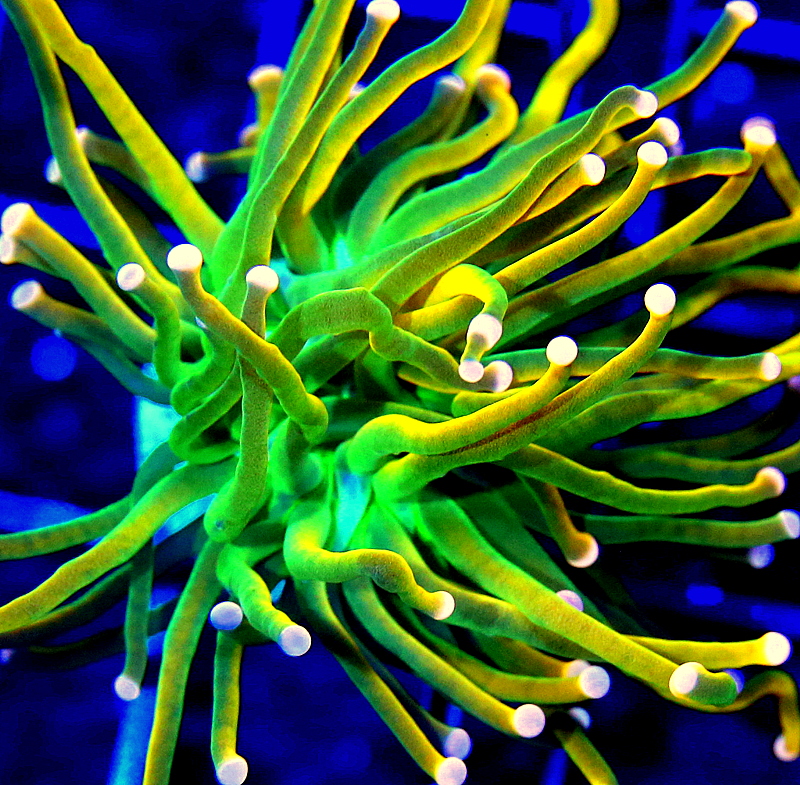
Learn how to acclimate new corals to a reef tank safely with the right approach to temperature, salinity, lighting, dipping, quarantine, and placement.
Learn how to acclimate corals to a reef tank with tips on floating, drip acclimation, light adjustment, coral dips, quarantine, and stress prevention.
by Scott Shiles • March 02, 2023
Reef Tank Maintenance, All Corals
Proper coral acclimation is one of the most important steps in reef keeping because new corals can be stressed quickly by sudden changes in temperature, salinity, lighting, and water chemistry. If corals are rushed into a new system without enough care, they may weaken, close up, bleach, or become more vulnerable to pests and disease. This guide explains how to acclimate new corals to a reef tank safely, including temperature matching, drip acclimation, light reduction, pest dips, quarantine, and the best way to place new additions in your aquarium.
Whether you are setting up a new reef tank or adding new corals to an established system, the goal is always the same: reduce stress during the transition. Corals do not adjust instantly. A slower, more careful introduction usually gives them a much better chance of settling in, opening up, and thriving long term.
Looking to add healthy new corals to your reef tank? Browse our new arrival corals and explore fresh additions for your aquarium.
Why Coral Acclimation Matters
Corals are sensitive animals, and sudden changes can affect them more than many reef keepers realize. Even a healthy coral can be damaged by rapid shifts in water chemistry, strong light, or temperature mismatch.
- Temperature shock can stress or kill coral tissue
- Salinity swings can disrupt osmotic balance
- Lighting shock can bleach new additions
- Improper handling can damage delicate tissue
- Pests and hitchhikers can spread into the display tank if not checked first
Acclimation is really about giving the coral a controlled, lower-stress transition from one system to another.
Step 1: Float the Bag to Match Temperature
When you receive your new corals, they will often arrive in a sealed plastic bag. The first step is to float that bag in your tank or sump for about 15 to 20 minutes so the temperature inside the bag can equalize with the temperature in your system.
- Float the bag for 15 to 20 minutes
- Keep the coral shaded during this process if possible
- Avoid leaving the bag in bright light unnecessarily
This step helps prevent thermal shock, which can be one of the fastest ways to stress a newly arrived coral.
Step 2: Check the Water Before You Rush
Before moving the coral any further, it helps to test the bag water for basic parameters such as salinity and pH if possible. This gives you an idea of how different the shipping water is from your own tank water.
- Check salinity
- Check pH if available
- Compare with your display or quarantine system
If the difference is significant, a slower acclimation may be the safer option. This is especially important for delicate or expensive corals.
If you are working on stable chemistry, read our guide on pH and alkalinity in reef tanks.
Step 3: Use Drip Acclimation Carefully
Once the temperature is matched, drip acclimation can be used to introduce tank water slowly into the coral’s bag or a separate acclimation container. This is often done with airline tubing and a slow siphon from the aquarium.
- Start with a slow drip rate
- Gradually increase the rate if the coral appears stable
- Take longer if bag water and tank water are very different
- Do not rush the process just to save time
Drip acclimation can take a while, but the slower transition often reduces stress significantly. For many reef keepers, patience here prevents bigger problems later.
Step 4: Reduce Light Stress Immediately
One of the most overlooked parts of coral acclimation is lighting. A newly shipped coral may have been in darkness for many hours, and dropping it directly into strong reef lighting can be very stressful.
- Turn off the aquarium lights during acclimation if possible
- Start the coral in a lower-light area of the tank
- Allow the coral to adjust to your lighting over several days
- Avoid putting fresh arrivals directly under intense light
This is especially important for corals coming from more moderate lighting or from a shipping environment where they have been in complete darkness. A slower light acclimation is usually much safer than immediate full exposure.
If you want to learn more about reef lighting, read our guide on understanding reef LEDs.
Step 5: Check Parameters During Acclimation
While you are drip acclimating, it can help to check the acclimation water periodically if the process is taking a long time. This is especially useful if the original shipping water was very different from your system water.
- Monitor salinity during acclimation
- Watch for major pH differences if measurable
- Slow down the drip if changes are happening too quickly
The idea is to create a smooth transition, not just to flood the coral with new water as quickly as possible.
Step 6: Use a Coral Dip to Reduce Pest Risk
A pest-control dip is one of the smartest optional steps when bringing in new corals. Dips help reduce the risk of introducing hitchhikers such as flatworms, nudibranchs, and other unwanted pests into your system.
- Use coral dips such as Coral Rx when appropriate
- Lugol’s iodine may be used in some bacterial situations
- Follow the dip instructions carefully
- Remember that dips reduce risk, but do not guarantee total elimination of every threat
Dipping is especially important if you transfer corals between systems often or buy corals from multiple sources. It is one of the best habits for preventing future problems in a display reef tank.
Step 7: Transfer the Coral Gently
Once acclimation is complete, gently move the coral into the tank or quarantine system. Avoid touching delicate tissue whenever possible. Handle the base, plug, or rock rather than the fleshy body of the coral.
- Move the coral gently
- Avoid squeezing or rubbing coral tissue
- Place it where lighting and flow are appropriate for the species
- Monitor it closely after introduction
Even a healthy coral may stay closed for a while after being moved. That does not always mean something is wrong. The key is whether it begins settling in over time rather than continuing to decline.
Why Quarantine Is Worth Considering
Using a quarantine system for new corals is one of the best ways to reduce pest and disease risk before a coral ever enters the display tank. A quarantine setup also gives the coral time to adjust to a stable environment without competing with established tankmates right away.
- Quarantine can help reduce pest introduction
- It allows a slower, safer adjustment period
- It makes inspection and treatment easier if issues appear
- The acclimation process should be repeated when moving the coral from quarantine to display
For hobbyists investing in high-end corals or building a long-term display reef, quarantine is usually worth the effort.
Where to Place New Corals First
Even after acclimation, it is smart to start new corals in a more conservative spot and then adjust later. Many corals do better when introduced into slightly lower light and moderate flow first.
- Use lower-light starting zones when unsure
- Avoid harsh direct flow at first
- Watch for extension, color, and general comfort
- Move upward or into stronger light only if needed
This simple habit can prevent many common acclimation mistakes, especially in tanks with strong LEDs or intense SPS-style flow.
Common Coral Acclimation Mistakes
Some of the most common mistakes reef keepers make when introducing new corals include:
- Skipping temperature matching
- Rushing drip acclimation
- Putting corals straight under strong lights
- Skipping pest dips
- Handling coral tissue too roughly
- Ignoring signs of stress during the first few days
Most acclimation failures are not caused by one dramatic event. They are usually the result of too many small stresses hitting the coral at once.
Signs a New Coral Is Struggling
After introduction, watch carefully for signs that the coral may not be adapting well.
- Bleaching or rapid paling
- Tissue recession
- Poor extension
- Failure to open for an extended period
- Visible pest activity or irritation
Some temporary stress is normal, but ongoing decline means something should be corrected quickly.
How Long Does Coral Acclimation Take?
The initial water and temperature acclimation may take anywhere from around 20 minutes to a few hours depending on the coral and the difference between systems. Light acclimation often takes longer and may unfold over several days.
That means coral acclimation is really a two-part process:
- Short-term acclimation for temperature and chemistry
- Longer-term acclimation for light, flow, and placement
Thinking about it this way helps reef keepers avoid assuming the process is over just because the coral is already in the tank.
Related Corals and Reef Tank Topics You May Also Like
If you are adding new corals to your reef tank, these related guides may also help:
- Coral care guide
- How lighting affects coral growth
- Understanding reef LEDs
- pH and alkalinity in reef tanks
- Browse new arrival corals
Ready to add healthy new corals to your reef tank? Browse our new arrival corals and build your reef with careful acclimation and long-term coral health in mind.
Shop New Arrival Corals
Explore our new arrival corals, featured corals, and other reef-safe additions for your aquarium.
Final Thoughts
Acclimating new corals correctly is one of the easiest ways to improve survival, reduce stress, and protect the long-term health of your reef tank. A little extra patience during the first few hours and days can make a major difference in how well a coral settles in and thrives.
Frequently Asked Questions
Q: How long should I float a coral bag before acclimation?
A: About 15 to 20 minutes is a common starting point to help match temperature before moving on to the next step.
Q: Do I always need to drip acclimate corals?
A: Drip acclimation is often a safe approach, especially when water differences are significant, but the exact method can vary depending on the coral and system conditions.
Q: Should I turn the lights off when adding new corals?
A: Yes, reducing light during introduction is often a smart way to lower stress and help prevent bleaching.
Q: Do coral dips kill every pest?
A: No. Coral dips help reduce risk, but they do not guarantee complete elimination of every hitchhiker or parasite.
Q: Is quarantine really necessary for new corals?
A: It is not always used by every hobbyist, but it is one of the best ways to reduce pest and disease risk before adding corals to the display tank.
About the Author
Scott Shiles is the owner of ExtremeCorals.com, which he has operated for over 25 years and is recognized as one of the early dedicated live coral websites on the internet. A lifelong reef keeper since 1984, Scott has decades of hands-on experience maintaining marine aquariums and previously owned and operated a brick and mortar aquarium retail store for 10 years, including five years alongside Extreme Corals. He holds a degree in Marine Biology and has personally selected and sold hundreds of thousands of live corals. An avid scuba diver who has explored reef systems around the world, Scott shares practical coral care and husbandry knowledge based on real world reef experience.
overall rating:
my rating:
log in to rate
1 Comment
Very Helpful!
Since I an just getting starting to keep coral now, I found the "How to acclimate Corals to your Reef Tank" on your blog page very helpful. Thank you.
Carlos Feliciano, 03/13/2023 15:13:51
Please log in to leave a comment.
For more information visit: additional resources