My Cart: 0 item(s)

Extreme Corals News and Updates
How to Acclimate Corals to LED Lighting: Avoid Bleaching and Improve Reef Tank Success
Navigating the Light: A Comprehensive Approach to Coral Acclimation Under LED Illumination
Discover expert strategies to acclimate corals to LED lighting, safeguarding reef ecosystems while enhancing brilliance. Explore essential tips now for a thriving underwater sanctuary.
by Scott Shiles • May 07, 2026
Reef Tank Equipment, All Corals
Switching to LED lighting can dramatically improve the look and efficiency of a reef tank, but corals need time to adjust. A sudden increase in light intensity can shock corals, reduce polyp extension, wash out color, or trigger bleaching. This guide explains how to acclimate corals to LED lighting safely, including fixture height, photoperiod changes, diffusion methods, dimming strategies, and the signs that tell you the process is moving too fast.
Many reef keepers upgrade to LEDs because they offer better control, cleaner spectrum options, lower heat, and strong coral-growing potential. The problem is not the LEDs themselves. The problem is making a lighting change too quickly. Corals that were comfortable under one lighting setup may react badly if they are exposed to much higher PAR or a different spectrum without a gradual transition. A slow acclimation plan protects coral health and gives the tank time to adjust.
Working on a healthier reef system? Browse our new arrival corals and explore healthy corals for stable, well-lit reef aquariums.
Why Corals Need to Be Acclimated to LED Lighting
Corals depend on light for photosynthesis through the zooxanthellae living in their tissue. When light intensity changes too quickly, that relationship can be disrupted. The live article correctly explains that abrupt increases in LED intensity can trigger bleaching and other stress responses because LEDs can introduce a major jump in usable light energy.
- Corals may be exposed to much higher PAR than before
- Spectrum changes can alter how the coral responds to the light
- Zooxanthellae can become stressed and be expelled
- The coral may pale, shrink, or stop extending normally
That is why LED acclimation is not optional for sensitive corals. It is one of the most important steps in protecting your reef during a lighting upgrade or even when adding new corals under an existing LED system.
Understanding Coral Bleaching Before You Change Lighting
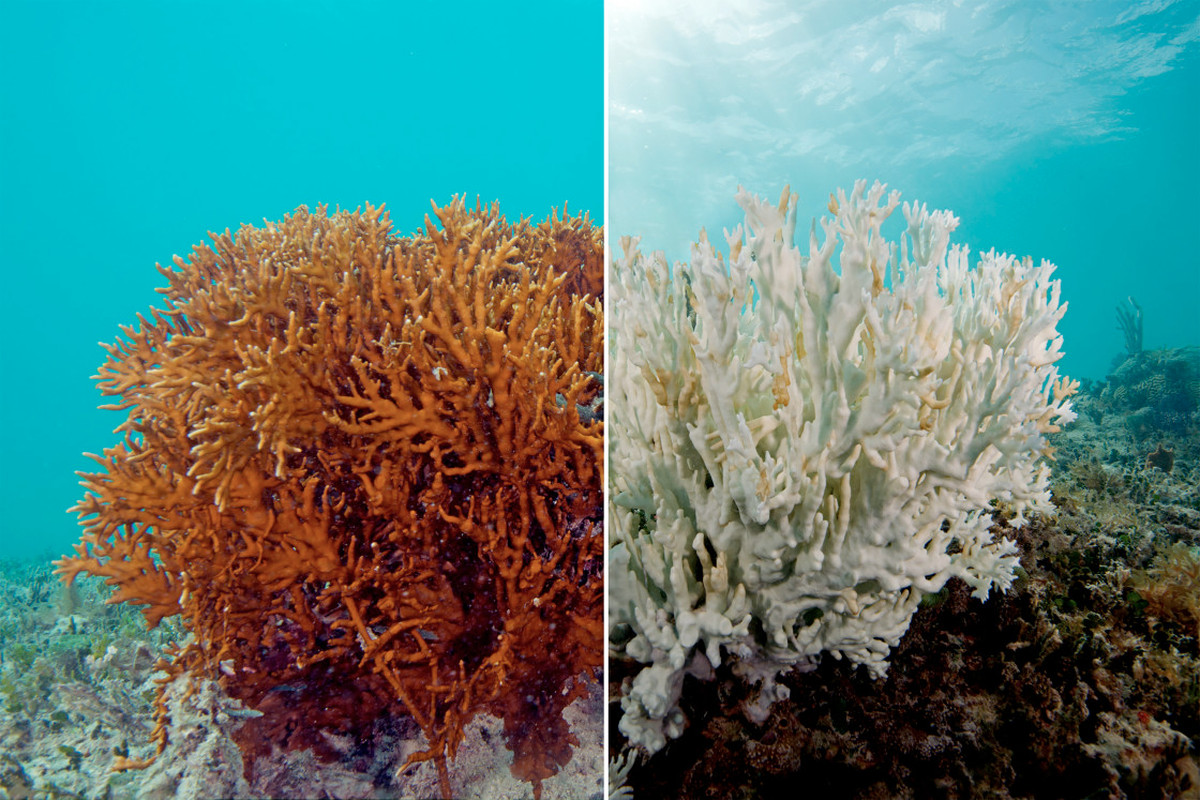
The live article opens with bleaching for a reason. Coral bleaching is one of the biggest risks when reef keepers change lights too quickly. Bleaching happens when corals lose or expel their zooxanthellae, often because environmental conditions changed faster than they could handle.
Common Causes of Bleaching During LED Changes
- Light intensity increased too quickly
- Photoperiod stayed too long during the transition
- Corals were moved too high in the tank too soon
- Temperature or chemistry instability added extra stress
Not every stressed coral bleaches immediately, but reduced extension, faded color, or unusual retraction are often early warning signs that the coral is struggling with the transition.
What Makes LED Lighting Different?
LED lighting is popular because it gives reef keepers more control over intensity and spectrum than many older lighting systems. That control is a huge advantage, but it also means mistakes can happen faster if intensity is set too high too soon.
- LEDs can deliver strong PAR even when they do not look bright to your eyes
- Spectrum can be adjusted, which changes how corals respond
- Intensity can often be ramped precisely, which makes slow acclimation easier
- Different optics and mounting heights change how concentrated the light feels
The visual brightness of a light is not always the same thing as coral-safe intensity. That is why many reef keepers underestimate how strong a new LED setup really is.
Best Ways to Acclimate Corals to LED Lighting
The live article gives four strong starting methods: raise the fixture, shorten the photoperiod, use diffusion like screen layers, and dim the fixture when possible. Those are still some of the best tools reef keepers have.
1. Raise the Lighting Fixture
The live article recommends gradually elevating the light fixture over the tank over about 3 to 4 weeks if the setup allows it. Increasing the height reduces intensity at the coral level and helps soften the transition.
- Start higher than your final intended mounting height
- Lower the light gradually over several weeks
- Watch coral response before making each adjustment
This method is simple and effective, especially when the light does not have advanced built-in acclimation controls.
2. Reduce the Photoperiod First
The live article recommends cutting the intense lighting period to around 4 hours at first, then increasing it by about an hour each week until the target schedule is reached.
- Shorten the daily high-intensity lighting period at first
- Increase slowly over time
- Do not jump directly to a full long-day schedule
This is one of the easiest ways to reduce stress while still allowing the coral to begin adapting to the new light.
3. Use Screen or Shade Diffusion
The live article also recommends using layers of screen or shade cloth over the aquarium and removing one layer every 4 to 5 days. This is an old-school method, but it still works very well.
- Place screening material between the light and tank
- Start with multiple layers if needed
- Remove layers gradually as the corals adjust
This can be especially useful when a fixture cannot be dimmed or mounted much higher.
4. Use Dimming Controls or Acclimation Mode
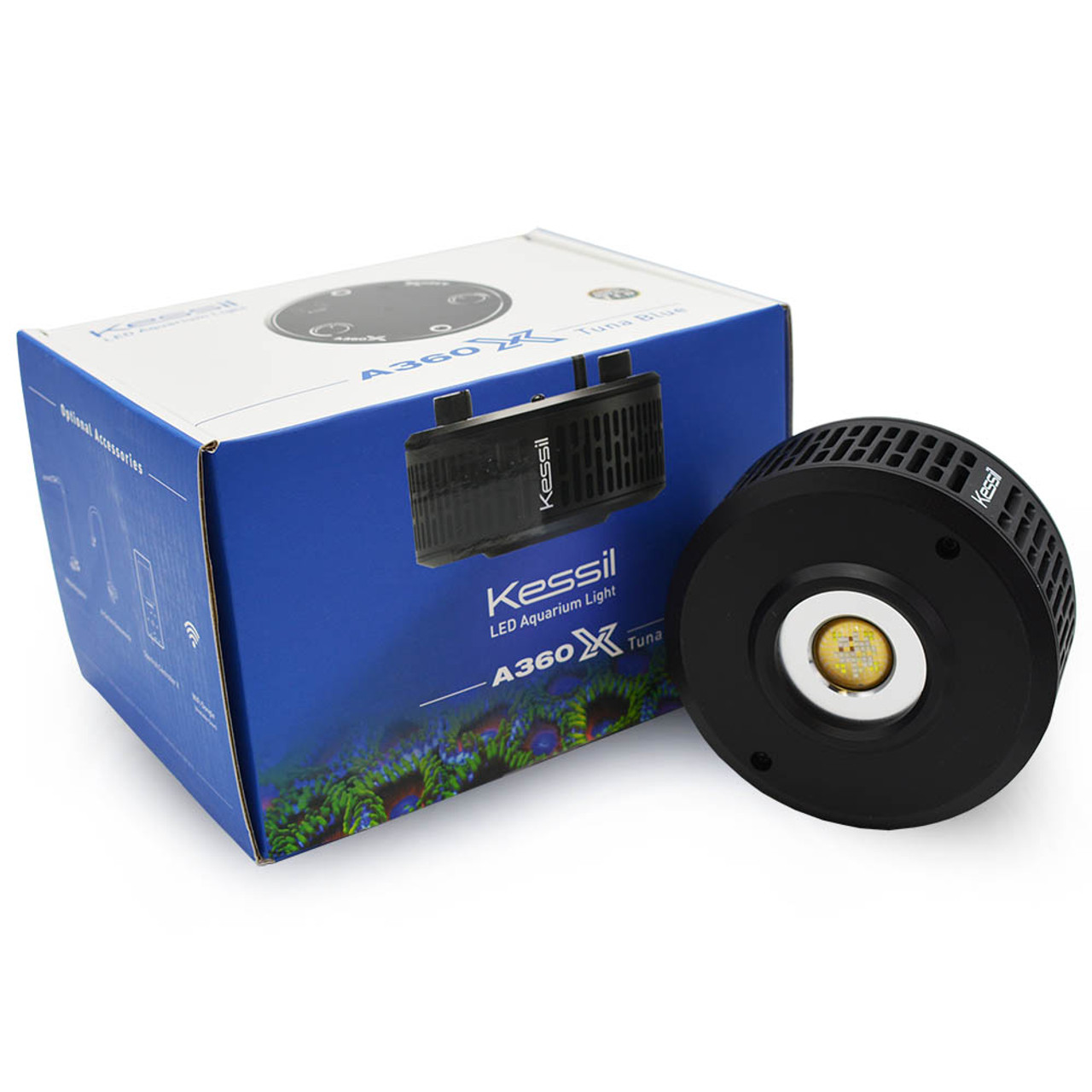
The live article recommends starting with lower light levels and increasing intensity gradually over 3 to 4 weeks using dimming controls. This is often the most precise method when the fixture supports it.
- Start with reduced intensity
- Increase output slowly over time
- Pause or slow down if corals show stress
- Use built-in acclimation programs if your light has them
In many modern reef tanks, dimming is the cleanest and safest way to control LED transitions.
How Long Should LED Acclimation Take?
Most reef keepers should think in terms of weeks, not days. The live article repeatedly points to a slow 3 to 4 week transition, and in some tanks the process may need to be even slower depending on coral type and prior lighting.
- Hardier corals may adapt faster
- LPS and soft corals may still need a cautious transition
- SPS and freshly stressed corals often need more patience
- Recently shipped or newly added corals should be acclimated even more carefully
There is rarely a benefit to rushing LED acclimation. Going slower is almost always safer than pushing too fast.
Signs You Are Going Too Fast
The live article emphasizes watching coral health closely during the transition. That is one of the most important parts of the whole process.
- Paling or bleaching
- Reduced polyp extension
- Persistent retraction
- Tissue recession
- Unusual shrinking or failure to open
If these signs appear, the safest move is usually to slow the acclimation process instead of pushing forward. Corals often recover better from a cautious pause than from continued stress.
How Different Coral Types Respond to LED Changes
Not all corals react the same way to a lighting change. Some are much more forgiving than others.
- Soft corals: Often more forgiving, but still can react to abrupt intensity changes
- LPS corals: Frequently show stress through reduced extension and tissue response
- SPS corals: Usually the most sensitive to rapid lighting changes and bleaching risk
If you keep more demanding SPS corals, moving too quickly with LEDs can create problems very fast. If you keep a mixed reef, the safest plan is usually to acclimate for the most sensitive coral in the tank, not the toughest one.
Water Stability Still Matters During Lighting Changes
Light is only one part of the stress equation. If your tank is also dealing with alkalinity swings, unstable salinity, or temperature fluctuation, corals may respond much worse to a lighting transition.
- Keep salinity stable
- Maintain steady alkalinity
- Avoid heat spikes
- Do not make multiple major system changes at once
Lighting acclimation works best when the rest of the reef remains steady.
If you are working on system stability, learn more about pH and alkalinity in reef tanks.
New Coral Acclimation vs Whole-Tank Lighting Changes
There are really two common LED acclimation scenarios:
- Changing the light for the whole tank
- Adding a new coral under an existing LED system
In both cases, the same principles matter: start lower, reduce intensity when needed, and watch the coral’s response. Even if the tank has already adapted to the LEDs, a newly added coral may not have.
Common Mistakes When Switching to LED Lighting
- Running the new LEDs at full intensity immediately
- Keeping the same long photoperiod from day one
- Ignoring the coral’s actual response
- Making other major changes at the same time
- Assuming visual brightness equals coral-safe intensity
Most LED problems are not caused by LEDs being bad for corals. They are caused by underestimating how different the new light environment is.
Related Corals and Reef Tank Topics You May Also Like
If you are adjusting your reef lighting or trying to improve coral health under LEDs, these related guides may also help:
- How lighting affects coral growth
- The impact of water flow on coral health
- Reef tank equipment explained
- Reef tank water parameters explained
- How coral metabolism works
Ready to stock your LED-lit reef tank? Browse our new arrival corals and explore healthy corals for stable, well-acclimated reef systems.
Shop Corals for LED-Lit Reef Tanks
Explore our new arrival corals, LPS corals for sale, and SPS corals for sale to find healthy additions for your reef tank.
Frequently Asked Questions
Q: Why do corals bleach when switching to LED lighting?
A: Corals can bleach when the new light intensity is introduced too quickly and the zooxanthellae inside the coral tissue become stressed.
Q: How long should I acclimate corals to LED lighting?
A: A slow transition over several weeks is usually much safer than making the change in just a few days.
Q: What is the safest way to acclimate corals to LEDs?
A: Raising the fixture, shortening the photoperiod, using screen diffusion, and dimming the lights are all effective methods.
Q: Should I lower the photoperiod when switching to LEDs?
A: Yes. Reducing the high-intensity lighting period at first is one of the best ways to reduce coral stress.
Q: What should I do if my corals look stressed during acclimation?
A: Slow the process down, reduce intensity or exposure, and watch for recovery instead of pushing forward too quickly.
About the Author
Scott Shiles is the owner of ExtremeCorals.com, which he has operated for over 25 years and is recognized as one of the early dedicated live coral websites on the internet. A lifelong reef keeper since 1984, Scott has decades of hands-on experience maintaining marine aquariums and previously owned and operated a brick and mortar aquarium retail store for 10 years, including five years alongside Extreme Corals. He holds a degree in Marine Biology and has personally selected and sold hundreds of thousands of live corals. An avid scuba diver who has explored reef systems around the world, Scott shares practical coral care and husbandry knowledge based on real world reef experience.
overall rating:
my rating:
log in to rate
Please log in to leave a comment.
For more information visit: additional resources