My Cart: 0 item(s)

Extreme Corals News and Updates
Getting Bounce Mushrooms to Thrive: Reef Tank Care, Placement and Feeding Tips
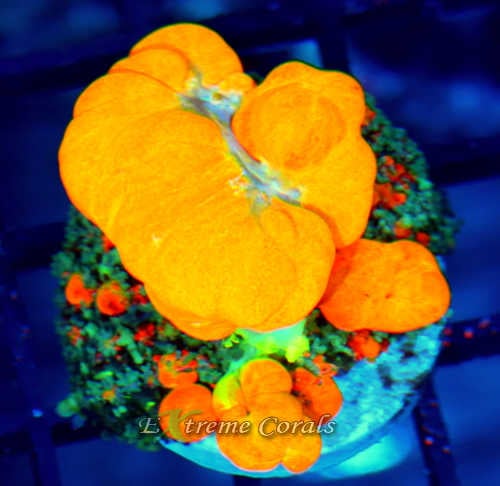
Find out how to properly care for your new Bounce Mushroom with this "how-to" guide on the requirements for healthy Bounce Mushroom from the #1 place to buy corals online!
Read along to find out the Lighting, Water Flow, Feeding, Placement & more when it comes to the care of your new Bounce Mushroom
by Scott Shiles • March 01, 2023
Looking to add bounce mushrooms to your reef tank? Browse our mushrooms for sale and explore colorful, high-end pieces for your aquarium.
Bounce mushrooms are some of the most unusual and sought-after mushroom corals in the reef hobby, prized for their inflated texture, vivid coloration, and collector appeal. This guide explains how to keep bounce mushrooms healthy in a reef tank, including lighting, flow, water stability, feeding, placement, and the common mistakes that keep them from thriving.
One of the biggest reasons bounce mushrooms are so popular is that they can create a major visual impact without needing the same high-energy placement as many SPS corals. They often work well in lower-flow, lower-light areas of a reef tank, which makes them useful in mixed reefs where not every coral belongs in the brightest, highest-flow section. Still, high-end mushroom corals do best when conditions stay stable and placement is handled carefully.
What Are Bounce Mushrooms?
Bounce mushrooms are generally associated with Rhodactis-type mushroom corals that develop raised, inflated vesicles or “bounces” across the surface of the coral. These bubble-like structures can range from subtle to dramatic depending on the coral’s lineage, maturity, and tank conditions.
In the reef hobby, bounce mushrooms are often identified by collector or lineage names rather than strict scientific naming. Popular varieties may include OG Bounce, Sunkist Bounce, Frankenstein Bounce, Insanity Bounce, God Spawn Bounce, and other high-end names used by collectors and sellers. While appearance varies from piece to piece, most bounce mushrooms are valued for texture, fluorescence, and rarity.
Why Bounce Mushrooms Are So Popular in Reef Tanks
- They have a texture that stands out from most other corals
- They add strong color to lower-flow areas of a reef tank
- Many varieties have high collector demand
- They work well in mixed reefs and mushroom gardens
- They can become true focal-point corals as they mature
For many reef keepers, bounce mushrooms are display corals as much as they are collectible corals. A healthy specimen can become one of the most eye-catching pieces in the entire aquarium.
Bounce Mushroom Lighting Requirements
Bounce mushrooms usually do best under low to moderate lighting. They generally do not need the high-intensity placement required by SPS corals, and too much direct light can lead to shrinking, washed-out color, or general stress.
- Low to moderate reef lighting is usually the safest starting point
- Avoid sudden jumps in intensity
- Acclimate slowly if moving them to a brighter position
- Watch for shrinking or bleaching as signs of excessive light
Many hobbyists make the mistake of placing bounce mushrooms too high in the tank because of their price or visual importance. In reality, they often look and behave better when placed lower and allowed to settle. If you are still adjusting your lighting strategy, learn more about coral lighting.
Bounce Mushroom Water Flow
Bounce mushrooms generally prefer low to moderate indirect flow. They do not want strong current aimed directly at the tissue. Too much flow can keep them retracted, while too little flow can allow debris to collect around them.
- Low to moderate indirect flow is ideal
- Avoid blasting them with directional powerhead flow
- Provide enough movement to prevent detritus buildup
In many tanks, a more sheltered section of the aquascape works best. You can also read our reef flow guide for a broader look at how water movement affects coral health.
Water Parameters for Bounce Mushrooms
Like most corals, bounce mushrooms do best when water conditions are stable. They are usually more forgiving than Acropora and many SPS corals, but they still should not be treated like a coral that can handle constant swings.
- Temperature: 76-80°F
- Salinity: 1.024-1.026
- pH: 8.1-8.4
- Stable alkalinity is important
- Stable nutrients are better than constant fluctuations
Major swings in salinity, alkalinity, or pH can lead to shrinkage, poor expansion, or detachment. If you are working on chemistry stability, learn more about pH and alkalinity in reef tanks.
Best Placement for Bounce Mushrooms
Placement is one of the most important factors in long-term success. A healthy coral can still look unimpressive if it is placed in too much light or too much flow.
- Start in the lower to middle part of the tank
- Choose a lower-flow area with stable surroundings
- Allow room for the mushroom to expand fully
- Keep it away from aggressive neighboring corals
Many reef keepers place bounce mushrooms on isolated rocks or dedicated mushroom sections so they can grow without being crowded by stinging LPS corals or faster-spreading soft corals.
Do Bounce Mushrooms Need Feeding?
Bounce mushrooms are photosynthetic, but they may benefit from occasional supplemental feeding in some tanks. Feeding is optional, not mandatory, and overfeeding usually causes more problems than it solves.
- Use small meaty foods or coral-specific foods if feeding
- Feed lightly and only when the coral is healthy and established
- Avoid overfeeding and nutrient spikes
- Do not try to force-feed stressed mushrooms
In most reef tanks, proper placement and water stability matter more than frequent feeding schedules.
How Bounce Mushrooms Grow and Multiply
Bounce mushrooms can grow steadily under stable conditions, but many are not especially fast growers. Some divide naturally over time, while others take much longer to show noticeable size increase or stronger bounce development.
- Growth rate depends on lineage and tank conditions
- Mature specimens may show fuller vesicle development
- Well-settled mushrooms may eventually split
Collector mushrooms often reward patience. Better color, fuller expansion, and stronger bounce texture usually come from time and consistency rather than constant changes.
Common Bounce Mushroom Problems
Shrinking or Staying Small
This is often caused by too much light, too much flow, poor placement, instability, or stress from recent movement.
Bleaching or Washed-Out Color
Excessive light intensity or sudden lighting changes are common causes of color loss.
Detachment
Bounce mushrooms may detach if they are unhappy with the surface, light, or flow where they were placed.
Poor Bounce Development
Not every mushroom develops dramatic vesicles quickly. Genetics, maturity, stability, and overall tank conditions all play a role.
How to Choose a Healthy Bounce Mushroom
- Look for full tissue and good attachment
- Avoid pieces with heavily receded edges
- Choose specimens with strong color and no obvious bleaching
- Prefer mushrooms that look settled rather than recently stressed
Because bounce mushrooms can be expensive, starting with a healthy specimen can make a big difference in how well the coral adapts long term.
Bounce Mushrooms vs Other Mushroom Corals
Bounce mushrooms are often compared with ricordea, discosoma, and other Rhodactis mushrooms. What separates them is their raised texture and collector appeal. Other mushroom corals can still be colorful and hardy, but bounce mushrooms often stand out because of their inflated vesicles and unusual appearance.
If you enjoy mushroom corals in general, you may also want to explore ricordea mushrooms and other soft coral options for lower-flow sections of the tank.
Who Should Keep Bounce Mushrooms?
Bounce mushrooms can work for hobbyists beyond the beginner stage, especially those with stable mixed reefs. They are often easier to keep than many SPS corals, but high-end collector mushrooms still deserve careful placement and steady conditions.
- Good for established mixed reef tanks
- Great for mushroom collectors and lower-flow coral zones
- Best in systems with stable salinity and chemistry
- Less ideal for tanks that are frequently changing or being rearranged
Related Corals You May Also Like
If you are interested in bounce mushrooms, you may also want to explore other mushroom and soft coral options for similar reef tank areas:
- Browse mushrooms for sale
- The ultimate zoanthid care guide
- Soft coral care ideas for mixed reefs
- Overview of coral types and care guidelines
- New arrival corals
Ready to add a standout mushroom coral to your reef tank? Browse our mushrooms for sale and explore healthy, colorful corals ready for your aquarium.
Shop Bounce Mushrooms and Mushroom Corals
Explore our mushroom corals for sale and find unique, high-end pieces for lower-flow areas of your reef tank.
Frequently Asked Questions
Q: Are bounce mushrooms hard to keep?
A: Bounce mushrooms are usually easier to keep than many SPS corals, but they still do best in stable reef tanks with careful placement.
Q: What lighting is best for bounce mushrooms?
A: Most bounce mushrooms do best under low to moderate lighting and may become stressed under excessive intensity.
Q: Do bounce mushrooms need to be fed?
A: Feeding is optional. They are photosynthetic but may benefit from occasional supplemental feeding in some systems.
Q: Why is my bounce mushroom shrinking?
A: Common causes include too much light, too much flow, instability, or stress from recent movement.
Q: Can bounce mushrooms be placed near aggressive corals?
A: It is better to give them space so they are not crowded or stressed by nearby aggressive corals.
About the Author
Scott Shiles is the owner of ExtremeCorals.com, which he has operated for over 25 years and is recognized as one of the early dedicated live coral websites on the internet. A lifelong reef keeper since 1984, Scott has decades of hands-on experience maintaining marine aquariums and previously owned and operated a brick and mortar aquarium retail store for 10 years, including five years alongside Extreme Corals. He holds a degree in Marine Biology and has personally selected and sold hundreds of thousands of live corals. An avid scuba diver who has explored reef systems around the world, Scott shares practical coral care and husbandry knowledge based on real world reef experience.
overall rating:
my rating:
log in to rate
Please log in to leave a comment.
For more information visit: additional resources