My Cart: 0 item(s)

Extreme Corals News and Updates
Candy Cane Coral Care Guide: Lighting, Feeding, Placement and Growth Tips
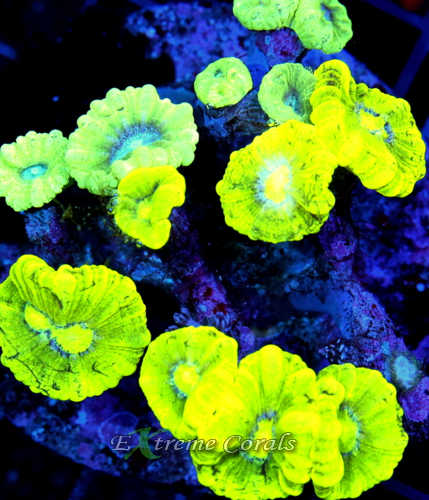
Learn how to care for Candy Cane coral in a reef tank with the right lighting, flow, feeding, placement, and stable water conditions for long-term success.
Learn how to care for Candy Cane coral in a reef tank with tips on lighting, flow, feeding, placement, water stability, and long-term coral health.
by Scott Shiles • March 01, 2023
Candy Cane coral is one of the best beginner-friendly LPS corals in reef tanks because it combines bright color, easy care, and steady growth in stable systems. Also known as Caulastrea, Candy Cane coral is popular for its puffy heads, branching growth, and attractive striping that gives it its familiar name. This guide explains how to care for Candy Cane coral in a reef tank, including water parameters, lighting, water flow, feeding, placement, and the most common issues to watch for over time.
For many reef keepers, Candy Cane coral is a great first LPS coral because it is visually rewarding without being as demanding as some collector corals. It can work well in mixed reefs, beginner systems, and more established aquariums as long as the tank stays stable and the coral is placed thoughtfully. With proper care, Candy Cane coral can grow into a beautiful branching colony that adds color and structure to the reef.
Looking to add a colorful LPS coral to your reef tank? Browse our new arrival corals and explore healthy corals for your aquarium.
What Is Candy Cane Coral?
Candy Cane coral is a branching large polyp stony coral known for its round fleshy heads and striped or glowing color patterns. It is often sold under the name Caulastrea and is popular with both beginners and experienced reef keepers because it is hardy and attractive.
Its clean branching growth makes it a great option for hobbyists who want a coral that adds vertical structure without becoming too aggressive or difficult to manage.
Why Candy Cane Coral Is So Popular
- It is often beginner friendly
- It has bright, attractive coloration
- It usually grows steadily in stable systems
- It works well in mixed reef tanks
- It offers strong visual reward without extreme care demands
Candy Cane coral is especially appealing to hobbyists who want a coral that looks great and responds well to good reefkeeping habits without requiring a highly specialized setup.
Water Parameters
Maintaining stable water parameters is one of the most important parts of Candy Cane coral care. Like many LPS corals, it usually tolerates a reasonable range as long as the numbers stay steady.
- Temperature: 75-80°F
- pH: 8.1-8.4
- Salinity: around 1.025
- Alkalinity: 8-11 dKH
- Calcium: maintain in a healthy reef range
- Magnesium: maintain in a normal reef range
Stable chemistry supports skeletal growth, tissue expansion, and long-term health. Regular testing with a reliable kit is one of the best ways to catch small issues before they become coral stress.
If you are working on chemistry stability, read our guide on pH and alkalinity in reef tanks.
Lighting
Candy Cane coral generally does best under low to moderate or moderate lighting, though many healthy colonies can adapt to somewhat stronger light if they are acclimated carefully. The most important thing is to avoid blasting the coral suddenly with intense light.
- Moderate lighting is a strong starting point
- Indirect or well-balanced reef lighting usually works well
- Too much light can cause bleaching or tissue stress
- Slow acclimation is always safer than sudden exposure
Older advice sometimes describes lighting in watts per gallon, but in modern reefkeeping it is more useful to focus on actual coral response and stable placement under your specific lights.
If you want to learn more about coral lighting, read our guide on reef tank lighting.
Water Flow
Candy Cane coral prefers moderate water flow. The coral benefits from enough movement to bring food and remove waste, but too much direct flow can cause the polyps to stay retracted.
- Moderate indirect flow is usually ideal
- Too much direct flow can make the coral close up
- Too little flow can allow debris to collect
- Gentle movement usually helps the coral stay cleaner and healthier
The best flow usually keeps the coral open and comfortable without forcing the tissue to retract constantly.
If you want to learn more about circulation, read our guide on water flow and coral health.
Feeding
Candy Cane coral is photosynthetic, but it can also benefit from regular feeding. In many reef tanks, supplemental feeding helps support better puffiness, stronger growth, and healthier tissue.
- Offer small meaty foods such as brine shrimp, krill, or mysis shrimp
- Target feed carefully using a pipette or turkey baster
- Feed lightly and avoid overfeeding the system
- Watch the coral’s feeding response before increasing food amounts
Feeding should support the coral without driving up nutrients too much. Light, regular feeding is usually a better strategy than heavy feeding that hurts water quality.
Placement
When placing Candy Cane coral in a reef tank, it is important to leave enough room for the heads to expand and for the colony to branch outward as it grows.
- Give the coral enough room to grow
- Avoid placing it too close to aggressive corals
- Choose a stable spot with suitable light and flow
- Make sure the coral is mounted securely
Because Candy Cane coral grows by forming new heads along the branches, placement should be chosen with future colony size in mind, not just the current frag size.
Monitoring and Long-Term Care
Regular observation is one of the easiest ways to keep Candy Cane coral healthy. These corals often show clear signs when something in the environment is off.
Watch for:
- Loss of color
- Closed or retracted tissue
- Weak feeding response
- Tissue recession
- Slow or stalled growth
If you notice any of these changes, review water quality, flow, lighting, and placement before the issue becomes more serious.
Common Candy Cane Coral Problems
Tissue Recession
This is often linked to unstable parameters, poor water quality, or long-term stress from placement or aggression.
Bleaching
Too much light too quickly can cause Candy Cane coral to lose color and become stressed.
Poor Extension
If the coral stays closed, common causes include too much direct flow, nearby aggression, or chemistry instability.
Weak Growth
Slow growth is often tied to poor water stability, insufficient feeding, or weak placement in unsuitable light or flow.
How to Tell If Candy Cane Coral Is Healthy
- Heads stay inflated and colorful
- The coral responds to feeding
- There is no visible recession around the skeleton
- New heads form over time
- The colony looks settled and stable in its location
A healthy Candy Cane coral usually looks puffy, colorful, and steadily growing. When it is happy, it often becomes one of the most dependable and attractive corals in the tank.
Best Tank Setup for Candy Cane Coral
Candy Cane coral usually does best in reef tanks with:
- Stable water chemistry
- Moderate lighting
- Moderate indirect flow
- Enough room from aggressive neighbors
- Regular observation and maintenance
It is a strong choice for hobbyists who want an easy-to-manage LPS coral that still adds bright color and branching structure to the reef.
Related Corals You May Also Like
If you are interested in Candy Cane coral, you may also want to explore other beginner-friendly LPS corals and reef tank guides:
- Browse LPS corals for sale
- Fungia plate coral care guide
- Trachyphyllia coral care guide
- LPS corals overview
- Common beginner reef tank mistakes
Ready to add a colorful branching coral to your reef tank? Browse our new arrival corals and explore healthy additions for your aquarium.
Shop Candy Cane and LPS Corals
Explore our WYSIWYG LPS corals, new arrival corals, and featured corals to build a more colorful reef tank.
Final Thoughts
Candy Cane coral is one of the best LPS corals for reef hobbyists who want color, structure, and manageable care. With stable water parameters, moderate light, balanced flow, and regular feeding, it can become a healthy and long-lasting part of a beautiful reef aquarium.
Frequently Asked Questions
Q: Is Candy Cane coral beginner friendly?
A: Yes. Candy Cane coral is often considered one of the easier LPS corals for beginner reef tanks.
Q: What lighting does Candy Cane coral need?
A: Moderate lighting is usually a strong starting point, though some colonies can adapt to slightly stronger light if acclimated slowly.
Q: Does Candy Cane coral need feeding?
A: It can benefit from supplemental feeding. Small meaty foods often support better growth and fullness.
Q: What flow is best for Candy Cane coral?
A: Moderate indirect flow is usually best because it keeps the coral clean without forcing it to stay closed.
Q: Why is my Candy Cane coral not opening?
A: Common causes include excessive flow, water instability, poor placement, nearby aggression, or lighting stress.
About the Author
Scott Shiles is the owner of ExtremeCorals.com, which he has operated for over 25 years and is recognized as one of the early dedicated live coral websites on the internet. A lifelong reef keeper since 1984, Scott has decades of hands-on experience maintaining marine aquariums and previously owned and operated a brick and mortar aquarium retail store for 10 years, including five years alongside Extreme Corals. He holds a degree in Marine Biology and has personally selected and sold hundreds of thousands of live corals. An avid scuba diver who has explored reef systems around the world, Scott shares practical coral care and husbandry knowledge based on real world reef experience.
overall rating:
my rating:
log in to rate
Please log in to leave a comment.
For more information visit: additional resources