My Cart: 0 item(s)

Extreme Corals News and Updates
Goniopora and Alveopora in Reef Tanks: How to Keep Them Healthy, Extended and Growing
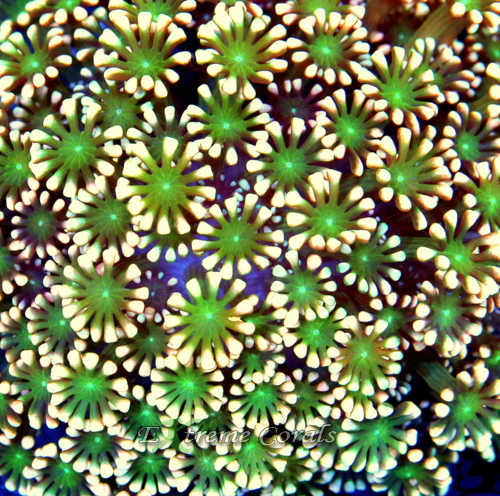
Learn how to care for Goniopora and Alveopora in a reef tank with the right lighting, water flow, feeding, placement, and stable water chemistry for long-term success.
Learn how to care for Goniopora and Alveopora in a reef tank with tips on lighting, flow, feeding, placement, and water parameters for healthy long-term growth.
by Scott Shiles • February 24, 2023
Goniopora and Alveopora are two of the most eye-catching LPS corals in the reef hobby because of their long flower-like polyps, constant movement, and strong visual appeal. They can add a soft, flowing look to a reef tank that few other corals can match. At the same time, both corals can be sensitive to water quality, lighting, and placement, which is why success depends on stable care and close observation. This guide explains how to care for Goniopora and Alveopora in a reef tank, including water parameters, lighting, flow, feeding, handling, and the most common mistakes to avoid.
For many reef keepers, these corals are worth the extra attention because they create motion and color that can transform the entire look of an aquarium. Goniopora is often considered a bit more demanding, while Alveopora is usually seen as somewhat more forgiving, but both benefit from the same general approach: moderate to strong stable reef conditions without harsh extremes.
Looking to add a flowing showpiece coral to your reef tank? Browse our LPS corals for sale and explore healthy corals for your aquarium.
What Are Goniopora and Alveopora?
Goniopora and Alveopora are large polyp stony corals known for their long extending polyps and flower-like appearance. Although they are often compared with each other, they are not exactly the same in care or appearance.
Goniopora usually has longer, fuller-looking polyps and is often considered more demanding over the long term. Alveopora often has a slightly lighter, airier look and is commonly described as somewhat easier to keep in captivity. Even so, both corals need good water quality, stable chemistry, and careful placement.
Why These Corals Are So Popular
- They add constant movement to the reef tank
- They come in bright, attractive colors
- They create a soft flower-like display effect
- They work well as centerpiece LPS corals
- Healthy colonies become very rewarding long-term showpieces
For hobbyists who want a coral that looks active and alive throughout the day, Goniopora and Alveopora are often hard to resist.
Water Parameters
Maintaining stable water parameters is one of the most important parts of keeping these corals healthy. Both Goniopora and Alveopora can react poorly to instability, especially when alkalinity, salinity, or nutrient levels swing too much.
- Temperature: 75-80°F
- pH: 8.1-8.4
- Salinity: 1.024-1.026
- Calcium: 400-450 ppm
- Alkalinity: 8-9 dKH
- Magnesium: 1200-1350 ppm
- Nitrate: less than 5 ppm
- Phosphate: less than 0.03 ppm
Regular testing is important if you want long-term success. These corals are usually much happier in a stable tank than in one where numbers are constantly being pushed up and down trying to hit perfection.
If you are working on chemistry consistency, read our guide on pH and alkalinity in reef tanks.
Lighting
Goniopora and Alveopora usually do best under moderate to moderately high lighting. They contain photosynthetic algae and rely on light for much of their energy, but excessive intensity can stress them, especially if they are not acclimated carefully.
- Moderate to moderately high lighting is usually best
- Stable lighting matters more than constant adjustment
- LED lighting is a popular and effective choice
- Acclimate slowly if moving them into brighter areas
Many reef keepers begin with lower to middle placement and then adjust only if the coral’s extension, color, and response suggest it would benefit from a change. A coral that stays extended and colorful is usually in a workable lighting zone.
If you want to learn more about reef lighting, read our guide on how lighting affects coral growth.
Water Flow
These corals usually prefer moderate to moderately strong indirect flow. Water movement is critical because it helps deliver nutrients and oxygen while also preventing waste and debris from settling around the polyps.
- Moderate to high indirect flow is usually ideal
- Avoid placing them directly in the path of a powerhead
- Too little flow can lead to weak extension and detritus buildup
- Too much direct flow can keep the polyps from opening fully
The goal is steady movement that keeps the coral active and clean without whipping the polyps aggressively in one direction. Good flow is especially important because these corals often show stress quickly when water movement is wrong.
If you want to learn more about circulation, read our guide on water flow and coral health.
Placement in the Reef Tank
Placement should be based on both lighting and flow. In many reef tanks, Goniopora and Alveopora do best in lower to middle areas where lighting is moderate and flow is strong enough to keep the polyps moving naturally without direct blasting.
- Lower to middle placement is often a strong starting point
- Give the coral enough room to extend fully
- Keep it away from aggressive neighbors
- Choose a stable location rather than moving it repeatedly
These corals are often quick to show when they dislike placement. A coral that remains tight and withdrawn may be asking for a change in flow, light, or spacing.
Feeding
Goniopora and Alveopora are photosynthetic, but they can also benefit from supplemental feeding. In many systems, careful feeding is one of the factors that helps these corals maintain better color, fuller extension, and stronger long-term health.
- Feed small meaty foods such as brine shrimp, mysis shrimp, or finely chopped fish
- Twice a week is a practical starting point
- Feed lightly and watch the coral’s response
- Avoid overfeeding the system
Supplemental feeding should help the coral, not pollute the tank. A little consistent feeding is usually better than occasional heavy feeding that damages water quality.
Handling
These corals have delicate polyps that can be damaged easily by rough handling. When moving them, it is best to handle the base of the coral rather than the fleshy tissue.
- Use coral tools or gentle grip on the base when moving them
- Do not squeeze or pull on the polyps
- Avoid repeated repositioning unless necessary
- Give the coral time to settle after moving it
Even healthy corals can stay closed for a while after being moved. Gentle handling reduces the risk of tissue damage and stress.
Common Problems With Goniopora and Alveopora
Poor Extension
This is often caused by improper flow, unstable parameters, lighting stress, or lingering irritation from neighboring corals.
Tissue Recession
When tissue begins pulling back, it is often a sign that water quality, placement, or stability needs immediate attention.
Faded Color
Color loss may be linked to poor lighting balance, nutrient issues, or general decline in health.
Detritus Buildup
If flow is too weak, debris can settle around the coral and create long-term irritation.
How to Tell If These Corals Are Healthy
- Polyps extend consistently and fully
- Color remains strong
- The coral responds well to stable flow
- There is no visible recession around the skeleton
- Growth and extension remain steady over time
A healthy Goniopora or Alveopora usually looks full, active, and settled in the tank. A coral that remains withdrawn too long is often signaling that something about its environment is off.
Best Tank Setup for Goniopora and Alveopora
These corals usually do best in reef tanks with:
- Moderate to moderately high lighting
- Moderate to high indirect flow
- Stable water parameters
- Controlled nutrient levels
- Consistent maintenance and observation
They are strongest candidates for hobbyists willing to keep a steady, mature reef environment rather than a tank with frequent swings or neglected upkeep.
Related Corals You May Also Like
If you are interested in Goniopora and Alveopora, you may also want to explore other fleshy LPS corals and related reef tank guides:
- Browse LPS corals for sale
- Frogspawn coral care guide
- Hammer coral care guide
- Euphyllia care requirements
- LPS corals overview
Ready to add a flowing showpiece coral to your reef tank? Browse our LPS corals for sale and explore healthy corals for your aquarium.
Shop Goniopora, Alveopora and LPS Corals
Explore our WYSIWYG LPS corals, new arrival corals, and featured corals to build a more colorful reef tank.
Final Thoughts
Goniopora and Alveopora can be some of the most rewarding corals in a reef tank when lighting, flow, feeding, and water stability are balanced properly. With careful placement and consistent care, they can become long-term showpieces that add motion, color, and elegance to your aquarium.
Frequently Asked Questions
Q: Are Goniopora and Alveopora hard to keep?
A: They are usually considered more sensitive than many beginner corals, especially Goniopora, but both can do very well in stable reef tanks.
Q: What lighting do Goniopora and Alveopora need?
A: Moderate to moderately high lighting is usually a strong starting point, with careful acclimation to avoid stress.
Q: Do Goniopora and Alveopora need feeding?
A: They are photosynthetic, but supplemental feeding with small meaty foods can help support color, extension, and long-term health.
Q: What flow is best for these corals?
A: Moderate to high indirect flow is usually best, as long as the polyps are not being blasted directly.
Q: Why are my Goniopora or Alveopora not opening fully?
A: Common causes include unstable parameters, improper flow, lighting stress, detritus buildup, or irritation from nearby corals.
About the Author
Scott Shiles is the owner of ExtremeCorals.com, which he has operated for over 25 years and is recognized as one of the early dedicated live coral websites on the internet. A lifelong reef keeper since 1984, Scott has decades of hands-on experience maintaining marine aquariums and previously owned and operated a brick and mortar aquarium retail store for 10 years, including five years alongside Extreme Corals. He holds a degree in Marine Biology and has personally selected and sold hundreds of thousands of live corals. An avid scuba diver who has explored reef systems around the world, Scott shares practical coral care and husbandry knowledge based on real world reef experience.
overall rating:
my rating:
log in to rate
Please log in to leave a comment.
For more information visit: additional resources